Decoding Gen Z’s Social Values: 3 Key Shifts Impacting American Brands in 2026
Decoding Gen Z’s Social Values: 3 Key Shifts Impacting American Brands in 2026
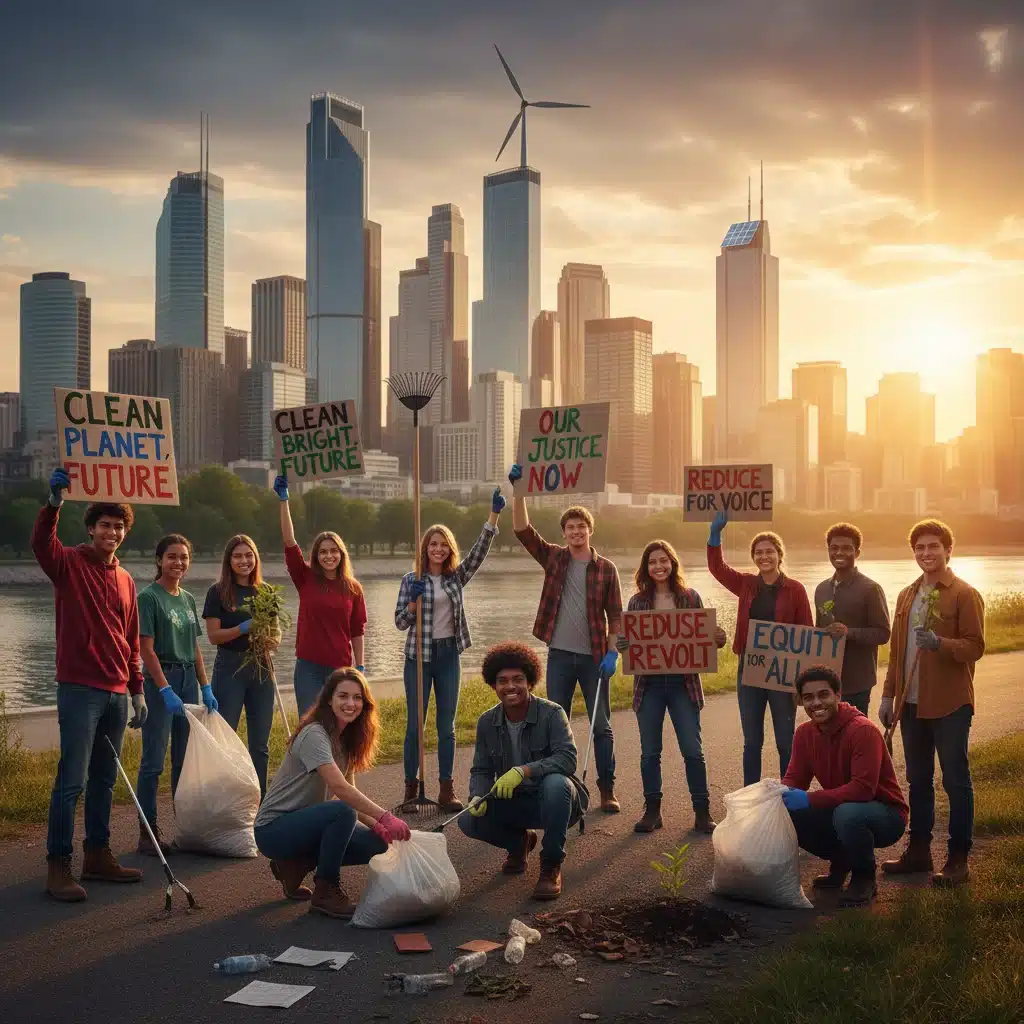
The consumer landscape is in a constant state of flux, but perhaps no generation has wielded as much transformative power as Generation Z. Born roughly between 1997 and 2012, this demographic is not just the largest generation globally; they are also the most digitally native, socially conscious, and value-driven consumers the world has ever seen. As we hurtle towards 2026, understanding the core tenets of Gen Z social values becomes not just beneficial, but absolutely critical for American brands aiming to remain relevant and thrive. Their purchasing power is growing exponentially, and their influence extends far beyond their direct spending, shaping broader cultural narratives and expectations.
This comprehensive article will delve into three pivotal shifts in Gen Z social values that are poised to fundamentally reshape how American brands operate, market, and connect with their audience by 2026. We will explore the profound implications of their demand for authenticity, their unwavering commitment to sustainability, and their insistence on genuine inclusivity. For brands, this isn’t just about tweaking marketing campaigns; it’s about a fundamental re-evaluation of business practices, supply chains, corporate ethics, and brand messaging. Ignore these shifts at your peril, embrace them, and unlock unprecedented opportunities for growth and loyalty.
Gen Z, often dubbed ‘digital natives,’ has grown up in a world characterized by instant information, global connectivity, and significant social and environmental challenges. This upbringing has profoundly shaped their worldview, fostering a generation that is acutely aware of societal issues and deeply committed to making a positive impact. Unlike previous generations who might have been content with superficial brand promises, Gen Z demands transparency, accountability, and demonstrable action. They are not merely consumers; they are active participants in a global conversation, and they expect the brands they support to join that conversation with integrity.
The economic clout of Gen Z is also not to be underestimated. While many are still in the early stages of their careers, their collective purchasing power is already significant and is projected to surge dramatically in the coming years. More importantly, their influence on household purchasing decisions, particularly for older generations, is substantial. This means that brands failing to resonate with Gen Z social values risk alienating not only this generation but also their parents and older siblings who are increasingly adopting similar ethical considerations in their buying habits.
By 2026, the brands that succeed will be those that have proactively adapted to these evolving values, embedding them into their core identity rather than treating them as mere marketing buzzwords. This requires a holistic approach, from product development and supply chain management to internal company culture and external communication. Let’s explore these three critical shifts in detail.
1. The Unyielding Demand for Authenticity and Transparency
One of the most defining characteristics of Gen Z social values is their insatiable demand for authenticity. Having grown up in an era saturated with curated online personas and carefully constructed brand images, they possess a highly attuned BS detector. They can spot inauthenticity from a mile away and are quick to call out brands that don’t practice what they preach. For Gen Z, authenticity isn’t just about being real; it’s about being consistent, transparent, and true to one’s stated values.
This translates into several key expectations for American brands:
-
Genuine Brand Voice:
Gen Z prefers brands that communicate in a human, relatable, and often humorous way. They are wary of overly polished, corporate jargon and respond positively to brands that show personality and vulnerability. This means a departure from traditional, one-way advertising to more conversational and interactive engagement. Brands need to find their authentic voice and stick to it across all platforms, from social media to customer service interactions.
-
Behind-the-Scenes Transparency:
They want to know the story behind the product. Where do the materials come from? How are the workers treated? What are the company’s internal policies on diversity and inclusion? Brands that are open about their supply chains, manufacturing processes, and internal operations build trust. This includes being transparent about mistakes and taking accountability, which Gen Z views as a sign of strength, not weakness.
-
Real People, Not Just Influencers:
While influencer marketing remains powerful, Gen Z is increasingly skeptical of paid endorsements that lack genuine connection. They prefer to see real people using and endorsing products, or influencers who genuinely align with the brand’s values and products. Micro-influencers and user-generated content often resonate more strongly because they feel more authentic and less transactional.
-
Purpose-Driven Marketing:
Authenticity is deeply intertwined with purpose. Gen Z expects brands to stand for something beyond profit. This doesn’t mean simply donating to a cause; it means integrating social and environmental purpose into the brand’s core mission. Brands that genuinely contribute to solving societal problems, and can demonstrate this impact, will earn their respect and loyalty.
By 2026, brands that fail to cultivate genuine authenticity will struggle to connect with Gen Z. This requires an internal audit of values, a commitment to transparent communication, and a willingness to be vulnerable and human in their interactions. It’s about building relationships based on trust, not just transactions.
2. The Imperative of Sustainability and Ethical Practices
The climate crisis and environmental degradation are not abstract concepts for Gen Z; they are lived realities that shape their anxieties and aspirations. Consequently, sustainability is not a trend; it’s a fundamental pillar of Gen Z social values. They expect brands to be environmentally responsible and ethically sound in every aspect of their operations, from sourcing raw materials to product disposal.
This commitment to sustainability manifests in several critical ways:
-
Eco-Friendly Products and Packaging:
Gen Z actively seeks out products that are sustainably produced, durable, and have a minimal environmental footprint. They scrutinize packaging for recyclability, biodegradability, and excess waste. Brands that offer refillable options, use recycled materials, or innovate with sustainable alternatives will gain a significant competitive edge.
-
Ethical Sourcing and Labor Practices:
Beyond environmental concerns, Gen Z is deeply concerned with the human cost of production. They demand ethical sourcing, fair labor practices, and transparent supply chains that ensure workers are treated justly and paid fairly. Brands that can demonstrate a commitment to these principles, perhaps through certifications or detailed impact reports, will build strong connections.
-
Circular Economy Principles:
The concept of a linear ‘take-make-dispose’ economy is anathema to Gen Z. They are drawn to brands that embrace circular economy principles, such as repairing, reusing, and recycling. This includes offering repair services, buy-back programs, or designing products for longevity and easy disassembly for recycling.
-
Corporate Environmental Responsibility (CER):
Gen Z expects brands to take responsibility for their overall environmental impact. This includes reducing carbon emissions, conserving water, minimizing waste, and investing in renewable energy. They look for brands that set ambitious environmental goals and report on their progress transparently. Greenwashing – making unsubstantiated or misleading claims about environmental practices – is quickly identified and severely penalized by this generation.

By 2026, sustainability will no longer be a niche concern but a mainstream expectation. Brands that fail to integrate sustainable and ethical practices into their core business model will not only lose market share but also face significant reputational damage. This requires a systemic change, not just superficial marketing initiatives. It’s about demonstrating a genuine commitment to planetary and social well-being.
3. The Embrace of Inclusivity and Diverse Representation
Having grown up in a more interconnected and diverse world, Gen Z champions inclusivity and demands authentic representation in all forms. They celebrate individuality, reject traditional stereotypes, and expect brands to reflect the rich tapestry of human experience. For them, inclusivity is not just about tokenism; it’s about creating a world where everyone feels seen, valued, and respected.
This strong emphasis on inclusivity and diversity impacts brands in several critical areas:
-
Diverse Marketing and Advertising:
Gen Z expects to see themselves and their diverse peers represented authentically in advertising. This means moving beyond tokenistic representation to genuinely showcasing people of different ethnicities, body types, genders, sexual orientations, abilities, and socio-economic backgrounds. Marketing campaigns should reflect real-world diversity, avoiding stereotypes and promoting positive, empowering narratives.
-
Inclusive Product Design and Offerings:
Brands must consider inclusivity in their product development. This could mean offering a wider range of sizes, shades (for beauty products), or adaptable designs for people with disabilities. It’s about ensuring products are accessible and relevant to a broad spectrum of consumers, rather than a narrow demographic.
-
Internal Diversity, Equity, and Inclusion (DEI):
Gen Z understands that external messaging must be backed by internal practices. They scrutinize brands’ internal DEI initiatives, including hiring practices, leadership diversity, and inclusive workplace cultures. Brands that openly share their DEI goals and progress, and demonstrate a commitment to fostering an equitable environment, will earn trust.
-
Advocacy for Social Justice:
Beyond representation, Gen Z expects brands to be allies and advocates for social justice. This means taking a stand on important social issues, using their platform to promote positive change, and actively working to dismantle systemic inequalities. Silence on critical social issues can be perceived as complicity, leading to swift backlash from this vocal generation.
By 2026, brands that fail to embrace genuine inclusivity will be seen as out of touch and irrelevant. This requires a deep commitment to understanding and valuing diverse perspectives, both within the organization and in external communications. It’s about building a brand that truly reflects and serves the diverse world we live in.
Navigating the Future: Strategies for American Brands
The shifts in Gen Z social values present both challenges and immense opportunities for American brands. Those that adapt proactively and authentically will not only secure a loyal customer base but also position themselves as leaders in a rapidly evolving market. Here are actionable strategies brands can implement to align with these critical values by 2026:
1. Embed Values into Your Core Identity:
Don’t treat authenticity, sustainability, and inclusivity as add-ons or marketing ploys. These values must be woven into the fabric of your brand’s mission, vision, and operational DNA. This means leadership commitment, employee training, and a willingness to make difficult decisions that prioritize these values over short-term gains. For instance, Patagonia’s unwavering commitment to environmental activism is not just a marketing slogan; it’s evident in their product design, repair services, and advocacy efforts. This deep integration fosters genuine authenticity that Gen Z recognizes and rewards.
2. Prioritize Transparency and Open Communication:
Gen Z craves information. Be open about your supply chain, manufacturing processes, labor practices, and environmental impact. Use your platforms to educate consumers about your efforts, challenges, and successes. If you make a mistake, own it, explain what went wrong, and outline your plan to rectify it. Brands like Everlane have built their entire model around ‘radical transparency,’ detailing the true cost of their products and the factories they use. This level of openness builds an unparalleled level of trust with value-driven consumers.
3. Invest in Sustainable Innovation and Practices:
This goes beyond simply using recycled packaging. Brands need to invest in research and development for genuinely sustainable materials, processes, and business models. Explore circular economy principles, design for longevity, and consider product-as-a-service models. Collaborate with environmental organizations and participate in industry-wide initiatives to drive systemic change. Companies like Adidas are making significant strides by developing shoes from recycled ocean plastic, demonstrating a commitment to innovation that aligns with Gen Z social values.
4. Champion Diversity, Equity, and Inclusion Internally and Externally:
Start from within. Foster a truly diverse and inclusive workplace that reflects the world you want to serve. This means equitable hiring practices, inclusive leadership, and a culture that values all voices. Externally, ensure your marketing and product offerings genuinely represent diverse communities. Partner with diverse creators, support minority-owned businesses, and use your platform to advocate for social justice. Fenty Beauty’s revolutionary approach to foundation shades exemplifies how inclusive product design can capture a massive market segment by genuinely serving diverse needs.
5. Engage in Meaningful Dialogue, Not Just Monologue:
Gen Z wants to co-create and participate. Utilize social media and other digital platforms to engage in two-way conversations. Solicit feedback, run polls, and involve your audience in decision-making processes where appropriate. This fosters a sense of community and ownership. Brands that actively listen and respond to their audience’s concerns will build stronger, more resilient relationships.
6. Demonstrate Impact, Don’t Just State Intent:
Words are cheap; actions speak louder. Gen Z wants to see tangible proof of your brand’s positive impact. Publish impact reports, share stories of your initiatives, and highlight the real-world difference your brand is making. Certifications from reputable third-party organizations (e.g., B Corp, Fair Trade) can also provide crucial validation. Brands like TOMS, despite facing some criticism, pioneered the ‘one for one’ model, clearly demonstrating their social impact to consumers.

The collective power of Gen Z social values is undeniable. As they mature and their economic influence grows, these values will only become more entrenched in the consumer psyche. For American brands, 2026 is not just another year; it’s a benchmark for how well they have understood and adapted to this transformative generation. The brands that embrace authenticity, champion sustainability, and embody inclusivity will not only survive but thrive, building enduring relationships with the most influential consumer group of our time. Ignoring these shifts is a recipe for irrelevance; embracing them is a pathway to a more purposeful and prosperous future.
The Long-Term Imperative of Aligning with Gen Z Social Values
It’s crucial to understand that the shifts in Gen Z social values are not fleeting trends. They represent a fundamental reorientation of consumer priorities that will likely influence future generations as well. Brands that strategically align with these values now are not just securing short-term sales; they are investing in long-term brand equity, resilience, and societal relevance. The financial implications are significant, as studies consistently show that consumers, especially younger ones, are willing to pay a premium for products and services from brands that align with their ethical and social beliefs.
Moreover, the impact of Gen Z extends beyond their purchasing decisions. They are also future employees, investors, and advocates. Brands with strong social and ethical credentials will find it easier to attract top talent, secure funding from impact investors, and build a positive reputation that resonates across all stakeholders. Conversely, brands perceived as inauthentic, unsustainable, or exclusionary will face increasing difficulty in all these areas.
Consider the ripple effect of Gen Z’s influence. As they become parents, their children will likely inherit similar value sets, perpetuating the demand for ethical consumption. As they rise into leadership positions, they will embed these values into corporate cultures, further solidifying their importance. Therefore, understanding and acting on Gen Z social values is not just a marketing exercise for 2026; it’s a foundational strategy for future-proofing your brand for decades to come.
The journey to becoming a truly authentic, sustainable, and inclusive brand is complex and ongoing. It requires continuous learning, adaptation, and a genuine commitment to improvement. Brands must be prepared to evolve, listen to feedback, and be willing to challenge their own status quo. This involves fostering a culture of innovation that prioritizes ethical considerations alongside profit. It’s about moving from a purely transactional relationship with consumers to a more partnership-oriented one, where both parties are working towards a better future.
Conclusion: A Call to Action for American Brands
By 2026, the landscape of American consumerism will be undeniably shaped by the profound influence of Gen Z social values. Authenticity, sustainability, and inclusivity are no longer optional brand attributes; they are essential prerequisites for meaningful engagement and long-term success. Brands that proactively integrate these values into their core operations, communications, and product offerings will forge deep connections with this powerful demographic.
The call to action for American brands is clear: embark on a journey of introspection and transformation. Evaluate your current practices against the high standards set by Gen Z. Are you genuinely transparent? Is your commitment to sustainability measurable and impactful? Does your brand truly reflect and champion diversity? The answers to these questions will determine your brand’s relevance in the coming years. Embrace this challenge as an opportunity to innovate, to lead, and to build a brand that not only sells products but also contributes positively to the world. The future of American commerce, as defined by Gen Z, is one built on purpose, integrity, and shared values. Brands that heed this call will not only win market share but also earn the respect and loyalty of a generation poised to redefine the world.