The Rise of Conscious Consumerism: 25% of U.S. Shoppers Prioritize Ethical Brands in Latest 2026 Trends

The Rise of Conscious Consumerism: 25% of U.S. Shoppers Prioritize Ethical Brands in Latest 2026 Trends
The global marketplace is undergoing a profound transformation, driven by a powerful force: conscious consumerism. What was once a niche movement for a select few has now become a mainstream imperative, fundamentally reshaping how businesses operate and how consumers make purchasing decisions. In the latest 2026 trends, a staggering 25% of U.S. shoppers are actively prioritizing ethical brands, signaling a critical shift in market dynamics. This isn’t just a fleeting trend; it’s a deep-seated change in values, where consumers are increasingly aligning their spending with their principles.
This comprehensive article will delve into the multifaceted world of conscious consumerism trends, exploring the driving forces behind this movement, its impact on various industries, and what businesses must do to adapt and thrive in this new ethical landscape. We’ll examine the key pillars of conscious consumerism, from environmental sustainability and fair labor practices to transparency and social impact, providing actionable insights for brands looking to connect with this growing segment of ethical shoppers.
Defining Conscious Consumerism: More Than Just a Buzzword
Before we dive into the 2026 trends, it’s crucial to establish a clear understanding of what conscious consumerism truly entails. It’s far more than simply buying ‘green’ or ‘eco-friendly’ products. Conscious consumerism is an approach to purchasing decisions that considers the social, environmental, and economic impact of those decisions. It’s about being aware of the entire lifecycle of a product, from its raw materials and manufacturing processes to its distribution, consumption, and eventual disposal.
The Pillars of Ethical Spending
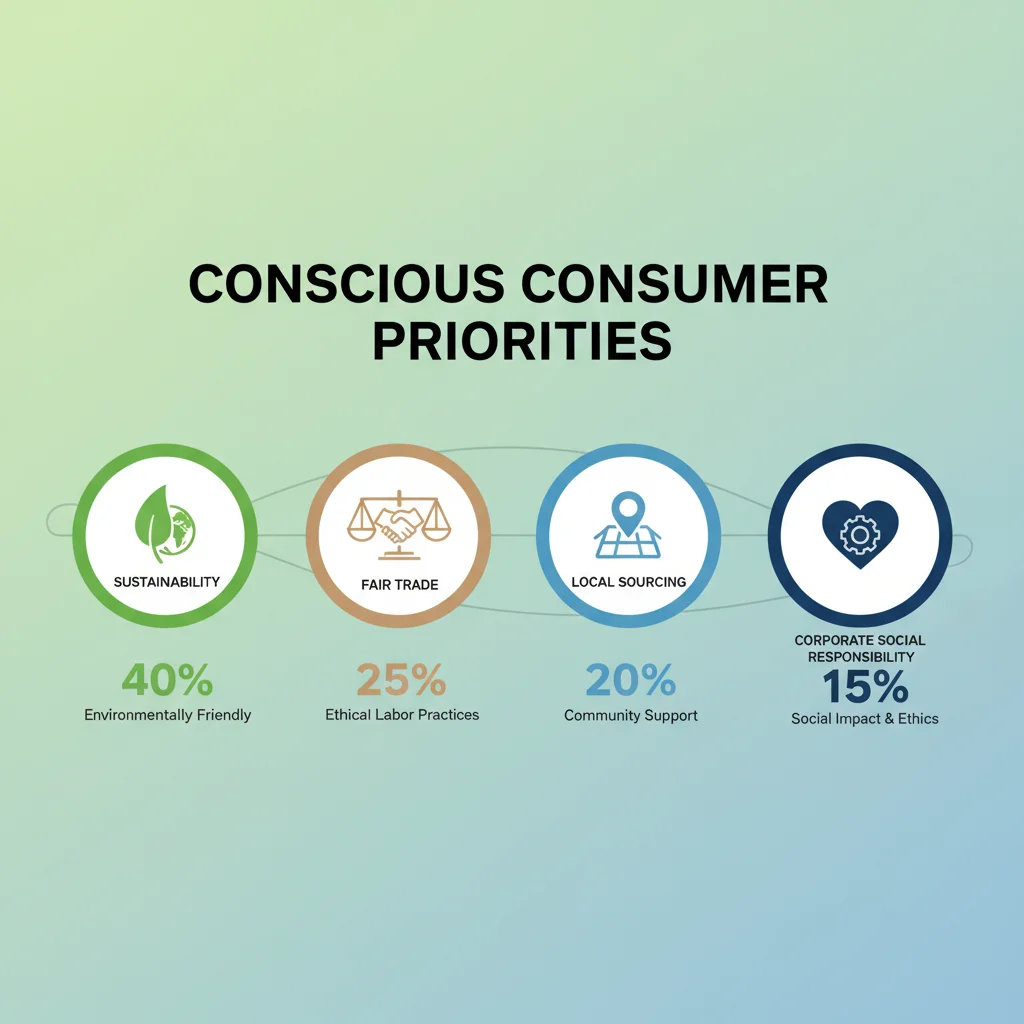
At its core, conscious consumerism is built upon several key pillars:
- Environmental Sustainability: This includes everything from reducing carbon footprints, minimizing waste, using renewable energy, and sourcing sustainable materials. Consumers are increasingly scrutinizing brands’ environmental policies and demanding demonstrable action.
- Ethical Labor Practices: Fair wages, safe working conditions, and the absence of child or forced labor are non-negotiable for conscious consumers. They want to know that the products they buy are not contributing to exploitation.
- Transparency and Traceability: Consumers are demanding greater transparency about a brand’s supply chain, ingredients, and production methods. They want to be able to trace a product’s journey from origin to shelf.
- Social Impact and Community Engagement: Brands that give back to their communities, support social causes, and demonstrate a commitment to positive societal change resonate deeply with conscious shoppers.
- Animal Welfare: For many, this includes cruelty-free testing, responsibly sourced animal products, and a commitment to protecting animal rights.
These pillars collectively form the framework through which conscious consumers evaluate brands and make their purchasing choices. The rise of conscious consumerism trends is directly linked to an increased global awareness of pressing social and environmental issues.
The Shifting Landscape: Why 25% of U.S. Shoppers Prioritize Ethical Brands
The statistic that 25% of U.S. shoppers are now prioritizing ethical brands is not an anomaly; it’s a culmination of several powerful societal and technological shifts. Understanding these drivers is key to comprehending the current and future trajectory of conscious consumerism.
Increased Awareness and Education
The digital age has brought unprecedented access to information. Consumers are more educated than ever before about global supply chains, environmental degradation, and social injustices. Documentaries, social media campaigns, and investigative journalism have all played a significant role in raising awareness and fostering a sense of collective responsibility. This heightened awareness directly fuels conscious consumerism trends.
Generational Values: Millennials and Gen Z Leading the Charge
While conscious consumerism spans all demographics, younger generations, particularly Millennials and Gen Z, are at the forefront of this movement. These generations have grown up with climate change, social inequality, and a greater understanding of interconnected global challenges. For them, purchasing decisions are often an extension of their personal values and a means of expressing their activism. They are more likely to research brands, read reviews, and seek out companies that align with their ethical stance.
The Power of Social Media and Influencers
Social media platforms have become powerful tools for both advocating for ethical practices and exposing unethical ones. Influencers and activists regularly highlight brands doing good, as well as those falling short. This creates a powerful feedback loop, where brands are held accountable by a global audience. The virality of information, both positive and negative, significantly impacts consumer perception and drives the adoption of conscious consumerism trends.
Growing Demand for Transparency
In an era of skepticism, transparency has become a prized commodity. Consumers are wary of opaque supply chains and corporate greenwashing. They demand to see evidence of ethical practices, not just claims. Brands that are open about their sourcing, manufacturing, and social initiatives build trust and loyalty among conscious consumers.
Regulatory and Policy Changes
Governments and international bodies are also playing a role, introducing stricter regulations around environmental protection, labor rights, and corporate social responsibility. While these aren’t always direct drivers of individual consumer choices, they create an environment where ethical practices are increasingly expected and, in some cases, mandated. This further reinforces the importance of conscious consumerism.
The Impact of Conscious Consumerism on Industries
No industry is immune to the influence of conscious consumerism. From fashion to food, and technology to travel, businesses are feeling the pressure to adapt. The 25% of U.S. shoppers prioritizing ethical brands are forcing a re-evaluation of traditional business models and supply chains.
Fashion Industry: From Fast Fashion to Sustainable Style
The fashion industry, historically marred by issues of labor exploitation and environmental pollution, is experiencing a dramatic overhaul. Fast fashion, with its emphasis on cheap, disposable clothing, is facing significant backlash. Consumers are increasingly opting for brands that offer sustainable materials, ethical manufacturing, and circular economy initiatives like repair and recycling programs. Resale markets and rental services are also booming as alternatives to new purchases, directly influenced by conscious consumerism trends.
Food and Beverage: Organic, Local, and Fair Trade
In the food sector, the demand for organic, locally sourced, and fair-trade products continues to surge. Consumers are more concerned about the origin of their food, the welfare of animals, and the environmental impact of agricultural practices. Brands that can demonstrate a commitment to healthy, ethically produced food are gaining a competitive edge. This includes clear labeling, transparent sourcing, and support for local farmers.

Technology and Electronics: Ethical Sourcing and E-Waste
The technology industry faces challenges related to the ethical sourcing of minerals (e.g., conflict minerals), labor conditions in manufacturing, and the growing problem of electronic waste. Conscious consumers are looking for brands that address these issues through responsible sourcing policies, worker protection, and robust recycling and take-back programs. Longevity and repairability are also becoming key considerations, moving away from a disposable tech culture.
Travel and Tourism: Eco-Tourism and Responsible Adventures
Even the travel industry is seeing a shift. Eco-tourism, responsible travel, and community-based tourism are gaining traction. Travelers are seeking experiences that minimize environmental impact, support local economies, and respect local cultures. Airlines and hospitality providers are under pressure to demonstrate their sustainability efforts, from reducing plastic waste to investing in carbon offset programs. These are all part of the broader conscious consumerism trends.
Strategies for Brands to Embrace Conscious Consumerism
For businesses looking to thrive in this evolving market, simply acknowledging conscious consumerism isn’t enough. Proactive and genuine integration of ethical practices is essential. Here’s how brands can effectively respond to the growing demand from the 25% of U.S. shoppers prioritizing ethical brands:
1. Authenticity and Transparency are Paramount
Greenwashing – making unsubstantiated or misleading claims about environmental friendliness – is a major pitfall. Conscious consumers are savvy and will quickly see through disingenuous efforts. Brands must be genuinely committed to ethical practices and transparent about their efforts, including both successes and challenges. Share your supply chain, certifications, and impact reports openly.
2. Integrate Sustainability into Core Business Strategy
Ethical practices shouldn’t be an afterthought or a separate CSR department. They need to be woven into the very fabric of the business model, from product design and sourcing to manufacturing and logistics. This holistic approach signals a true commitment to conscious consumerism.
3. Invest in Ethical Sourcing and Production
This is a foundational element. Brands must rigorously vet their suppliers to ensure fair labor practices, safe working conditions, and environmentally responsible sourcing of raw materials. This might involve investing in certifications (e.g., Fair Trade, B Corp) or developing proprietary ethical auditing processes.
4. Embrace Circular Economy Principles
Moving away from a linear ‘take-make-dispose’ model is crucial. Brands should explore ways to design products for durability, repairability, and recyclability. Offering take-back programs, repair services, or encouraging product reuse can significantly enhance a brand’s appeal to conscious consumers.
5. Communicate Your Story Effectively
Once ethical practices are in place, communicate them clearly and compellingly to your audience. Use storytelling to highlight the positive impact of your brand, the people behind your products, and your commitment to a better future. Leverage digital channels, product packaging, and in-store experiences to share your conscious consumerism journey.
6. Engage with Your Community and Stakeholders
Conscious brands often build strong communities around shared values. Engage with your customers, listen to their feedback, and involve them in your sustainability efforts. Partner with NGOs, local communities, and industry groups to amplify your impact and demonstrate collective responsibility. This engagement strengthens the conscious consumerism trends.
7. Measure and Report Your Impact
Demonstrate accountability by measuring your environmental and social impact and reporting on your progress. This could involve annual sustainability reports, carbon footprint assessments, or social impact metrics. Quantifiable results build trust and validate your claims to conscious consumers.
Challenges and Opportunities in the Conscious Consumer Market
While the rise of conscious consumerism presents immense opportunities, it also comes with its own set of challenges. Brands must navigate these complexities to truly succeed.
Challenges:
- Higher Costs: Ethical sourcing, sustainable materials, and fair labor often come with higher production costs, which can translate to higher retail prices. Communicating the value proposition behind these costs is crucial.
- Supply Chain Complexity: Ensuring ethical practices across a global supply chain can be incredibly complex, requiring significant investment in auditing, monitoring, and relationship building.
- Greenwashing Scrutiny: The heightened awareness of conscious consumerism means that consumers and watchdog groups are more vigilant than ever in detecting greenwashing, making genuine commitment essential.
- Consumer Education: While awareness is growing, many consumers still need to be educated on what constitutes truly ethical and sustainable practices, and why they should choose them.
Opportunities:
- Brand Differentiation: Ethical practices can be a powerful differentiator in a crowded market, attracting loyal customers who share similar values.
- Increased Customer Loyalty: Conscious consumers are often highly loyal to brands that align with their values, leading to stronger customer relationships and repeat business.
- Innovation and R&D: The demand for sustainable solutions drives innovation in materials, processes, and business models, leading to new product development and market opportunities.
- Talent Attraction and Retention: Employees, particularly younger generations, are increasingly seeking to work for companies with strong ethical values, making conscious practices a key factor in talent acquisition.
- Long-Term Resilience: Brands built on sustainable and ethical foundations are often more resilient to future regulatory changes, resource scarcity, and shifts in consumer preferences.
The Future of Retail: A Conscious Evolution
The 2026 trends are just the beginning. The trajectory of conscious consumerism points towards an even greater integration of ethics and sustainability into everyday purchasing decisions. The 25% of U.S. shoppers prioritizing ethical brands will likely grow, becoming the majority in the coming years. This means that ethical practices will shift from being a competitive advantage to a basic expectation.
We can anticipate several key developments:
- Personalized Ethical Shopping: AI and data analytics will enable more personalized recommendations for ethical products based on individual consumer values and preferences.
- Blockchain for Transparency: Blockchain technology could revolutionize supply chain transparency, allowing consumers to trace products with unprecedented detail and verify ethical claims.
- Regulatory Pressure Intensifies: Governments will likely introduce more stringent regulations on corporate sustainability, carbon emissions, and social responsibility, pushing even reluctant brands towards ethical practices.
- Collaborative Consumption and Circular Models Dominate: Sharing economies, rental models, and advanced recycling initiatives will become more widespread, further reducing reliance on new production and promoting resource efficiency.
- Impact Investing Goes Mainstream: Consumers will not only demand ethical products but also seek to invest in companies that demonstrate strong ESG (Environmental, Social, Governance) performance, influencing corporate behavior from the top down.
The future of retail is undoubtedly conscious. Brands that proactively embrace these changes, genuinely integrate ethical practices, and communicate their efforts transparently will not only survive but thrive in this new era of responsible consumption. Ignoring these conscious consumerism trends is no longer an option; it’s a recipe for obsolescence.
Conclusion: Embracing the Ethical Imperative
The rise of conscious consumerism is a powerful and irreversible force shaping the global economy. The statistic that 25% of U.S. shoppers now prioritize ethical brands in 2026 is a clear indicator of a fundamental shift in consumer values and expectations. This movement is driven by increased awareness, generational shifts, and the pervasive influence of digital communication.
For businesses, this represents both a challenge and an immense opportunity. Those who genuinely embed ethical practices, prioritize transparency, and authentically communicate their commitment to sustainability and social impact will build stronger brands, foster deeper customer loyalty, and ultimately achieve long-term success. The era of the conscious consumer is here, and adapting to these conscious consumerism trends is not just good for the planet and society, but it’s also essential for business prosperity. The time to act responsibly and ethically is now, not just to meet consumer demand, but to contribute to a more sustainable and equitable future for all.