Gen Z Marketing Trends US 2026: Adapt or Be Left Behind
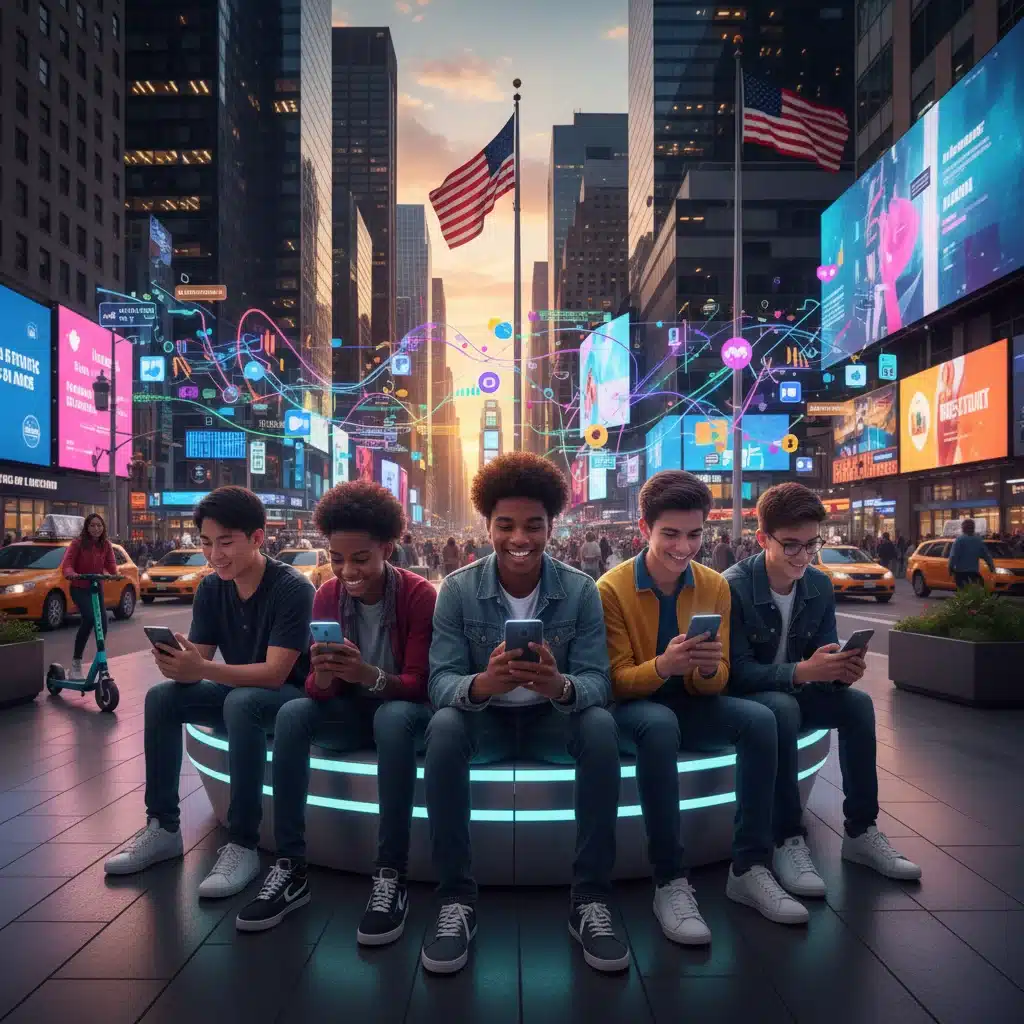
In the rapidly evolving landscape of consumer behavior, one demographic stands out as a seismic force shaping the future of commerce: Generation Z. Born roughly between 1997 and 2012, this cohort represents not just the largest generation, but also one with a distinct set of values, expectations, and digital fluency that demands a radical rethinking of traditional marketing strategies. As we approach 2026, understanding and adapting to Gen Z Marketing Trends in the US market is not merely an advantage; it’s a non-negotiable imperative for brands aiming for sustained relevance and growth.
Gen Z is not just digitally native; they are digitally fluent, having grown up with the internet, social media, and mobile technology as an extension of their daily lives. This intrinsic connection to the digital world means they process information differently, communicate uniquely, and make purchasing decisions based on criteria that often diverge from previous generations. They are hyper-aware, socially conscious, and demand authenticity and transparency from the brands they choose to engage with.
The economic power of Gen Z is also not to be underestimated. While many are still entering the workforce or are in their early career stages, their collective spending power, combined with their influence on household purchasing decisions, makes them a formidable market segment. By 2026, their economic impact will only continue to grow, solidifying their position as a primary target for virtually every industry.
This article delves deep into five crucial Gen Z Marketing Trends that US brands must embrace and adapt to in 2026. From the absolute necessity of authenticity and purpose-driven marketing to the rise of experiential commerce and the metaverse, we will explore the nuances of what it takes to connect with this powerful generation. Ignoring these trends is akin to navigating without a compass in a new world; understanding and integrating them into your strategy will be the beacon guiding your brand to success.
1. Authenticity and Purpose-Driven Marketing: Beyond Lip Service
One of the most defining characteristics of Gen Z is their unwavering demand for authenticity. They possess a finely tuned BS detector, honed by years of navigating curated online personas and marketing ploys. For brands, this means that surface-level attempts at appearing “woke” or socially conscious will not only fall flat but can actively backfire, leading to accusations of “woke-washing” and a significant loss of trust. In 2026, Gen Z Marketing Trends will heavily emphasize genuine commitment to values.
The Authenticity Imperative
Authenticity for Gen Z extends beyond honest advertising; it’s about a brand’s entire operation, from its supply chain ethics to its internal diversity policies. They want to see that a brand’s stated values are reflected in its actions, its leadership, and its impact on the world. This means:
- Transparency: Gen Z expects brands to be open about their processes, ingredients, labor practices, and even their mistakes. They value brands that admit imperfections and actively work to improve.
- Relatability: They connect with brands that feel human, not corporate. This often translates to using real people in campaigns, embracing imperfections, and speaking in a voice that resonates with their lived experiences, rather than an overly polished, aspirational tone.
- Consistency: Authenticity isn’t a one-off campaign; it’s a continuous commitment. Brands must consistently demonstrate their values across all touchpoints, from social media interactions to customer service.
Purpose-Driven Marketing: More Than a Trend
Gen Z is arguably the most socially conscious generation to date. Climate change, social justice, mental health, and equity are not abstract concepts but pressing realities that inform their worldview and, consequently, their purchasing decisions. Brands that fail to acknowledge and actively address these issues will find themselves increasingly irrelevant. Therefore, integrating purpose into the core of your brand strategy is a critical element of Gen Z Marketing Trends.
In 2026, purpose-driven marketing for Gen Z will involve:
- Taking a Stand: Brands are expected to have a clear stance on social and environmental issues. This doesn’t mean jumping on every bandwagon, but rather identifying causes that genuinely align with the brand’s mission and values, and then committing to them meaningfully.
- Tangible Impact: Gen Z wants to see action, not just statements. Brands need to demonstrate how they are contributing to positive change, whether through sustainable practices, ethical sourcing, community initiatives, or advocacy. Partnerships with non-profits and clear reporting on impact are highly valued.
- Shared Values: When a brand’s purpose aligns with a Gen Z consumer’s personal values, it fosters a deeper connection and loyalty that goes beyond product features or price points. This shared identity becomes a powerful differentiator.
For US brands, this means moving beyond generic CSR reports and into genuine, actionable initiatives that resonate with the causes Gen Z champions. Brands that can authentically weave their purpose into their narrative and operations will not only win over Gen Z consumers but also build a more resilient and respected brand for the long term.
2. The Rise of User-Generated Content (UGC) and Creator Economy
If authenticity is the bedrock, then user-generated content (UGC) and the broader creator economy are the architectural marvels built upon it. Gen Z trusts their peers, influencers, and micro-creators far more than traditional advertising. They actively seek out reviews, testimonials, and unfiltered content from real people before making purchasing decisions. This shift in trust mechanisms is a cornerstone of current Gen Z Marketing Trends.
UGC: The New Word-of-Mouth
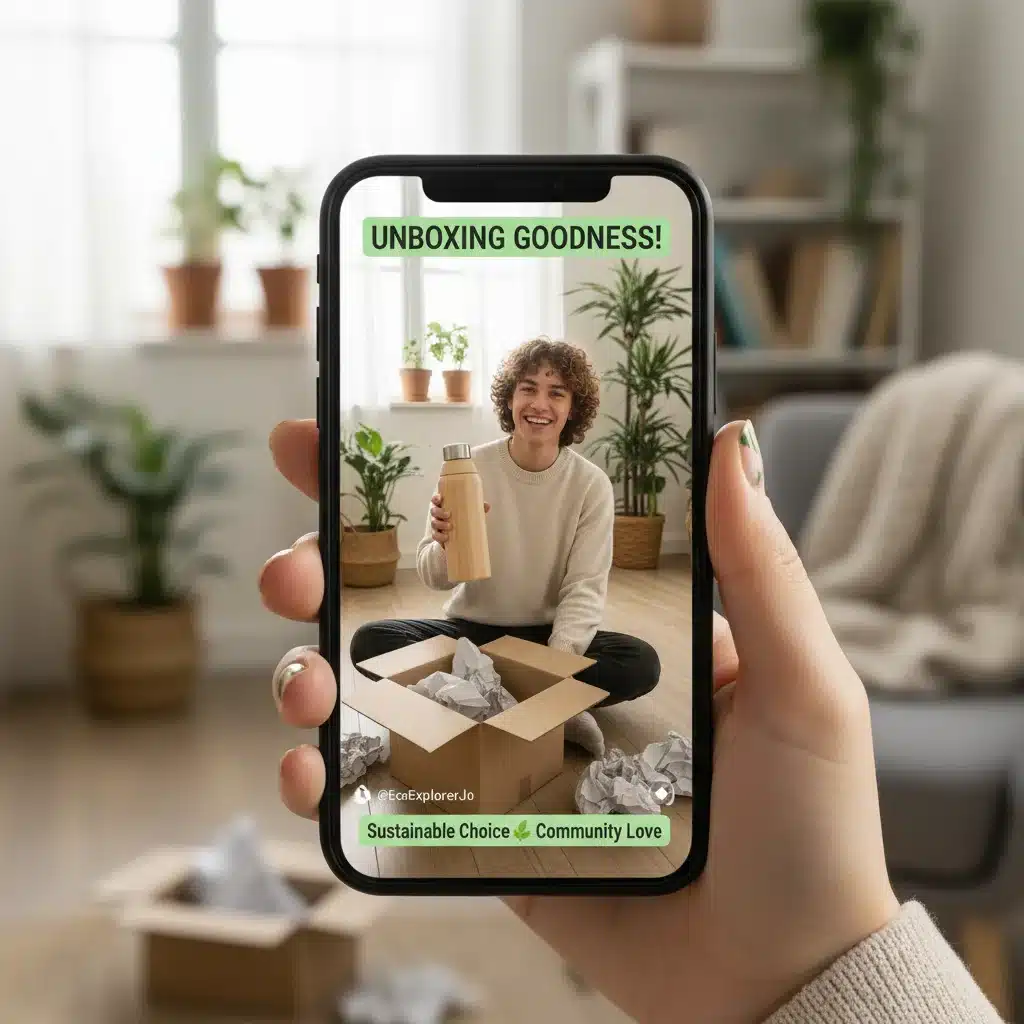
For Gen Z, UGC is the digital equivalent of word-of-mouth recommendations, but amplified and scaled. It’s perceived as more credible, relatable, and trustworthy than brand-produced content. In 2026, brands must actively encourage, curate, and integrate UGC into their marketing strategies. This involves:
- Contests and Challenges: Engaging Gen Z through creative contests that encourage them to produce content featuring your product or service. Platforms like TikTok and Instagram are prime venues for such initiatives.
- Community Hubs: Creating dedicated spaces (online forums, social groups) where users can share their experiences, tips, and content related to your brand. This fosters a sense of belonging and encourages organic UGC creation.
- Showcasing Real Customers: Featuring actual customer photos, videos, and reviews prominently on your website, social media, and even in advertising campaigns. This humanizes your brand and provides social proof.
- Product Reviews and Ratings: Making it exceptionally easy for customers to leave reviews and ratings, and actively responding to both positive and negative feedback demonstrates transparency and customer care.
The Creator Economy: From Influencers to Micro-Communities
The creator economy, driven by platforms like TikTok, YouTube, and Instagram, is profoundly influencing Gen Z’s consumption habits. However, the landscape is shifting from mega-influencers to a more diverse ecosystem of micro- and nano-influencers who boast highly engaged, niche communities. These creators are seen as more authentic and trustworthy due to their relatability and specialized content. Adapting to this shift is a key aspect of Gen Z Marketing Trends.
Effective engagement with the creator economy in 2026 will require:
- Strategic Creator Partnerships: Identifying creators whose values align with your brand and who genuinely resonate with your target Gen Z audience. Focus on long-term relationships rather than one-off campaigns.
- Empowering Co-Creation: Instead of simply dictating content, brands should empower creators to bring their unique voice and style to campaigns. This collaborative approach leads to more authentic and engaging content.
- Leveraging Niche Communities: Micro- and nano-influencers, while having smaller followings, often have significantly higher engagement rates and a more dedicated audience. Partnering with them allows for highly targeted and effective outreach.
- Exploring New Platforms: Beyond the established giants, brands should monitor emerging platforms where Gen Z is congregating and engaging with creators, such as Discord for community building or various live-streaming platforms.
By effectively harnessing UGC and strategically partnering with creators, US brands can tap into the powerful network of trust and authenticity that defines Gen Z’s digital world, making it a pivotal strategy within Gen Z Marketing Trends.
3. Experiential Commerce and Immersive Digital Interactions
Gen Z doesn’t just want to buy products; they want to experience brands. This desire for engagement goes beyond traditional advertising, pushing brands towards experiential commerce and immersive digital interactions. They seek memorable, interactive, and personalized encounters that blend the physical and digital worlds seamlessly. This emphasis on experience is a defining characteristic of evolving Gen Z Marketing Trends.
The Blurring Lines of Online and Offline Experience
For Gen Z, the distinction between online and offline is largely irrelevant. Their lives are a constant flux between both. Brands need to mirror this fluid reality by creating cohesive experiences that transcend channels. In 2026, this will involve:
- Pop-ups and Experiential Retail: Physical spaces that offer more than just shopping. Think interactive installations, workshops, brand activations, and opportunities for social media content creation. These aren’t just stores; they are destinations.
- Augmented Reality (AR) Shopping: AR tools that allow Gen Z to virtually try on clothes, place furniture in their homes, or visualize products in real-time. This reduces purchase anxiety and enhances engagement.
- Gamified Shopping Experiences: Integrating game-like elements into the shopping journey, such as loyalty programs with levels, challenges, or rewards for engagement, making the process more fun and interactive.
- Interactive Digital Content: Beyond static images and videos, brands should invest in quizzes, polls, interactive stories, and personalized content that invites active participation.
The Metaverse and Web3: A New Frontier for Engagement
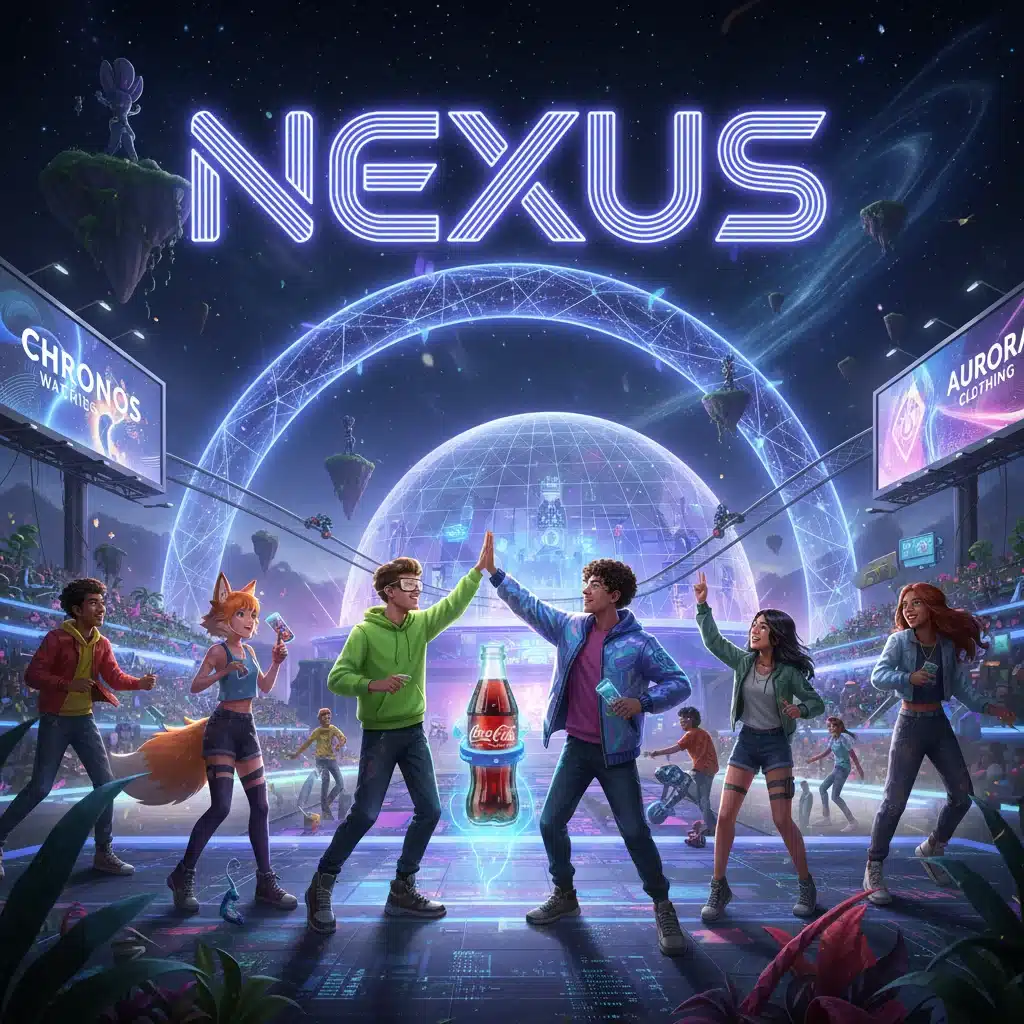
While still in its nascent stages, the metaverse and Web3 technologies represent a significant future frontier for experiential marketing, particularly for Gen Z. This generation is already comfortable with virtual worlds, digital avatars, and owning digital assets. By 2026, the metaverse will move beyond hype to become a tangible space for brands to connect with Gen Z in deeply immersive ways, driving crucial Gen Z Marketing Trends.
Brands looking to leverage this space should consider:
- Virtual Brand Stores and Experiences: Creating virtual storefronts, showrooms, or interactive brand experiences within popular metaverse platforms (e.g., Decentraland, Roblox, Fortnite). This allows Gen Z to explore products and engage with the brand in a novel, immersive environment.
- Digital Wearables and NFTs: Offering exclusive digital fashion, accessories, or collectibles (NFTs) that Gen Z can use to personalize their avatars in virtual worlds. This taps into their desire for self-expression and ownership within digital spaces.
- Metaverse Events and Concerts: Sponsoring or hosting virtual events, concerts, or meet-ups within the metaverse, providing unique, shared experiences that foster community and brand loyalty.
- Gaming Integrations: Collaborating with popular games to integrate brand elements, products, or quests, reaching Gen Z where they spend significant amounts of their leisure time.
The key is to approach these immersive opportunities with a focus on adding value and enhancing the Gen Z experience, rather than simply replicating traditional advertising. Brands that innovate in this space will be at the forefront of capturing Gen Z’s attention and loyalty in the coming years.
4. Hyper-Personalization and Data Privacy: A Delicate Balance
Gen Z simultaneously expects highly personalized experiences and demands stringent data privacy. This creates a fascinating paradox for marketers: how to gather enough data to personalize effectively while respecting their deep-seated concerns about privacy. Navigating this delicate balance will be a critical aspect of Gen Z Marketing Trends in 2026.
The Expectation of Personalization
Having grown up with algorithms curating their social feeds, music playlists, and shopping recommendations, Gen Z expects brands to understand their individual preferences and deliver tailored content, offers, and product suggestions. Generic, one-size-fits-all marketing messages are easily ignored. Personalization for Gen Z means:
- Relevant Content: Delivering content that directly speaks to their interests, values, and stage of life, rather than broad demographic targeting.
- Customized Product Recommendations: Using past browsing and purchase history to suggest products they are genuinely likely to be interested in.
- Personalized Communication: Addressing them by name, remembering their preferences, and communicating through their preferred channels (e.g., SMS, push notifications, specific social platforms).
- Dynamic Website Experiences: Websites that adapt content and layout based on individual user behavior and preferences.
The Demand for Data Privacy
Despite their desire for personalization, Gen Z is acutely aware of the implications of data collection. They are more likely than older generations to understand how their data is used and are highly concerned about privacy breaches and misuse. This means brands cannot simply collect data indiscriminately. In 2026, successful Gen Z Marketing Trends will incorporate:
- Transparent Data Practices: Clearly communicating what data is being collected, why it’s being collected, and how it will be used. Simple, easy-to-understand privacy policies are essential.
- Granular Consent: Giving Gen Z explicit control over what data they share and how it’s used. Opt-in mechanisms should be clear and easy to manage.
- Data Security: Investing in robust data security measures and being transparent about any breaches, along with the steps taken to rectify them.
- Value Exchange: Demonstrating a clear value proposition for sharing data. If sharing data leads to a genuinely better, more personalized experience, Gen Z is more likely to consent.
- First-Party Data Strategy: Reducing reliance on third-party cookies and building robust first-party data strategies where consent is directly obtained from the consumer.
Brands that can strike this delicate balance—offering hyper-personalized experiences while upholding the highest standards of data privacy and transparency—will build trust and loyalty with Gen Z. This approach is not just a regulatory necessity but a brand-building opportunity within the evolving Gen Z Marketing Trends.
5. Social Commerce and Seamless Shopping Journeys
For Gen Z, shopping is inherently social. They discover products on social media, seek peer validation, and often make purchases directly within their favorite platforms. The integration of commerce directly into social media experiences, known as social commerce, is not just a feature; it’s becoming the default shopping journey for many Gen Z consumers. This makes social commerce a cornerstone of future Gen Z Marketing Trends.
The Dominance of Social Discovery and Purchase
Unlike previous generations who might use social media for discovery and then switch to a separate e-commerce site for purchase, Gen Z expects a frictionless, end-to-end shopping experience within the social ecosystem. In 2026, US brands must optimize for:
- In-App Shopping: Utilizing features like Instagram Shopping, TikTok Shop, and Pinterest Product Pins that allow users to browse, add to cart, and purchase without leaving the app.
- Live Shopping: Hosting live video streams on social platforms where products are showcased, questions are answered in real-time, and purchases can be made instantly. This combines entertainment with impulse buying.
- Direct Messaging Commerce: Enabling customers to make purchases or receive personalized recommendations directly through direct messages (DMs) on platforms like Instagram or WhatsApp.
- Shoppable Content: Integrating product tags and links directly into videos, stories, and posts, making any piece of content a potential point of sale.
Frictionless and Instant Gratification
Gen Z has grown up in an era of instant gratification. Long loading times, complex checkout processes, or cumbersome navigation will lead to immediate abandonment. The expectation is for a seamless, intuitive, and fast shopping journey from discovery to delivery. To meet this demand, brands should focus on:
- Optimized Mobile Experience: Ensuring that all social commerce and e-commerce touchpoints are perfectly optimized for mobile devices, which is Gen Z’s primary mode of internet access.
- Simplified Checkout: Implementing one-click purchasing options, integrated payment solutions (e.g., Apple Pay, Google Pay), and minimal form filling.
- Fast Shipping and Easy Returns: Offering competitive shipping speeds and clear, hassle-free return policies. These are often non-negotiable for Gen Z.
- Personalized Offers and Notifications: Using data to provide timely, relevant offers and updates (e.g., abandoned cart reminders, restock alerts) through their preferred social channels.
By prioritizing social commerce and meticulously crafting frictionless shopping journeys, US brands can meet Gen Z where they are, transforming casual browsing into immediate purchases and building brand loyalty through convenience and ease. This is a crucial element of the evolving Gen Z Marketing Trends.
Conclusion: The Future is Gen Z-Driven
The landscape of marketing in the United States is undergoing a profound transformation, driven largely by the unique characteristics and expectations of Generation Z. As we look towards 2026, the five Gen Z Marketing Trends discussed—authenticity and purpose, user-generated content and the creator economy, experiential commerce and immersive digital interactions, hyper-personalization balanced with data privacy, and social commerce with seamless shopping journeys—are not merely suggestions; they are the fundamental pillars upon which successful brand strategies will be built.
For brands, the message is clear: passive observation is no longer an option. Active adaptation and proactive innovation are essential. This requires a deep understanding of Gen Z’s values, their digital habits, and their intrinsic demand for genuine connection and impact. It means moving beyond traditional advertising models and embracing a more integrated, interactive, and value-driven approach.
Investing in these trends isn’t just about capturing market share; it’s about future-proofing your brand. Gen Z’s influence will only continue to grow, setting new standards for how brands interact with all consumers. Those who master the art of marketing to this generation will not only thrive in 2026 but will also lay the groundwork for enduring success in the decades to come. The time to adapt to these pivotal Gen Z Marketing Trends is now.