Sustainable Tech 2026: US Companies Cut Energy 20% with New Hardware
Sustainable Tech in 2026: U.S. Companies Cutting Energy Consumption by 20% with New Hardware
The imperative to address climate change and reduce operational costs has driven a significant shift in corporate strategies across the United States. As we look towards 2026, a clear and ambitious target has emerged: a 20% reduction in energy consumption by US companies, primarily fueled by the adoption of new sustainable tech hardware. This isn’t just a lofty goal; it’s a tangible commitment being realized through innovative engineering, strategic investments, and a growing understanding of the profound impact that energy-efficient infrastructure can have on both the environment and the bottom line. The journey towards this 20% reduction is multifaceted, involving a range of technological advancements, policy incentives, and a cultural transformation within businesses. The focus on sustainable tech hardware is paramount, as it represents the foundational change required to achieve such ambitious energy-saving targets. This comprehensive article will delve into the critical role of sustainable tech hardware, examine the key technologies driving this transformation, explore the benefits and challenges, and provide a roadmap for companies aiming to be at the forefront of this green revolution.
The Urgency of Energy Reduction and the Rise of Sustainable Tech Hardware
The global energy landscape is undergoing a profound transformation, driven by concerns over climate change, resource depletion, and geopolitical instability. For businesses, escalating energy costs represent a direct hit to profitability, while environmental regulations and consumer demand for sustainable practices add further pressure. In this context, the adoption of sustainable tech hardware is no longer a niche consideration but a strategic imperative. US companies are recognizing that investing in energy-efficient equipment isn’t just about compliance or good public relations; it’s about building resilient, cost-effective, and future-proof operations.
The 20% energy reduction target by 2026 is ambitious but achievable, primarily because the technology is catching up with the demand. From advanced semiconductors that consume less power to intelligent building management systems that optimize energy use, the innovation in sustainable tech hardware is accelerating. This shift is also influenced by a growing awareness among corporate leaders that sustainability is a competitive advantage, attracting talent, investors, and customers who prioritize environmental responsibility. The push for greater energy efficiency is reshaping entire industries, from manufacturing and logistics to data centers and commercial real estate, all powered by a new generation of sustainable tech hardware solutions.
Key Technologies Driving Sustainable Tech Hardware Innovation
Achieving a 20% energy reduction necessitates a comprehensive approach, with several key sustainable tech hardware categories leading the charge. These innovations are not standalone solutions but often work in concert to create highly optimized and energy-efficient ecosystems.
Advanced Processors and Computing Architectures
The heart of modern technology, processors, are undergoing a revolution in energy efficiency. Chip manufacturers are designing next-generation CPUs and GPUs that deliver significantly more performance per watt. This includes:
- Low-Power Silicon: Utilizing smaller fabrication processes (e.g., 3nm, 2nm) reduces power leakage and allows for more transistors in a smaller footprint, leading to greater efficiency.
- ARM-based Servers: Traditionally dominant in mobile, ARM architecture is making significant inroads into data centers, offering superior energy efficiency compared to traditional x86 architectures for certain workloads.
- Specialized AI Accelerators: Custom hardware designed specifically for AI and machine learning tasks can perform these computations with far less energy than general-purpose CPUs or even GPUs.
- Edge Computing Hardware: Processing data closer to the source reduces the need for constant data transmission to centralized clouds, thereby cutting energy consumption associated with network infrastructure.
Efficient Data Center Infrastructure
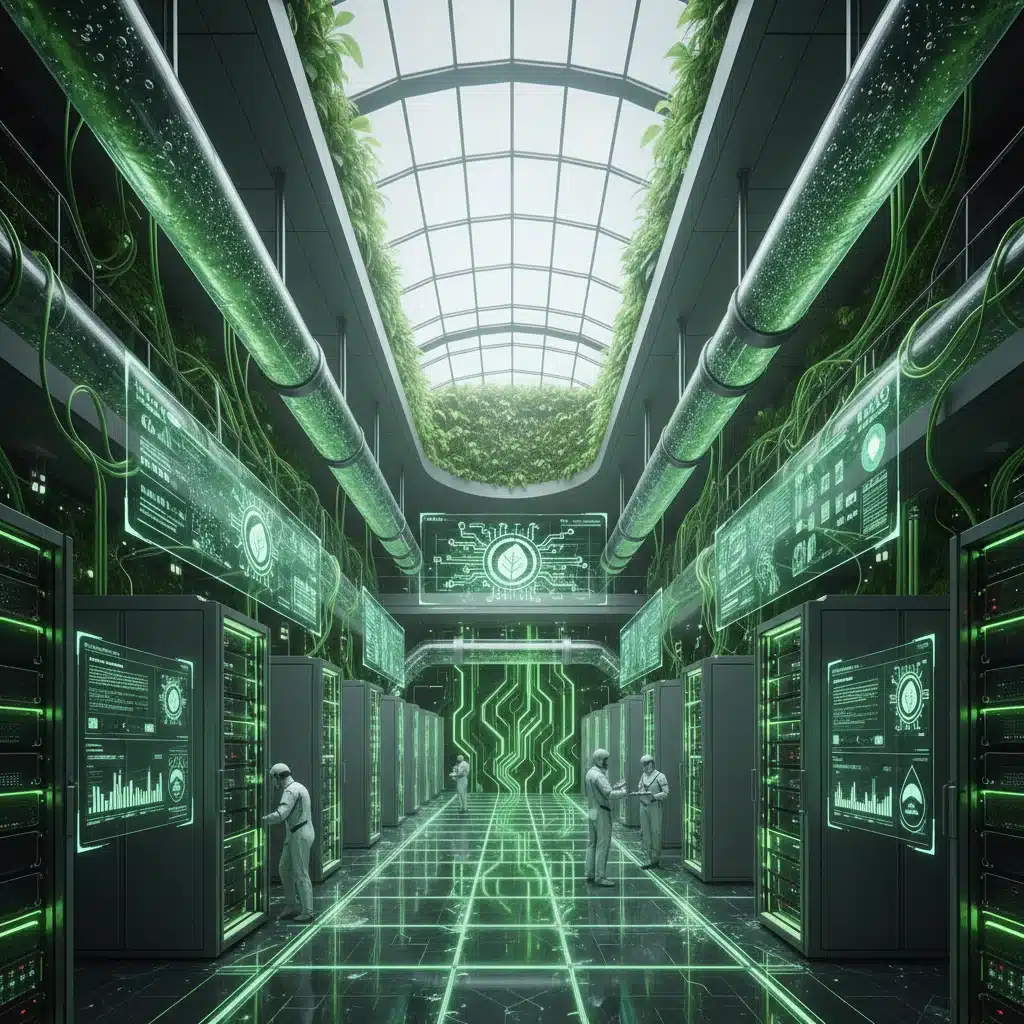
Data centers are notorious energy guzzlers. However, new sustainable tech hardware is transforming their environmental footprint:
- Liquid Cooling Systems: Moving beyond traditional air cooling, liquid cooling (both direct-to-chip and immersion cooling) is significantly more efficient at dissipating heat, reducing the energy required for cooling by up to 50%.
- Modular and Containerized Data Centers: These allow for more precise control over environmental conditions and can be deployed closer to demand, optimizing energy use and reducing transmission losses.
- High-Efficiency Power Supplies (HVDC): Upgrading to higher-efficiency power supply units (PSUs) and utilizing High-Voltage Direct Current (HVDC) distribution within data centers minimizes energy conversion losses.
- Smart Rack and Server Designs: Optimizing airflow within server racks and using servers designed for specific workloads can dramatically improve cooling efficiency and reduce overall power draw.
Smart Building and IoT Devices
Beyond the data center, commercial and industrial buildings are ripe for energy savings through sustainable tech hardware:
- Intelligent Lighting Systems: LED lighting combined with occupancy sensors, daylight harvesting, and smart controls can reduce lighting energy consumption by 50-70%.
- Smart HVAC Controls: AI-powered thermostats and building management systems (BMS) learn usage patterns, predict optimal heating/cooling, and integrate with external weather data to minimize energy waste.
- IoT Sensors for Resource Monitoring: Sensors that track everything from electricity consumption to water usage and air quality provide granular data, enabling businesses to identify and address inefficiencies in real-time.
- Dynamic Window Shading and Glazing: Automated shades and smart glass can control solar heat gain and loss, significantly impacting HVAC loads.
Renewable Energy Integration Hardware
While not directly reducing consumption, integrating renewable energy sources directly into a company’s infrastructure through specific hardware is crucial for reducing reliance on fossil fuels:
- On-site Solar Panels and Microgrids: Companies are installing solar PV arrays on their rooftops and developing microgrids to generate and manage their own clean energy.
- Battery Storage Systems: Advanced battery hardware allows businesses to store excess renewable energy and use it during peak demand or when renewable generation is low, optimizing energy costs and grid stability.
Benefits of Adopting Sustainable Tech Hardware
The drive towards sustainable tech hardware is not merely an act of corporate social responsibility; it offers a multitude of tangible benefits that directly impact a company’s financial health, operational efficiency, and market standing.
Significant Cost Savings
The most immediate and compelling benefit is the reduction in operational expenses. Lower energy consumption directly translates to lower utility bills. As energy prices continue to fluctuate and generally trend upwards, these savings become increasingly substantial over time. Furthermore, many governments and local authorities offer tax incentives, grants, and rebates for companies investing in energy-efficient hardware, further sweetening the deal. The initial investment in new sustainable tech hardware can often be offset by these savings and incentives within a relatively short payback period.
Enhanced Operational Efficiency and Performance
Modern sustainable tech hardware is often designed with efficiency at its core, leading to improved performance. For instance, newer, more efficient servers can handle more workloads with less power, reducing the need for costly expansions. Smart building systems automate environmental controls, reducing human error and optimizing conditions for productivity and comfort. Less heat generation from efficient hardware also means less strain on cooling systems, extending the lifespan of equipment and reducing maintenance costs.
Reduced Environmental Footprint
Achieving a 20% reduction in energy consumption directly contributes to a smaller carbon footprint. This helps companies meet sustainability targets, comply with environmental regulations, and contribute positively to global efforts against climate change. A reduced environmental impact resonates with environmentally conscious consumers and investors, enhancing brand reputation and attracting a broader customer base.
Improved Brand Image and Competitive Advantage
In today’s market, sustainability is a powerful differentiator. Companies that visibly commit to reducing their environmental impact through the adoption of sustainable tech hardware gain a significant competitive edge. This can lead to increased customer loyalty, attract top talent who prioritize working for responsible organizations, and open doors to new business opportunities with partners who share similar values. A strong sustainability narrative can also improve investor relations, as Environmental, Social, and Governance (ESG) factors become increasingly important in investment decisions.
Increased Resilience and Future-Proofing
By reducing reliance on external energy grids and diversifying energy sources (e.g., through on-site renewables and battery storage), companies enhance their operational resilience against power outages and energy price volatility. Investing in cutting-edge sustainable tech hardware also positions companies at the forefront of technological advancement, making them more adaptable to future regulatory changes and market demands for green solutions.
Challenges and Considerations for Implementation
While the benefits of adopting sustainable tech hardware are compelling, the transition is not without its challenges. Companies must navigate several hurdles to successfully implement these technologies and achieve their energy reduction goals.
Initial Investment Costs
One of the primary barriers is the upfront capital expenditure required to purchase and install new sustainable tech hardware. While the long-term savings are significant, securing the initial funding can be a challenge, especially for smaller businesses. Companies need to conduct thorough cost-benefit analyses, factoring in potential rebates, tax credits, and the long-term operational savings to build a strong business case for investment.
Complexity of Integration
Integrating new sustainable tech hardware into existing IT infrastructure and building management systems can be complex. Legacy systems may not be compatible with newer, more advanced hardware, requiring significant upgrades or even complete overhauls. This often necessitates specialized expertise in system integration, data migration, and network architecture, adding to the project’s complexity and cost.
Lack of Awareness and Expertise
Many businesses may not be fully aware of the range of sustainable tech hardware options available or lack the in-house expertise to evaluate, implement, and manage these systems effectively. This knowledge gap can slow down adoption rates. Investing in training for existing staff or hiring new talent with expertise in green technology and energy management is crucial for successful implementation.
Vendor Lock-in and Standardization Issues
The rapidly evolving nature of sustainable tech hardware can lead to concerns about vendor lock-in, where companies become overly reliant on a single provider for their solutions. Lack of industry-wide standardization can also create interoperability issues between different hardware components and software platforms. Companies should prioritize open standards and solutions that offer flexibility and scalability.
Data Security and Privacy Concerns
As more smart devices and IoT sensors are deployed, collecting vast amounts of operational data, concerns around data security and privacy become paramount. Businesses must ensure that their sustainable tech hardware solutions are robustly secured against cyber threats and that data collection practices comply with relevant privacy regulations.
Case Studies: US Companies Leading the Way
Across the United States, numerous companies are already demonstrating the efficacy of investing in sustainable tech hardware to achieve significant energy reductions. These trailblazers offer valuable insights and blueprints for others looking to follow suit.
Tech Giant’s Data Center Transformation
A prominent US tech company, known for its vast global data center footprint, embarked on an aggressive strategy to reduce its energy consumption. By implementing advanced liquid cooling systems, optimizing server architectures with custom low-power chips, and migrating to 100% renewable energy sources for its operations, the company reported a 30% reduction in PUE (Power Usage Effectiveness) across its new facilities. This translates to billions of watts saved annually, driven directly by investments in cutting-edge sustainable tech hardware.
Retail Chain’s Smart Store Initiative
A major national retail chain initiated a ‘Smart Store’ program, retrofitting thousands of its locations with intelligent lighting systems, AI-powered HVAC controls, and IoT sensors for real-time energy monitoring. The deployment of this network of sustainable tech hardware led to an average 25% reduction in electricity consumption per store. Beyond energy savings, the improved climate control and lighting also enhanced the customer experience and reduced product spoilage.
Manufacturing Plant’s Industrial IoT Upgrade
An automotive manufacturing plant in the Midwest upgraded its production lines with industrial IoT (IIoT) sensors and energy-efficient robotics. These new pieces of sustainable tech hardware allowed for granular monitoring of machine energy consumption and predictive maintenance, reducing downtime and optimizing operational schedules to avoid peak energy pricing. The result was a 22% reduction in overall plant energy usage within two years, alongside increased production efficiency.
The Road to 2026: A Strategic Roadmap
For US companies aiming to achieve or exceed the 20% energy reduction target by 2026 through sustainable tech hardware, a strategic, phased approach is essential. This roadmap outlines key steps:
1. Conduct a Comprehensive Energy Audit
Before any investment, understand your current energy consumption baseline. Identify major energy consumers, peak usage times, and areas of inefficiency. This audit will provide the data needed to prioritize sustainable tech hardware investments where they will have the greatest impact.
2. Develop a Phased Implementation Plan
Instead of a ‘big bang’ approach, plan for phased implementation. Start with high-impact, lower-cost sustainable tech hardware upgrades (e.g., LED lighting, smart thermostats) and use the savings generated to fund larger projects like data center overhauls or renewable energy installations. This approach manages risk and demonstrates early successes.
3. Invest in Modern Sustainable Tech Hardware
Prioritize hardware that offers verifiable energy efficiency improvements. This includes everything from new servers and network equipment to smart sensors, building management systems, and renewable energy components. Look for certifications (e.g., Energy Star, LEED) and robust performance metrics.
4. Leverage Data Analytics and AI
Deploy software platforms that can collect and analyze data from your new sustainable tech hardware. AI and machine learning algorithms can identify patterns, predict energy needs, and automate adjustments to optimize energy consumption in real-time, maximizing the benefits of your hardware investments.
5. Foster a Culture of Energy Awareness
Technology alone isn’t enough. Educate employees on energy-saving practices and the importance of the new sustainable tech hardware. Encourage participation and provide feedback on energy reduction progress to maintain momentum and ensure behavioral changes complement technological advancements.
6. Explore Financial Incentives and Partnerships
Actively research and apply for government grants, tax credits, and utility company rebates for sustainable tech hardware investments. Consider partnering with energy service companies (ESCOs) that can provide financing and expertise for large-scale energy efficiency projects.
7. Monitor, Measure, and Optimize Continuously
Energy reduction is an ongoing process. Continuously monitor energy consumption, measure the impact of your sustainable tech hardware upgrades, and use this data to identify further optimization opportunities. Regular maintenance and software updates for smart systems are also crucial to ensure peak performance.
The Future of Sustainable Tech Hardware
Looking beyond 2026, the evolution of sustainable tech hardware will continue at an accelerated pace. We can anticipate even more integrated and intelligent systems, driven by advancements in:
- Material Science: Development of new, more sustainable and energy-efficient materials for hardware components, reducing embedded carbon.
- Quantum Computing: While still nascent, quantum computing promises to solve complex problems with potentially far less energy than classical supercomputers.
- Biomimicry in Design: Hardware designs inspired by natural processes, leading to self-cooling systems or more efficient energy harvesting.
- Circular Economy Principles: Hardware designed for longevity, repairability, and easy recycling, minimizing waste and resource consumption throughout its lifecycle.
The convergence of artificial intelligence, advanced robotics, and novel materials will unlock new frontiers in energy efficiency, making the vision of a truly sustainable technological infrastructure a reality. The 20% energy reduction target by 2026 is merely a stepping stone on a longer, more transformative journey.
Conclusion
The commitment by US companies to cut energy consumption by 20% by 2026 is a testament to the growing recognition of both environmental responsibility and economic pragmatism. The backbone of this ambitious goal is the relentless innovation and strategic adoption of sustainable tech hardware. From advanced processors and efficient data center infrastructure to smart building systems and integrated renewables, these technologies are fundamentally reshaping how businesses operate.
While challenges such as initial investment and integration complexity exist, the overwhelming benefits of cost savings, enhanced efficiency, improved brand image, and increased resilience make the transition to sustainable tech hardware an undeniable imperative. Companies that embrace this shift are not just contributing to a greener planet; they are future-proofing their operations and positioning themselves as leaders in a rapidly evolving, sustainability-driven global economy. The journey to 2026 is well underway, and with continued innovation and strategic investment in sustainable tech hardware, the vision of a significantly more energy-efficient corporate landscape is firmly within reach.