Sustainable Business Practices US: 20% Cost Reduction by 2027

In an era defined by increasing environmental awareness and economic volatility, the convergence of sustainability and profitability has become a paramount concern for businesses worldwide. For US companies, embracing sustainable business practices is no longer just a moral imperative but a strategic necessity, offering a clear path to significant operational cost reductions. Our ambitious target? To demonstrate how US businesses can realistically achieve a 20% reduction in operational costs by 2027 through dedicated sustainability initiatives.
The journey towards a more sustainable and cost-efficient operation requires a holistic approach, integrating environmental, social, and governance (ESG) considerations into every facet of a business. This article will delve into actionable strategies, highlight the tangible benefits, and provide a roadmap for companies aiming to not only shrink their carbon footprint but also significantly boost their bottom line.
The Imperative for Sustainable Business Practices in the US
The landscape for US businesses is rapidly evolving. Consumers are increasingly demanding eco-friendly products and services, investors are scrutinizing ESG performance, and regulatory pressures are mounting. Ignoring these trends is not an option; embracing them can unlock unprecedented opportunities for innovation, market differentiation, and, critically, cost savings. Sustainable business practices move beyond mere compliance, fostering a culture of efficiency and responsibility that reaps long-term rewards.
Understanding the Interplay Between Sustainability and Cost Reduction
At first glance, sustainability initiatives might appear to be an added expense. However, a closer examination reveals that many sustainable practices are inherently designed to reduce waste, optimize resource consumption, and improve operational efficiency – all direct drivers of cost reduction. From energy efficiency upgrades to waste reduction programs and optimized supply chains, the financial benefits of sustainability are profound and multifaceted.
Achieving a 20% operational cost reduction by 2027 is an ambitious yet attainable goal. It requires a strategic commitment from leadership, a thorough understanding of current operational inefficiencies, and a willingness to invest in transformative changes. The following sections will outline key areas where US businesses can focus their efforts to achieve this target.
Pillar 1: Energy Efficiency and Renewable Energy Integration
Energy costs represent a significant portion of operational expenses for many businesses. Transitioning to more efficient energy consumption patterns and integrating renewable energy sources offers one of the most direct routes to cost reduction and enhanced sustainability. This pillar is fundamental to any strategy focused on sustainable business practices.
Optimizing Energy Consumption
- LED Lighting Upgrades: Replacing traditional incandescent or fluorescent lighting with LED technology can reduce lighting energy consumption by 50-80%. The long lifespan of LEDs also reduces maintenance and replacement costs.
- HVAC System Modernization: Upgrading to high-efficiency HVAC systems, implementing smart thermostats, and conducting regular maintenance can significantly cut heating and cooling expenses. Building insulation improvements also play a crucial role.
- Energy Management Systems (EMS): Implementing an EMS allows businesses to monitor, control, and optimize energy usage across their facilities in real-time. These systems can identify inefficiencies and automate energy-saving measures.
- Behavioral Changes: Encouraging employees to turn off lights and equipment when not in use, and promoting energy-conscious habits, can lead to measurable savings without significant capital investment.
Embracing Renewable Energy
- On-site Solar Power: Installing solar panels on rooftops or unused land can generate clean electricity, reducing reliance on the grid and hedging against rising energy prices. Federal and state incentives often make these investments more attractive.
- Power Purchase Agreements (PPAs): For businesses unable to install on-site renewables, PPAs allow them to purchase clean energy directly from renewable energy developers, often at a fixed, lower rate than traditional utility providers.
- Green Energy Tariffs: Many utility companies offer green energy tariffs, allowing businesses to source a percentage of their electricity from renewable sources without on-site installation.
The initial investment in energy efficiency and renewables can be substantial, but the payback periods are often short, and the long-term savings are significant. Furthermore, these initiatives enhance a company’s public image and demonstrate a commitment to sustainable business practices.
Pillar 2: Waste Reduction and Circular Economy Principles
Waste generation is a hidden cost center for many businesses, encompassing not only disposal fees but also the cost of raw materials that are discarded. Adopting circular economy principles – designing out waste and pollution, keeping products and materials in use, and regenerating natural systems – is a powerful strategy for cost reduction and a cornerstone of sustainable business practices.
Strategies for Waste Minimization
- Reduce, Reuse, Recycle (The 3 Rs): This foundational principle remains highly effective.
- Reduction: Prioritize reducing material consumption at the source. This could involve negotiating with suppliers for minimal packaging, digitizing documents, or optimizing product design to use fewer materials.
- Reuse: Implement programs for reusing materials, components, or entire products. This could range from reusable shipping containers to refurbished IT equipment.
- Recycle: Establish comprehensive recycling programs for all waste streams, including office paper, plastics, metals, and electronics. Explore opportunities for upcycling where possible.
- Composting Organic Waste: For businesses with significant organic waste (e.g., food service, landscaping), composting can divert waste from landfills, reduce disposal costs, and even create valuable soil amendments.
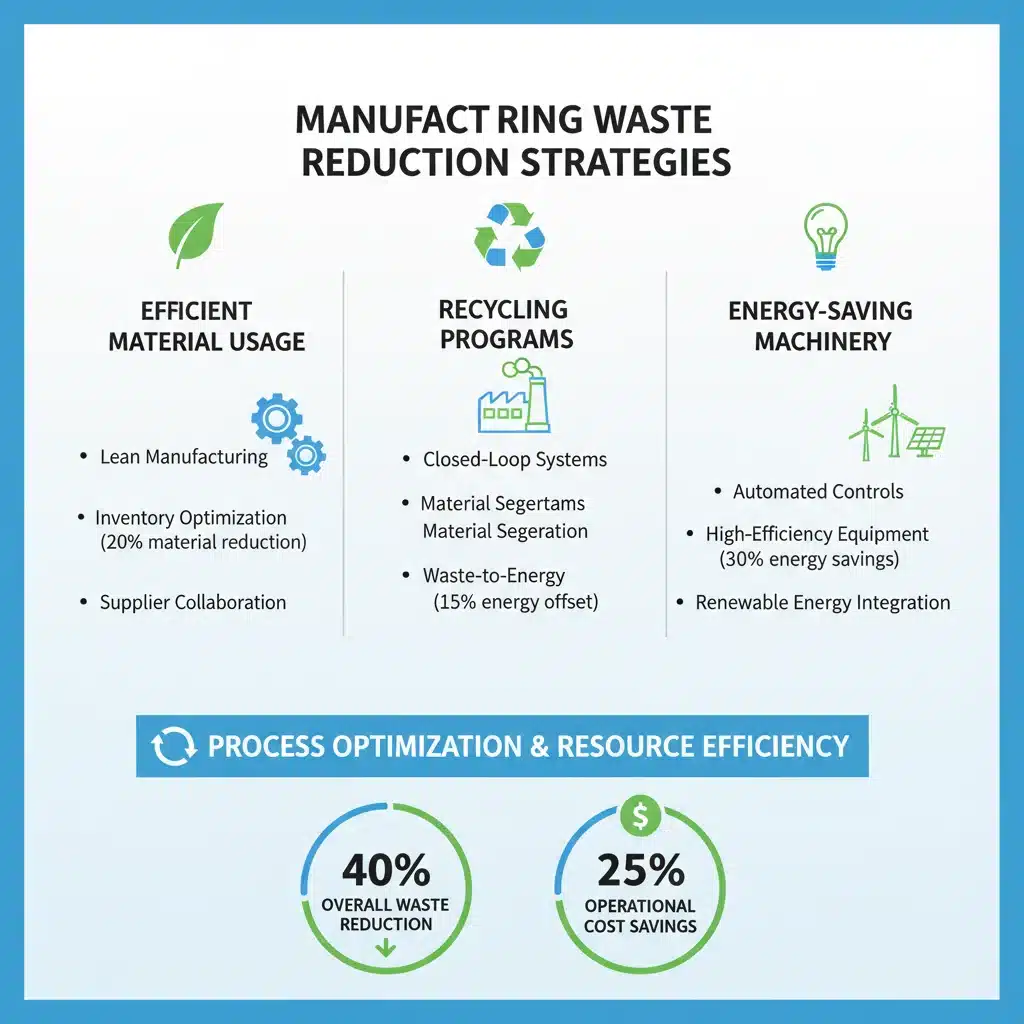
- Lean Manufacturing and Operations: Applying lean principles to identify and eliminate waste in production processes can lead to significant savings in materials, energy, and labor.
Embracing the Circular Economy
The circular economy goes beyond the 3 Rs, advocating for a systemic shift in how products are designed, produced, and consumed. For businesses, this means:
- Product-as-a-Service Models: Instead of selling products, companies can offer them as a service, retaining ownership and responsibility for their end-of-life. This incentivizes durable, repairable designs and creates new revenue streams.
- Material Flow Optimization: Collaborating with suppliers and customers to create closed-loop systems where materials are continuously cycled back into production, minimizing the need for virgin resources.
- Industrial Symbiosis: Partnering with other businesses to exchange waste products as resources. For example, one company’s waste heat could be another’s energy source.
Implementing these sustainable business practices in waste management not only reduces direct costs but also enhances resource security and fosters innovation.
Pillar 3: Sustainable Supply Chain Management
The supply chain is often the largest source of a company’s environmental footprint and, consequently, a significant area for cost optimization. A sustainable supply chain focuses on minimizing environmental and social impacts while maximizing efficiency and resilience. This is a critical component of truly comprehensive sustainable business practices.
Optimizing Logistics and Transportation
- Route Optimization: Using advanced software to plan the most efficient delivery routes can reduce fuel consumption, vehicle wear and tear, and labor costs.
- Fleet Modernization: Investing in more fuel-efficient vehicles, electric vehicles (EVs), or alternative fuel vehicles can significantly lower transportation costs and emissions.
- Consolidation and Backhauling: Consolidating shipments and utilizing backhauling (filling empty return trips) maximizes vehicle capacity and reduces the number of trips.
- Local Sourcing: Sourcing materials and products locally reduces transportation distances, supports local economies, and often allows for greater oversight of supplier practices.
Ethical Sourcing and Supplier Engagement
- Supplier Audits: Regularly auditing suppliers for their environmental and social performance ensures compliance with sustainability standards and identifies areas for improvement.
- Collaborative Sustainability Initiatives: Working with suppliers to implement sustainable practices, such as waste reduction, water conservation, or renewable energy adoption, can create shared value and strengthen partnerships.
- Lifecycle Assessment (LCA): Conducting LCAs of products and materials helps identify environmental hotspots throughout the supply chain, guiding decisions towards more sustainable alternatives.
A sustainable supply chain not only reduces operational costs associated with logistics and materials but also mitigates risks, enhances brand reputation, and builds stronger, more resilient relationships with partners.
Pillar 4: Water Conservation and Management
Water is a finite and increasingly valuable resource. For many industries, water usage represents a significant operational expense and a potential environmental risk. Implementing effective water conservation and management strategies is a key aspect of sustainable business practices.
Reducing Water Consumption
- Water-Efficient Fixtures: Installing low-flow toilets, faucets, and showerheads in commercial buildings can drastically reduce water usage.
- Smart Irrigation Systems: For businesses with landscaping, smart irrigation systems that adjust watering based on weather conditions and soil moisture can save substantial amounts of water.
- Process Optimization: In manufacturing and industrial settings, identifying and optimizing water-intensive processes, such as cooling systems or cleaning operations, can lead to significant reductions. This might involve closed-loop systems or water recycling.
- Leak Detection and Repair: Regular audits to detect and repair leaks in plumbing and industrial systems can prevent considerable water waste and associated costs.
Water Recycling and Reuse
- Greywater Systems: Treating and reusing greywater (from sinks, showers, and laundry) for non-potable purposes like irrigation or toilet flushing can reduce demand for fresh water.
- Industrial Water Treatment: Implementing advanced water treatment technologies allows businesses to purify and reuse process water, minimizing discharge and fresh water intake.
By prioritizing water conservation, businesses not only reduce utility bills but also demonstrate responsible stewardship of a critical natural resource, aligning with broader sustainable business practices goals.
Pillar 5: Employee Engagement and Green Workplace Initiatives
Employees are a company’s greatest asset, and their engagement is crucial for the successful implementation of sustainable business practices. A green workplace fosters a culture of sustainability that can lead to innovation, increased productivity, and further cost reductions.
Fostering a Culture of Sustainability
- Education and Training: Providing employees with training on sustainability issues and how their roles contribute to the company’s green goals can empower them to identify and implement sustainable solutions.
- Green Teams: Establishing employee-led green teams can drive initiatives, promote awareness, and foster a sense of collective responsibility.
- Incentives and Recognition: Recognizing and rewarding employees for their contributions to sustainability initiatives can motivate further engagement.
Workplace Efficiency and Wellbeing
- Flexible Work Arrangements: Promoting remote work or flexible schedules can reduce commuting emissions and energy consumption in the office.
- Sustainable Commuting Programs: Encouraging carpooling, public transport, cycling, or providing EV charging stations can reduce the environmental impact of employee commutes.
- Healthy Indoor Environment: Investing in good air quality, natural light, and green spaces can improve employee health, morale, and productivity, potentially reducing sick days and increasing efficiency.

Engaged employees who are committed to sustainable business practices are more likely to identify innovative solutions, reduce waste, and contribute to a more efficient and profitable operation.
Measuring Progress and Achieving the 20% Cost Reduction by 2027
Setting an ambitious goal like a 20% operational cost reduction by 2027 through sustainable business practices requires robust measurement and reporting mechanisms. Without clear metrics, it’s impossible to track progress, identify areas for improvement, and demonstrate success.
Key Performance Indicators (KPIs) for Sustainability and Cost
- Energy Consumption (kWh/unit of production or square foot): Tracks efficiency of energy use.
- Water Consumption (gallons/unit of production or employee): Monitors water efficiency.
- Waste Diversion Rate (% of waste recycled/composted): Measures effectiveness of waste reduction programs.
- GHG Emissions (Scope 1, 2, and 3): Quantifies carbon footprint and tracks reductions.
- Raw Material Usage (weight/cost per unit of production): Indicates material efficiency.
- Transportation Costs (per unit shipped or mile): Reflects supply chain efficiency.
- Employee Engagement Scores related to sustainability: Gauges internal buy-in.
Establishing Baseline and Targets
Before implementing any initiatives, it is crucial to establish a clear baseline of current operational costs and environmental performance. This baseline will serve as the benchmark against which all future progress is measured. Specific, measurable, achievable, relevant, and time-bound (SMART) targets should be set for each KPI, aligning with the overall 20% cost reduction goal.
Regular Reporting and Review
Regularly reviewing performance against targets is essential. This allows businesses to adapt strategies, celebrate successes, and address challenges proactively. Transparent reporting, both internally and externally, builds trust with stakeholders and reinforces the company’s commitment to sustainable business practices.
The 20% target is achievable through a combination of strategic investments, process optimizations, and a cultural shift towards sustainability. It’s not about making sacrifices; it’s about making smarter, more efficient choices that benefit both the planet and the profit margin.
The Broader Benefits of Sustainable Business Practices
Beyond direct cost savings, adopting sustainable business practices yields a wealth of other advantages that contribute to long-term business resilience and success:
- Enhanced Brand Reputation and Customer Loyalty: Consumers are increasingly loyal to brands that demonstrate environmental responsibility.
- Attracting and Retaining Talent: Employees, particularly younger generations, prefer to work for companies with strong sustainability commitments.
- Access to Capital and Investor Confidence: ESG performance is a growing factor for investors, leading to lower cost of capital and increased investment.
- Regulatory Compliance and Risk Mitigation: Proactive sustainability efforts can help companies stay ahead of evolving environmental regulations, reducing the risk of fines and legal issues.
- Innovation and Competitive Advantage: The pursuit of sustainability often sparks innovation, leading to new products, services, and business models that differentiate a company in the market.
- Improved Resource Security: Reducing reliance on finite resources and diversifying supply chains enhances operational resilience against resource scarcity and price volatility.
These intangible benefits often translate into tangible financial gains over time, reinforcing the business case for integrating sustainable business practices deeply into corporate strategy.
Challenges and How to Overcome Them
While the benefits are clear, the path to achieving a 20% cost reduction through sustainability is not without its challenges. Common hurdles include:
- Initial Investment Costs: Many sustainability initiatives require upfront capital.
- Lack of Internal Expertise: Companies may lack the knowledge to implement complex sustainability programs.
- Resistance to Change: Employees and management may be hesitant to alter established processes.
- Measuring ROI: Quantifying the financial returns of sustainability can sometimes be complex.
Overcoming these challenges requires:
- Strong Leadership Commitment: Top-down support is crucial for driving change and allocating resources.
- Phased Implementation: Starting with smaller, high-impact projects can build momentum and demonstrate early successes.
- External Partnerships: Collaborating with sustainability consultants, technology providers, and industry peers can bring in expertise and best practices.
- Clear Communication: Articulating the financial and environmental benefits to all stakeholders can build buy-in and overcome resistance.
- Utilizing Available Incentives: Leveraging government grants, tax credits, and financing options for green investments can significantly reduce upfront costs.
Conclusion: A Sustainable and Profitable Future for US Businesses
The goal of achieving a 20% reduction in operational costs by 2027 through sustainable business practices is ambitious but entirely within reach for US businesses. By strategically focusing on energy efficiency, waste reduction and circularity, sustainable supply chains, water conservation, and strong employee engagement, companies can unlock significant financial savings while simultaneously building a more resilient, responsible, and reputable enterprise.
This is not merely about compliance or corporate social responsibility; it is about smart business. The companies that proactively integrate sustainability into their core operations today will be the leaders of tomorrow, reaping the rewards of increased efficiency, reduced costs, enhanced brand value, and a positive impact on the planet. The time to embrace sustainable business practices is now, paving the way for a more prosperous and sustainable future for all.