Chronic pain affects millions of Americans, significantly impacting their quality of life, productivity, and overall well-being. For decades, opioids were a cornerstone of pain management, offering powerful relief but often at the steep cost of addiction, overdose, and severe side effects. The ongoing opioid crisis has spurred an urgent demand for safer, more sustainable alternatives. Fortunately, the medical community has responded with remarkable innovation, leading to a surge in non-opioid pain therapies that are not only effective but also prioritize patient safety and long-term health. This year, several groundbreaking approaches are gaining significant traction in the United States, offering renewed hope to those living with persistent pain.
The paradigm shift towards non-opioid pain therapies is driven by a deeper understanding of pain mechanisms, advancements in technology, and a commitment to holistic patient care. These therapies range from sophisticated implantable devices to cutting-edge biological treatments and digitally-delivered interventions. They aim to address the root causes of pain, modify pain signals, or empower patients with tools for self-management, all while minimizing the risks associated with traditional pharmacological approaches. In this comprehensive article, we will delve into three of the most promising non-opioid pain therapies that are making a significant impact across the US, exploring their mechanisms, benefits, and what the future holds for chronic pain management.
The Urgent Need for Non-Opioid Pain Therapies
Before we explore the innovations, it’s crucial to understand why the shift to non-opioid pain therapies is so vital. Chronic pain is defined as pain that lasts for more than three months, often persisting even after the initial injury or illness has healed. It’s a complex condition influenced by biological, psychological, and social factors. The prevalence is staggering; estimates suggest that up to 20-30% of adults in the US experience chronic pain. This translates to immense suffering, reduced functional capacity, and a substantial economic burden on healthcare systems.
For too long, opioids were the go-to solution for moderate to severe chronic pain. While undeniably potent, their long-term use is fraught with challenges. Tolerance often develops, requiring higher doses to achieve the same effect, which increases the risk of dependence and addiction. The opioid crisis has underscored the devastating societal consequences, including hundreds of thousands of overdose deaths and widespread public health emergencies. This grim reality has galvanized researchers and clinicians to earnestly seek out and develop effective non-opioid pain therapies that can provide relief without creating new problems.
Furthermore, opioids come with a host of undesirable side effects, including constipation, nausea, sedation, and cognitive impairment, all of which further diminish a patient’s quality of life. The move towards non-opioid pain therapies is not just about avoiding addiction; it’s about providing a more sustainable, holistic, and less debilitating approach to pain management that allows individuals to regain function, improve their mood, and participate fully in their lives.
1. Neuromodulation: Rewiring Pain Signals for Lasting Relief
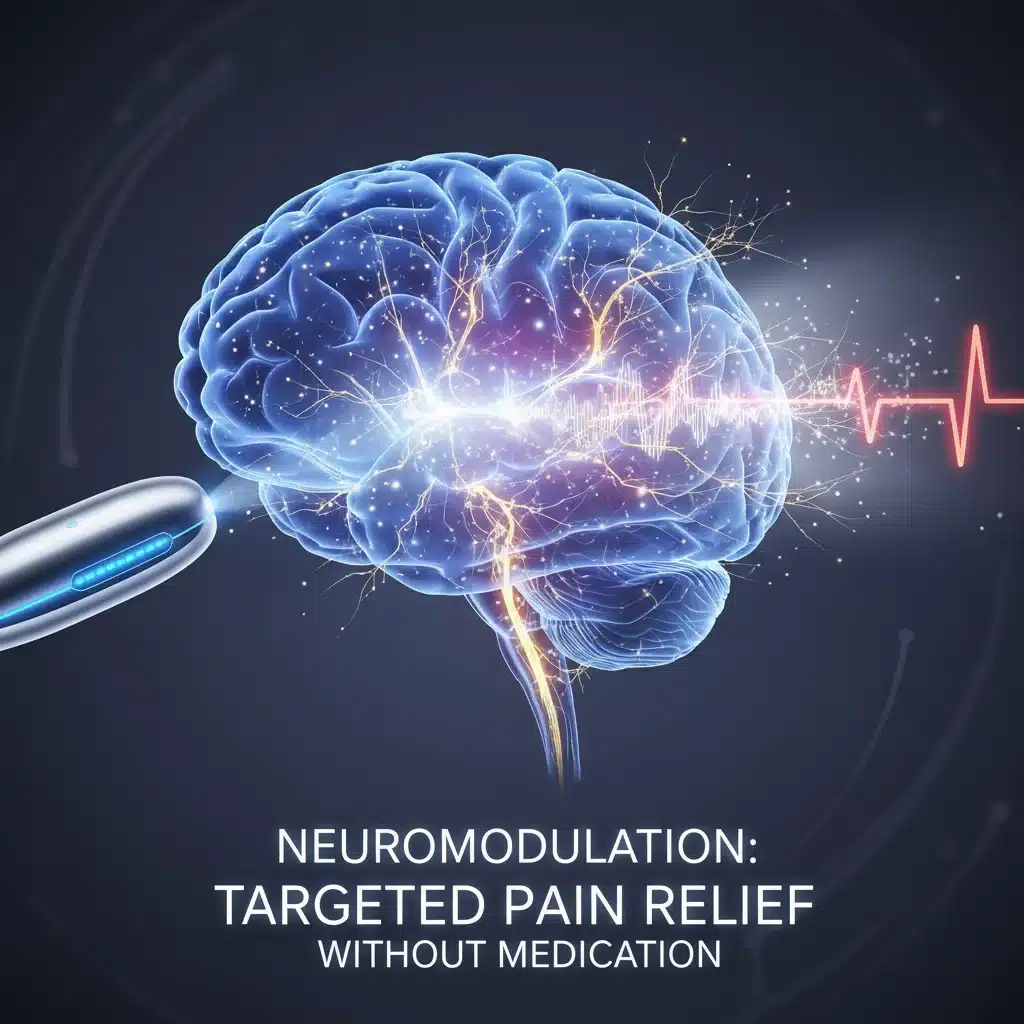
One of the most exciting and rapidly advancing areas in non-opioid pain therapies is neuromodulation. This umbrella term refers to technologies that directly interact with the nervous system to alter nerve activity. Instead of masking pain with medication, neuromodulation aims to modify the way pain signals are transmitted and perceived by the brain. These therapies are often electrical or chemical in nature and can be delivered through implanted devices.
Spinal Cord Stimulation (SCS) Advancements
Spinal Cord Stimulation (SCS) is perhaps the most established form of neuromodulation for chronic pain. It involves implanting a small device under the skin, typically in the abdomen or buttock, which delivers mild electrical pulses to the spinal cord. These pulses interfere with the transmission of pain signals to the brain, replacing painful sensations with a tingling feeling (paresthesia) or, with newer systems, no sensation at all.
Recent years have seen significant innovations in SCS technology, making it a more effective and appealing option for non-opioid pain therapies. These advancements include:
- High-Frequency Stimulation: Traditional SCS operates at low frequencies, producing paresthesia. High-frequency (e.g., 10 kHz) SCS systems deliver pulses at much higher rates, often providing pain relief without any tingling sensation, which is preferred by many patients.
- Burst Stimulation: This mode delivers bursts of electrical pulses, mimicking natural nerve firing patterns. It has shown promise in reducing both nociceptive (tissue damage) and neuropathic (nerve damage) pain components, often providing more comprehensive relief.
- Dorsal Root Ganglion (DRG) Stimulation: The DRG is a cluster of nerve cells responsible for transmitting sensory information, including pain, from specific body regions. DRG stimulation targets these specific ganglia, offering highly localized pain relief for conditions like complex regional pain syndrome (CRPS) or intractable foot pain, where traditional SCS might be less effective.
- Closed-Loop Systems: These intelligent systems can sense changes in the body’s electrical signals and automatically adjust stimulation parameters in real-time. This dynamic approach ensures consistent pain relief while optimizing battery life and reducing the need for manual adjustments by the patient.
The benefits of advanced SCS as a non-opioid pain therapy are substantial: significant pain reduction, improved functional capacity, decreased reliance on pain medication (including opioids), and enhanced quality of life. Patients typically undergo a trial period with an external device to assess efficacy before permanent implantation, ensuring a personalized approach to treatment.
Peripheral Nerve Stimulation (PNS)
While SCS targets the spinal cord, Peripheral Nerve Stimulation (PNS) focuses on individual peripheral nerves responsible for pain in specific areas of the body. Small electrodes are placed near the affected nerve, delivering mild electrical pulses to block or modify pain signals. PNS is particularly useful for localized neuropathic pain, such as post-surgical pain, nerve entrapment syndromes, or chronic headaches.
Recent innovations in PNS include smaller, less invasive devices and wireless systems that can be implanted temporarily or permanently. This localized approach makes PNS an attractive non-opioid pain therapy for patients with well-defined pain areas who may not be candidates for or responsive to SCS.
2. Regenerative Medicine: Healing from Within
Regenerative medicine represents a revolutionary frontier in regenerative medicine. Instead of just managing symptoms, these treatments aim to repair, replace, or regenerate damaged tissues and cells, thereby addressing the underlying cause of pain. This field leverages the body’s natural healing capabilities, offering the potential for long-term pain relief and improved function.
Platelet-Rich Plasma (PRP) Therapy
Platelet-Rich Plasma (PRP) therapy involves drawing a small amount of the patient’s blood, processing it to concentrate the platelets, and then injecting this concentrated plasma into the injured or painful area. Platelets are rich in growth factors and signaling proteins that play a crucial role in tissue repair and regeneration.
PRP is increasingly used as a non-opioid pain therapy for various musculoskeletal conditions, including:
- Osteoarthritis (especially knee and hip)
- Tendon injuries (e.g., Achilles tendinopathy, tennis elbow, rotator cuff injuries)
- Ligament sprains
- Muscle strains
- Chronic back pain stemming from disc degeneration or facet joint issues
The appeal of PRP lies in its autologous nature (using the patient’s own blood), minimizing the risk of allergic reactions or disease transmission. While research is ongoing to fully elucidate its mechanisms and long-term efficacy across all conditions, many patients report significant reductions in pain and improvements in function, often delaying or avoiding the need for surgery and reducing reliance on pain medication.
Stem Cell Therapy
Stem cell therapy is a more advanced form of regenerative medicine that utilizes the unique ability of stem cells to differentiate into various cell types and promote tissue repair. Mesenchymal Stem Cells (MSCs), often sourced from the patient’s bone marrow or adipose (fat) tissue, are commonly used for therapeutic purposes.
As a stem cell therapy, stem cells are injected into damaged joints, discs, or other tissues. Their purported mechanisms of action include:
- Anti-inflammatory effects: Reducing inflammation in the affected area.
- Immunomodulation: Regulating the immune response to promote healing.
- Tissue regeneration: Encouraging the growth of new cartilage, bone, or other tissues.
- Pain signal modulation: Potentially altering the local pain environment.
Stem cell therapy is being investigated for a wide range of chronic pain conditions, including severe osteoarthritis, non-healing fractures, and degenerative disc disease. While still largely considered experimental for many applications and requiring rigorous clinical trials, early results in specific conditions are promising, offering a future where pain is not just managed but potentially reversed through biological regeneration.
Prolotherapy
Prolotherapy, or proliferative therapy, involves injecting a mild irritant solution (often dextrose) into ligaments, tendons, or joints. The irritant is believed to trigger a localized inflammatory response, which in turn stimulates the body’s natural healing cascade, leading to the proliferation of new, healthy connective tissue. This strengthening of weakened ligaments and tendons can stabilize joints and reduce chronic pain, especially in areas like the lower back, neck, and knees.
As a non-opioid pain therapy, prolotherapy offers a minimally invasive approach to address joint instability and laxity, which are often overlooked causes of chronic musculoskeletal pain. It’s typically administered in a series of injections over several weeks or months, and many patients experience sustained pain relief and improved joint function.
3. Digital Therapeutics: Empowering Patients Through Technology
The rise of digital health has introduced a new class of non-opioid pain therapies known as digital therapeutics (DTx). These are evidence-based therapeutic interventions delivered through software programs to prevent, manage, or treat a medical disorder or disease. For chronic pain, DTx offers scalable, personalized, and accessible solutions that empower patients to take an active role in their pain management.
Cognitive Behavioral Therapy (CBT) and Acceptance and Commitment Therapy (ACT) Apps
Psychological factors play a significant role in chronic pain perception and experience. CBT and ACT are well-established psychological therapies that help individuals change maladaptive thought patterns and behaviors related to pain, and develop coping strategies. Traditionally delivered by therapists, these therapies are now accessible through highly engaging and interactive digital platforms.
DTx apps for chronic pain often include:
- Guided meditations and mindfulness exercises: To help patients manage stress and pain perception.
- Interactive lessons: Explaining pain science and cognitive restructuring techniques.
- Activity pacing tools: To help patients gradually increase physical activity without exacerbating pain.
- Personalized goal setting and tracking: To monitor progress and encourage adherence.
- Virtual coaching and support: Some platforms integrate human coaching or peer support groups.
Several DTx programs for chronic pain have received FDA clearance, demonstrating their clinical efficacy and safety. They serve as valuable non-opioid pain therapies by equipping patients with mental and emotional tools to reduce pain intensity, improve function, and decrease reliance on medication.

Virtual Reality (VR) for Pain Management
Virtual Reality (VR) is emerging as a powerful and immersive Virtual Reality (VR) is emerging as a powerful and immersive non-opioid pain therapy, particularly for acute procedural pain, chronic neuropathic pain, and even phantom limb pain. VR works by diverting the patient’s attention away from pain signals and immersing them in engaging virtual environments.
The mechanisms behind VR’s efficacy include:
- Distraction: VR demands significant cognitive resources, effectively hijacking the brain’s attention away from pain.
- Analgesia: Studies suggest VR can activate endogenous opioid systems and other pain-modulating pathways in the brain.
- Exposure therapy: For conditions like CRPS or phantom limb pain, VR can create virtual environments that allow patients to interact with their affected limbs in a safe, controlled manner, helping to retrain the brain.
- Stress reduction: Immersive, calming VR environments can reduce anxiety and stress, which often exacerbate pain.
VR experiences for pain range from serene nature scenes and guided meditations to interactive games. While still a relatively new field, the evidence supporting VR as an effective adjunctive non-opioid pain therapy is growing, offering a drug-free, engaging way to manage pain.
Wearable Devices and Biofeedback
Wearable technology, coupled with biofeedback, is another area of digital therapeutics offering promising non-opioid pain therapies. These devices track physiological parameters such as heart rate variability (HRV), skin conductance, muscle tension (EMG), and brainwave activity (EEG).
Biofeedback involves providing real-time information about these bodily functions to the patient, enabling them to learn how to consciously control them. For example, a patient with chronic tension headaches might use an EMG biofeedback device to learn how to relax specific neck and shoulder muscles, thereby reducing headache frequency and intensity.
Wearable devices can also deliver mild electrical stimulation (e.g., TENS units, often controlled via apps) or provide guided breathing exercises and stress reduction techniques based on biometric data. These tools empower patients with self-management strategies, fostering a sense of control over their pain and reducing reliance on medication.
The Future of Non-Opioid Pain Therapies
The landscape of pain management is rapidly evolving, with non-opioid pain therapies at the forefront of this transformation. The ongoing research and development in neuromodulation, regenerative medicine, and digital therapeutics promise even more sophisticated and personalized solutions in the years to come.
We can anticipate:
- Greater Personalization: Advances in artificial intelligence and machine learning will allow for highly individualized treatment plans, predicting which patients will respond best to specific therapies.
- Combination Therapies: It’s likely that multi-modal approaches, combining different non-opioid pain therapies (e.g., neuromodulation with digital therapeutics), will become standard to achieve optimal outcomes.
- Enhanced Accessibility: As technology becomes more affordable and user-friendly, these innovative treatments will become more widely available, reaching a broader population in need.
- Preventative Approaches: A deeper understanding of pain mechanisms may lead to therapies that can prevent chronic pain from developing in the first place.
- Further Biological Discoveries: Research into gene therapy, exosomes, and other novel biological agents could unlock even more powerful regenerative solutions.
The shift away from opioid-centric pain management is not merely a trend; it’s a fundamental change in how healthcare providers and patients approach chronic pain. The focus is now firmly on therapies that offer sustainable relief, restore function, and enhance overall well-being without the shadow of addiction or severe side effects. The three categories of non-opioid pain therapies discussed – neuromodulation, regenerative medicine, and digital therapeutics – represent the vanguard of this exciting new era.
Conclusion
Living with chronic pain is an immense challenge, but the emergence of innovative non-opioid pain therapies offers a beacon of hope. From the precise targeting of pain signals with neuromodulation devices to the body’s intrinsic healing power harnessed by regenerative medicine, and the empowering self-management tools provided by digital therapeutics, patients now have an expanding array of safe and effective options.
These advancements reflect a critical understanding that chronic pain is complex and requires multifaceted, patient-centered approaches. By embracing these cutting-edge treatments, the medical community is not only addressing the immediate need for pain relief but also laying the groundwork for a future where chronic pain is managed more effectively, safely, and with a profound respect for the patient’s long-term health and quality of life. If you or a loved one are struggling with chronic pain, it’s essential to discuss these innovative non-opioid pain therapies with your healthcare provider to explore which options might be best suited for your specific condition.