Opioid Crisis 2026: US Strategies for Overdose Reduction
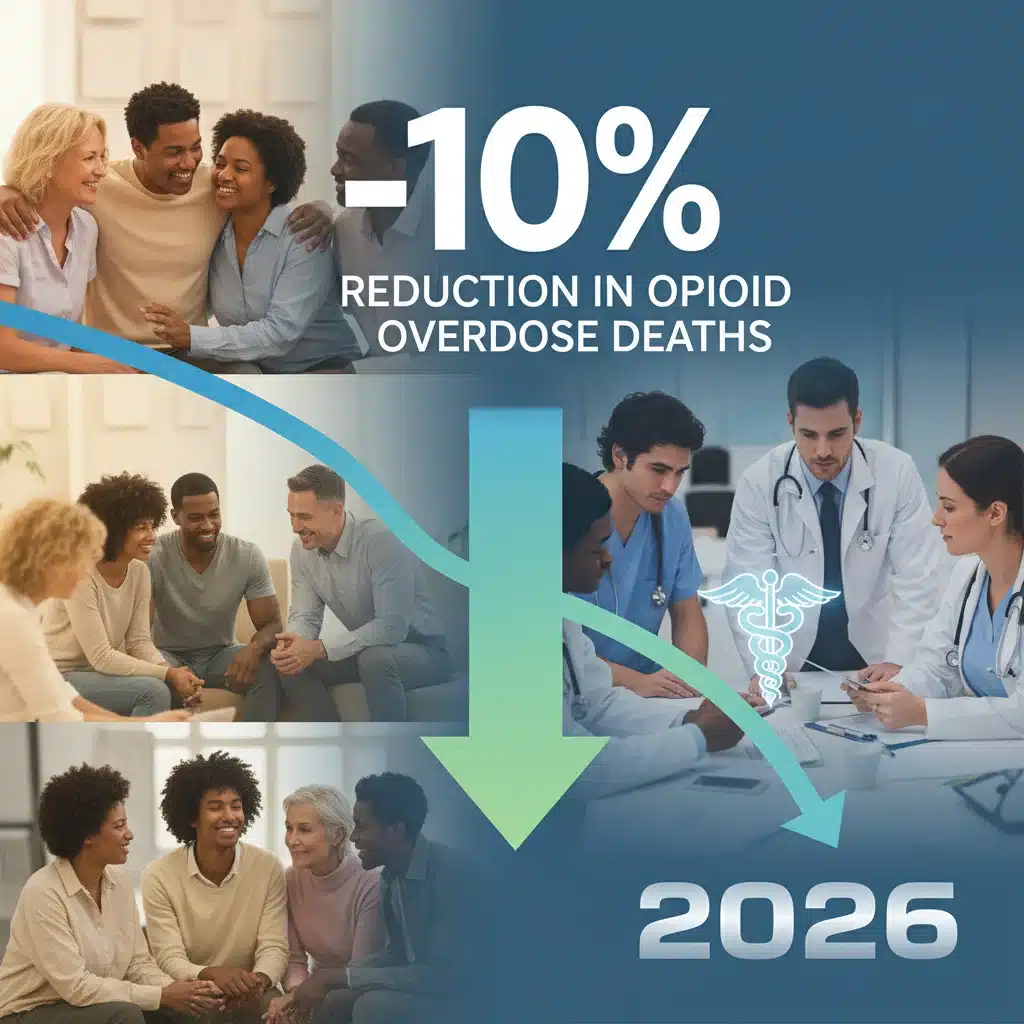
The opioid crisis continues to be one of the most pressing public health challenges facing the United States. While the severity of the issue has been recognized for years, 2026 marks a pivotal period where innovative and aggressive US Opioid Strategies are being deployed with a clear, ambitious goal: to reduce overdose deaths by a significant 10%. This article delves into the current landscape of the opioid crisis, examines the multifaceted strategies being implemented across the nation, and highlights the practical solutions and recent updates that are shaping the fight against this epidemic.
Understanding the scale and scope of the opioid crisis is essential to appreciating the urgency behind these new strategies. For decades, the US has grappled with a surge in opioid prescriptions, followed by a rise in heroin use and, more recently, a devastating increase in synthetic opioids like fentanyl. The human cost is immeasurable, impacting individuals, families, and communities nationwide. The economic burden is also substantial, straining healthcare systems, emergency services, and social support networks. As we move further into the 2020s, the focus has shifted from merely reacting to the crisis to proactive, data-driven interventions aimed at long-term prevention, treatment, and recovery.
The commitment to a 10% reduction in overdose deaths by 2026 is not just a numerical target; it represents a collective determination to save lives and foster healthier communities. This goal necessitates a comprehensive approach that addresses the various facets of opioid use disorder (OUD), from prevention and early intervention to harm reduction and sustained recovery support. The US Opioid Strategies in play today are a testament to evolving scientific understanding, enhanced inter-agency collaboration, and a renewed societal commitment to confronting addiction as a treatable disease, not a moral failing.
This deep dive will explore the key pillars of the current US Opioid Strategies, including advancements in medication-assisted treatment (MAT), expanded access to naloxone, innovative harm reduction programs, enhanced prevention efforts, and the crucial role of data and technology. We will also touch upon policy changes, funding initiatives, and the critical importance of community engagement in achieving the ambitious goal of reducing overdose fatalities.
The Evolving Landscape of the Opioid Crisis in 2026
The opioid crisis of 2026 is distinct from its earlier phases. While prescription opioid misuse remains a concern, the primary driver of overdose deaths is now illicitly manufactured fentanyl and its analogues. This potent synthetic opioid is often mixed with other drugs, unbeknownst to users, leading to a dramatically increased risk of fatal overdose. This shift demands highly adaptive and responsive US Opioid Strategies.
Fentanyl’s Dominance and its Implications
The widespread availability and potency of fentanyl have fundamentally altered the opioid landscape. Law enforcement agencies report a consistent increase in fentanyl seizures, and public health data confirm its pervasive presence in overdose fatalities. This presents significant challenges for prevention and harm reduction. Traditional approaches, while still valuable, must be augmented with strategies specifically designed to address the unique dangers of fentanyl.
One critical implication is the increased need for rapid overdose reversal interventions. Naloxone, an opioid antagonist, becomes even more vital in an environment dominated by fentanyl. Its quick action can reverse an overdose, but its availability and administration must be widespread and immediate. Furthermore, public awareness campaigns must emphasize the dangers of fentanyl contamination and encourage safer drug use practices for those who cannot or are not yet ready to cease use.
Poly-Substance Use and Co-Occurring Conditions
Another defining characteristic of the 2026 crisis is the prevalence of poly-substance use. Individuals often use opioids in combination with other substances like stimulants (e.g., methamphetamine, cocaine) or benzodiazepines. This complicates both treatment and overdose reversal. US Opioid Strategies must account for these complex substance use patterns, offering integrated care that addresses multiple addictions and co-occurring mental health conditions, which are highly prevalent among individuals with OUD.
Mental health integration is no longer a supplementary service but a core component of effective treatment. Addressing underlying trauma, depression, anxiety, and other mental health disorders can significantly improve treatment adherence and long-term recovery outcomes. The 2026 strategies prioritize a holistic view of the individual, recognizing that addiction often co-exists with other health and social challenges.
Pillar 1: Expanded Access to Evidence-Based Treatment
At the heart of effective US Opioid Strategies is the commitment to expanding access to evidence-based treatment, particularly Medication-Assisted Treatment (MAT). MAT, which combines FDA-approved medications (methadone, buprenorphine, naltrexone) with counseling and behavioral therapies, is considered the gold standard for OUD treatment due to its proven efficacy in reducing opioid use, overdose deaths, and criminal activity.
Breaking Down Barriers to MAT
Historically, significant barriers have hindered access to MAT, including stigma, lack of trained providers, restrictive regulations, and inadequate insurance coverage. In 2026, substantial progress has been made to dismantle these obstacles:
- Elimination of X-Waiver: The removal of the X-waiver requirement for prescribing buprenorphine has been a game-changer. This policy change allows all healthcare providers with a DEA license to prescribe buprenorphine for OUD, dramatically increasing the potential pool of prescribers and expanding access in underserved areas. This is a crucial element of current US Opioid Strategies.
- Telehealth Expansion: The sustained expansion of telehealth services, accelerated by the pandemic, has proven invaluable. Telehealth allows individuals, especially those in rural or remote areas, to access MAT and counseling services from the comfort of their homes, reducing transportation barriers and increasing privacy.
- Integrated Care Models: Primary care settings are increasingly integrating OUD treatment into their services. This ‘no-wrong-door’ approach ensures that individuals seeking general healthcare can also receive screening, brief intervention, and referral to treatment (SBIRT) for OUD, normalizing addiction treatment within mainstream medical care.
- Enhanced Training and Education: Federal and state initiatives are funding comprehensive training programs for healthcare professionals, equipping them with the knowledge and skills to effectively diagnose OUD, prescribe MAT, and provide compassionate care.
Innovative Treatment Delivery Models
Beyond traditional clinics, new models of treatment delivery are emerging as key US Opioid Strategies:
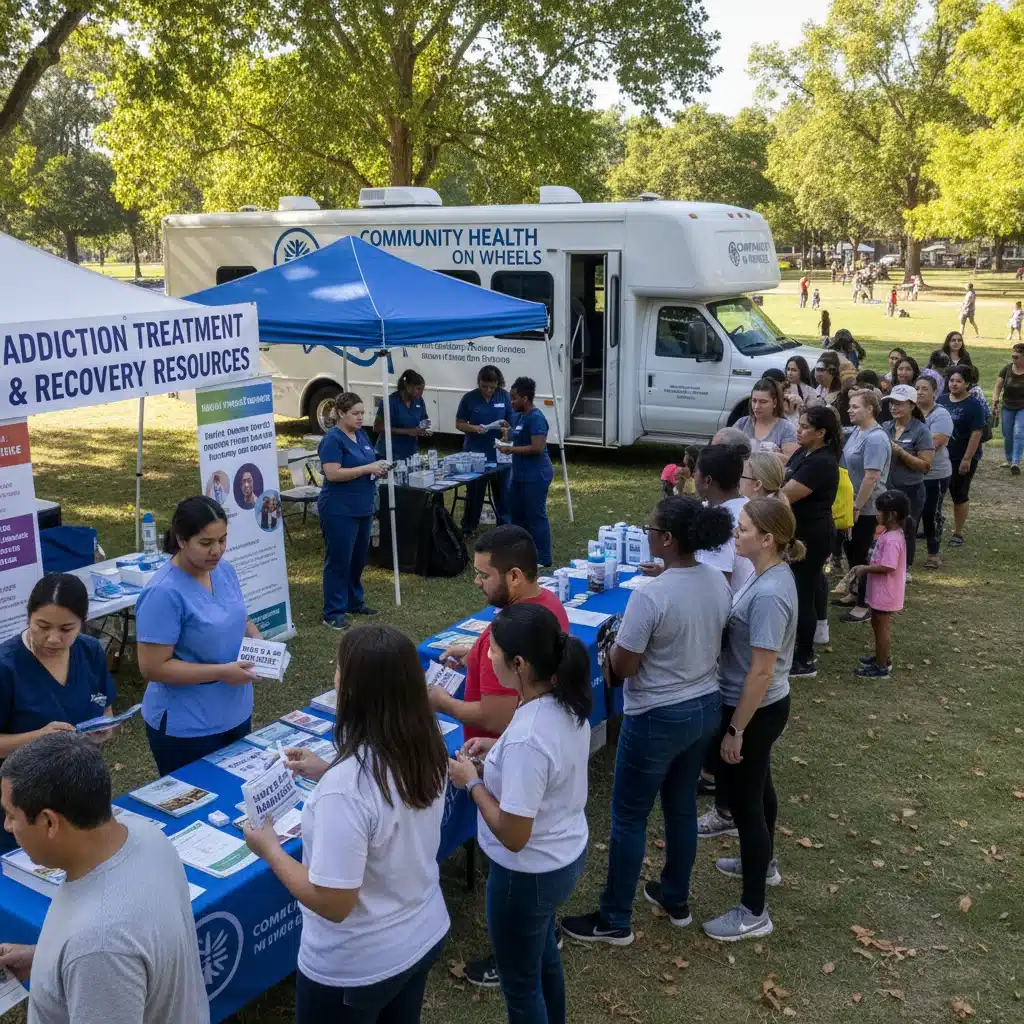
- Mobile Treatment Units: Vans and mobile clinics are bringing MAT and other services directly to communities, particularly those with high rates of opioid use or limited access to fixed-site clinics. These units can offer immediate access to care, reducing wait times and increasing engagement.
- Correctional Facility Programs: Recognizing that incarceration can be a critical touchpoint, many correctional facilities are now offering MAT to inmates with OUD, facilitating a smoother transition to community-based treatment upon release and significantly reducing recidivism and overdose risk.
- Peer Support Specialists: The integration of peer support specialists – individuals with lived experience of recovery – into treatment teams has proven highly effective. Peers provide relatable support, guidance, and encouragement, acting as vital bridges between individuals in treatment and the recovery community.

Pillar 2: Aggressive Harm Reduction Strategies
Harm reduction, a public health approach that aims to reduce the negative consequences associated with drug use, is now a cornerstone of US Opioid Strategies. While not condoning drug use, harm reduction acknowledges that not everyone can or is ready to stop using drugs, and therefore, focuses on keeping people alive and healthy.
Widespread Naloxone Distribution
Naloxone is an essential tool in preventing overdose deaths, particularly with the prevalence of fentanyl. Current US Opioid Strategies prioritize:
- Over-the-Counter Availability: Naloxone is increasingly available over-the-counter in pharmacies, removing prescription barriers and making it more accessible to individuals, family members, and first responders.
- Community Distribution Programs: Public health agencies, non-profits, and community groups are actively distributing naloxone kits, often for free, along with training on how to recognize an overdose and administer the medication.
- Co-Prescribing Initiatives: Healthcare providers are encouraged, and in some cases mandated, to co-prescribe naloxone whenever they prescribe opioids, especially for patients at higher risk of overdose.
Syringe Service Programs (SSPs)
SSPs provide sterile syringes and injection equipment, safely dispose of used syringes, and offer a gateway to other health services, including HIV and hepatitis testing, wound care, and referrals to treatment. These programs are vital US Opioid Strategies for preventing the spread of infectious diseases and connecting people who use drugs to care.
Overdose Prevention Sites (OPS) / Supervised Consumption Sites (SCS)
Though still a contentious topic, the establishment of Overdose Prevention Sites (also known as Supervised Consumption Sites) is gaining traction in some US jurisdictions. These sites provide a safe, hygienic space for individuals to consume pre-obtained drugs under the supervision of trained staff who can intervene in case of an overdose. OPS have been shown to reduce overdose deaths, reduce public drug use, and increase access to treatment. This is an innovative, albeit challenging, component of evolving US Opioid Strategies.
Fentanyl Test Strips
Fentanyl test strips allow individuals to check their drugs for the presence of fentanyl, enabling them to make more informed decisions and potentially avoid accidental exposure. These inexpensive and easy-to-use strips are being distributed through harm reduction programs as a practical tool within the broader US Opioid Strategies to prevent overdose.
Pillar 3: Robust Prevention and Early Intervention
Preventing opioid use disorder from developing in the first place is a critical long-term goal of US Opioid Strategies. This involves a multi-pronged approach targeting various populations and risk factors.
Prescription Drug Monitoring Programs (PDMPs)
PDMPs are state-run electronic databases that track controlled substance prescriptions. They help prescribers identify patients who may be at risk for OUD or who are engaging in doctor shopping. Enhanced functionality and interstate data sharing within PDMPs are making them even more effective tools for preventing inappropriate prescribing and diversion.
Public Awareness and Education Campaigns
Targeted public health campaigns are educating individuals, particularly young people, about the risks of opioid misuse, the dangers of fentanyl, and the importance of safe medication storage and disposal. These campaigns also work to reduce the stigma associated with OUD, encouraging people to seek help.
Youth-Focused Prevention Programs
Schools and community organizations are implementing evidence-based prevention programs designed to build resilience, teach refusal skills, and provide accurate information about substance use to adolescents. Early intervention programs are also crucial for identifying at-risk youth and providing support before OUD develops.
Addressing Social Determinants of Health
A deeper understanding of the social determinants of health (e.g., poverty, lack of housing, unemployment, adverse childhood experiences) that contribute to substance use is informing US Opioid Strategies. Addressing these root causes through housing support, job training, educational opportunities, and trauma-informed care is increasingly recognized as essential for long-term prevention.
Pillar 4: Data-Driven Approaches and Technology Integration
Effective US Opioid Strategies rely heavily on robust data collection, analysis, and the strategic integration of technology to inform decision-making, track progress, and improve intervention efficacy.
Real-Time Overdose Surveillance
Enhanced surveillance systems are providing real-time or near real-time data on overdose incidents, allowing public health officials to identify emerging hotspots, track trends in specific drug types, and deploy resources more effectively. This rapid response capability is vital in mitigating surges in overdose deaths.
Artificial Intelligence and Predictive Analytics
AI and machine learning are being utilized to identify individuals and communities at highest risk for opioid overdose, enabling proactive outreach and targeted interventions. Predictive analytics can help allocate resources where they are most needed, optimizing the impact of prevention and treatment efforts.
Digital Health Applications and Telemedicine
Beyond telehealth for MAT, digital health applications are supporting individuals in recovery by providing tools for relapse prevention, medication reminders, peer support connections, and mental health resources. These technologies extend the reach of care and empower individuals in their recovery journey.
Pillar 5: Enhanced Law Enforcement and Interdiction Efforts
While public health approaches lead the response to the opioid crisis, law enforcement plays a critical role in disrupting the supply chain of illicit opioids, particularly fentanyl. US Opioid Strategies include targeted efforts to interdict illicit drugs at the border and within communities.
International Cooperation
Collaboration with international partners is crucial to stemming the flow of precursor chemicals and finished fentanyl products. Diplomatic efforts and intelligence sharing are integral to disrupting global trafficking networks.
Targeted Enforcement
Law enforcement agencies are focusing on high-level traffickers and organized crime syndicates responsible for distributing large quantities of illicit opioids. This strategic approach aims to dismantle the infrastructure of the drug trade rather than merely targeting individual users.
Diversion Control
Efforts to prevent the diversion of legitimate pharmaceutical opioids continue, including stricter controls on prescribing, monitoring unusual dispensing patterns, and investigating fraudulent pharmacies. These measures complement broader US Opioid Strategies.
Challenges and Future Outlook for US Opioid Strategies
Despite significant progress and the implementation of sophisticated US Opioid Strategies, challenges remain. The adaptability of illicit drug manufacturers, the ongoing stigma associated with OUD, and persistent disparities in access to care continue to test the resilience of the nation’s response.
Addressing Stigma
Stigma remains a powerful barrier to individuals seeking help. Ongoing efforts to reframe addiction as a chronic, treatable disease rather than a moral failing are crucial. Public education, media representation, and the language used by healthcare providers and policymakers all contribute to shaping public perception. Reducing stigma is an implicit, yet vital, component of all successful US Opioid Strategies.
Ensuring Equitable Access
While access to treatment has expanded, significant disparities persist, particularly for racial and ethnic minorities, rural populations, and individuals experiencing homelessness. Future US Opioid Strategies must explicitly address these inequities through targeted outreach, culturally competent care, and flexible service delivery models.
Sustaining Funding and Political Will
The success of the 2026 goal and beyond hinges on sustained funding and political will. The opioid crisis is a long-term challenge requiring consistent investment in prevention, treatment, and recovery infrastructure. Fluctuations in funding or shifts in policy priorities could undermine progress.
The Importance of Recovery Support Services
Beyond acute treatment, robust recovery support services are essential for long-term wellness. These include sober living environments, employment support, educational opportunities, and community-based peer recovery organizations. Investing in these services helps individuals sustain recovery and reintegrate into society, reinforcing the effectiveness of US Opioid Strategies.
Conclusion: A Path Towards a 10% Reduction in Overdose Deaths
The goal of reducing opioid overdose deaths by 10% by 2026 is ambitious but achievable, thanks to the comprehensive and evolving US Opioid Strategies now in place. By prioritizing expanded access to evidence-based treatment, embracing aggressive harm reduction, investing in robust prevention, leveraging data and technology, and maintaining targeted law enforcement efforts, the nation is building a more resilient and responsive system.
The fight against the opioid crisis is a marathon, not a sprint. It requires sustained commitment, adaptability in the face of new challenges, and a collective belief in the power of recovery. The strategies outlined here represent a significant step forward, offering hope and practical solutions for individuals and communities grappling with the devastating impact of opioid use disorder. As 2026 unfolds, the focus remains steadfast on saving lives, fostering healing, and ultimately, building a healthier future for all Americans.