The Future of Remote Work Culture: What 60% of U.S. Companies Are Prioritizing for Employee Engagement in 2026
The landscape of work has undergone a seismic shift in recent years, propelled by technological advancements and unforeseen global events. What was once a niche offering, remote work, has now become a cornerstone of modern business operations. As we look towards 2026, a significant trend is emerging: approximately 60% of U.S. companies are not just tolerating remote work but are actively prioritizing the cultivation of a robust and engaging remote work culture. This isn’t merely about allowing employees to work from home; it’s about strategically redesigning the workplace experience to foster connection, productivity, and overall well-being, regardless of geographical location. Understanding this evolution is crucial for any organization aiming to thrive in the coming years.
The transition to widespread remote and hybrid models brought with it a unique set of challenges. Initial concerns often revolved around productivity drops, communication breakdowns, and a sense of isolation among employees. However, forward-thinking companies quickly realized that the solution wasn’t to revert to old models but to innovate and adapt. The focus shifted from simply enabling remote work to actively building a supportive and engaging remote work culture that mirrors, and often surpasses, the benefits of traditional in-office environments.
This article will delve into the core priorities of these leading U.S. companies, exploring the strategies they are implementing to enhance employee engagement, foster a sense of belonging, and ensure sustained success in a predominantly remote or hybrid future. From leveraging cutting-edge technology to rethinking leadership styles and promoting mental health, the blueprint for the future remote work culture is being drawn right now.
Redefining Employee Engagement in a Distributed World
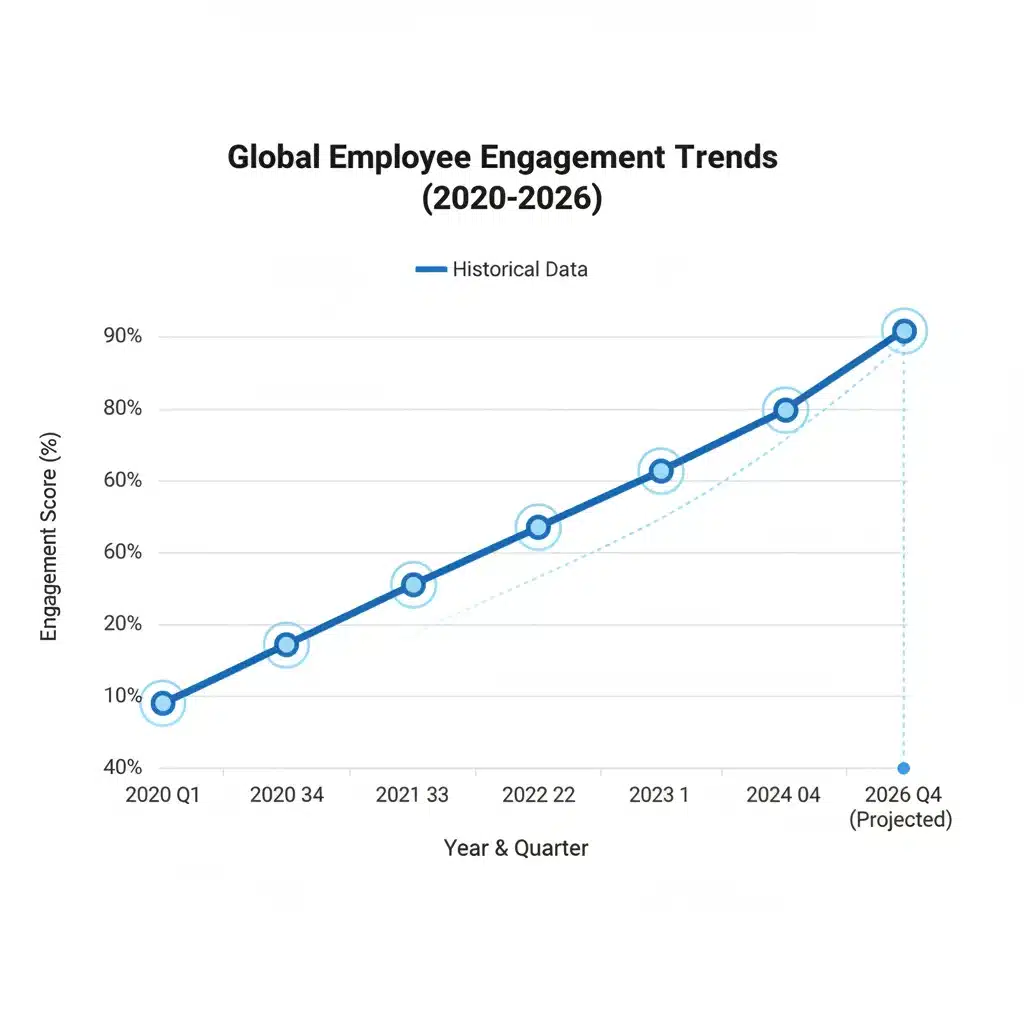
Employee engagement, a critical metric for organizational success, takes on new dimensions in a remote setting. Traditional engagement strategies, often reliant on in-person interactions, team lunches, and office celebrations, need a complete overhaul. The 60% of U.S. companies leading this charge are recognizing that true engagement in a remote work culture stems from a deeper understanding of employee needs and aspirations.
The Pillars of Remote Engagement:
- Meaningful Connection: Beyond scheduled meetings, companies are investing in virtual social events, interest-based groups, and mentorship programs to build informal connections that mimic hallway conversations and water cooler chats. The goal is to combat isolation and foster a sense of community.
- Autonomy and Trust: A cornerstone of effective remote work culture is trust. Companies are empowering employees with greater autonomy over their schedules and work methods, focusing on results rather than hours. This trust, in turn, boosts morale and ownership.
- Clear Communication and Transparency: Regular, transparent communication from leadership is paramount. This includes clear goal setting, frequent feedback loops, and open channels for employees to voice concerns and ideas. Asynchronous communication tools are becoming indispensable.
- Recognition and Appreciation: Acknowledging and celebrating achievements, both big and small, is vital. Remote-first recognition programs, virtual awards, and peer-to-peer recognition platforms are gaining traction to ensure no effort goes unnoticed.
Companies are also leveraging data analytics to understand engagement levels and identify potential issues early. Surveys, pulse checks, and sentiment analysis tools provide insights into employee satisfaction and areas for improvement, allowing for proactive adjustments to the remote work culture.
Flexibility as a Foundational Element of Remote Work Culture
The demand for flexibility is not new, but its importance has been amplified in the remote era. For the leading 60% of companies, flexibility is no longer a perk but a fundamental aspect of their remote work culture. This extends beyond simply allowing employees to work from home; it encompasses flexible hours, asynchronous work options, and support for diverse work-life needs.
Key Aspects of Flexible Work Models:
- Asynchronous Work: Recognizing that not all work needs to happen simultaneously, companies are embracing asynchronous workflows. This allows employees in different time zones or with varying personal commitments to contribute effectively without being tied to a rigid 9-to-5 schedule.
- Flexible Hours: Empowering employees to adjust their work hours to accommodate personal appointments, childcare, or simply when they are most productive, significantly enhances job satisfaction and reduces burnout.
- Hybrid Models: Many companies are opting for hybrid models, offering employees the choice to work from the office a few days a week while maintaining the flexibility of remote work. The key is to make office days purposeful, focusing on collaboration and team building.
- Location Independence: While not every role can be fully location-independent, businesses are increasingly open to hiring talent regardless of geographical boundaries, expanding their talent pool and fostering a more diverse workforce.
This emphasis on flexibility is a direct response to employee desires for greater control over their work-life balance. Companies that successfully integrate flexibility into their remote work culture are reporting higher retention rates, increased productivity, and a more attractive employer brand.
Prioritizing Employee Well-being and Mental Health
One of the most significant lessons learned from the widespread adoption of remote work is the critical importance of employee well-being. The blurred lines between work and home, coupled with increased digital fatigue, have highlighted the need for proactive measures to support mental and physical health. The 60% of companies focused on building a strong remote work culture are placing well-being at the forefront of their strategies.
Initiatives for Well-being in Remote Settings:
- Mental Health Support: Providing access to mental health resources, such as counseling services, therapy apps, and employee assistance programs (EAPs), is becoming standard. Companies are also actively working to destigmatize mental health discussions.
- Digital Detox Policies: Encouraging employees to disconnect after work hours, implement ‘no meeting’ days, and take regular breaks helps combat digital overload and burnout.
- Wellness Programs: Virtual fitness classes, mindfulness sessions, and challenges promoting healthy habits are being offered to support physical well-being in a remote context.
- Ergonomic Support: Recognizing that home offices may not always be ergonomically sound, companies are offering stipends or resources to help employees set up comfortable and healthy workspaces.
A thriving remote work culture understands that a healthy employee is a productive and engaged employee. Investing in well-being is not just a moral imperative but a strategic business decision that leads to reduced absenteeism, higher retention, and a more positive work environment.
Leveraging Technology to Bridge the Distance
Technology has always been the backbone of remote work, but its role is evolving beyond simple communication tools. Companies are now strategically leveraging technology to enhance every aspect of their remote work culture, from collaboration to learning and development.
Technological Advancements in Remote Work:
- Advanced Collaboration Platforms: Beyond video conferencing, platforms offering shared digital whiteboards, project management tools with real-time updates, and virtual co-working spaces are becoming essential for seamless teamwork.
- Virtual Reality (VR) and Augmented Reality (AR): While still nascent, some innovative companies are experimenting with VR/AR for immersive meetings, training simulations, and virtual office environments, aiming to replicate the feeling of in-person interaction.
- AI-Powered Tools: AI is being used to automate routine tasks, provide personalized feedback, analyze employee sentiment, and even facilitate intelligent scheduling, freeing up time for more meaningful work and interaction.
- Robust Cybersecurity: With a distributed workforce, cybersecurity is more critical than ever. Companies are investing in advanced security protocols, VPNs, and employee training to protect sensitive data and maintain trust.
The right technological infrastructure not only facilitates remote work but actively strengthens the remote work culture by making collaboration more efficient, communication clearer, and access to resources equitable for all employees, regardless of their location.
Leadership Evolution: Guiding a Distributed Workforce
Effective leadership is paramount in any organization, but in a remote or hybrid setting, the demands on leaders shift significantly. The 60% of companies successfully navigating this transition are investing heavily in developing leaders who can inspire, motivate, and manage distributed teams effectively. This requires a move away from traditional command-and-control styles towards empathy, empowerment, and clear communication.
Qualities of Effective Remote Leaders:
- Empathy and Emotional Intelligence: Understanding the unique challenges and circumstances of remote employees is crucial. Leaders need to be attuned to signs of burnout, isolation, or disengagement.
- Clear Communication and Expectation Setting: Leaders must be exceptionally clear about goals, expectations, and priorities. Regular check-ins, transparent feedback, and consistent communication are non-negotiable.
- Trust and Empowerment: Rather than micromanaging, remote leaders empower their teams, trusting them to manage their time and deliver results. This fosters a sense of ownership and responsibility.
- Digital Fluency: Leaders must be proficient in using remote collaboration tools and champion their adoption within their teams.
- Focus on Outcomes: Shifting the focus from ‘time spent’ to ‘results achieved’ is vital for assessing performance in a remote environment.
Training programs for remote leadership are becoming increasingly common, focusing on skills like virtual team building, managing performance remotely, and fostering a positive and inclusive remote work culture from a distance. The success of a remote work culture often hinges on the quality of its leadership.

Building an Inclusive Remote Work Culture
Diversity, Equity, and Inclusion (DEI) are not just buzzwords; they are essential components of a thriving remote work culture. In fact, remote work can be a powerful equalizer, offering opportunities to individuals who might face barriers in traditional office settings. However, it also presents new challenges for ensuring true inclusion.
Strategies for Inclusive Remote Culture:
- Equitable Access to Resources: Ensuring all employees, regardless of location, have equal access to technology, training, and development opportunities.
- Intentional Communication: Leaders and teams must be mindful of communication styles, ensuring that remote voices are heard and that unconscious biases don’t creep into virtual interactions.
- Global Calendar Awareness: For globally distributed teams, being aware of different time zones, holidays, and cultural norms is critical to scheduling meetings and deadlines fairly.
- Support for Diverse Needs: Offering accommodations for parents, caregivers, and individuals with disabilities is essential to making remote work truly accessible and inclusive.
- Virtual Social Events: Designing virtual social activities that appeal to a wide range of interests and personalities helps foster connection and belonging for everyone.
Companies committed to building an inclusive remote work culture understand that it requires deliberate effort and ongoing evaluation. The benefits are immense, leading to a more diverse talent pool, richer perspectives, and a stronger sense of belonging for all employees.
Measuring Success and Adapting to Change
The journey to establishing an optimal remote work culture is not a one-time event; it’s an ongoing process of experimentation, feedback, and adaptation. The 60% of U.S. companies leading this transformation are keenly focused on measuring the impact of their initiatives and being agile enough to adjust their strategies as needed.
Key Metrics and Adaptation Strategies:
- Employee Feedback: Regular surveys, pulse checks, and one-on-one conversations are vital for gathering qualitative and quantitative data on employee sentiment and identifying areas for improvement.
- Productivity Metrics: While avoiding micromanagement, companies are tracking relevant productivity metrics to ensure efficiency and identify potential roadblocks in remote workflows.
- Retention and Absenteeism Rates: These traditional HR metrics provide insights into overall employee satisfaction and the effectiveness of well-being initiatives.
- DEI Metrics: Tracking diversity in hiring, promotions, and leadership roles helps ensure that the remote work culture is truly inclusive.
- Pilot Programs and Iteration: Instead of implementing large-scale changes all at once, companies are experimenting with pilot programs, gathering feedback, and iterating on their strategies.
- Staying Ahead of Trends: The future of work is constantly evolving. Companies are staying informed about emerging technologies, changing employee expectations, and best practices in remote work culture to remain competitive.
The ability to measure, learn, and adapt is what will distinguish successful organizations in the long run. A dynamic remote work culture is one that is continually refined based on real-world data and employee input.
The Economic and Social Impact of a Strong Remote Work Culture
The shift towards a well-defined remote work culture is not just about internal company dynamics; it has broader economic and social implications. For companies, a strong remote culture can lead to significant cost savings on office space, access to a wider talent pool, and increased resilience in the face of disruptions. For employees, it offers greater work-life balance, reduced commuting stress, and often, more equitable opportunities.
Moreover, the growth of remote work is impacting local economies, revitalizing smaller towns and rural areas as employees choose to relocate. It’s also driving innovation in proptech, communication software, and digital wellness solutions. The ripple effects of this transformation are profound and far-reaching.
As 60% of U.S. companies commit to prioritizing and refining their remote work culture by 2026, we are witnessing the emergence of a new standard for how work gets done. This isn’t a temporary adjustment but a fundamental redefinition of the workplace, one that values flexibility, well-being, and genuine engagement above all else. Companies that embrace this future with strategic intent will undoubtedly be the leaders of tomorrow.
Conclusion: Embracing the Future of Remote Work Culture
The journey towards a mature and thriving remote work culture is an ongoing one, but the direction is clear. By 2026, a significant majority of U.S. companies will have cemented their commitment to creating environments where employees can flourish, regardless of their physical location. This commitment is built upon pillars of redefined engagement, radical flexibility, unwavering support for well-being, strategic technological integration, evolved leadership, and a deep dedication to inclusion.
The organizations that proactively invest in these areas will not only attract and retain top talent but also foster a more resilient, innovative, and human-centric workforce. The future of work is here, and it’s decidedly remote-friendly, demanding a thoughtful and strategic approach to building a remote work culture that truly empowers its people. As companies continue to navigate this evolving landscape, the insights and strategies discussed here will serve as a vital roadmap for sustained success and a more engaged, productive, and satisfied workforce.
Embracing this future means moving beyond merely tolerating remote work to actively designing a remote work culture that is vibrant, connected, and deeply supportive of every individual. The companies that get this right will not only survive but thrive in the years to come, setting new benchmarks for employee experience and organizational performance.