Hybrid Work Trends 2026: Reshaping Office Spaces in the US
The Future of Hybrid Work: 6 Business Trends Driving Office Space Redesign Across the US in 2026
The landscape of work has undergone a seismic shift, and the hybrid model, once a temporary solution, has firmly established itself as the new normal. As we look towards 2026, businesses across the United States are not just adapting to hybrid work; they are fundamentally redesigning their physical office spaces to support this evolving paradigm. This isn’t merely about adding more screens or video conferencing equipment; it’s a holistic rethinking of what an office is and what it does for an organization and its employees. The driving force behind these transformations are powerful hybrid work trends that prioritize flexibility, technology, collaboration, and well-being. Understanding these trends is crucial for any business aiming to thrive in the coming years.
The transition to hybrid models has been spurred by numerous factors, including technological advancements, a re-evaluation of work-life balance by employees, and the undeniable success many companies experienced during periods of remote-first operations. However, the initial rush to remote work highlighted both its advantages and its limitations. The office, it turns out, still holds significant value – but its purpose has changed. It’s no longer just a place to perform tasks; it’s a hub for connection, innovation, acculturation, and focused work that benefits from a dedicated environment. As such, the design and function of office spaces are being reimagined to serve these new objectives, making the study of hybrid work trends more relevant than ever.
In this comprehensive article, we will delve into six pivotal hybrid work trends that are shaping office space redesigns across the US, offering insights into how businesses are preparing for 2026 and beyond. From the rise of flexible, activity-based workspaces to the integration of cutting-edge technology and a renewed focus on employee well-being, these trends are not just passing fads but fundamental shifts that will define the future of corporate environments. Let’s explore how these changes are creating more dynamic, efficient, and human-centric workplaces.
Trend 1: The Ascendancy of Flexible, Activity-Based Workspaces
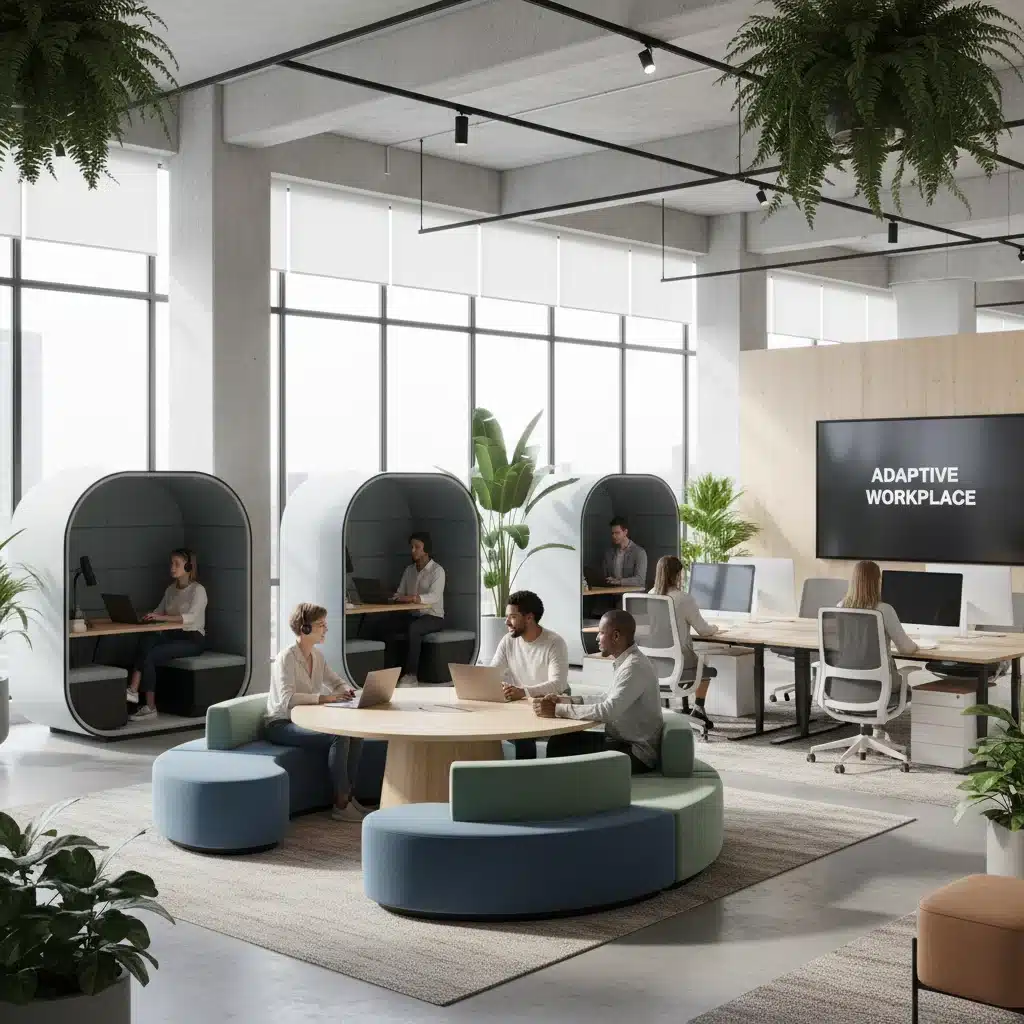
One of the most significant hybrid work trends reshaping office design is the move towards flexible, activity-based workspaces (ABW). The traditional model of assigned desks for every employee is becoming obsolete as companies embrace a dynamic approach where the office serves as a resource rather than a fixed workstation. ABW acknowledges that different tasks require different environments. An employee might need a quiet corner for deep concentration, a vibrant common area for impromptu brainstorming, or a dedicated meeting room for formal presentations. The office of 2026 will be a mosaic of these diverse settings, designed to support a wide range of activities.
This trend is driven by the understanding that hybrid employees will likely come into the office for specific purposes – collaboration, team building, client meetings, or access to specialized equipment – rather than simply to perform routine individual tasks that can often be done effectively from home. As a result, office layouts are moving away from rows of cubicles towards a more fluid design. We are seeing an increase in “neighborhoods” or “zones” within offices, each tailored to a particular type of work. These might include:
- Collaboration Hubs: Open areas with comfortable seating, whiteboards, and integrated AV technology for team discussions and creative sessions.
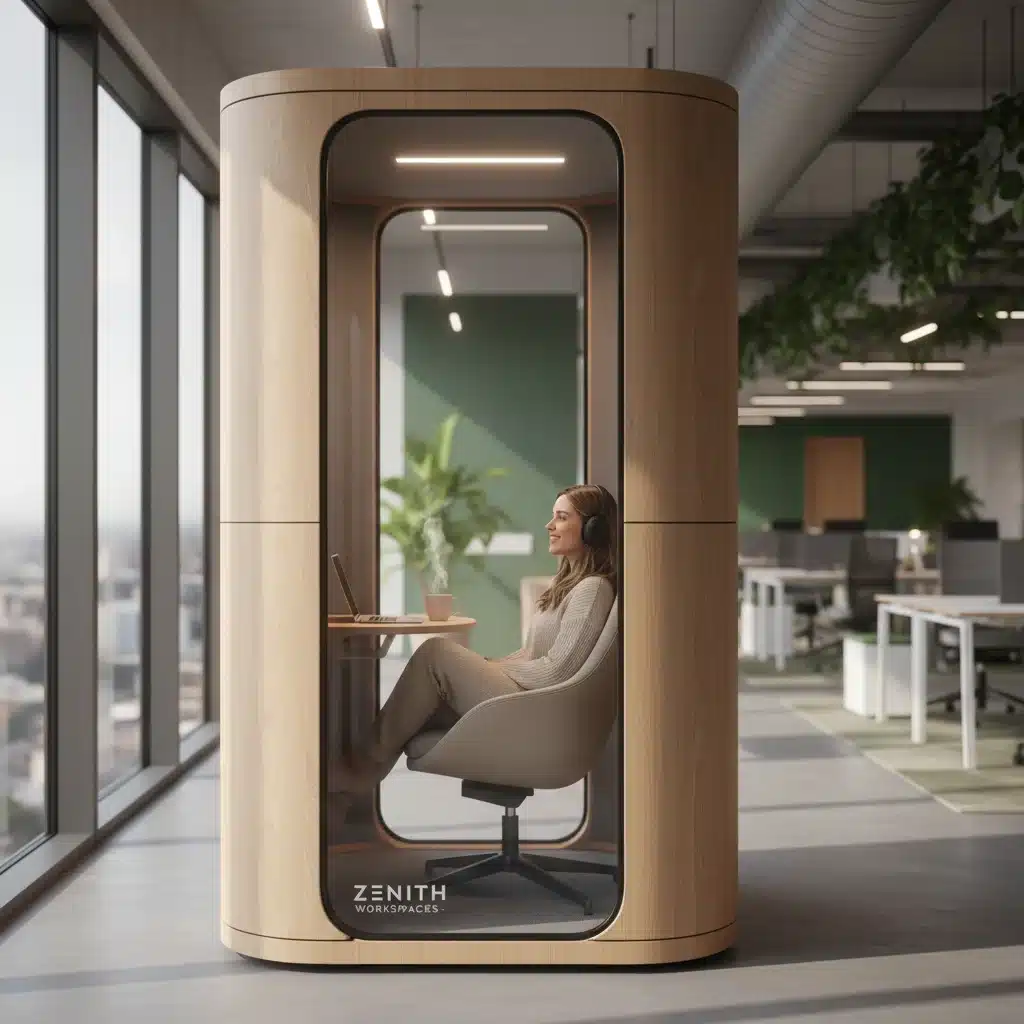
- Focus Zones: Designated quiet areas, often with sound-masking technology or individual pods, for concentrated work requiring minimal distractions.
- Social Spaces: Cafes, lounges, and informal seating areas that encourage casual interactions, networking, and a sense of community.
- Project Rooms: Dedicated spaces that can be booked by teams for the duration of a project, allowing them to set up their specific tools and materials.
- Wellness Rooms: Spaces for relaxation, meditation, or even light exercise, reflecting a broader commitment to employee well-being.
The implementation of ABW requires sophisticated booking systems and smart office technology to manage space utilization effectively. Employees will likely use apps to reserve desks, meeting rooms, or focus pods, ensuring that resources are available when needed and preventing overcrowding. This data-driven approach to space management is a critical component of successful ABW adoption and a key element of future hybrid work trends.
By adopting ABW, companies aim to maximize the efficiency of their real estate footprint while simultaneously enhancing the employee experience. It provides employees with autonomy over where and how they work, fostering a sense of empowerment and trust. This flexibility is not just a perk; it’s becoming an expectation among top talent, making ABW a crucial strategy for talent attraction and retention in the competitive US market.
Trend 2: Hyper-Focus on Technology Integration and Smart Office Solutions
Technology has always been intertwined with the evolution of the workplace, but in the era of hybrid work, its role has become absolutely central. By 2026, offices will be more technologically advanced than ever, acting as seamless extensions of the remote work experience. This hyper-focus on technology integration is one of the most transformative hybrid work trends, ensuring that all employees, regardless of their location, can participate equally and effectively.
The core of this trend lies in bridging the gap between physical and virtual participants in meetings and collaborative sessions. This means investing heavily in:
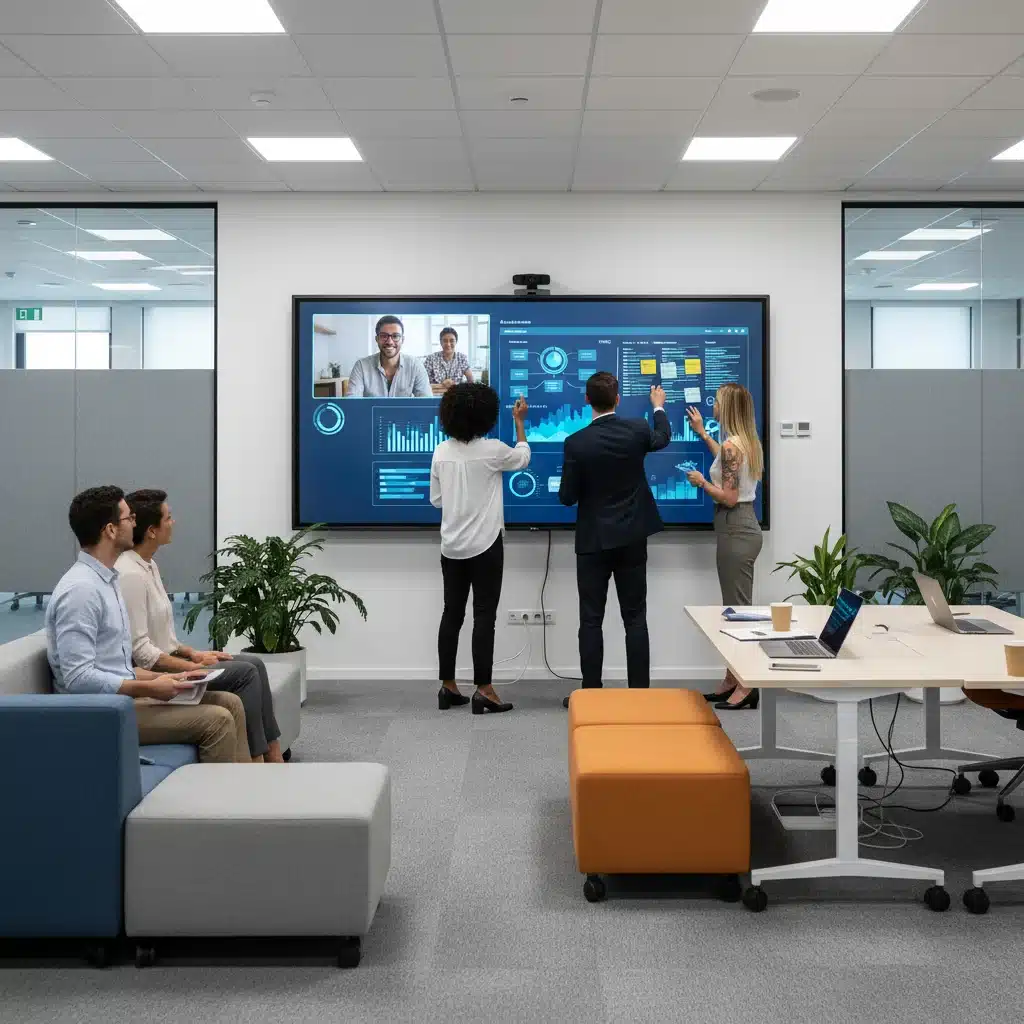
- Advanced Video Conferencing Systems: High-definition cameras with intelligent framing, crystal-clear audio, and large displays that make remote participants feel truly present in the room. Features like AI-powered noise cancellation and speaker tracking will become standard.
- Interactive Digital Whiteboards: These tools allow both in-person and remote team members to brainstorm, annotate, and share ideas in real-time, replicating the spontaneity of traditional whiteboards but with enhanced digital capabilities.
- Integrated Booking and Occupancy Sensors: Smart systems that not only allow employees to book desks and rooms via mobile apps but also track real-time occupancy. This data helps optimize space utilization, manage cleaning schedules, and provide insights into office usage patterns, directly informing future design decisions.
- Seamless Connectivity: Robust Wi-Fi networks, 5G capabilities, and ample power outlets are non-negotiable. The expectation is for instant, reliable connectivity everywhere in the office, supporting multiple devices and bandwidth-intensive applications.
- IoT for Environmental Control: Smart lighting, HVAC systems, and air quality monitors that can be controlled centrally or even individually, optimizing comfort and energy efficiency. These systems can also gather data to inform design and operational improvements.
The goal is to create an “equitable experience” where remote employees feel as engaged and included as those in the physical office. This requires not just the right hardware but also intuitive software platforms that facilitate communication, project management, and knowledge sharing. Companies are increasingly adopting unified communication platforms that integrate chat, video, and document sharing into a single ecosystem.
Furthermore, cybersecurity measures are being strengthened to protect data across distributed networks, ensuring that sensitive information remains secure whether accessed from the office or a home environment. The strategic deployment of these technologies is not just about convenience; it’s about enabling productivity, fostering innovation, and maintaining a strong company culture in a hybrid world, solidifying its place among crucial hybrid work trends.
Trend 3: Prioritizing Employee Well-being and Biophilic Design
As companies recognize the long-term impact of work environments on mental and physical health, employee well-being has emerged as a paramount concern and a significant driver of hybrid work trends in office design. The office of 2026 will be designed with a deliberate focus on creating spaces that support health, comfort, and psychological safety.
A key aspect of this trend is the adoption of biophilic design principles. Biophilia, the innate human tendency to connect with nature, is being integrated into office spaces through:
- Increased Natural Light: Maximizing natural light exposure has proven benefits for mood, productivity, and circadian rhythms. Office layouts are being reconfigured to ensure more access to windows, and artificial lighting systems are being designed to mimic natural light cycles.
- Integration of Greenery: Living walls, potted plants, and indoor gardens are not just aesthetic additions; they improve air quality, reduce stress, and enhance cognitive function.
- Natural Materials and Textures: Incorporating wood, stone, and other natural materials can create a calming and grounding atmosphere, moving away from sterile, artificial environments.
- Views of Nature: Where possible, offices are being designed to offer views of natural landscapes, whether through large windows overlooking parks or even strategically placed outdoor terraces.
Beyond biophilia, the emphasis on well-being extends to providing a variety of spaces that cater to different needs. This includes:
- Quiet Zones and Meditation Rooms: Dedicated spaces where employees can decompress, meditate, or simply take a break from sensory overload.
- Ergonomic Furniture: Height-adjustable desks, ergonomic chairs, and comfortable seating options are becoming standard, reducing physical strain and promoting better posture.
- Healthy Food Options: Office cafes and break rooms are offering more nutritious food and beverage choices, supporting overall employee health.
- Fitness Facilities or Partnerships: On-site gyms, yoga studios, or partnerships with local fitness centers encourage physical activity.
- Improved Air Quality: Advanced HVAC systems with enhanced filtration and ventilation are crucial for creating a healthy indoor environment, especially in the wake of public health concerns.
The focus on well-being also means designing for psychological comfort. This includes creating spaces that feel welcoming and inclusive, offering a sense of control over one’s environment (e.g., choice of workspace, temperature control), and fostering a positive atmosphere. Companies understand that a healthy and happy workforce is a more productive and engaged workforce, making well-being a strategic imperative and a core element of future hybrid work trends.
Trend 4: The Office as a Culture and Collaboration Hub
In a hybrid model, the office’s primary role shifts from a mere workstation provider to a vital hub for culture, collaboration, and social connection. This is one of the most profound hybrid work trends influencing how companies are redesigning their spaces. While individual work can often be done effectively remotely, the intangible benefits of in-person interaction – spontaneous brainstorming, relationship building, mentorship, and the absorption of company values – are best fostered in a shared physical environment.
By 2026, offices will be intentionally designed to facilitate these interactions. This means a greater emphasis on:
- Enhanced Social Spaces: Beyond traditional break rooms, companies are investing in more inviting and diverse social areas. These might include comfortable lounges, game rooms, coffee bars, or even outdoor patios that encourage casual conversation and informal networking.
- Flexible Meeting and Workshop Areas: Spaces that can be easily reconfigured to support various group activities, from large team meetings to small breakout sessions, workshops, and training. These areas will be equipped with mobile furniture, writable surfaces, and integrated technology to support dynamic collaboration.
- Community Zones: Areas designed to host all-hands meetings, company events, and social gatherings, reinforcing a sense of collective identity and purpose. These spaces are crucial for celebrating achievements and communicating company vision.
- Showcasing Company Brand and Values: The physical office becomes a tangible representation of the company’s brand, mission, and culture. Design elements, artwork, and even the layout itself will be used to convey these messages, helping to onboard new employees and reinforce belonging for existing ones.
- Dedicated Onboarding and Training Spaces: With a hybrid workforce, bringing new hires into the office for immersive onboarding experiences becomes even more valuable. Offices will feature dedicated spaces for training, mentorship, and cultural assimilation.
The goal is to make the office a destination – a place employees want to come to, not just feel obligated to. It’s about providing an experience that cannot be replicated at home, fostering serendipitous encounters and strengthening interpersonal bonds. This shift requires a thoughtful approach to design that moves beyond efficiency and towards creating vibrant, engaging environments that serve as the heart of the company’s culture. This is a critical component of the evolving hybrid work trends landscape.
Trend 5: Data-Driven Design and Continuous Optimization
The future of office space redesign is not just about aesthetics or intuition; it’s increasingly driven by data. As one of the most impactful hybrid work trends, data-driven design and continuous optimization involve using analytics to understand how employees interact with the physical space and then iteratively refining that space to better meet their needs. This approach ensures that investments in office redesign are strategic and yield measurable benefits.
Companies are leveraging a variety of data sources to inform their decisions:
- Occupancy Data: Sensors and smart booking systems provide real-time and historical data on how frequently different areas of the office are used. This includes desks, meeting rooms, common areas, and even individual zones. This data can reveal underutilized spaces that can be repurposed and overutilized areas that require expansion or more resources.
- Employee Feedback: Surveys, focus groups, and informal feedback channels are crucial for gathering qualitative data on employee preferences, pain points, and suggestions for improvement. This human-centric data complements the quantitative insights.
- Flow and Movement Analytics: Advanced systems can track foot traffic patterns within the office, identifying bottlenecks, popular routes, and areas that are less frequently visited. This helps optimize layout for efficiency and comfort.
- Environmental Data: Information from smart HVAC, lighting, and air quality systems helps create more comfortable and energy-efficient environments. Data on temperature preferences, light levels, and air purity can guide adjustments and future design choices.
- Meeting Room Utilization: Specific data on meeting room bookings, actual attendance, and technology usage helps understand collaboration patterns and the demand for different types of meeting spaces.
The insights derived from this data allow companies to:
- Optimize Space Allocation: Determine the ideal ratio of collaborative spaces to focus areas, social zones, and meeting rooms based on actual usage patterns.
- Improve Resource Management: Ensure that technology, furniture, and amenities are placed where they are most needed and utilized.
- Enhance Employee Experience: By understanding what employees value and how they work, designs can be tailored to foster greater comfort, productivity, and satisfaction.
- Reduce Operational Costs: Identify opportunities to reduce energy consumption, optimize cleaning schedules, and make more informed decisions about real estate investments.
- Support Agility: The ability to collect and analyze data continuously allows for ongoing adjustments and iterations, ensuring the office remains responsive to evolving hybrid work trends and employee needs.
This iterative process of design, data collection, analysis, and refinement means that the office of 2026 will not be a static entity but a dynamic, continuously evolving environment that is finely tuned to the needs of its hybrid workforce. It represents a paradigm shift from one-off redesigns to a model of perpetual improvement, making it a cornerstone of modern hybrid work trends.
Trend 6: The Rise of “Hub-and-Spoke” and Decentralized Office Models
As companies grapple with diverse employee locations and the desire to reduce long commutes, the traditional single-headquarters model is giving way to more distributed office strategies. The “hub-and-spoke” or decentralized office model is emerging as a prominent among hybrid work trends by 2026, particularly in large metropolitan areas and across broader geographic regions.
In a hub-and-spoke model:
- The “Hub”: This is typically a central, larger office that serves as the primary corporate headquarters. It might house specialized facilities, executive teams, large collaboration spaces, and act as a central gathering point for major company events. It’s designed to foster company culture and facilitate large-scale collaboration.
- The “Spokes”: These are smaller, satellite offices located in suburban areas or different cities, closer to where employees live. These “micro-offices” or “neighborhood hubs” offer convenient access for employees who don’t want to commute to the main hub every time they need an office environment. They provide focused workspaces, smaller meeting rooms, and amenities for local teams.
The benefits of this decentralized approach are manifold:
- Reduced Commute Times: Employees spend less time traveling, leading to improved work-life balance, reduced stress, and greater job satisfaction.
- Access to Wider Talent Pools: Companies are no longer limited to hiring talent within commuting distance of a single headquarters. Decentralized offices allow them to tap into a broader geographic talent pool.
- Increased Flexibility and Choice: Employees have the option to work from home, visit a nearby spoke office, or commute to the main hub for specific activities, providing a greater sense of autonomy.
- Business Continuity and Resilience: A distributed model can offer greater resilience in the face of local disruptions, natural disasters, or public health crises.
- Optimized Real Estate Costs: While there might be more locations, the smaller footprint of spoke offices can lead to more efficient real estate utilization and potentially lower overall costs compared to a single, very large headquarters.
Implementing a hub-and-spoke model requires careful planning regarding technology infrastructure to ensure seamless connectivity and communication across all locations. It also necessitates a strong focus on consistent company culture and communication strategies to prevent fragmentation. Each spoke office needs to be equipped with the necessary technology for effective hybrid collaboration, ensuring that remote and in-office employees can interact effortlessly, regardless of which office they are physically in. This strategic distribution of office spaces is a clear indicator of the evolving hybrid work trends that will define corporate real estate in 2026.
The Enduring Impact of Hybrid Work on Office Space
The six hybrid work trends discussed – flexible activity-based workspaces, hyper-focused technology integration, prioritizing employee well-being and biophilic design, the office as a culture and collaboration hub, data-driven design and continuous optimization, and the rise of decentralized office models – are fundamentally reshaping how businesses view and utilize their physical spaces. By 2026, the traditional office, as many knew it, will be largely a relic of the past. In its place will be dynamic, adaptable, and purpose-built environments designed to support a workforce that values flexibility and effectiveness above all else.
These trends are not merely about aesthetics or convenience; they are strategic imperatives that directly impact an organization’s ability to attract and retain talent, foster innovation, maintain a strong culture, and ultimately, drive business success. Companies that proactively embrace these changes will be better positioned to navigate the complexities of the modern work landscape, creating workplaces that are not just efficient but also inspiring and human-centric.
The continuous evolution of these hybrid work trends means that office design will remain an ongoing process of adaptation and refinement. Businesses must stay agile, listen to employee feedback, and leverage data to ensure their physical spaces continue to serve as powerful assets in a hybrid world. The future of the office is bright, but it demands foresight, flexibility, and a deep understanding of the changing needs of the workforce.