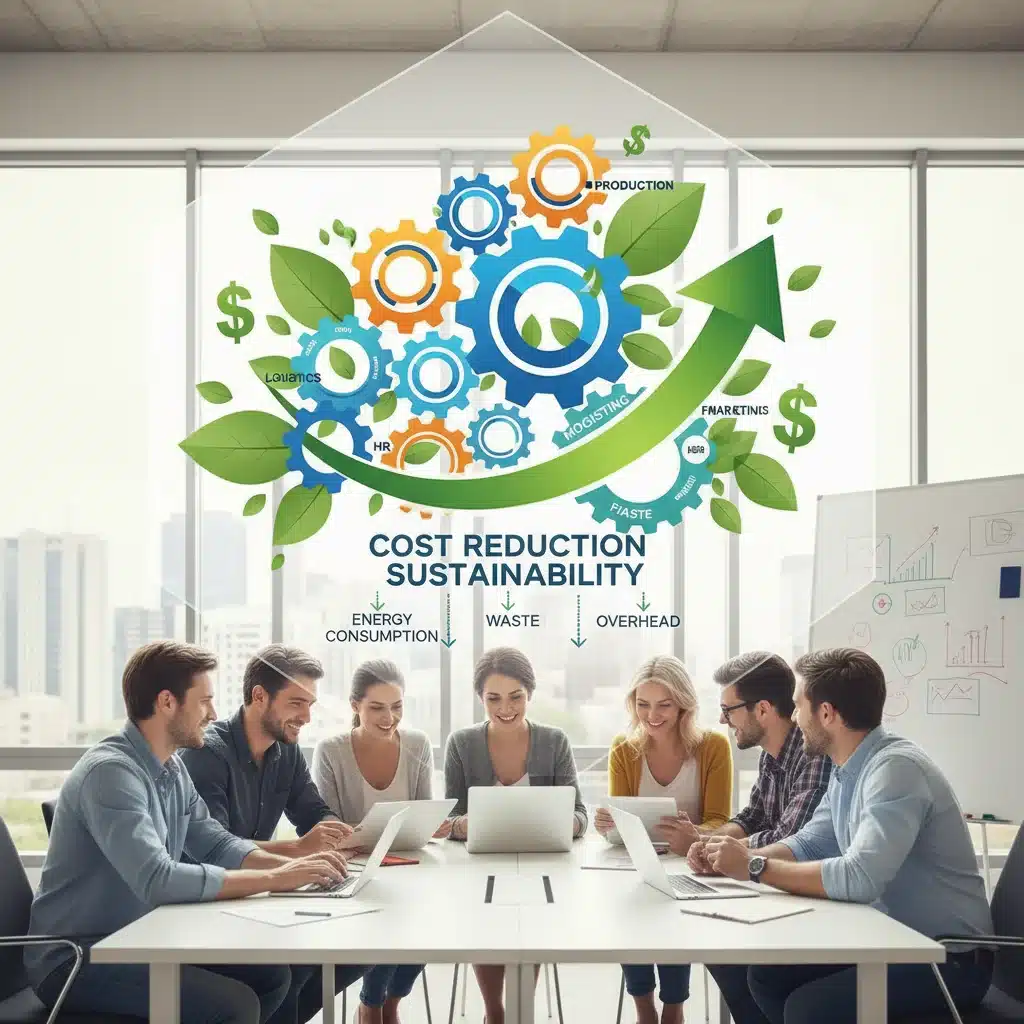
In an era defined by increasing environmental consciousness and economic pressures, the concept of sustainable business models has transcended mere corporate social responsibility to become a critical driver of profitability and long-term viability. By 2026, U.S. companies are projected to achieve a remarkable 10% reduction in operational costs through the strategic implementation of green initiatives. This isn’t just about ‘doing good’; it’s about smart business, leveraging ecological stewardship for tangible financial gains. This comprehensive article will explore the multifaceted approaches U.S. businesses are adopting, the underlying principles of these models, and the significant impact they are having on the corporate landscape.
The shift towards sustainable practices is no longer a niche trend but a mainstream imperative. Consumers are increasingly demanding eco-friendly products and services, investors are scrutinizing environmental, social, and governance (ESG) performance, and regulatory bodies are imposing stricter environmental standards. Companies that proactively integrate sustainability into their core operations are not only meeting these external pressures but are also unlocking unprecedented opportunities for innovation, efficiency, and competitive advantage.
The Evolution of Sustainable Business Models
Historically, sustainability was often viewed as a cost center, an additional expense for businesses to bear. However, this perception has dramatically evolved. Modern sustainable business models are designed to be inherently profitable, demonstrating that environmental responsibility and economic success are not mutually exclusive but deeply interconnected. These models focus on optimizing resource use, minimizing waste, and fostering a positive impact on both people and the planet.
Defining Sustainable Business Models
At its core, a sustainable business model integrates environmental and social considerations into every aspect of its operations, from product design and supply chain management to manufacturing and end-of-life disposal. The goal is to create long-term value for all stakeholders – shareholders, employees, customers, and the community – without compromising the ability of future generations to meet their own needs. This holistic approach often leads to significant operational efficiencies and cost savings.
Key Pillars of Sustainable Business Strategy
- Resource Efficiency: Minimizing the consumption of energy, water, and raw materials.
- Waste Reduction & Circularity: Moving away from linear ‘take-make-dispose’ models towards circular systems where resources are reused, recycled, or regenerated.
- Renewable Energy Adoption: Shifting from fossil fuels to clean energy sources.
- Sustainable Supply Chains: Ensuring ethical and environmentally responsible practices throughout the entire value chain.
- Product Innovation: Designing products that are durable, repairable, and recyclable.
Achieving a 10% Operational Cost Reduction by 2026: The U.S. Landscape
The ambitious target of a 10% operational cost reduction by 2026 is not an arbitrary figure. It reflects a growing understanding among U.S. businesses that sustainability is a powerful lever for financial performance. This reduction is being realized through a combination of technological advancements, strategic investments, and a fundamental rethinking of business processes.
Energy Efficiency and Renewable Energy Integration
One of the most direct pathways to cost savings is through optimized energy consumption. U.S. companies are making substantial investments in energy-efficient technologies, from LED lighting and smart HVAC systems to advanced machinery that consumes less power. Furthermore, the adoption of renewable energy sources, particularly solar and wind power, is providing a stable, often cheaper, alternative to traditional grid electricity. The decreasing cost of renewable energy technologies, coupled with government incentives, makes this an increasingly attractive option for businesses of all sizes.
“The transition to renewable energy isn’t just an environmental imperative; it’s an economic boon. Companies are realizing significant savings on their energy bills, often hedging against volatile fossil fuel prices.” – Environmental Economist
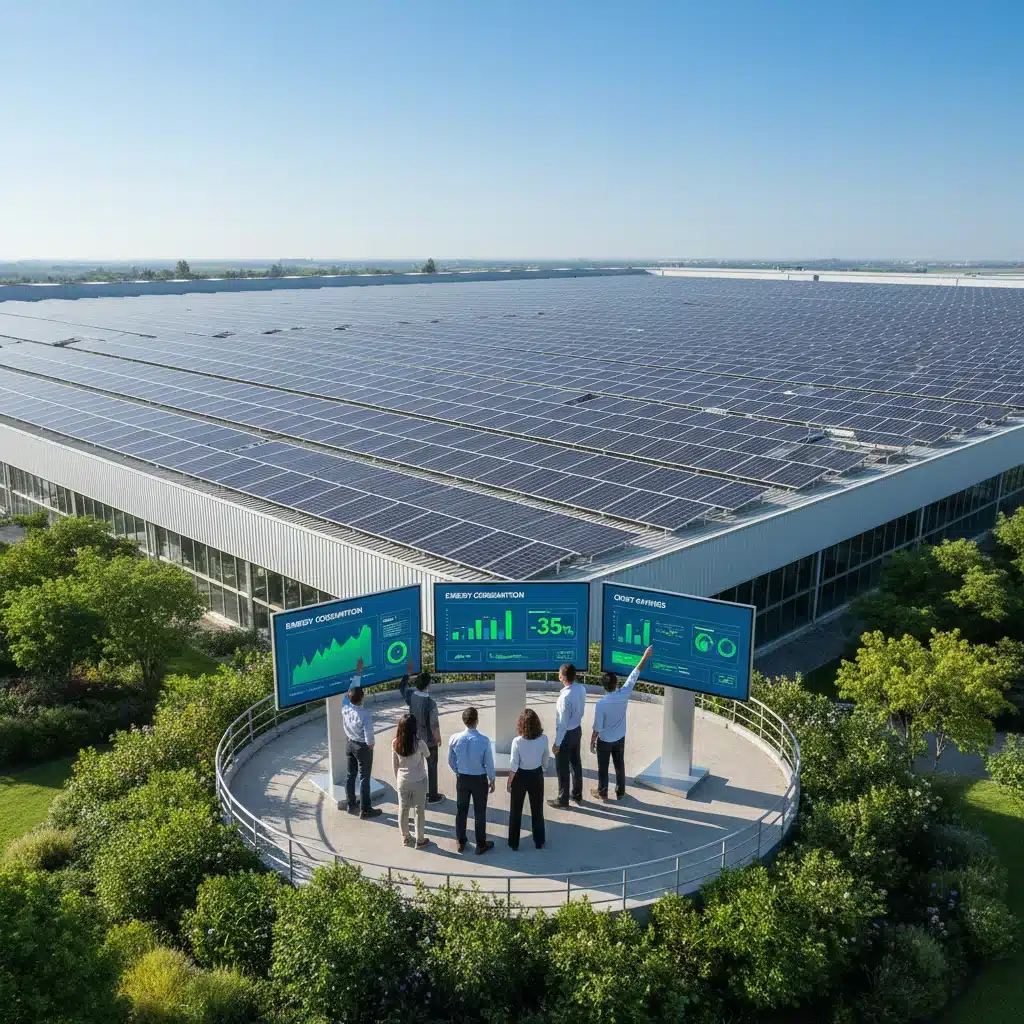
For instance, a manufacturing plant investing in rooftop solar panels can drastically reduce its electricity expenses, especially during peak operational hours. The initial capital outlay is often recouped within a few years, after which the energy generated represents pure savings. Moreover, some companies are participating in virtual power purchase agreements (VPPAs) or investing in off-site renewable energy projects, further stabilizing and reducing their long-term energy costs.
Waste Reduction and Circular Economy Principles
The linear economic model, where products are made, used, and then discarded, is inherently inefficient and costly. Landfill fees, raw material procurement, and disposal costs all eat into profit margins. U.S. companies are increasingly embracing circular economy principles to minimize waste and maximize resource value, leading to substantial cost reductions.
- Material Optimization: Redesigning products and processes to use fewer raw materials, or to use recycled and sustainably sourced materials. This reduces procurement costs and often leads to lighter, more efficient products.
- Waste Valorization: Finding new uses for waste products that were previously discarded. This could involve selling industrial by-products to other industries, converting organic waste into biogas, or composting. This transforms a cost center (waste disposal) into a revenue stream or a cost-saving opportunity.
- Repair, Reuse, and Remanufacturing: Extending the lifespan of products through repair services, facilitating product reuse, or remanufacturing components. This reduces the need for new material inputs and can create new service-based revenue models.
A prime example is the apparel industry, where companies are exploring textile recycling technologies to turn old garments into new fibers, significantly reducing their reliance on virgin materials and cutting down on waste disposal costs. Similarly, electronics manufacturers are developing modular products that are easier to repair and upgrade, thereby extending their useful life and reducing the environmental footprint and cost of constant replacement.
Supply Chain Optimization and Green Logistics
The supply chain offers a fertile ground for implementing sustainable business models and achieving cost reductions. By optimizing logistics and sourcing practices, companies can reduce fuel consumption, minimize emissions, and secure more reliable, ethically produced materials.
- Route Optimization: Using advanced software to plan the most efficient delivery routes, reducing fuel consumption and transportation costs.
- Consolidated Shipments: Maximizing cargo space to reduce the number of trips, thereby saving fuel and labor costs.
- Local Sourcing: Procuring materials and components from local suppliers reduces transportation distances and supports local economies, often leading to more resilient supply chains.
- Eco-friendly Packaging: Shifting to lighter, recyclable, or compostable packaging materials reduces shipping weight and disposal costs, while also appealing to environmentally conscious consumers.
Many U.S. retailers are now investing in electric delivery vehicles and optimizing their last-mile delivery networks, not just for environmental reasons but also for the significant fuel and maintenance cost savings they offer over traditional gasoline-powered fleets.
The Role of Technology in Driving Sustainable Cost Reductions
Technological innovation is a critical enabler of the 10% operational cost reduction target. From artificial intelligence and big data to advanced manufacturing techniques, technology is providing the tools necessary for businesses to implement and scale their sustainable initiatives effectively.
Data Analytics and AI for Efficiency
Big data analytics and artificial intelligence (AI) are transforming how companies manage resources and identify inefficiencies. By analyzing vast amounts of operational data, AI-powered systems can pinpoint areas of excessive energy consumption, predict equipment failures to enable proactive maintenance, and optimize production schedules to minimize waste. This data-driven approach allows for precise interventions that yield significant cost savings.
Advanced Manufacturing and Automation
Automated and additive manufacturing (3D printing) processes can significantly reduce material waste and energy consumption. 3D printing, for example, allows for the creation of complex parts with minimal material loss, often using recycled plastics or bioplastics. Automation can also lead to more consistent product quality, reducing rework and scrap rates.
Internet of Things (IoT) for Resource Monitoring
IoT devices, such as smart sensors, can monitor energy usage, water consumption, and even air quality in real-time. This granular data empowers businesses to understand their environmental footprint with unprecedented accuracy and to make informed decisions about where to focus their sustainability efforts for maximum impact and cost reduction.
Case Studies: U.S. Companies Leading the Way
Numerous U.S. companies are already demonstrating the financial benefits of adopting sustainable business models. Their successes provide a blueprint for others looking to achieve similar operational cost reductions.
Patagonia: Longevity and Repairability
Patagonia, the outdoor apparel company, is a pioneer in sustainability. Their business model emphasizes product longevity, repair, and recycling. By encouraging customers to repair rather than replace their gear, and by offering robust repair services, Patagonia reduces waste and fosters deep customer loyalty. This approach also reduces their need to constantly produce new items, thereby saving on raw material and manufacturing costs in the long run, even as it ensures a premium price point for their durable goods.
Walmart: Supply Chain Efficiency and Renewable Energy
Walmart, one of the world’s largest retailers, has made significant strides in sustainable supply chain management and renewable energy adoption. Through aggressive goals to reduce emissions and source renewable energy, Walmart has invested in solar panels on its stores and distribution centers, optimized its logistics, and pressured suppliers to adopt more sustainable practices. These initiatives have led to substantial energy cost savings and improved supply chain resilience.
Interface: Circular Economy in Flooring
Interface, a leading manufacturer of modular carpet tiles, is a textbook example of a circular economy in action. Their ‘Mission Zero’ initiative aimed to eliminate all negative environmental impact by 2020. They achieved this by using recycled content in their products, taking back old carpet tiles for recycling, and designing products for easy disassembly and material recovery. This not only reduced their reliance on virgin materials but also created a closed-loop system that drastically cut waste disposal costs and material procurement expenses.
Challenges and Opportunities for Widespread Adoption
While the benefits of sustainable business models are clear, widespread adoption still faces challenges. These include initial investment costs, lack of awareness, and the complexity of transforming established business processes. However, these challenges also present significant opportunities for innovation and competitive differentiation.
Overcoming Initial Investment Barriers
The upfront cost of implementing sustainable technologies or redesigning supply chains can be a deterrent for some businesses. However, a growing ecosystem of green financing options, government incentives, and the clear long-term ROI are helping to mitigate these barriers. Companies need to conduct thorough cost-benefit analyses that factor in long-term savings, enhanced brand reputation, and reduced regulatory risks.
Fostering a Culture of Sustainability
True sustainability requires a cultural shift within an organization. It’s not just a department’s responsibility but a mindset that permeates every level of the company. Employee engagement, training, and leadership commitment are crucial for successful implementation of sustainable practices that lead to cost reductions.
Regulatory Support and Policy Frameworks
Government policies and regulations play a vital role in accelerating the adoption of sustainable practices. Tax incentives for renewable energy, mandates for waste reduction, and support for green innovation can create a more favorable environment for businesses to invest in sustainability. The U.S. government’s increasing focus on climate change and green infrastructure is expected to further bolster these efforts.
The Future of Sustainable Business: Beyond 2026
The 10% operational cost reduction by 2026 is just one milestone in a much larger journey towards a truly sustainable economy. Looking beyond this immediate goal, the future of sustainable business models promises even deeper integration of environmental and social considerations, driven by continuous innovation and a growing recognition of the intrinsic link between planetary health and corporate prosperity.
Technological Advancements
Emerging technologies like carbon capture, advanced biofuels, and bio-based materials will further enhance the ability of businesses to reduce their environmental impact and optimize resource use. Quantum computing and advanced AI could revolutionize supply chain optimization and predictive analytics for sustainability.
Increased Collaboration and Ecosystem Thinking
Businesses will increasingly collaborate across industries to create circular ecosystems. For example, waste from one industry could become a valuable input for another. This inter-company synergy will unlock new efficiencies and cost savings that individual companies could not achieve alone.
Impact Investing and ESG Integration
The rise of impact investing and the increasing importance of ESG factors in investment decisions will continue to steer capital towards sustainable businesses. Companies with strong sustainability performance will find it easier to attract investment, access favorable financing, and ultimately, outperform their less sustainable counterparts.

The shift towards sustainable practices is not merely a trend; it’s a fundamental transformation of how businesses operate. The pursuit of environmental responsibility is proving to be a powerful catalyst for innovation, efficiency, and significant financial gains. As U.S. companies continue to refine and expand their sustainable business models, the projected 10% operational cost reduction by 2026 is not only achievable but also indicative of a much larger movement towards a more resilient, equitable, and prosperous future.
Conclusion: The Imperative for Sustainable Business Models
The journey towards achieving a 10% operational cost reduction by 2026 through green initiatives is a testament to the power of sustainable business models. U.S. companies are demonstrating that environmental stewardship and economic prosperity are not mutually exclusive but rather deeply intertwined. By embracing energy efficiency, circular economy principles, sustainable supply chain management, and leveraging cutting-edge technology, businesses are not only mitigating their environmental impact but also unlocking substantial financial benefits. The transition requires strategic investment, a cultural shift, and supportive policy frameworks, but the long-term rewards – reduced costs, enhanced brand reputation, increased innovation, and a more resilient future – far outweigh the initial challenges. As we move closer to 2026 and beyond, the imperative for sustainable business models will only grow stronger, solidifying their position as the cornerstone of modern, responsible, and profitable enterprise.