Bio-Integrated AI: 2026 Innovations & Ethical Healthcare Implications in the U.S.
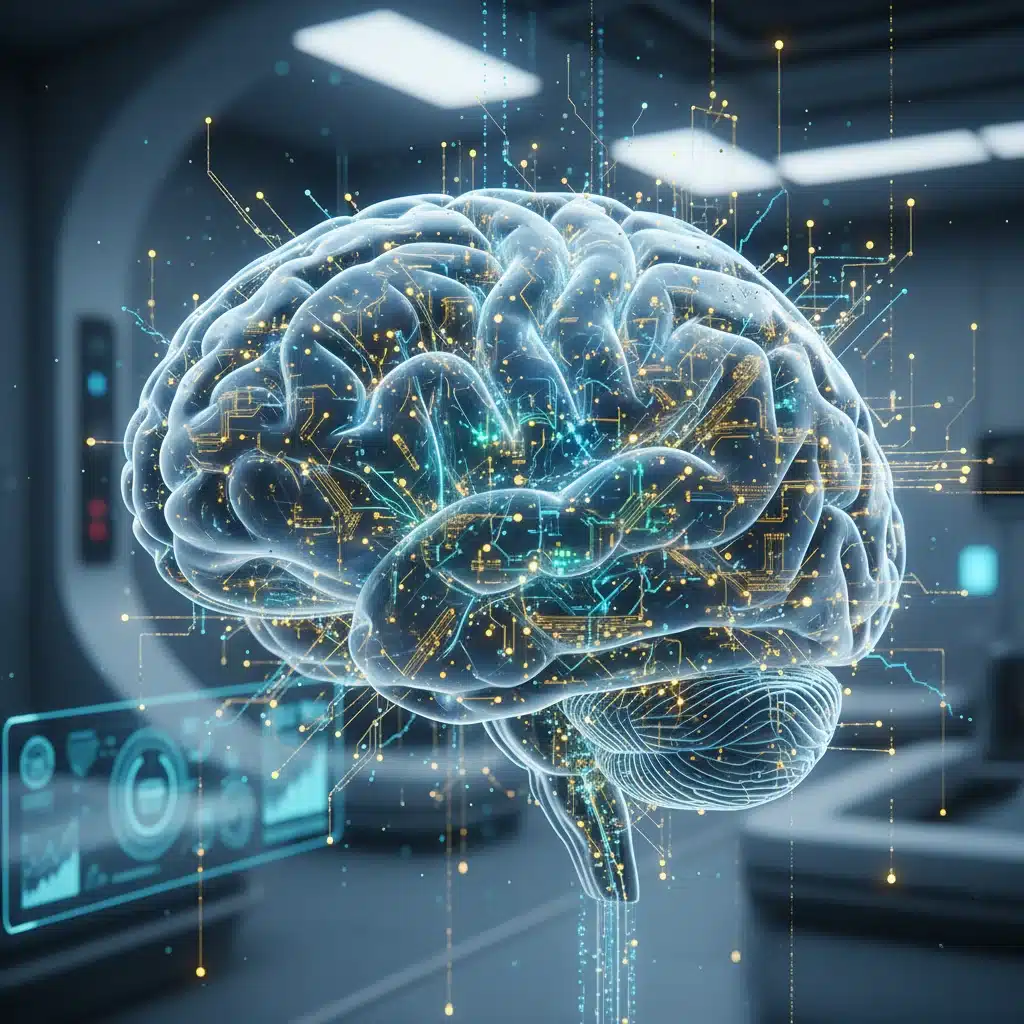
The healthcare landscape is perpetually evolving, driven by relentless innovation and a burgeoning understanding of human biology. As we approach 2026, one of the most significant and transformative developments on the horizon is the rise of Bio-Integrated AI Healthcare. This isn’t merely about AI assisting doctors or analyzing data; it’s about the profound convergence of artificial intelligence with biological systems, leading to unprecedented capabilities in diagnostics, treatment, and personalized medicine within the U.S. healthcare system. This article delves into the cutting-edge innovations emerging from this fusion, exploring their potential to revolutionize patient care while also scrutinizing the complex ethical implications that demand careful consideration.
The concept of bio-integrated AI moves beyond traditional AI applications by embedding intelligent systems directly within biological frameworks or creating interfaces that allow for seamless, real-time interaction between living organisms and artificial intelligence. This integration promises a future where technology is not just an external tool but an intrinsic part of medical intervention and human augmentation, offering solutions to some of healthcare’s most intractable challenges.
Understanding Bio-Integrated AI: A New Frontier in Healthcare
To fully grasp the impact of Bio-Integrated AI Healthcare, it’s crucial to define its scope. Unlike conventional AI, which operates as a separate entity processing data, bio-integrated AI aims for a symbiotic relationship. This can manifest in several ways: AI systems that directly interface with the human nervous system, bio-sensors enhanced with AI for predictive analysis, or even AI-driven biological constructs designed for therapeutic purposes. The goal is to create systems that can understand, interpret, and interact with biological signals and processes at an unprecedented level of intimacy and precision.
The foundational technologies enabling this integration include advanced neuroscience, nanotechnology, synthetic biology, and sophisticated machine learning algorithms. These fields are converging to create devices and systems that can monitor physiological states with extreme accuracy, deliver targeted therapies with minimal invasiveness, and even augment human cognitive or physical capabilities. The implications for chronic disease management, neurological disorders, and personalized treatment regimens are nothing short of revolutionary.
Key Innovations in Bio-Integrated AI for U.S. Healthcare by 2026
By 2026, several key innovations are expected to move from research labs into clinical trials and even early adoption phases, fundamentally altering the landscape of U.S. healthcare. These advancements highlight the diverse applications of Bio-Integrated AI Healthcare.
Neuromodulation and Brain-Computer Interfaces (BCIs)
One of the most exciting areas is the advancement of Brain-Computer Interfaces (BCIs). While rudimentary BCIs have existed for years, bio-integrated AI is propelling them into new realms. By 2026, we anticipate BCIs that are smaller, more powerful, and capable of bidirectional communication. This means not only controlling prosthetic limbs or external devices with thought but also potentially restoring sensory functions or even enhancing cognitive abilities through direct neural feedback. For patients with severe paralysis, neurological disorders like Parkinson’s, or even profound sensory loss, these bio-integrated systems offer a lifeline, translating neural signals into actionable commands or therapeutic interventions.
Furthermore, neuromodulation techniques, powered by AI, are becoming increasingly sophisticated. AI algorithms can analyze real-time brain activity and adjust stimulation parameters for conditions such as epilepsy, chronic pain, and depression with unprecedented precision, minimizing side effects and maximizing therapeutic efficacy. These systems learn and adapt to individual patient responses, optimizing treatment over time.
AI-Enhanced Biosensors and Wearable Diagnostics
The next generation of biosensors, deeply integrated with AI, will provide continuous, non-invasive, and highly accurate health monitoring. Imagine wearable devices that don’t just track heart rate but can predict the onset of cardiac events days in advance by analyzing subtle physiological shifts and biochemical markers. These bio-integrated sensors, powered by advanced machine learning, can detect minute changes in blood chemistry, cellular activity, or even genetic expression, offering early warnings for a wide range of diseases, from diabetes to certain cancers.
These devices will move beyond simple data collection to intelligent interpretation, providing personalized health insights and proactive recommendations. This shift from reactive treatment to predictive and preventative care is a cornerstone of the Bio-Integrated AI Healthcare revolution, empowering individuals to take more control over their health and enabling clinicians to intervene much earlier.
AI-Driven Drug Delivery Systems and Nanomedicine
Bio-integrated AI is also making significant strides in targeted drug delivery. Nanobots or smart drug delivery systems, guided by AI, can precisely identify diseased cells or tissues and release therapeutic agents only where needed, minimizing systemic side effects. For cancer treatment, this means highly targeted chemotherapy that spares healthy cells, leading to more effective treatments with fewer adverse reactions. These systems can also monitor the drug’s effect in real-time and adjust dosage or delivery mechanisms dynamically, optimizing therapeutic outcomes.
In 2026, we could see early clinical applications of AI-powered nanomedicine that can perform tasks like clearing arterial plaque, repairing damaged tissues at a cellular level, or even delivering genetic therapies with unprecedented accuracy. The ability of AI to navigate complex biological environments and make autonomous decisions based on real-time feedback is central to these advancements.
Genomic AI and Personalized Treatment Pathways
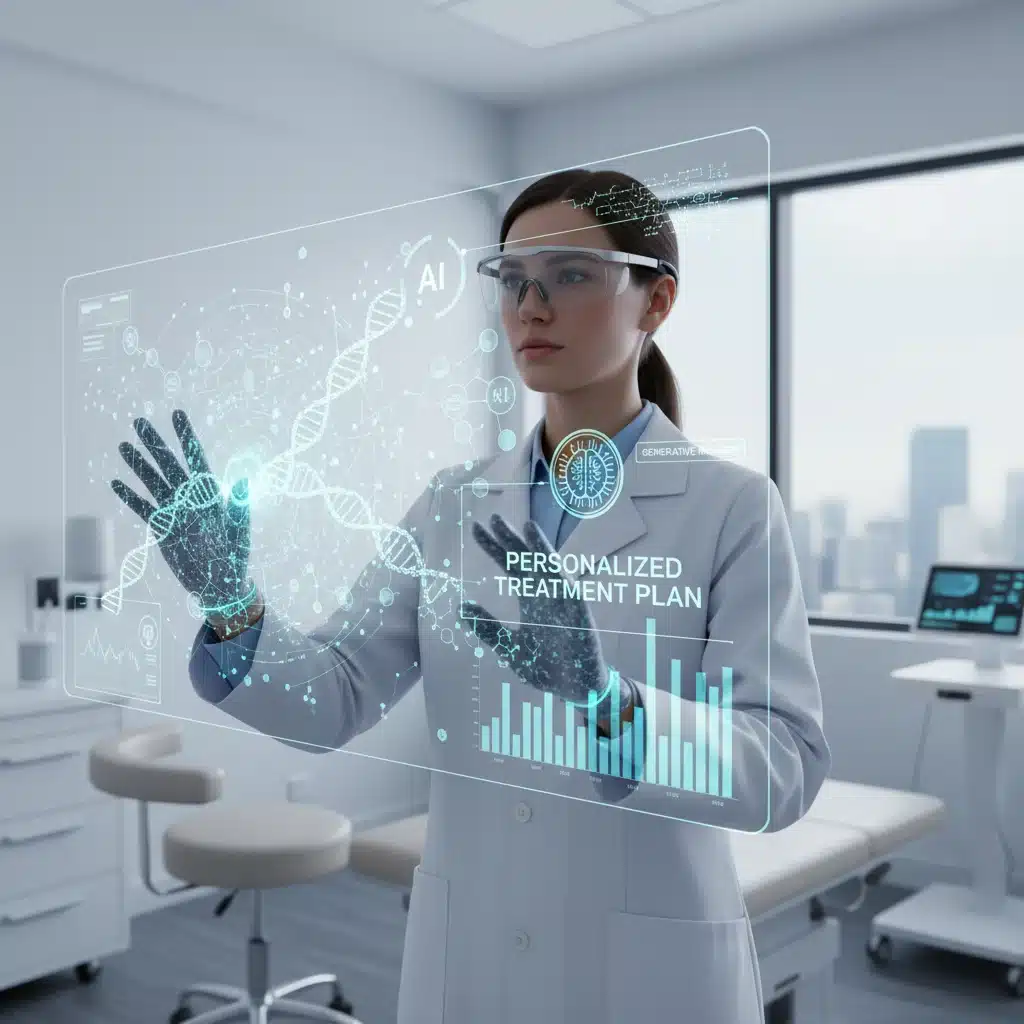
The integration of AI with genomic data is leading to truly personalized medicine. Bio-integrated AI systems can analyze an individual’s complete genetic profile, alongside their medical history, lifestyle, and environmental factors, to predict disease risk, determine drug efficacy, and tailor treatment plans. This goes beyond static genomic analysis; it involves AI models that continuously learn from new biological data, adapting treatment strategies as more information becomes available or as the patient’s condition evolves.
For complex conditions like autoimmune diseases or rare genetic disorders, Bio-Integrated AI Healthcare offers the promise of identifying unique biomarkers and developing bespoke therapies that would be impossible with traditional methods. By 2026, this level of personalization will begin to transition from niche research to more widespread clinical application, especially in specialized U.S. medical centers.
Ethical Implications for U.S. Healthcare
While the potential benefits of Bio-Integrated AI Healthcare are immense, the ethical implications are equally profound and require urgent attention. The U.S. healthcare system, with its complex regulatory environment and diverse patient population, faces unique challenges in navigating this new frontier.
Privacy and Data Security
The integration of AI with biological systems generates an unprecedented volume of highly sensitive personal health data. Brain activity, genetic sequences, real-time physiological metrics – this information is incredibly valuable and intensely personal. Ensuring the privacy and security of this data is paramount. Robust encryption, anonymization techniques, and stringent access controls will be essential. However, the inherent nature of bio-integrated systems means data is often collected continuously and directly from the body, raising new questions about data ownership, consent, and the potential for misuse or breaches. How do we protect individuals from unwanted surveillance or the exploitation of their most intimate biological information?
Autonomy and Control
As AI systems become more integrated with human biology, questions of autonomy arise. If an AI system is making real-time decisions about drug delivery or neuromodulation, to what extent does the patient retain control? What happens if a patient wants to override an AI’s recommendation, especially if the AI is designed to optimize for long-term health outcomes that might conflict with immediate comfort or preference? The balance between AI-driven optimization and patient self-determination will be a critical ethical dilemma. Furthermore, the potential for cognitive enhancement through BCIs raises questions about fairness, access, and societal pressure to adopt such technologies, potentially creating a new form of inequality.
Equity and Access
The advanced nature and likely high cost of early Bio-Integrated AI Healthcare technologies raise significant concerns about equitable access. Will these life-changing innovations only be available to the wealthy, exacerbating existing health disparities in the U.S.? Policymakers and healthcare providers must proactively address how these technologies can be made accessible to all who need them, regardless of socioeconomic status. This includes considering public funding, insurance coverage mandates, and initiatives to reduce the cost of development and deployment.
Accountability and Responsibility
When an AI system is integrated into a patient’s body and makes autonomous decisions, who is responsible if something goes wrong? Is it the developer of the AI algorithm, the manufacturer of the device, the prescribing physician, or the hospital? The traditional legal frameworks for medical malpractice may not adequately cover the complexities of bio-integrated AI. Clear guidelines for accountability, liability, and regulatory oversight will be crucial to foster trust and ensure patient safety. The ‘black box’ problem, where AI decision-making processes are opaque, further complicates this, making it difficult to understand why an AI made a particular choice.
The Definition of ‘Human’ and Human Enhancement
Perhaps the most philosophical ethical implication is how Bio-Integrated AI Healthcare will challenge our understanding of what it means to be human. If AI systems can augment our cognitive abilities, restore lost functions, or even potentially extend our lifespan, where do we draw the line between therapy and enhancement? What are the long-term societal impacts of a world where some individuals are biologically and technologically augmented? These questions, while seemingly distant, will become increasingly pressing as these technologies mature.
Regulatory Landscape and Future Outlook in the U.S.
The U.S. regulatory bodies, particularly the FDA, are already grappling with how to classify and approve AI-driven medical devices. Bio-integrated AI presents an even greater challenge due to its invasive nature and dynamic interaction with biological systems. By 2026, we can expect to see the development of more specialized regulatory pathways that address the unique safety, efficacy, and ethical considerations of these technologies. This will likely involve rigorous long-term studies, enhanced post-market surveillance, and potentially new consent paradigms.
Collaboration between technologists, ethicists, policymakers, and patient advocacy groups will be essential to create a robust and adaptive regulatory framework. The goal must be to foster innovation while safeguarding patient welfare and upholding societal values. The development of ethical AI guidelines, similar to those being explored in Europe and other regions, will likely become a critical component of U.S. healthcare policy.

Looking ahead, the trajectory of Bio-Integrated AI Healthcare in the U.S. is one of immense promise tempered by significant responsibility. The innovations emerging are poised to redefine what’s possible in medicine, offering hope for conditions previously considered untreatable and enabling a level of personalized care that was once science fiction. However, the ethical challenges demand proactive engagement, thoughtful policy-making, and an ongoing societal dialogue to ensure that these powerful technologies serve humanity’s best interests.
The Path Forward: Collaborative Development and Ethical Frameworks
The successful and responsible integration of Bio-Integrated AI Healthcare into the U.S. system hinges on a multi-faceted approach. First, there needs to be continued and robust investment in interdisciplinary research. This means not just funding technological advancement but also actively supporting research into the ethical, social, and legal implications from the very outset of development. Engineers, biologists, medical professionals, ethicists, sociologists, and legal experts must collaborate closely to anticipate challenges and design solutions that are not only effective but also ethical and equitable.
Second, public education and engagement are paramount. As these technologies become more prevalent, it is crucial for the public to understand what bio-integrated AI is, how it works, and what its potential benefits and risks are. Transparent communication can help build trust and ensure that societal values are reflected in the development and deployment of these innovations. Citizen forums, educational campaigns, and open dialogues can demystify these complex topics and empower individuals to participate in the conversation about their future.
Third, regulatory frameworks must be agile and adaptive. Traditional regulatory processes, which can be slow and rigid, may struggle to keep pace with the rapid advancements in bio-integrated AI. A more iterative and adaptive regulatory approach, perhaps involving ‘sandboxes’ for testing new technologies in controlled environments, could allow for faster, yet still safe, integration. This would also require continuous review and updates to policies as the technology evolves and new ethical considerations emerge.
Finally, international cooperation will be vital. Given the global nature of scientific research and technological development, harmonizing ethical guidelines and regulatory standards across countries can prevent regulatory arbitrage and ensure a consistent approach to these universally impactful technologies. Sharing best practices and lessons learned from different healthcare systems can accelerate responsible innovation and prevent unintended consequences on a global scale.
Conclusion: A Future Transformed by Bio-Integrated AI
By 2026, Bio-Integrated AI Healthcare will no longer be a distant dream but a tangible reality shaping the future of medicine in the U.S. From advanced BCIs restoring function to AI-driven nanomedicine delivering precision therapies, the innovations are poised to bring about a new era of health and well-being. However, this transformative power comes with a weighty responsibility. The ethical implications surrounding data privacy, patient autonomy, equitable access, and accountability are not mere footnotes but central pillars that must guide development and deployment.
The journey into bio-integrated AI demands a careful balance between pushing the boundaries of scientific possibility and upholding fundamental human values. By fostering collaborative environments, establishing robust ethical frameworks, and engaging in continuous public discourse, the U.S. healthcare system can harness the full potential of bio-integrated AI to create a future where advanced technology truly serves the health and dignity of every individual. The choices made in the coming years will determine whether this revolutionary technology leads to a more equitable and healthier society for all.