
The Rise of Conscious Consumerism: What 50% of U.S. Shoppers Demand from Brands by Late 2026
In an era defined by rapid information exchange and growing global awareness, the landscape of consumer behavior is undergoing a profound transformation. No longer are purchasing decisions solely dictated by price, quality, or convenience. A powerful new force, conscious consumerism trends, is reshaping market dynamics, compelling brands to adopt ethical, sustainable, and transparent practices. By late 2026, it is projected that a staggering 50% of U.S. shoppers will not just prefer but actively demand these attributes from the brands they choose to support. This isn’t merely a niche market; it’s a mainstream movement that every business, regardless of size or sector, must acknowledge and strategically address.
The shift towards conscious consumerism is driven by a confluence of factors: increased awareness of environmental degradation, social injustices, and corporate accountability. Consumers are becoming more discerning, using their purchasing power as a vote for the kind of world they want to live in. They are researching, questioning, and holding brands to higher standards. This article delves deep into the core tenets of conscious consumerism trends, exploring what these demands entail, why they are gaining such momentum, and how businesses can not only adapt but thrive in this evolving marketplace. Understanding these shifts is not just good for public relations; it’s becoming essential for long-term commercial viability.
Defining Conscious Consumerism: Beyond Greenwashing
At its heart, conscious consumerism is about making purchasing decisions that align with one’s values, considering the social, environmental, and ethical impact of products and services. It’s a move away from purely transactional exchanges towards a more holistic view of consumption. This isn’t a new concept, but its scale and influence have grown exponentially. Historically, ethical consumerism was often seen as a fringe movement, limited to specific demographics or product categories. Today, it permeates almost every aspect of the market, from food and fashion to technology and travel.
However, the rise of conscious consumerism has also brought challenges, particularly the issue of ‘greenwashing.’ Greenwashing occurs when a company deceptively markets its products or policies as environmentally friendly or ethical without genuinely implementing sustainable practices. Savvy conscious consumers are increasingly adept at spotting these superficial claims, demanding verifiable proof and genuine commitment. This means brands must move beyond mere rhetoric and demonstrate tangible actions, transparent reporting, and continuous improvement in their sustainability and ethical frameworks. The discerning nature of modern consumers means that authenticity is paramount. Brands that fail to deliver on their promises risk not only losing sales but also suffering irreparable damage to their reputation. The power of social media amplifies both positive and negative brand perceptions, making genuine commitment to conscious consumerism trends more critical than ever.
The Driving Forces Behind the Shift: Why Now?
Several significant factors are accelerating the adoption of conscious consumerism trends. Understanding these drivers is crucial for businesses aiming to connect with this growing demographic.
Environmental Concerns: A Planet in Peril
The undeniable reality of climate change, resource depletion, and pollution has moved from scientific discourse to everyday consciousness. Consumers are witnessing the direct impacts of environmental degradation, from extreme weather events to plastic-filled oceans. This heightened awareness fuels a desire to reduce their personal footprint and support brands that are actively working to mitigate environmental harm. This includes demands for sustainable sourcing, reduced waste, circular economy models, and carbon neutrality. Brands that can demonstrate a genuine commitment to environmental stewardship gain a significant competitive advantage. This extends beyond product features to encompass the entire lifecycle of a product, from raw material extraction to disposal.
Social Justice and Ethical Labor Practices
Global supply chains, while efficient, have often been marred by issues of unfair labor practices, exploitation, and human rights abuses. Thanks to investigative journalism, documentaries, and social media, consumers are more aware of these hidden costs. They are increasingly demanding that brands ensure fair wages, safe working conditions, and respect for human rights throughout their entire supply chain. This extends to transparency about where products are made, by whom, and under what conditions. The concept of ‘fair trade’ has expanded beyond coffee and chocolate to encompass a wide array of goods, reflecting a broader concern for social equity. Companies that can verify ethical labor practices and provide clear visibility into their supply chain will earn the trust and loyalty of conscious consumers.
Transparency and Accountability: The Information Age Demands It
In the digital age, information is abundant and accessible. Consumers can easily research a company’s practices, read reviews, and compare ethical claims. This unprecedented access to information has fostered a demand for greater transparency from brands. Consumers want to know not just what they are buying, but who made it, where it came from, and what impact its production had. This includes transparent reporting on environmental metrics, social impact, and corporate governance. Brands that are open about their challenges and progress, rather than just their successes, often build greater trust. Accountability is also key: conscious consumers expect brands to take responsibility for their actions and to rectify any shortcomings proactively. This culture of transparency is a cornerstone of current conscious consumerism trends.
Personal Values and Identity
For many, conscious consumption is an extension of their personal identity and values. Supporting brands that align with their beliefs provides a sense of purpose and contributes to a positive self-image. This is particularly true for younger generations, who are often more socially and environmentally aware. Their purchasing decisions are not just about acquiring goods; they are about expressing who they are and what they stand for. Brands that understand and resonate with these deeper personal values can forge stronger, more meaningful connections with their customers. This emotional connection goes beyond mere brand loyalty; it fosters a sense of shared mission and community.
The Specific Demands: What 50% of U.S. Shoppers Will Expect by 2026
By late 2026, the preferences of conscious consumers will solidify into concrete demands that brands ignore at their peril. Here’s a breakdown of what these discerning shoppers will expect:
1. Verifiable Sustainability and Environmental Impact
This is perhaps the most prominent demand. Consumers will expect brands to:
- Sustainable Sourcing: Use raw materials that are ethically and sustainably sourced, minimizing ecological harm. This includes certified wood, organic cotton, recycled content, and responsibly mined minerals.
- Reduced Carbon Footprint: Demonstrate efforts to reduce greenhouse gas emissions across their operations, from manufacturing to transportation. Carbon neutrality or net-zero commitments will be highly valued.
- Waste Reduction and Circularity: Implement strategies to minimize waste generation, including packaging reduction, recyclable or compostable packaging, and participation in circular economy models (e.g., take-back programs, repair services, product-as-a-service).
- Water Conservation: Show commitment to reducing water usage in production processes and protecting water resources.
- Biodiversity Protection: Avoid practices that harm ecosystems and actively contribute to biodiversity conservation.
2. Ethical Labor and Fair Practices
Beyond basic legal compliance, conscious consumers will seek brands that champion:
- Fair Wages and Benefits: Ensure that all workers in their supply chain receive a living wage and decent benefits.
- Safe Working Conditions: Provide healthy and safe environments for all employees, free from exploitation or discrimination.
- Human Rights: Uphold and respect human rights throughout their global operations, with zero tolerance for forced labor or child labor.
- Diversity, Equity, and Inclusion (DEI): Demonstrate a commitment to DEI within their own corporate structure and in their broader impact.
- Community Impact: Engage positively with the communities where they operate, contributing to local development and well-being.
3. Full Transparency and Traceability
The ‘black box’ approach to supply chains is becoming obsolete. Consumers want:
- Supply Chain Visibility: Clear, accessible information about the origin of materials, manufacturing locations, and key suppliers. Blockchain technology is emerging as a powerful tool for this.
- Ingredient Disclosure: Comprehensive and easy-to-understand lists of ingredients, components, and their sources, particularly in food, cosmetics, and apparel.
- Impact Reporting: Regular, audited reports on environmental, social, and governance (ESG) performance, going beyond mere marketing claims.
- Certifications: Recognition from reputable third-party certifications (e.g., B Corp, Fair Trade, Organic, Leaping Bunny) as verifiable proof of commitment.

4. Brand Authenticity and Purpose-Driven Marketing
Consumers are wary of brands that simply jump on the ‘ethical’ bandwagon without genuine conviction. They seek:
- Authentic Storytelling: Brands that genuinely communicate their values, mission, and the real stories behind their products and people.
- Consistent Messaging: Alignment between a brand’s stated values and its actions across all aspects of its business.
- Purpose Beyond Profit: Evidence that the brand is driven by a genuine purpose beyond maximizing shareholder returns, contributing positively to society or the environment.
- Advocacy: Brands that take a stand on important social and environmental issues, using their platform to drive positive change.
The Business Imperative: Adapting to Conscious Consumerism
For businesses, adapting to these conscious consumerism trends is no longer optional; it’s a strategic imperative. Those that fail to evolve risk losing market share, alienating customers, and facing reputational damage. Conversely, brands that embrace these demands can unlock significant opportunities.
Enhanced Brand Reputation and Loyalty
Brands perceived as ethical and sustainable build stronger trust with consumers. This translates into increased brand loyalty, as conscious consumers are often willing to pay a premium for products that align with their values. A strong reputation also makes a brand more attractive to top talent, who increasingly seek to work for companies with a positive social and environmental impact.
Competitive Differentiation
In crowded markets, ethical and sustainable practices can serve as a powerful differentiator. Brands that genuinely commit to these principles stand out from competitors, attracting a growing segment of the market that prioritizes impact over traditional metrics. This can open new market segments and create innovative product lines.
Innovation and Efficiency
The pursuit of sustainability often leads to innovation. Companies exploring new materials, production processes, and supply chain models can discover more efficient and cost-effective ways of operating. For example, reducing waste not only benefits the environment but also cuts operational costs. Embracing circular economy principles can lead to entirely new business models and revenue streams.
Risk Mitigation
Proactively addressing environmental and social concerns can mitigate various business risks, including regulatory fines, supply chain disruptions due to climate change, and negative public sentiment. Brands with robust ethical frameworks are better positioned to navigate an increasingly complex and scrutinized global landscape.
Access to Capital
Investors are increasingly integrating ESG (Environmental, Social, and Governance) factors into their investment decisions. Companies with strong ESG performance often find it easier to attract capital, as they are perceived as more resilient and future-proof. This growing trend in sustainable finance further reinforces the business case for adopting conscious practices.
Strategies for Brands to Embrace Conscious Consumerism
To successfully navigate the evolving demands of conscious consumerism trends, brands need a comprehensive and authentic strategy. Here are key steps:
1. Conduct a Comprehensive ESG Audit
Before making any claims, brands must understand their current environmental, social, and governance footprint. This involves auditing their supply chain, manufacturing processes, labor practices, and waste management. Identify areas of strength and, more importantly, areas that require significant improvement. This audit forms the baseline for setting realistic goals and measuring progress.
2. Set Clear, Measurable, and Achievable Goals
Based on the audit, establish specific, measurable, achievable, relevant, and time-bound (SMART) goals for sustainability and ethical performance. For example, ‘reduce carbon emissions by 30% by 2030’ or ‘achieve 100% fair trade certification for key raw materials by 2025.’ These goals should be publicly communicated to foster accountability.
3. Invest in Sustainable Innovation
This includes research and development into eco-friendly materials, energy-efficient production technologies, and circular design principles. Collaborate with startups, academics, and industry experts to find innovative solutions. This investment is not just about compliance; it’s about future-proofing the business and creating new value propositions.
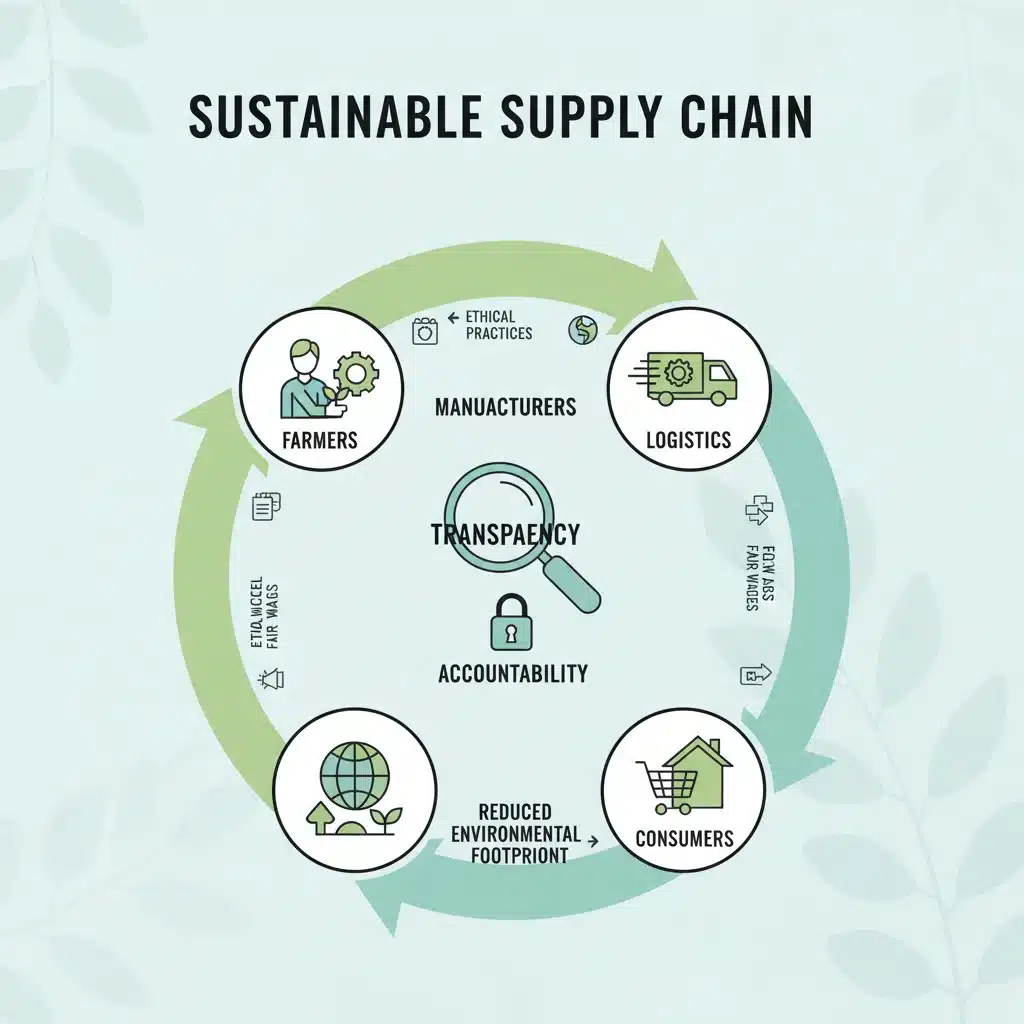
4. Enhance Supply Chain Transparency and Traceability
Work closely with suppliers to ensure ethical sourcing and labor practices. Implement technologies like blockchain to track products from raw material to consumer. Be prepared to share this information with consumers, providing them with the assurance they seek. This might involve robust supplier codes of conduct and regular independent audits.
5. Communicate Authentically and Transparently
Share your journey, including challenges and successes, with your audience. Avoid greenwashing or making exaggerated claims. Use clear, honest language and provide verifiable data. Engage in two-way communication, listening to consumer feedback and demonstrating responsiveness. Authenticity builds trust far more effectively than perfection.
6. Engage Employees and Stakeholders
Conscious consumerism is not just an external strategy; it must be embedded within the company culture. Educate and empower employees to understand and contribute to sustainability goals. Engage stakeholders, including local communities, NGOs, and industry peers, to foster a collaborative approach to impact. Employee engagement can drive internal innovation and ensure consistent messaging.
7. Seek and Promote Relevant Certifications
Third-party certifications provide independent verification of a brand’s claims, building consumer trust. Identify and pursue certifications relevant to your industry and products (e.g., B Corp, Fair Trade, Organic, LEED for buildings). Clearly display these certifications on products and marketing materials.
The Future of Consumption: A Mindful Marketplace
By late 2026, the influence of conscious consumerism trends will be undeniable, with half of U.S. shoppers actively making choices based on a brand’s ethical and sustainable credentials. This shift represents a fundamental realignment of market power, putting greater emphasis on corporate responsibility and genuine impact. Brands that proactively embrace these demands will not only secure their future but also contribute to a more equitable and sustainable world.
The journey towards full sustainability and ethical operations is complex and ongoing. It requires continuous effort, investment, and a willingness to adapt. However, the rewards are substantial: deeper customer loyalty, a stronger brand reputation, increased innovation, and a positive impact on the planet and its people. The mindful marketplace is here to stay, and the brands that thrive will be those that genuinely listen to, and act upon, the demands of the conscious consumer.
Ultimately, conscious consumerism is more than a trend; it’s a reflection of evolving societal values. As consumers become more informed and empowered, their collective choices will continue to drive systemic change across industries. For businesses, this means moving beyond a purely profit-driven model to one that integrates purpose, people, and planet into its core strategy. The brands that lead in this new era will be those that embody integrity, transparency, and a genuine commitment to making a positive difference, setting the standard for what it means to be a truly responsible enterprise in the 21st century.