Remote Work Revolution 2.0: U.S. Business Trends, Productivity & Retention
Remote Work Revolution 2.0: What the Latest 3 Months of U.S. Business Trends Tell Us About Productivity and Employee Retention in Hybrid Models
The world of work has undergone a seismic shift, and the reverberations continue to be felt across the United States. What began as a necessity during a global crisis has evolved into a deeply ingrained and often preferred mode of operation for countless businesses and their employees. We’re not just talking about remote work anymore; we’re witnessing the Remote Work Revolution 2.0, characterized by nuanced hybrid models and a constant re-evaluation of traditional workplace norms. Understanding the latest remote work trends is not just beneficial, it’s critical for businesses aiming to thrive in this new landscape.
Over the past three months, U.S. businesses have continued to experiment, adapt, and solidify their stances on flexible work arrangements. This period has been particularly telling, offering fresh data and insights into how these models impact two crucial aspects of organizational success: productivity and employee retention. As companies navigate the complexities of managing dispersed teams, fostering culture, and maintaining operational efficiency, the lessons learned from recent trends are invaluable.
This article delves deep into the most recent U.S. business trends concerning remote and hybrid work. We will explore the evolving definitions, the tangible impacts on productivity metrics, and the innovative strategies companies are employing to retain top talent in an increasingly competitive and flexible job market. From the challenges of maintaining connection to the triumphs of enhanced work-life balance, we’ll cover the spectrum of experiences shaping the future of work.
The Evolving Landscape of Remote Work Trends: A Three-Month Snapshot
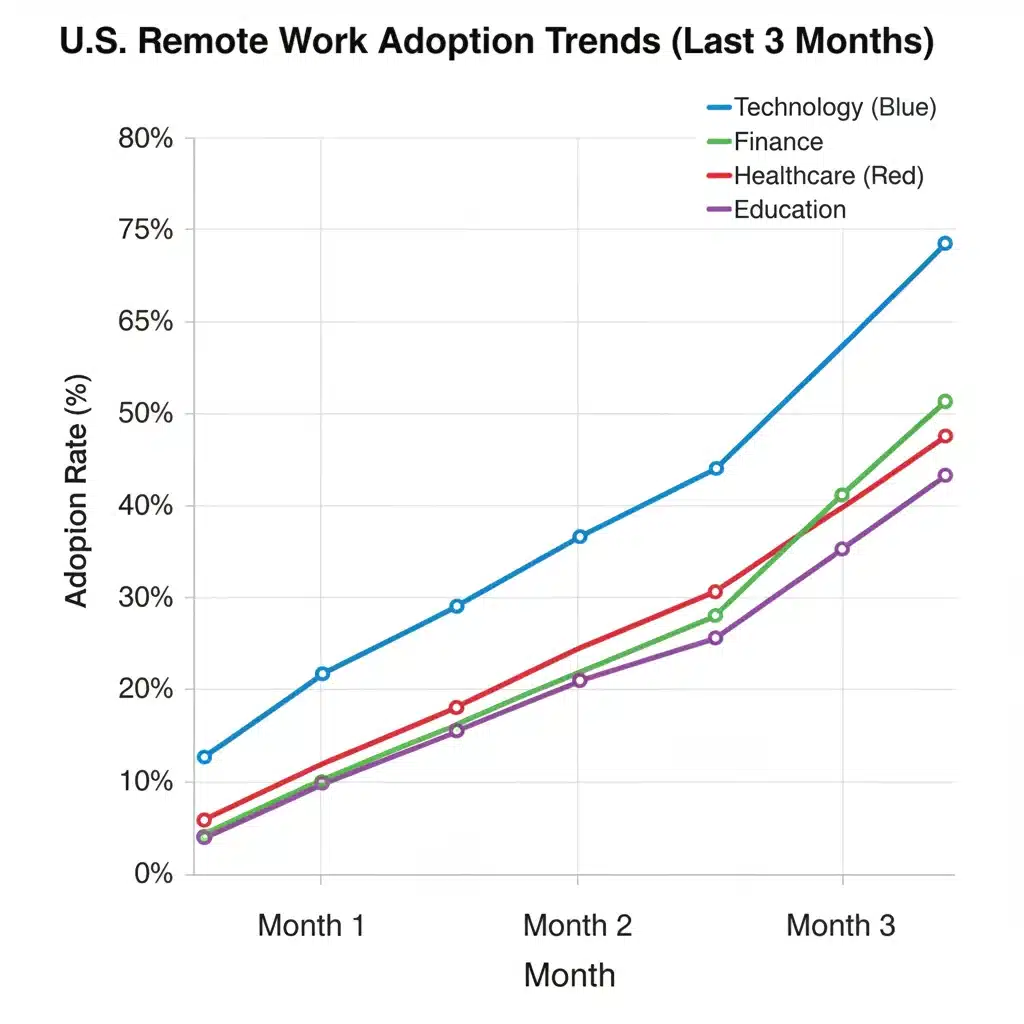
The narrative around remote work has matured significantly. What was once viewed as a temporary measure is now recognized as a permanent fixture in the operational strategies of many organizations. The last three months have seen a consolidation of hybrid models, with companies moving beyond initial reactive policies to more strategic, data-driven approaches. The primary remote work trends indicate a strong preference for flexibility among employees, pushing businesses to offer more adaptable options to attract and retain talent.
Recent surveys and reports highlight that a substantial percentage of the U.S. workforce now operates under some form of hybrid arrangement, blending in-office and remote days. This isn’t a one-size-fits-all solution; the ideal hybrid model varies significantly by industry, company size, and even team function. Some businesses have opted for structured hybrid approaches, dictating specific in-office days, while others have embraced more fluid, team-led decisions. The key takeaway from these recent observations is that flexibility is no longer a perk but an expectation.
Furthermore, the technology infrastructure supporting remote work has seen continued investment and innovation. Tools for virtual collaboration, project management, and secure remote access have become more sophisticated, addressing many of the initial pain points associated with distributed teams. This technological advancement is a cornerstone of the current remote work trends, enabling seamless operations regardless of physical location. The emphasis has shifted from simply enabling remote work to optimizing it for maximum efficiency and employee well-being.
Productivity Paradox: Unpacking the Impact of Hybrid Models
One of the most fiercely debated aspects of the remote work revolution has been its impact on productivity. Initial concerns about decreased oversight and potential distractions have largely been tempered by evidence suggesting that, when managed effectively, remote and hybrid models can sustain or even boost productivity. The latest three months of U.S. business trends offer more clarity on this complex issue, revealing a nuanced picture.
Many companies report that individual productivity has remained stable or improved, particularly for tasks requiring deep focus. Employees often appreciate the reduced commute times and greater autonomy, which can lead to increased job satisfaction and, consequently, higher engagement. However, the data also points to potential dips in collaborative productivity for certain types of tasks, especially those requiring spontaneous brainstorming or rapid problem-solving that traditionally benefited from in-person interaction. This is where the hybrid model aims to strike a balance, bringing teams together physically for specific collaborative efforts while allowing for focused individual work remotely.
The measurement of productivity itself has also evolved. Businesses are moving beyond simple output metrics to consider broader indicators like employee well-being, innovation rates, and the quality of work. Companies that have successfully implemented hybrid models often emphasize clear goal setting, regular check-ins, and performance-based evaluations rather than hours logged. This shift in focus is a critical component of understanding current remote work trends and their true impact on organizational output.
However, the challenge remains for leaders to create an environment where both individual and collective productivity can flourish. This involves investing in training for managers on how to lead hybrid teams, providing access to necessary tools, and fostering a culture of trust and transparency. The success stories from the past quarter often highlight organizations that have proactively addressed these elements, demonstrating that productivity in a flexible environment is not accidental but designed.
Employee Retention in the Flexible Workplace: Strategies and Successes
Perhaps one of the most compelling arguments for embracing flexible work models is their profound impact on employee retention. In today’s competitive job market, where talent acquisition is a constant battle, offering desirable work arrangements has become a powerful differentiator. The past three months have solidified the notion that companies providing flexibility are better positioned to attract and keep their best people.
Employees, particularly younger generations, increasingly prioritize work-life balance and autonomy. The ability to work remotely, even for a few days a week, significantly enhances job satisfaction and reduces stress associated with commuting and rigid schedules. This, in turn, translates into lower turnover rates. Businesses that have resisted flexible work options are often finding themselves at a disadvantage, struggling to fill open positions and experiencing higher attrition.
Beyond simply offering remote options, successful companies are implementing comprehensive strategies to bolster retention in hybrid environments. These include:
- Enhanced Communication Protocols: Establishing clear channels and expectations for communication, ensuring that remote employees feel connected and informed.
- Investment in Employee Well-being: Offering resources for mental health, ergonomic support for home offices, and programs that promote physical activity.
- Fairness and Equity: Ensuring that remote and in-office employees have equal access to opportunities for development, promotion, and recognition. Avoiding the ‘proximity bias’ is crucial.
- Culture Building: Proactive efforts to maintain and evolve company culture through virtual team-building events, in-person gatherings, and shared experiences.
- Leadership Training: Equipping managers with the skills to effectively lead, motivate, and evaluate hybrid teams, focusing on outcomes rather than presence.
These strategies are not just about retaining employees; they are about fostering an engaged, loyal, and productive workforce. The latest remote work trends underscore that a thoughtful approach to flexibility is an investment in human capital, yielding significant returns in the long run.
Challenges and Solutions: Navigating the Hybrid Terrain
While the benefits of remote and hybrid work are clear, the path is not without its challenges. U.S. businesses have spent the last quarter grappling with issues ranging from maintaining company culture to ensuring equitable treatment for all employees, regardless of their work location. Understanding these hurdles and the innovative solutions being developed is key to mastering the Remote Work Revolution 2.0.
Maintaining Company Culture and Connection
One of the most frequently cited concerns is the potential erosion of company culture when employees are not physically together. Spontaneous interactions, informal mentorship, and shared experiences often contribute significantly to a strong organizational identity. In response, many companies are intentionally designing opportunities for connection:
- Regular Team Offsites: Bringing entire teams together periodically for strategic planning, team building, and social events.
- Virtual Social Events: Leveraging technology for online happy hours, game nights, and informal coffee breaks.
- Dedicated Collaboration Days: Encouraging or requiring in-office presence on specific days to maximize face-to-face interaction for collaborative tasks.
Ensuring Equity and Preventing Proximity Bias
Another significant challenge is ensuring that remote employees do not suffer from ‘proximity bias’ – the unconscious tendency to favor those who are physically present. This can manifest in unequal access to information, development opportunities, or even promotions. Solutions include:
- Standardized Communication Practices: Ensuring all important announcements, decisions, and discussions are documented and accessible to everyone, regardless of location.
- Performance-Based Evaluations: Shifting focus from ‘face time’ to tangible results and contributions.
- Inclusive Meeting Practices: Designing meetings to be equally effective for both in-person and remote participants, often by making all meetings virtual-first, even if some attend from the office.
Technology and Infrastructure Demands
The reliance on technology for remote work means that robust and secure infrastructure is paramount. Businesses must continually invest in:
- Reliable Connectivity: Ensuring employees have stable internet access and providing stipends if necessary.
- Cybersecurity Measures: Implementing strong security protocols to protect company data accessed from various locations.
- Effective Collaboration Tools: Providing up-to-date software and hardware that facilitates seamless communication and project management.
These challenges, while significant, are not insurmountable. The past three months have shown a clear commitment from leading U.S. businesses to address these issues proactively, learning from experience and adapting their strategies to create truly effective and inclusive flexible workplaces. The evolution of remote work trends is a testament to this ongoing adaptation.
The Future is Flexible: Projections for Remote Work Trends
Looking ahead, the trajectory of remote work trends in the U.S. appears firmly set towards continued flexibility. While the initial surge of fully remote mandates has stabilized, the hybrid model is expected to be the predominant structure for many industries. The insights from the last three months reinforce that businesses are not looking to revert to pre-pandemic norms but rather to optimize the advantages of flexible work while mitigating its drawbacks.
We can anticipate several key developments in the coming months and years:
- Increased Customization: Companies will likely move towards even more tailored hybrid models, potentially allowing teams or even individuals greater say in their work arrangements based on roles and responsibilities.
- Focus on Skills for Hybrid Leadership: There will be a growing demand for managers and leaders who are adept at navigating the complexities of hybrid teams, fostering engagement, and ensuring equitable opportunities.
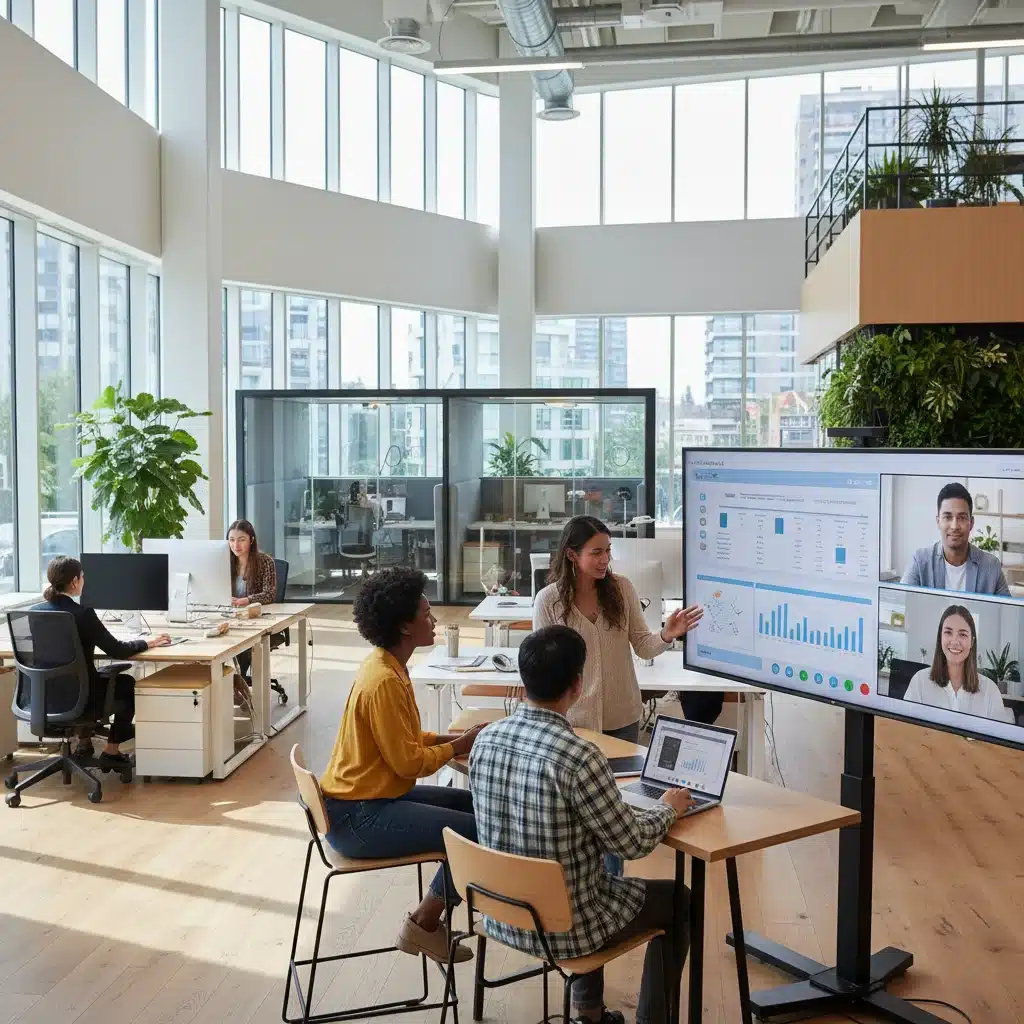
- Evolution of Office Spaces: Physical offices will likely transform further, becoming hubs for collaboration, innovation, and social connection rather than mere places for individual work. Think more communal areas, specialized project rooms, and fewer traditional cubicles.
- Emphasis on Employee Experience (EX): As flexibility becomes standard, companies will differentiate themselves by focusing on the overall employee experience, including well-being programs, learning and development opportunities, and a strong sense of belonging, irrespective of location.
- AI and Automation Integration: Technology, particularly AI and automation, will play an even larger role in streamlining remote workflows, enhancing communication, and providing data-driven insights into team performance and employee sentiment.
The Remote Work Revolution 2.0 is not a passing fad; it’s a fundamental reshaping of how we work. U.S. businesses that embrace these evolving remote work trends with foresight and agility will be the ones that attract the best talent, achieve sustained productivity, and build resilient, future-ready organizations.
Conclusion: Adapting to the New Normal of Remote Work Trends
The past three months have provided invaluable data and real-world experience for U.S. businesses navigating the complexities of remote and hybrid work. What we’ve learned is clear: flexibility is here to stay, and its strategic implementation is paramount for success. The impact on productivity, while nuanced, leans positive when managed effectively, and its role in employee retention is undeniably significant.
Companies that are flourishing in this new environment are those that are proactive, empathetic, and technologically savvy. They understand that the future of work is not about where work gets done, but how it gets done, and critically, how it makes employees feel. By focusing on robust communication, equitable practices, and a culture of trust, businesses can harness the full potential of these evolving remote work trends.
As we move forward, the conversation will shift from whether to adopt remote work to how to optimize it for long-term growth and sustainability. The Remote Work Revolution 2.0 is an ongoing journey of learning and adaptation, and the insights from the latest U.S. business trends serve as a vital compass for organizations charting their course in this dynamic new world.