The Rise of Bio-Integrated AI: 4 Breakthroughs Redefining Human-Computer Interaction in the US
The convergence of biology and artificial intelligence is no longer the stuff of science fiction. In the United States, a quiet revolution is underway, giving rise to Bio-Integrated AI – a groundbreaking field that promises to fundamentally change how humans interact with technology, our environment, and even our own bodies. This isn’t just about faster computers or smarter algorithms; it’s about creating symbiotic relationships between organic life and artificial intelligence, blurring the lines in ways previously unimaginable. The implications for healthcare, accessibility, and human augmentation are monumental, and the US is at the forefront of these transformative developments.
For decades, human-computer interaction (HCI) has evolved from clunky keyboards and mice to intuitive touchscreens and voice commands. However, these methods, while effective, still represent a distinct separation between user and machine. Bio-Integrated AI seeks to bridge this gap, creating interfaces that are not just external tools but extensions of our biological selves. Imagine controlling a device with a thought, restoring lost senses, or even enhancing cognitive abilities through direct neural connections. These are no longer distant dreams but tangible objectives being pursued by leading researchers and innovators across the nation.
The journey towards true Bio-Integrated AI is complex, involving intricate challenges in neuroscience, material science, computer engineering, and ethics. Yet, the pace of discovery is accelerating, driven by significant investments in research and development, particularly within specialized institutions and tech hubs in the US. This article will delve into four pivotal breakthroughs that are currently redefining human-computer interaction and paving the way for a future where technology is not just around us, but a part of us.
1. Advanced Brain-Computer Interfaces (BCIs): Direct Thought Control
Perhaps the most iconic representation of Bio-Integrated AI is the Brain-Computer Interface (BCI). For years, BCIs have been a subject of intense research, primarily aimed at assisting individuals with severe motor disabilities. However, recent advancements, particularly in the US, are pushing BCIs far beyond assistive technologies, moving towards direct, intuitive control of external devices and even internal systems.
Early BCIs were often invasive, requiring surgical implantation of electrodes into the brain. While invasive BCIs continue to offer the highest fidelity in neural signal detection, significant progress has been made in non-invasive and minimally invasive alternatives. Companies and research institutions like Neuralink, Blackrock Neurotech, and universities such as Stanford and UC Berkeley are leading the charge. They are developing sophisticated algorithms to decode complex neural patterns, translating thoughts and intentions into actionable commands with unprecedented accuracy.
One of the most exciting breakthroughs lies in the development of high-bandwidth, wireless BCI systems. These systems are becoming smaller, more durable, and capable of processing vast amounts of neural data in real-time. This allows users to control robotic prosthetics with natural fluidity, operate computer cursors with mental commands, and even communicate through ‘thought typing’ at speeds approaching natural speech. The goal is to make these interfaces as seamless and intuitive as moving a limb, effectively bypassing traditional motor pathways.
Furthermore, BCIs are not just about output. Research is also exploring bidirectional BCIs, which can not only read brain signals but also write information back into the brain. This could open doors to restoring sensory perception, such as sight or touch, for individuals who have lost them, or even modulating brain activity to treat neurological disorders like Parkinson’s disease or chronic pain. The ethical implications are profound, but the potential for enhancing human capabilities and restoring lost functions is immense, positioning BCIs as a cornerstone of future Bio-Integrated AI.
2. Smart Prosthetics and Exoskeletons: Blending Biology with Robotics
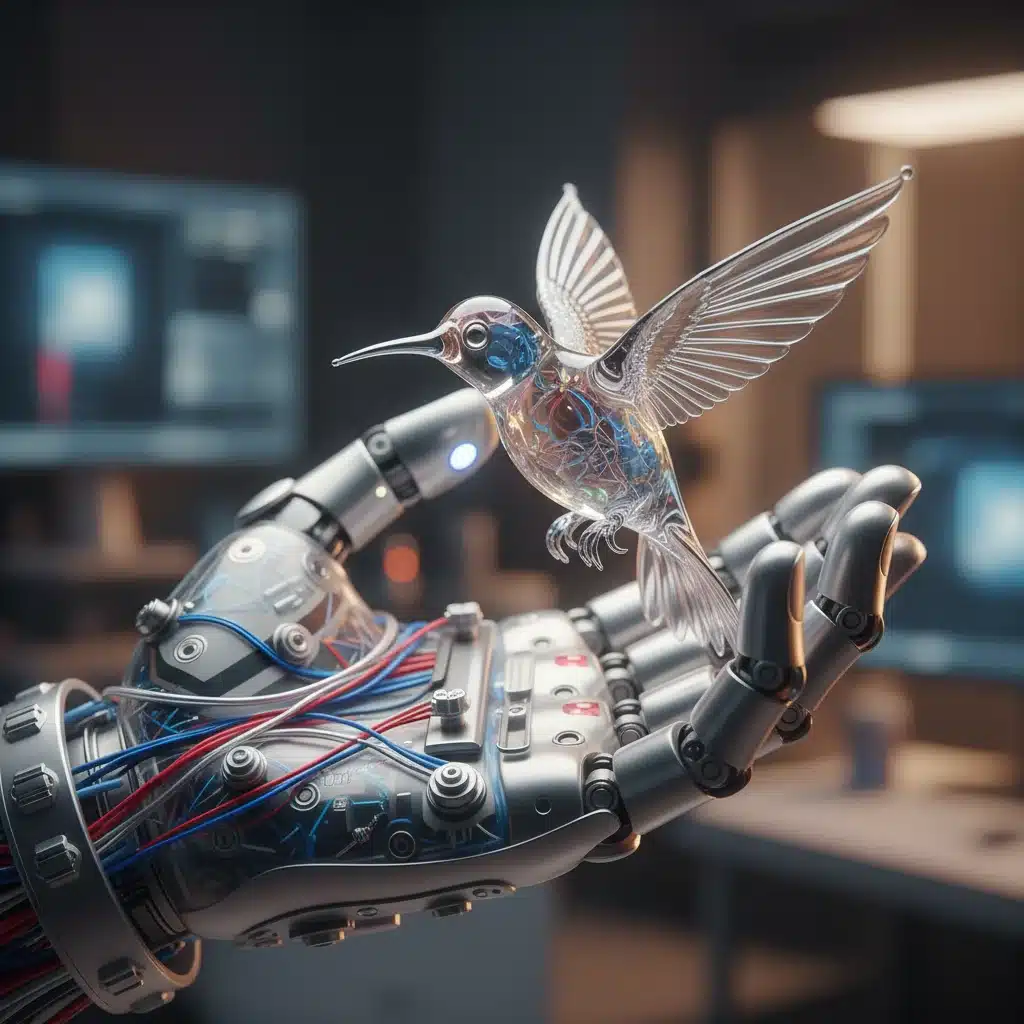
The field of prosthetics has seen a dramatic transformation thanks to the integration of AI and advanced biomimicry. Modern smart prosthetics are far removed from their mechanical predecessors, offering levels of dexterity, sensation, and natural movement that were once unimaginable. This represents a critical component of Bio-Integrated AI, where artificial limbs and exoskeletons are not just tools but intelligent extensions of the human body.
In the US, leading research centers and companies are developing prosthetics that can interpret muscle signals (myoelectric control) with incredible precision. AI algorithms learn to recognize specific muscle contractions and translate them into nuanced movements of the prosthetic limb. This allows amputees to perform complex tasks, such as peeling an orange or playing a musical instrument, with remarkable ease. Crucially, these prosthetics are often integrated with sensory feedback mechanisms, providing users with a sense of touch, pressure, and even proprioception (the sense of body position) through haptic feedback or direct nerve stimulation.
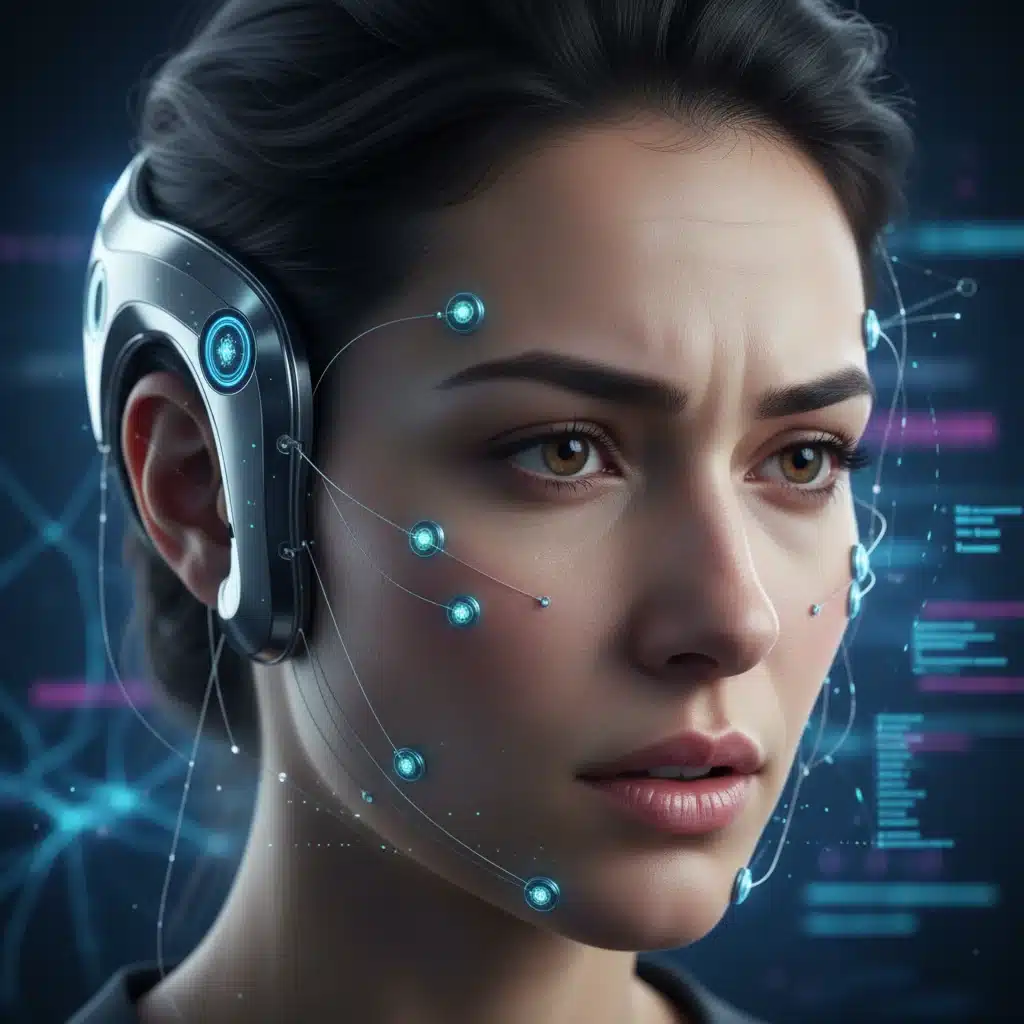
Beyond individual limbs, AI-powered exoskeletons are also making significant strides. These wearable robotic devices can enhance strength, assist in rehabilitation, or enable individuals with paralysis to walk again. Companies like Ekso Bionics and ReWalk Robotics, among others, are developing sophisticated algorithms that adapt to the user’s gait and intentions, providing personalized support and movement assistance. The integration of AI allows these exoskeletons to learn and optimize their performance over time, making them more intuitive and effective.
The future of smart prosthetics and exoskeletons lies in even deeper bio-integration. Researchers are exploring ways to directly interface these devices with the nervous system, providing more direct control and richer sensory feedback. This includes targeted muscle reinnervation (TMR), where residual nerves are rerouted to healthy muscles, allowing for more intuitive control signals. The goal is to create a seamless connection where the user perceives the prosthetic as a natural part of their body, truly embodying the principles of Bio-Integrated AI.
3. Bio-Sensing and Wearable AI: Continuous Health Monitoring and Enhancement
While BCIs and prosthetics often involve direct physical integration, another significant area of Bio-Integrated AI is emerging through advanced bio-sensing and wearable AI. These technologies are focused on continuously monitoring physiological data, interpreting it with AI, and providing actionable insights or even direct interventions. The US market for wearable health tech is booming, and the sophistication of these devices is escalating rapidly.
Modern wearables go far beyond simple step counting. They now incorporate an array of sensors that can track heart rate variability, sleep patterns, blood oxygen levels, skin temperature, and even electrodermal activity. When combined with sophisticated AI algorithms, this data can be used to predict health issues, optimize athletic performance, manage stress, and provide personalized wellness recommendations. Companies like Apple, Google (Fitbit), and specialized startups are constantly innovating in this space, making health monitoring more passive, pervasive, and predictive.
However, the next generation of bio-sensing moves beyond wrist-worn devices. Researchers are developing ‘smart tattoos’ or epidermal electronics – ultra-thin, flexible sensors that adhere directly to the skin. These can monitor vital signs with medical-grade accuracy, detect specific biomarkers in sweat, or even deliver medication. The unobtrusive nature of these devices makes them ideal for long-term health monitoring, particularly for chronic conditions or in remote healthcare settings.
Furthermore, AI is being integrated into ingestible sensors and smart fabrics. Ingestible sensors can monitor gut health, drug adherence, and detect early signs of disease from within the body. Smart fabrics, woven with conductive threads and micro-sensors, can monitor everything from posture and movement to heart rate and respiration, all while being worn as everyday clothing. This continuous, non-invasive data collection, analyzed by powerful AI, is transforming preventive medicine and personalized health management, making Bio-Integrated AI an integral part of our daily well-being.
4. Organ-on-a-Chip and AI-Driven Drug Discovery: Simulating Biology for Medical Breakthroughs
While the previous breakthroughs focused on direct human-computer interaction, the fourth significant area of Bio-Integrated AI involves simulating and interacting with biological systems at a cellular and organ level. Organ-on-a-chip technology, combined with advanced AI, is revolutionizing drug discovery, disease modeling, and personalized medicine, primarily spearheaded by American biotech firms and academic institutions.
Organ-on-a-chip devices are microfluidic cell culture chips that contain continuously perfused chambers inhabited by living cells, engineered to mimic the physiological functions and mechanical properties of whole organs. These ‘mini-organs’ can replicate the complex biological responses of lungs, hearts, livers, or even brains, in a controlled laboratory setting. This allows researchers to study disease progression and test drug efficacy and toxicity with unprecedented accuracy, without relying solely on animal testing or less representative 2D cell cultures.
The integration of AI into this field is a game-changer. AI algorithms can analyze the vast amounts of data generated by these organ-on-a-chip systems – including cellular responses, gene expression, and biochemical markers – to identify potential drug candidates, predict their effects, and understand disease mechanisms. This accelerates the drug discovery process, reduces costs, and increases the likelihood of success for new therapies. Companies like Emulate Inc. in the US are at the forefront of commercializing this technology, partnering with pharmaceutical giants to bring new treatments to market faster.
Moreover, personalized medicine benefits immensely from this approach. By using a patient’s own cells to create an ‘organ-on-a-chip,’ researchers can test various drug regimens to determine the most effective and safest treatment for that individual, minimizing trial-and-error and adverse side effects. This represents a profound shift in how medicine is practiced, moving towards highly customized therapies driven by Bio-Integrated AI simulations of human biology.
The Ethical and Societal Implications of Bio-Integrated AI
As Bio-Integrated AI advances, so too do the complex ethical, societal, and regulatory questions. The US, with its vibrant tech landscape and robust legal framework, is grappling with these issues in real-time. Questions surrounding data privacy, especially concerning highly sensitive biological and neural data, are paramount. Who owns this data? How will it be protected from misuse or cyber threats? The potential for discrimination based on biological data, or the creation of a ‘data divide’ between those who can access these technologies and those who cannot, also needs careful consideration.
Furthermore, the very definition of what it means to be human may be challenged as we begin to integrate AI directly into our biology. The concept of human augmentation – enhancing physical or cognitive abilities beyond natural limits – raises philosophical debates about fairness, identity, and the potential for unforeseen consequences. Regulatory bodies, ethicists, and policymakers in the US are actively engaging with these challenges, aiming to foster innovation responsibly while safeguarding human values and rights.
The balance between pushing the boundaries of scientific discovery and ensuring equitable, ethical deployment of Bio-Integrated AI will be crucial. Public education and transparent communication about the benefits and risks will be essential to foster trust and acceptance. The dialogue around these technologies must be inclusive, involving not just scientists and engineers but also philosophers, sociologists, legal experts, and the general public.
Challenges and the Road Ahead for Bio-Integrated AI
Despite the incredible breakthroughs, the path to widespread adoption of Bio-Integrated AI is fraught with challenges. Technical hurdles remain, including developing more biocompatible materials that can exist within the body long-term without degradation or immune response. Miniaturization of devices, increasing power efficiency, and improving the robustness of AI algorithms to handle the inherent variability of biological systems are ongoing areas of research.
The regulatory landscape is another significant hurdle. Devices that directly interface with the human body or process sensitive biological data require rigorous testing and approval processes. The US Food and Drug Administration (FDA) is actively working to establish clear pathways for these novel technologies, but the rapid pace of innovation often outstrips existing regulations. This necessitates agile and adaptive regulatory frameworks that can ensure safety and efficacy without stifling progress.
Funding for research and development, while substantial, needs to be sustained and diversified. Public-private partnerships, venture capital, and government grants all play vital roles in driving innovation in Bio-Integrated AI. Attracting and retaining top talent in multidisciplinary fields – neuroscientists, AI engineers, material scientists, and biomedical engineers – is also critical for maintaining the US’s leadership position.
Finally, public perception and acceptance will be key. As with any transformative technology, misconceptions and fears can arise. Open dialogue, clear communication of benefits and risks, and a commitment to ethical development will be essential to build public trust and ensure that Bio-Integrated AI serves humanity’s best interests.
Conclusion: A Future Transformed by Bio-Integrated AI
The rise of Bio-Integrated AI represents a new frontier in human technological evolution, particularly evident in the groundbreaking work being done across the United States. From advanced Brain-Computer Interfaces offering direct thought control to intelligent prosthetics that feel like natural limbs, from pervasive bio-sensing wearables for continuous health monitoring to organ-on-a-chip systems accelerating drug discovery, these four breakthroughs are not just incremental improvements; they are foundational shifts.
The implications for healthcare are transformative, offering unprecedented opportunities to restore lost functions, treat intractable diseases, and personalize medicine to an extraordinary degree. Beyond medicine, the potential for human augmentation and enhanced interaction with the digital world promises a future where technology is seamlessly intertwined with our biological existence.
While challenges in ethics, regulation, and technology remain, the relentless pursuit of innovation in the US continues to push the boundaries of what is possible. As researchers and innovators navigate these complex waters, the vision of a future where humans and AI coexist in a symbiotic relationship, enhancing each other’s capabilities, is steadily becoming a reality. Bio-Integrated AI is not just a technological trend; it is a profound redefinition of human-computer interaction, shaping a future that is more connected, more capable, and more integrated than ever before.