Social Media’s Evolving Role: 3 Critical Shifts in American Interpersonal Dynamics by 2026
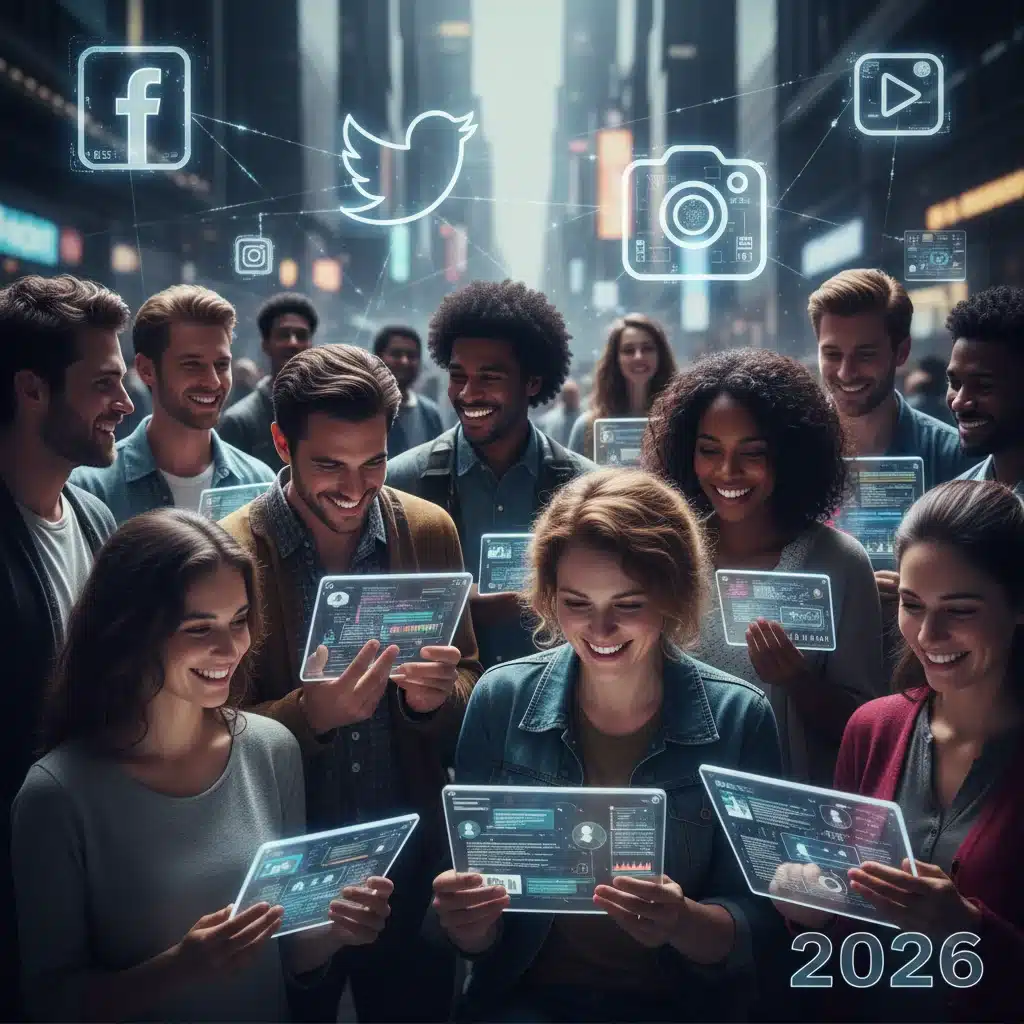
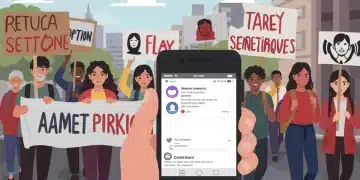
Social media has irrevocably altered the fabric of American society, reshaping how individuals connect, communicate, and perceive one another. As we approach 2026, the trajectory of these changes continues to accelerate, presenting both unprecedented opportunities and complex challenges for interpersonal dynamics. The omnipresence of platforms like TikTok, Instagram, X (formerly Twitter), and new emerging virtual spaces means that our social lives are increasingly mediated through screens. This profound digital immersion has created a new landscape for human interaction, where the lines between online and offline identities often blur, and the speed of information exchange dictates the pace of relationships. Understanding these shifts is not merely an academic exercise; it is crucial for navigating the evolving social terrain and fostering healthier, more authentic connections in an increasingly digital world. The very definition of ‘community’ and ‘friendship’ is being re-evaluated in the context of global, instant digital access, leading to both broader networks and, at times, shallower bonds. The psychological impact of constant digital validation, the pressure to present a curated self, and the fear of missing out (FOMO) are just a few of the byproducts of this new era. As we delve deeper into the future of social media dynamics, it becomes clear that these platforms are not just tools; they are environments that shape our very understanding of what it means to be connected.
The initial promise of social media was one of boundless connection, bridging geographical divides and allowing individuals to maintain relationships regardless of distance. While this promise has, to a large extent, been fulfilled, it has also introduced complexities that were not fully anticipated. The sheer volume of connections, the performative nature of online identities, and the algorithmic curation of content have all played a role in transforming how Americans interact. By 2026, these forces will have solidified into distinct trends, profoundly impacting the way we form bonds, resolve conflicts, and even understand our own identities. We are moving beyond the novelty of digital interaction and into a phase where these new forms of communication are deeply ingrained in our daily lives, influencing everything from dating to professional networking, and from family communication to civic engagement. The challenge lies in harnessing the positive aspects of these digital connections while mitigating the potential for isolation, misinformation, and superficiality. This article will explore three critical shifts in American interpersonal dynamics by 2026, offering a comprehensive look at the evolving role of social media and its lasting implications for human connection.
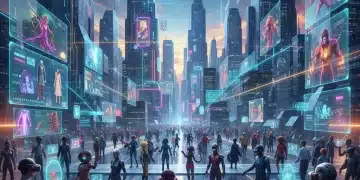
The impact of social media is not uniform across all demographics; younger generations, often referred to as digital natives, have grown up with these platforms as an integral part of their social development, leading to different expectations and behaviors compared to older generations who adopted social media later in life. This generational divide further complicates the landscape of interpersonal dynamics, creating new forms of understanding and misunderstanding. Furthermore, the global nature of social media means that American interpersonal dynamics are not developing in a vacuum; they are influenced by global trends and cultural exchanges, creating a rich tapestry of interconnected experiences. The continuous evolution of social media technologies, from augmented reality (AR) filters to immersive virtual worlds, promises even more profound changes on the horizon. Therefore, a forward-looking analysis of these critical shifts is essential for individuals, educators, policymakers, and platform developers alike to ensure that social media continues to serve as a tool for positive human connection rather than a source of division and disconnection. The following sections will elaborate on these pivotal transformations, providing a roadmap for understanding the future of social media dynamics in America.
The Rise of Algorithmic Curated Realities and Its Impact on Authenticity
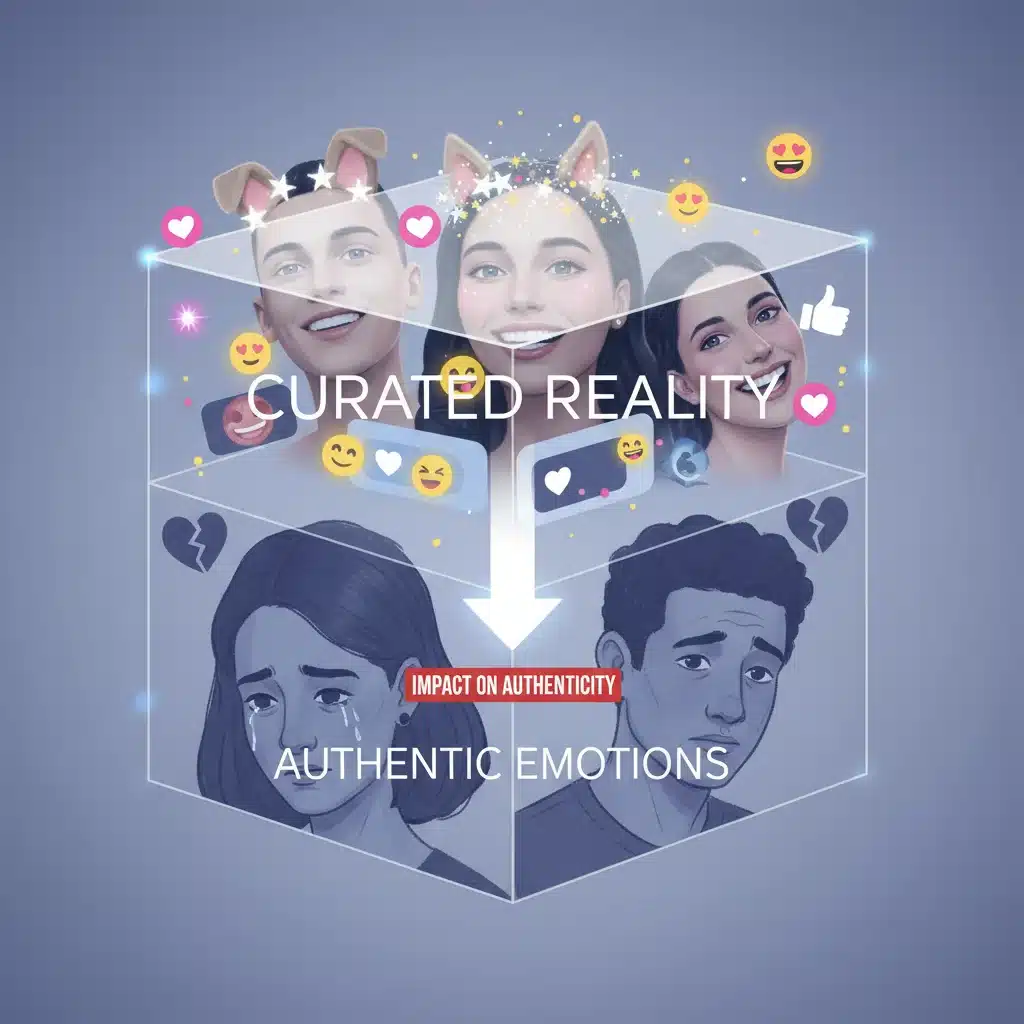
One of the most significant shifts in American interpersonal dynamics by 2026 is the pervasive influence of algorithmic curated realities on authenticity. Social media platforms, driven by sophisticated algorithms, increasingly tailor content to individual users based on their past interactions, preferences, and perceived interests. While this personalization can enhance user experience by delivering relevant content, it also creates echo chambers and filter bubbles, limiting exposure to diverse perspectives and reinforcing existing beliefs. More critically, these algorithms often prioritize engagement, leading users to present idealized, often unrealistic, versions of themselves to maximize likes, shares, and comments. This pressure to perform and conform to algorithmically favored content formats has profound implications for authenticity in interpersonal relationships.
The constant exposure to curated, often hyper-edited, lives of others can lead to feelings of inadequacy, envy, and social comparison. Individuals may feel compelled to present a flawless facade, carefully selecting photos, crafting witty captions, and sharing only their most positive experiences. This performative aspect of social media can erode genuine connection, as relationships are built on carefully constructed narratives rather than raw, unfiltered interactions. The pursuit of online validation can become an addictive cycle, where self-worth is tied to external metrics, further distancing individuals from their authentic selves. The fear of being ‘unfollowed’ or ‘unliked’ can lead to self-censorship, preventing individuals from expressing dissenting opinions or sharing vulnerabilities, which are crucial for deep, meaningful connections.
By 2026, the sophistication of these algorithms will have advanced to a point where they not only curate what we see but also subtly influence how we express ourselves. AI-powered tools for content creation, from advanced filters to automated caption suggestions, will make it even easier to present an idealized self, further blurring the lines between reality and digital fabrication. This raises critical questions about the nature of trust and intimacy in relationships. If everyone is presenting a polished version of themselves, how do we truly get to know one another? How do we build trust when we are constantly aware that what we see might not be the full picture? The challenge for individuals will be to consciously resist the pull of algorithmic validation and actively seek out authentic connections, both online and offline, that value vulnerability and genuine expression over superficial perfection.
Moreover, the concept of ‘authenticity’ itself is being redefined in the digital age. What does it mean to be authentic when our digital identities are so intertwined with our real-world selves? Is it authentic to share a perfectly staged photo if it genuinely reflects a happy moment? These are complex philosophical questions with real-world implications for social media dynamics. The constant feedback loop between our online personas and our self-perception means that the curated realities we create can begin to shape who we are, both online and offline. This phenomenon, often referred to as the ‘looking-glass self’ in sociology, is amplified by social media, where the reflections we see are not just from a few close individuals but from a vast, often anonymous, audience. The mental health implications of living in such a curated reality are significant, with rising rates of anxiety, depression, and body image issues linked to excessive social media use and the pressure to maintain an unrealistic online image. As we move towards 2026, addressing these issues will require a multi-faceted approach, involving media literacy education, platform accountability, and a collective societal effort to prioritize genuine connection over performative perfection.
The impact of this shift extends beyond individual psychology to the broader societal level. Political discourse, for instance, is increasingly shaped by algorithmically curated realities, where individuals are exposed primarily to information that confirms their existing biases. This can lead to increased polarization and a breakdown in civil discourse, as common ground becomes harder to find. The ability to distinguish between genuine news and fabricated content becomes paramount, yet the very design of social media platforms often makes this distinction difficult. The challenge for democratic societies is to foster an environment where diverse perspectives can be heard and debated respectfully, even as algorithms push us towards ideological silos. Therefore, the rise of algorithmic curated realities is not just a personal challenge but a societal one, demanding critical engagement and thoughtful solutions to preserve authenticity and foster meaningful connections in the digital age. The future of social media dynamics will heavily depend on how individuals and society at large navigate this complex interplay between algorithms, authenticity, and interpersonal relationships.
The Blurring Lines Between Public and Private Selves in Digital Spaces
A second critical shift in American interpersonal dynamics by 2026 is the significant blurring of lines between public and private selves, largely driven by the pervasive nature of social media. Historically, there was a clearer distinction between one’s public persona, exhibited in formal settings or to a broad audience, and one’s private self, reserved for close friends, family, and intimate relationships. Social media has fundamentally disrupted this distinction, making personal information, opinions, and experiences readily accessible to a potentially vast and often undifferentiated audience. This constant state of semi-public existence has profound implications for self-presentation, vulnerability, and the very definition of privacy in the modern era.
The desire to share and connect, a fundamental human need, is amplified by social media platforms, which encourage users to document and broadcast their lives in real-time. From mundane daily activities to significant life events, everything can become fodder for public consumption. While this can foster a sense of community and shared experience, it also comes with the risk of oversharing and the loss of personal boundaries. The concept of ‘privacy’ itself has evolved, with younger generations often having a different understanding of what constitutes private information compared to older generations. What one person considers a private thought or moment, another might readily share with their entire network, creating friction and misunderstandings in interpersonal relationships.
By 2026, the normalization of sharing will have reached new heights, with individuals routinely broadcasting aspects of their lives that were once considered deeply personal. This includes not only personal opinions and daily activities but also highly sensitive information, sometimes inadvertently. The expectation of transparency, fueled by social media, can put pressure on individuals to disclose more than they are comfortable with, leading to feelings of vulnerability and potential exploitation. Employers, educational institutions, and even potential romantic partners often scrutinize social media profiles, making past posts and interactions a permanent part of one’s public record, regardless of original intent or context. This digital footprint becomes an enduring testament to one’s public self, often without the ability to fully control its interpretation or reach.
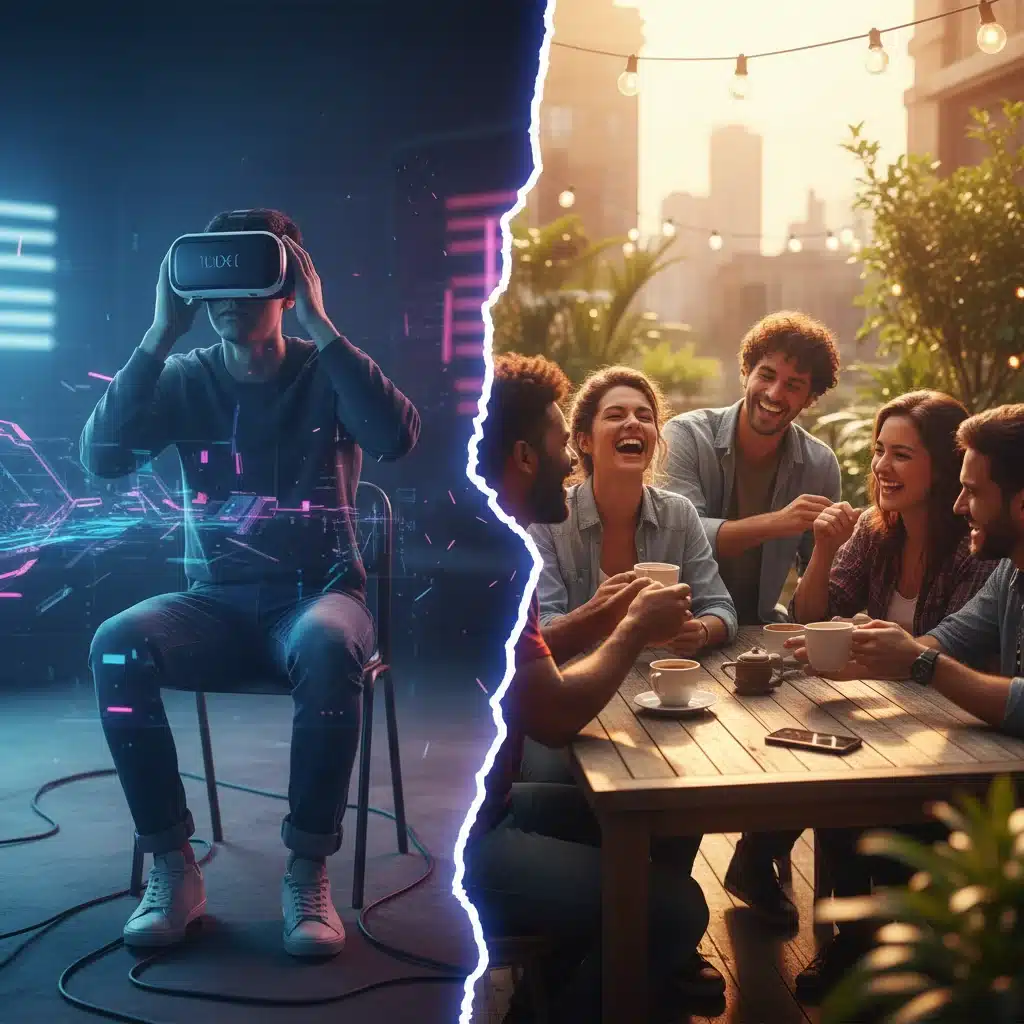
The blurring of public and private also impacts the dynamics of conflict and resolution. Disagreements that might have once been handled privately can now spill over into public forums, leading to ‘cancel culture’ phenomena and widespread public shaming. This public scrutiny can have devastating consequences for individuals, affecting their reputations, careers, and mental well-being. The permanence of digital content means that past mistakes or ill-advised comments can resurface years later, making it difficult for individuals to move on or redefine themselves. This environment fosters a sense of constant surveillance and judgment, which can inhibit genuine expression and encourage a more cautious, less authentic, public persona.
Furthermore, the rise of ‘influencer culture’ exemplifies this blurring of lines. Influencers often monetize their personal lives, turning everyday experiences into public content. This commercialization of the private self further complicates the notion of authenticity and raises ethical questions about privacy, consent, and the exploitation of personal experiences for financial gain. As this trend continues to grow, more individuals may feel pressured to present their lives as a marketable commodity, further eroding the distinction between personal life and public performance. The psychological toll of constantly being ‘on’ and performing for an audience, even a small one, can be significant, leading to burnout and a sense of detachment from one’s true self.
To navigate this evolving landscape, individuals will need to develop greater digital literacy and a heightened awareness of their digital footprint. Establishing clear personal boundaries regarding what to share and with whom will become increasingly important. Platforms themselves also bear a responsibility to provide users with more granular control over their privacy settings and to educate them about the implications of sharing personal information. Ultimately, the blurring of public and private selves in digital spaces requires a conscious effort from individuals and platforms alike to foster an environment where connection can thrive without sacrificing personal boundaries or authenticity. The future of social media dynamics hinges on finding a sustainable balance between the desire to share and the need for privacy, ensuring that digital interactions enrich rather than diminish our interpersonal lives.
The Evolution of ‘Community’ and ‘Belonging’ in Decentralized Digital Networks
The third critical shift affecting American interpersonal dynamics by 2026 is the profound evolution of what constitutes ‘community’ and ‘belonging’ in the age of decentralized digital networks. Traditionally, communities were often defined by geographical proximity, shared physical spaces, and face-to-face interactions. Social media has expanded this definition exponentially, allowing individuals to form communities based on niche interests, shared identities, or specific causes, regardless of their physical location. This has led to both the proliferation of diverse communities and a re-evaluation of the depth and nature of belonging in a digitally connected world.
The ability to connect with like-minded individuals from across the globe has been a boon for many, particularly those with niche interests or marginalized identities who may not find similar support in their immediate physical environments. Online communities provide spaces for shared experiences, mutual support, and collective action, fostering a sense of belonging that might otherwise be elusive. This has empowered individuals to find their tribes, share knowledge, and collaborate on projects, leading to a richer and more diverse tapestry of social connections. For example, support groups for rare diseases, fan communities for obscure hobbies, or advocacy groups for specific social causes have flourished online, providing invaluable resources and a sense of solidarity to their members.
However, the nature of belonging in these decentralized digital networks differs significantly from traditional, geographically bound communities. While online connections can be incredibly strong and supportive, they often lack the tangible, physical presence that defines many offline relationships. The absence of shared physical spaces can sometimes lead to a sense of detachment, where interactions are primarily text-based or mediated through screens. This can make it challenging to build the kind of deep, nuanced understanding that comes from non-verbal cues, shared physical experiences, and spontaneous interactions. The ephemeral nature of some online communities, which can form and dissipate rapidly, also contributes to a more fluid and less stable sense of belonging.
By 2026, the fragmentation of communities into highly specialized digital networks will likely intensify. While this offers unparalleled opportunities for niche connections, it also carries the risk of societal fragmentation. As individuals spend more time in their specific online echo chambers, interacting primarily with those who share their views, the sense of a broader, shared national or civic community can diminish. This can contribute to increased polarization and a decline in civil discourse, as different digital communities develop their own norms, languages, and understandings of reality, making cross-community communication and collaboration more challenging.
The concept of ‘belonging’ itself is also evolving. For many, belonging is no longer solely tied to a physical location or a small group of immediate acquaintances but is distributed across various digital platforms and networks. This can lead to a more fluid and adaptable sense of identity, where individuals can inhabit multiple communities simultaneously, each offering a different facet of connection. However, it can also lead to a diluted sense of belonging, where no single community provides the deep, all-encompassing support that traditional communities once offered. The constant pressure to engage with multiple communities can also contribute to digital fatigue and a sense of being perpetually connected yet profoundly alone.
The future of social media dynamics will require a thoughtful approach to fostering both broad societal cohesion and vibrant, diverse digital communities. This involves encouraging cross-community dialogue, promoting media literacy to bridge ideological divides, and designing platforms that facilitate genuine connection rather than mere engagement. The challenge for individuals will be to balance their participation in niche digital communities with engagement in their local, physical communities, recognizing the unique value each brings to a well-rounded sense of belonging. Ultimately, the evolution of community and belonging in decentralized digital networks represents a fundamental reshaping of our social fabric, demanding adaptive strategies to ensure that connection remains a source of strength and unity rather than division and isolation.
Navigating the Future of Social Media Dynamics: Strategies for Connection in 2026
As we project forward to 2026, the landscape of American interpersonal dynamics, irrevocably shaped by social media, presents both daunting challenges and exciting opportunities. The three critical shifts—the rise of algorithmic curated realities, the blurring of public and private selves, and the evolution of community and belonging in decentralized digital networks—collectively demand a proactive and informed approach. It is no longer sufficient to merely observe these changes; individuals, educators, policymakers, and technology developers must actively engage in shaping a future where social media enhances, rather than detracts from, genuine human connection. The goal is not to revert to a pre-digital era, which is neither possible nor desirable, but to cultivate a more mindful and intentional use of these powerful tools.
One primary strategy for navigating the future of social media dynamics involves fostering greater digital literacy and critical thinking skills. In an environment saturated with curated content and algorithmic influence, the ability to discern authenticity, question narratives, and understand the mechanisms behind content delivery is paramount. Educational initiatives, starting from early schooling and extending through adult learning programs, can equip individuals with the tools to critically evaluate online information and recognize the subtle pressures to conform to idealized online personas. This includes teaching about privacy settings, the permanence of digital footprints, and the psychological impact of constant digital validation. By empowering individuals to be more discerning consumers and creators of digital content, we can mitigate the negative effects of curated realities and promote a more authentic online presence.
Another crucial strategy centers on re-establishing and valuing personal boundaries in digital spaces. Given the blurring lines between public and private selves, individuals need to consciously define and enforce their own limits regarding what they share, with whom, and on which platforms. This might involve regularly reviewing privacy settings, being selective about connections, and consciously choosing moments for digital detoxes. Furthermore, fostering a culture that respects these boundaries, both online and offline, is essential. This means challenging the expectation of constant availability and promoting an understanding that not every aspect of one’s life needs to be publicly broadcast. For platforms, this translates into developing more intuitive and robust privacy controls and promoting features that encourage more private, intimate group interactions rather than solely public broadcasts. Encouraging thoughtful engagement over impulsive sharing can help restore a healthier balance between our public and private lives.
Finally, to address the evolving nature of community and belonging, strategies must focus on bridging the gap between digital and physical connections. While online communities offer invaluable support and connection, they should ideally complement, not entirely replace, face-to-face interactions. Encouraging meet-ups, local events, and hybrid community models that blend online communication with offline gatherings can strengthen bonds and provide a more holistic sense of belonging. Furthermore, fostering a sense of civic responsibility within digital networks, encouraging respectful discourse across different communities, and actively combating polarization can help prevent societal fragmentation. Platforms can play a role by designing features that facilitate constructive dialogue and highlight commonalities rather than differences. The aim is to leverage the expansive reach of social media to build broader, more inclusive communities, while also nurturing the depth and intimacy found in local, physical interactions.
The journey towards 2026 will undoubtedly bring further technological advancements and unforeseen changes in social media dynamics. However, by proactively addressing the challenges of curated realities, blurred public/private lines, and evolving communities, we can steer these changes towards a more positive outcome. The future of social media is not predetermined; it is shaped by the collective choices we make today. Prioritizing authenticity, respecting privacy, and fostering genuine connection, both online and offline, will be key to harnessing the transformative power of social media for the betterment of American interpersonal dynamics. This requires a continuous dialogue, ongoing research, and a commitment from all stakeholders to build a digital future that truly serves humanity’s need for connection and belonging. The evolving role of social media demands our sustained attention and creative solutions to ensure that our digital lives enrich our human experience.