Preventing Age-Related Decline: 5 Longevity Strategies
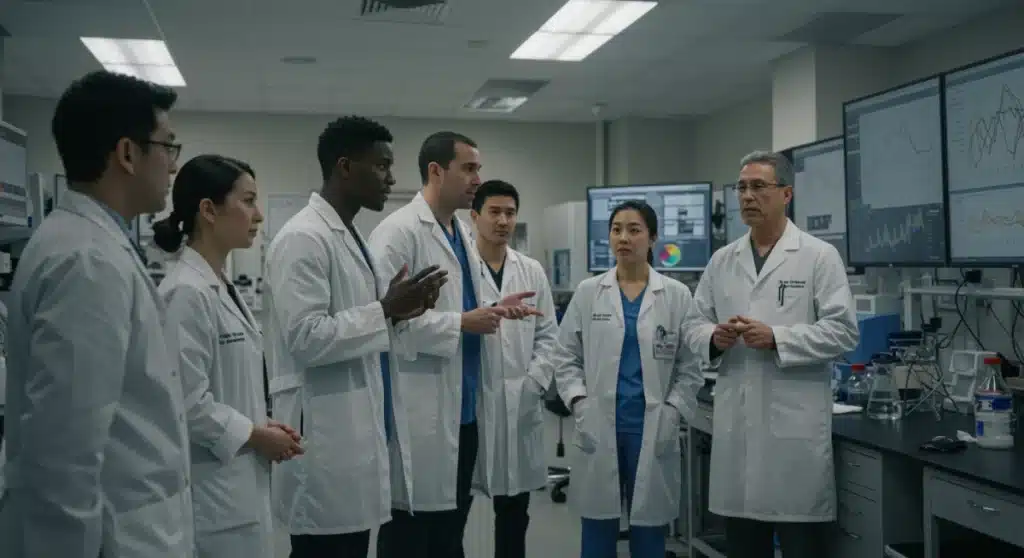
U.S. experts in 2026 advocate five scientific strategies for preventing age-related decline, including optimized nutrition, advanced exercise regimens, cellular repair, mental well-being, and precision medicine, aiming for enhanced longevity and vitality.
In an era where scientific advancements are continually pushing the boundaries of human potential, the pursuit of longevity and the effective mitigation of age-related decline has become a paramount focus. By 2026, U.S. experts have coalesced around five pivotal scientific strategies for preventing age-related decline, offering a roadmap to a healthier, more vibrant future.
The Dawn of Personalized Longevity Medicine
The landscape of health and wellness is rapidly transforming, moving away from a one-size-fits-all approach to highly personalized interventions. This shift is particularly evident in the realm of longevity, where understanding an individual’s unique genetic makeup, lifestyle, and environmental exposures is proving crucial. Personalized longevity medicine is not merely about extending lifespan, but more importantly, about enhancing healthspan – the period of life spent in good health, free from chronic disease and disability.
Experts now emphasize that true progress in preventing age-related decline hinges on a deep, data-driven understanding of each person’s biological clock and risk factors. This involves leveraging advanced diagnostics and integrating various data points to craft a bespoke health plan. The goal is to proactively address potential issues before they manifest as significant health challenges, thereby optimizing the body’s natural resilience and regenerative capacities.
Genomic Profiling and Biomarker Analysis
Central to personalized longevity medicine is the sophisticated analysis of an individual’s genome and a comprehensive panel of biomarkers. Genomic profiling identifies predispositions to certain age-related conditions, while biomarker analysis provides real-time insights into metabolic health, inflammation levels, cellular senescence, and telomere length. Together, these tools paint a detailed picture of an individual’s biological age versus their chronological age, guiding targeted interventions.
- Genetic Risk Assessment: Identifying specific gene variants linked to conditions like Alzheimer’s, heart disease, or certain cancers.
- Inflammation Markers: Monitoring C-reactive protein (CRP) and other inflammatory indicators to manage systemic inflammation.
- Cellular Senescence Load: Quantifying the presence of ‘zombie cells’ that contribute to aging and disease.
- Telomere Length Measurement: Assessing the length of protective caps on chromosomes, a key indicator of cellular aging.
The integration of these advanced diagnostic methods allows clinicians to move beyond conventional disease management to proactive health optimization. This foundational strategy empowers individuals with actionable insights, transforming the way we approach aging from reactive treatment to preventative enhancement. The potential for significantly impacting healthspan through these personalized approaches is immense, setting a new standard for age management.
Optimized Nutrition and Dietary Interventions
Nutrition has always been a cornerstone of health, but in the context of preventing age-related decline, its role has become even more refined and targeted. U.S. experts in 2026 are advocating for highly optimized nutritional strategies that go beyond general healthy eating guidelines, focusing on specific dietary patterns and nutrient supplementation designed to support cellular health and mitigate aging processes.
The emphasis is on anti-inflammatory, antioxidant-rich diets, often tailored to an individual’s metabolic profile. This involves not only selecting the right foods but also considering meal timing, fasting protocols, and the bio-availability of nutrients. The science now clearly demonstrates that what we eat, and when we eat it, profoundly influences our cellular repair mechanisms, gene expression, and overall resilience against aging.
The Power of Plant-Based and Mediterranean Diets
While personalization is key, broad dietary patterns like plant-based and Mediterranean diets continue to show consistent benefits for longevity. These diets are naturally rich in phytonutrients, fiber, and healthy fats, which combat oxidative stress and inflammation – two major drivers of aging. The focus is on whole, unprocessed foods, minimizing sugar, refined carbohydrates, and unhealthy fats.
- High Fiber Intake: Supports gut microbiome health, which is increasingly linked to systemic inflammation and immune function.
- Antioxidant-Rich Foods: Berries, leafy greens, and colorful vegetables provide essential compounds to neutralize free radicals.
- Healthy Fats: Olive oil, avocados, and nuts contribute to cardiovascular health and cellular integrity.
- Reduced Red Meat Consumption: Lowering intake of saturated fats and compounds linked to increased risk of chronic diseases.
Beyond general dietary guidelines, specific nutrients and compounds are gaining attention for their anti-aging properties. This includes components like resveratrol, curcumin, and omega-3 fatty acids, often incorporated through targeted supplementation based on individual needs. The strategic integration of diet and specific nutrients forms a powerful defense against the biological hallmarks of aging, supporting a robust and healthy system.
Advanced Exercise Regimens and Movement Science
Physical activity remains a non-negotiable component of a longevity strategy, but the understanding of optimal exercise for preventing age-related decline has evolved significantly. U.S. experts in 2026 recommend advanced exercise regimens that integrate diverse forms of movement, focusing on not just cardiovascular fitness and strength, but also flexibility, balance, and neurological health.
The science now highlights the importance of exercise as a potent modulator of cellular aging, influencing mitochondrial function, DNA repair, and even cognitive health. Sedentary lifestyles are increasingly recognized as a major accelerant of aging, making structured and varied physical activity more critical than ever. The goal is to create a comprehensive movement plan that addresses all aspects of physical well-being, customized to individual capabilities and goals.
High-Intensity Interval Training (HIIT) and Resistance Training
HIIT and resistance training are at the forefront of modern exercise recommendations for longevity. HIIT has been shown to improve mitochondrial health and cardiovascular function efficiently, while resistance training is crucial for maintaining muscle mass, bone density, and metabolic health, all of which decline with age. Combining these two forms of exercise offers a synergistic effect, maximizing anti-aging benefits.
- Mitochondrial Biogenesis: HIIT stimulates the growth of new mitochondria, improving cellular energy production.
- Muscle Protein Synthesis: Resistance training helps counteract sarcopenia, the age-related loss of muscle mass.
- Bone Density Improvement: Weight-bearing exercises strengthen bones, reducing the risk of osteoporosis.
- Metabolic Regulation: Both forms of exercise enhance insulin sensitivity and glucose metabolism.
Beyond these structured workouts, experts emphasize the importance of non-exercise activity thermogenesis (NEAT) – incorporating more movement into daily life. This includes walking, taking stairs, and reducing prolonged sitting. The synergy of targeted exercise and consistent daily movement creates a powerful defense against the physical and cellular manifestations of aging, promoting sustained vitality.
Cellular Repair and Regenerative Therapies
One of the most exciting frontiers in preventing age-related decline is the development of cellular repair and regenerative therapies. These strategies aim to directly address the molecular and cellular damage that accumulates with age, rather than just managing symptoms. U.S. experts are increasingly exploring interventions that enhance the body’s natural repair mechanisms or introduce new regenerative elements.
This area encompasses a broad range of scientific endeavors, from pharmacological agents that clear senescent cells to advanced gene therapies that can correct age-related cellular dysfunctions. The focus is on reversing or significantly slowing down the biological hallmarks of aging at their root cause, promising a future where aging is not an inevitable decline but a manageable condition.
Senolytics and Senomorphics
Senolytics are a class of drugs designed to selectively kill senescent cells, often referred to as ‘zombie cells,’ which accumulate with age and contribute to inflammation and tissue dysfunction. Senomorphics, on the other hand, aim to modify the behavior of senescent cells, reducing their harmful effects without necessarily eliminating them. These therapies represent a significant leap in directly targeting a key mechanism of aging.
- Clearance of Senescent Cells: Reducing the burden of dysfunctional cells that secrete pro-inflammatory molecules.
- Reduced Inflammation: Lowering chronic, low-grade inflammation associated with numerous age-related diseases.
- Improved Tissue Function: Restoring the health and function of various organs and tissues by removing cellular impediments.
- Enhanced Regenerative Capacity: Creating a more favorable environment for healthy cell growth and repair.
Beyond senolytics, research into gene editing technologies like CRISPR and stem cell therapies holds immense promise. These advanced approaches are gradually moving from experimental stages to potential clinical applications, offering hope for repairing damaged tissues and organs and even resetting cellular clocks. The progress in cellular repair and regenerative therapies is rapidly redefining what is possible in the quest for longevity.
Mental Well-being and Cognitive Resilience
While physical and cellular strategies are vital, U.S. experts in 2026 underscore the inseparable link between mental well-being and preventing age-related decline. Cognitive resilience, emotional balance, and stress management are recognized as critical components of a comprehensive longevity strategy. The brain, like other organs, is susceptible to aging, and maintaining its health through targeted mental and emotional interventions is paramount.
Chronic stress, anxiety, and social isolation are known to accelerate biological aging, impacting everything from immune function to telomere length. Therefore, strategies that foster mental well-being not only enhance quality of life but also directly contribute to physical longevity. A holistic approach to aging must integrate practices that nurture the mind and spirit as diligently as those that care for the body.


Mindfulness, Social Connection, and Lifelong Learning
Practices such as mindfulness meditation and cognitive behavioral therapy are increasingly recommended to manage stress and cultivate emotional resilience. These techniques can alter brain structure and function, promoting neuroplasticity and protecting against cognitive decline. Equally important is fostering strong social connections, as loneliness is now understood to be a significant risk factor for premature mortality.
- Stress Reduction: Mindfulness and meditation help regulate cortisol levels, reducing their damaging effects on the body.
- Cognitive Stimulation: Engaging in lifelong learning, puzzles, and new hobbies keeps the brain active and forms new neural pathways.
- Social Engagement: Strong social networks provide emotional support and reduce the risk of depression and cognitive decline.
- Purpose and Meaning: Having a sense of purpose in life is strongly correlated with greater longevity and well-being.
The integration of mental well-being strategies into longevity plans represents a mature understanding of health. It acknowledges that human longevity is not just about biological machinery but also about the quality of consciousness and experience. By prioritizing mental and emotional health, individuals can build a robust defense against age-related cognitive decline and enhance their overall healthspan.
Environmental Optimization and Toxin Reduction
The external environment plays a far more significant role in accelerating or decelerating the aging process than previously understood. U.S. experts in 2026 are increasingly emphasizing environmental optimization and the reduction of exposure to toxins as a critical strategy for preventing age-related decline. Our daily surroundings, from the air we breathe to the water we drink and the products we use, can either support or undermine our cellular health.
Chronic exposure to pollutants, endocrine-disrupting chemicals, and heavy metals can induce oxidative stress, inflammation, and DNA damage, all of which contribute to premature aging and the development of chronic diseases. Therefore, a conscious effort to minimize these exposures and optimize our living and working environments is an essential, proactive step towards enhanced longevity.
Air and Water Quality Management
Improving indoor and outdoor air quality is paramount. This includes using air purifiers, ensuring good ventilation, and being mindful of outdoor pollution levels. Similarly, ensuring access to clean, filtered drinking water is crucial, as municipal water supplies can contain various contaminants. These seemingly simple measures have a profound impact on reducing the toxic load on the body.
- Indoor Air Filtration: Utilizing HEPA filters to remove particulate matter, allergens, and airborne toxins.
- Ventilation Systems: Ensuring adequate air exchange to reduce accumulation of indoor pollutants.
- Water Purification: Installing filters for drinking and bathing water to remove heavy metals, chlorine, and other chemicals.
- Avoiding Environmental Toxins: Minimizing exposure to pesticides, herbicides, and industrial chemicals in daily life.
Beyond air and water, conscious choices about personal care products, household cleaners, and the materials used in our homes can further reduce toxic exposure. Opting for natural, non-toxic alternatives helps create a healthier internal and external environment, allowing the body’s natural detox and repair systems to function optimally. This proactive environmental management is a powerful, yet often overlooked, strategy in the pursuit of longevity and preventing age-related decline.
| Strategy | Brief Description |
|---|---|
| Personalized Longevity Medicine | Tailored health plans based on genomic profiling and biomarker analysis to optimize individual healthspan. |
| Optimized Nutrition | Anti-inflammatory, antioxidant-rich diets, and targeted supplementation for cellular health and aging mitigation. |
| Advanced Exercise Regimens | Integrated movement focusing on HIIT, resistance training, flexibility, and balance for comprehensive physical health. |
| Cellular Repair & Regenerative Therapies | Interventions like senolytics and gene therapies to address molecular and cellular damage at its root. |
Frequently Asked Questions About Longevity Strategies
Personalized longevity medicine involves creating individualized health plans based on a person’s unique genetic profile, biomarkers, and lifestyle. It aims to proactively prevent age-related diseases and extend healthspan by optimizing cellular function and resilience, moving beyond traditional reactive healthcare models.
Optimized nutrition focuses on anti-inflammatory, antioxidant-rich diets, often plant-based or Mediterranean, tailored to individual metabolic needs. These diets support cellular repair, reduce oxidative stress, and regulate gene expression, directly combating the biological hallmarks of aging and promoting overall vitality.
U.S. experts recommend a combination of High-Intensity Interval Training (HIIT) and resistance training. HIIT improves cardiovascular and mitochondrial health, while resistance training maintains muscle mass and bone density. Integrating flexibility and balance exercises, along with daily movement, completes a comprehensive regimen.
Cellular repair therapies target molecular damage accumulated with age. Senolytics specifically remove senescent, or ‘zombie,’ cells that contribute to inflammation and tissue dysfunction. These interventions aim to reverse or significantly slow down the root causes of biological aging, enhancing overall tissue and organ function.
Mental well-being is intrinsically linked to physical longevity. Chronic stress and poor emotional health can accelerate biological aging. Practices like mindfulness, fostering social connections, and lifelong learning protect cognitive function, reduce inflammation, and improve overall resilience, contributing to a longer, healthier life.
Conclusion
The journey towards preventing age-related decline is no longer a distant dream but a tangible reality, shaped by groundbreaking scientific advancements and a holistic understanding of human biology. The five strategies embraced by U.S. experts in 2026—personalized longevity medicine, optimized nutrition, advanced exercise, cellular repair, and mental well-being alongside environmental optimization—collectively offer a powerful framework. By integrating these evidence-based approaches, individuals can aspire not just to live longer, but to live healthier, more vibrant lives, redefining what it means to age in the modern world. The future of longevity is proactive, personalized, and profoundly promising.