Haptic Feedback Technology: U.S. Patents Soar 30% by 2026, Reshaping User Experience
Haptic Feedback Technology: U.S. Patents Soar 30% by 2026, Reshaping User Experience
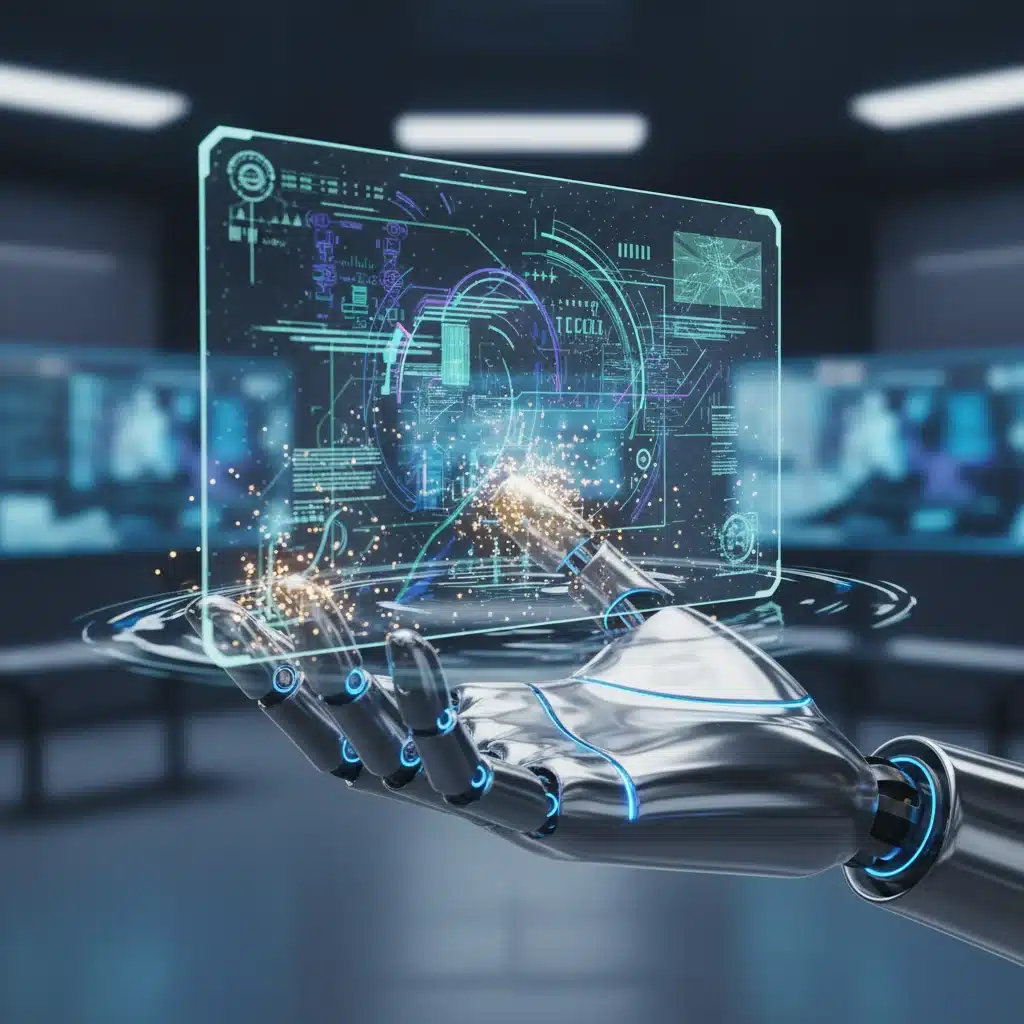
The digital world is becoming increasingly tactile. What was once a realm of purely visual and auditory interaction is now evolving to engage our sense of touch, thanks to the relentless march of haptic feedback innovation. This isn’t just a subtle vibration in your smartphone; it’s a profound technological shift poised to redefine how we interact with devices, environments, and even each other. The evidence of this transformation is palpable, not just in user experiences, but in the intellectual property landscape. Projections indicate a staggering 30% increase in U.S. patents related to haptic feedback technology by 2026, underscoring the fervent research and development driving this sector. This surge in patents is a clear indicator of the immense potential and strategic importance that companies and innovators are placing on haptic experiences.
For decades, our interaction with technology has been largely confined to two senses: sight and sound. From the earliest computers to modern smartphones, visual displays and audio cues have dominated the user interface. However, human perception is inherently multi-sensory. The absence of touch, particularly in digital interactions, has always represented a significant gap, limiting the richness and intuitiveness of our experiences. Haptic feedback technology is bridging this gap, introducing a layer of physical sensation that can convey information, enhance immersion, and even improve safety in countless applications. The sheer volume of new patents signals a maturation of the field, moving beyond rudimentary vibrations to sophisticated, nuanced tactile effects that can simulate textures, forces, and even the feeling of impact.
The implications of this exponential growth in haptic feedback innovation are vast, touching upon virtually every industry. From making virtual reality more believable to improving the precision of surgical robots, and from enhancing automotive safety features to creating more accessible interfaces for individuals with disabilities, haptics is proving to be a versatile and powerful tool. This article will delve into the various facets of this burgeoning field, exploring the technological advancements, the diverse applications, the challenges that remain, and the exciting future that lies ahead as haptic feedback continues to reshape our digital and physical realities.
The Mechanics Behind Haptic Feedback Innovation: A Deeper Dive
At its core, haptic feedback technology aims to recreate the sense of touch. This is achieved through various mechanisms, each with its own strengths and applications. The most common form, often found in smartphones and game controllers, is vibrotactile feedback, generated by eccentric rotating mass (ERM) motors or linear resonant actuators (LRAs). ERM motors are essentially small, unbalanced motors that, when spun, create vibrations. LRAs, on the other hand, use a spring-mass system to generate more precise and nuanced vibrations, often capable of varying frequency and amplitude to create different tactile sensations. These fundamental components have been the workhorses of haptic feedback for years, but the recent surge in patents points to far more sophisticated approaches.
Beyond simple vibrations, advanced haptic feedback innovation is exploring force feedback, which simulates the feeling of resistance or pressure. This is particularly crucial in applications like surgical robotics or industrial control systems, where users need to feel the physical properties of virtual objects or remote environments. Force feedback devices often employ actuators that can apply opposing forces to a user’s hand or finger, mimicking the sensation of pushing against a solid object or grasping a tool. Thermal haptics, another emerging area, aims to simulate changes in temperature, adding another layer of realism to virtual environments or medical training simulations. Imagine feeling the warmth of a virtual fire or the coolness of a metallic object – these are the frontiers being explored.
Microfluidic haptics, electrovibration, and ultrasonic haptics represent even more cutting-edge approaches. Microfluidic systems can precisely control the flow of liquids to create localized pressure changes on the skin, offering highly detailed tactile patterns. Electrovibration works by altering the friction between a finger and a surface using electrostatic forces, allowing users to ‘feel’ textures on a smooth display. Ultrasonic haptics uses focused ultrasound waves to create localized pressure points in the air, allowing users to feel virtual objects without physical contact, opening up possibilities for mid-air haptic interfaces. The diversity of these technologies highlights the depth of research and development fueling the patent boom, each method offering unique capabilities for generating specific tactile sensations. This continuous exploration and refinement of haptic mechanisms are what truly define the current era of haptic feedback innovation, promising a future where digital interactions are as rich and nuanced as physical ones.
Revolutionizing Industries: Applications of Haptic Feedback
The impact of haptic feedback innovation extends far beyond consumer electronics, permeating a wide array of industries and fundamentally altering how professionals and users interact with technology. The growth in patents is not just about new technologies, but about new ways these technologies are being applied to solve real-world problems and enhance experiences.
Gaming and Entertainment: Beyond Vibration
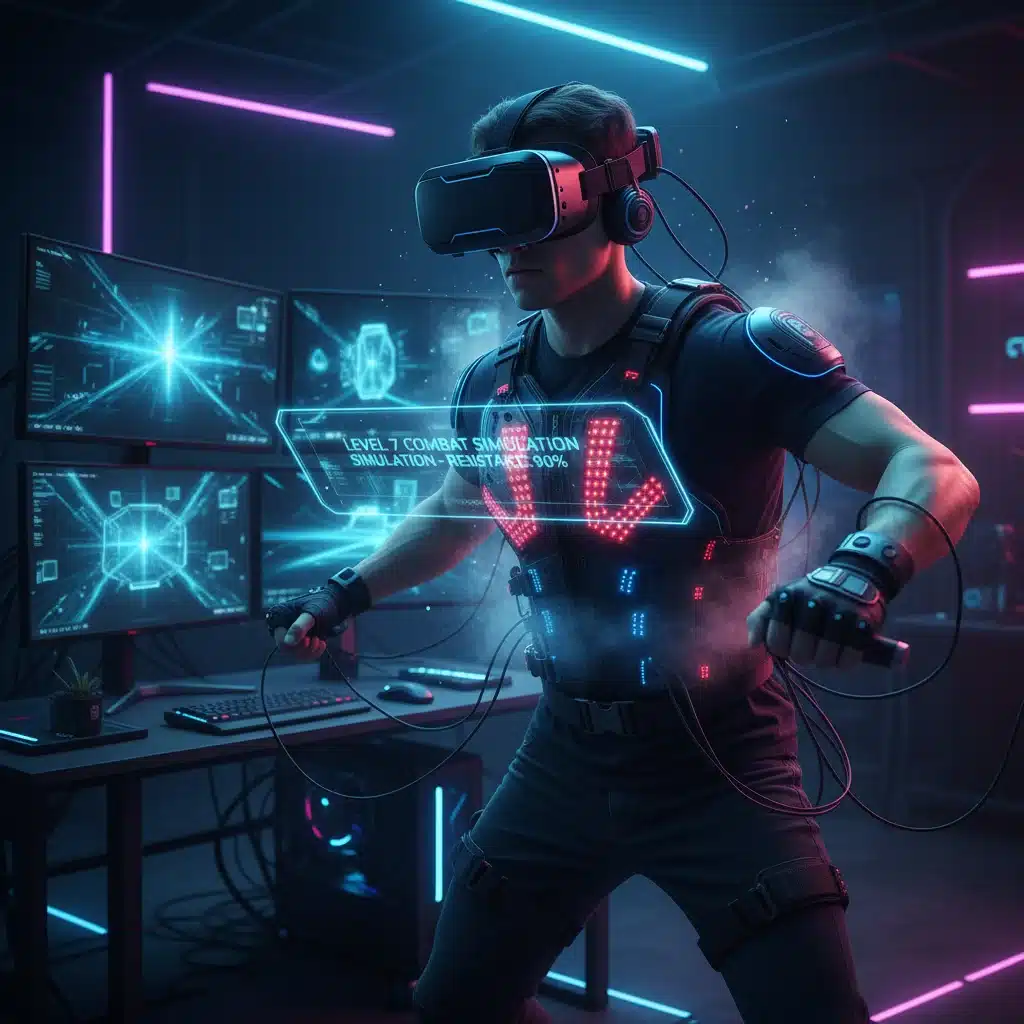
While gaming has long utilized rudimentary haptic feedback, the next generation is poised for a revolution. Imagine feeling the distinct recoil of every weapon in a first-person shooter, the texture of different terrains underfoot, or the subtle vibrations of an engine revving in a racing game. Advanced haptic suits and controllers can provide localized feedback across the body, immersing players in virtual worlds like never before. This level of sensory detail not only enhances realism but can also provide crucial gameplay cues, making the experience more intuitive and engaging. The patent landscape reflects a strong focus on creating more sophisticated and immersive tactile experiences for entertainment.
Healthcare and Medicine: Precision and Training
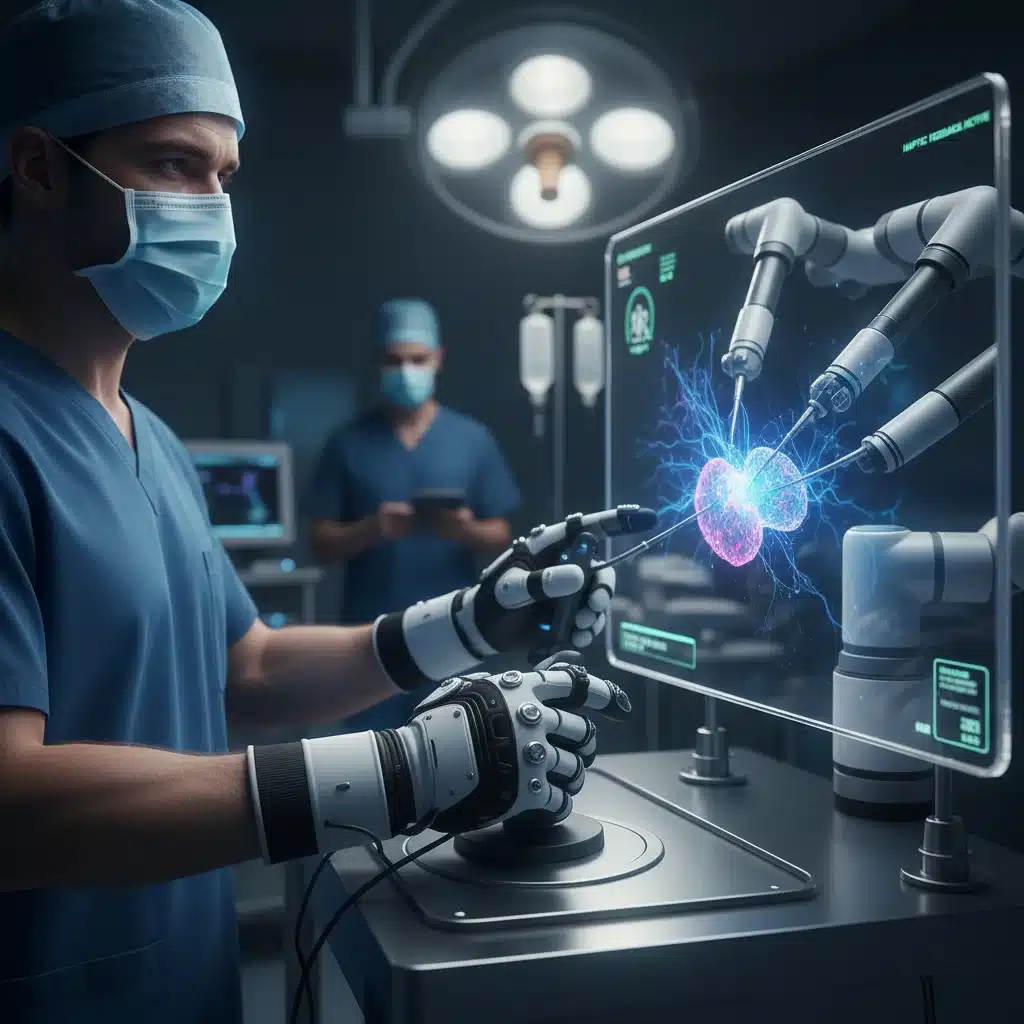
In the medical field, haptic feedback innovation is a game-changer. Surgeons can use haptic-enabled robotic systems to perform delicate procedures with enhanced precision, feeling the resistance of tissues and organs as if they were operating directly with their hands. This tactile feedback reduces errors and improves patient outcomes. Furthermore, haptic technology is transforming medical training. Students can practice complex surgical procedures on virtual patients, receiving realistic tactile sensations that mimic real-world conditions, allowing them to hone their skills in a safe, repeatable environment. Dental training, laparoscopic surgery simulation, and even physical therapy rehabilitation are all benefiting from these advancements.
Automotive Industry: Enhanced Safety and User Experience
The automotive sector is integrating haptic feedback to improve both safety and driver experience. Steering wheels and seats can vibrate to alert drivers to potential hazards, such as lane departure warnings or proximity alerts, providing a more immediate and intuitive warning than visual or auditory cues alone. Haptic feedback in control panels can provide tactile confirmation of button presses or dial adjustments, allowing drivers to keep their eyes on the road. The future may even see haptic pedals that provide resistance to prevent accidental acceleration or indicate optimal braking points. This integration of haptic feedback innovation is poised to make driving safer and more enjoyable.
Virtual and Augmented Reality: True Immersion
The promise of truly immersive VR and AR experiences hinges significantly on haptic feedback. Without the sense of touch, virtual worlds feel incomplete and disconnected. Haptic gloves, vests, and full-body suits are being developed to allow users to ‘feel’ virtual objects, textures, and even impacts. Imagine reaching out to grasp a virtual object and feeling its shape and weight, or experiencing the subtle sensation of raindrops in a virtual storm. This level of tactile immersion is crucial for making VR and AR not just visual spectacles, but truly believable alternative realities. The patent surge in this area is particularly strong, reflecting the critical role haptics plays in the future of extended reality.
Industrial and Robotics: Remote Control and Dexterity
In industrial settings, haptic feedback enables operators to remotely control complex machinery with greater precision and dexterity. For tasks in hazardous environments, such as nuclear facilities or deep-sea exploration, haptic-enabled teleoperation allows operators to ‘feel’ the remote environment, preventing damage and improving efficiency. Robots equipped with haptic sensors can also provide tactile feedback to human controllers, allowing for more intuitive manipulation of delicate objects or assembly processes. This enhances both safety and productivity, making haptic feedback innovation a vital component of the next generation of industrial automation.
The Patent Boom: Driving Forces and Key Players in Haptic Feedback Innovation
The projected 30% increase in U.S. patents by 2026 is not merely a statistic; it’s a testament to the intense competition and rapid technological advancement within the haptic feedback sector. This patent boom is driven by several factors, including the increasing demand for more immersive and intuitive user interfaces, the miniaturization of haptic actuators, and the growing recognition of haptics’ potential across diverse applications. Companies are investing heavily in research and development, seeking to secure their intellectual property and gain a competitive edge in this rapidly expanding market.
Major technology giants, from Apple and Google to Microsoft and Sony, are significant players in the haptic patent landscape. These companies are not only developing haptic solutions for their own products, such as smartphones, smartwatches, and gaming consoles, but are also exploring broader applications in AR/VR, automotive, and accessibility. Beyond these household names, a vibrant ecosystem of specialized haptic technology companies and startups is also contributing to the patent surge. Firms like Immersion Corporation, which has long been a leader in haptic licensing and development, continue to innovate, while newer entrants bring fresh perspectives and novel technologies to the table. These specialized companies often focus on niche applications, advanced actuator designs, or sophisticated haptic rendering algorithms.
The types of patents being filed cover a broad spectrum of haptic feedback innovation. They include patents for new haptic actuator designs (e.g., more compact, energy-efficient, or powerful actuators), novel methods for generating complex tactile sensations (e.g., simulating textures, vibrations, or forces), haptic feedback integration into various devices (e.g., smart textiles, medical instruments, industrial controls), and algorithms for rendering haptic effects in real-time. There’s also a significant focus on haptic feedback in augmented and virtual reality, with patents related to haptic gloves, suits, and even mid-air haptics that allow users to feel virtual objects without physical contact. This diverse patent activity signifies a healthy and dynamic industry, pushing the boundaries of what’s possible with touch.
Furthermore, the strategic importance of these patents cannot be overstated. Intellectual property protection is crucial for companies to recoup their significant investments in R&D and to maintain a competitive advantage. The more patents a company holds, the stronger its position in the market and the more leverage it has for licensing agreements or cross-licensing deals. This ongoing race to innovate and patent is a clear indicator that haptic feedback innovation is not just a passing trend but a fundamental shift in how we design and experience technology. The sheer volume of new patents underscores the belief that haptics will be as integral to future interfaces as screens and speakers are today.
Challenges and Future Directions for Haptic Feedback Innovation
Despite the remarkable progress and the booming patent activity, the field of haptic feedback innovation still faces several challenges that need to be addressed for widespread adoption and further advancement. Overcoming these hurdles will pave the way for even more sophisticated and ubiquitous haptic experiences.
Miniaturization and Power Consumption
One of the primary challenges lies in further miniaturizing haptic actuators while maintaining or even increasing their performance. For haptic feedback to be seamlessly integrated into everyday objects, wearables, and even clothing, the components need to be incredibly small, lightweight, and energy-efficient. Current advanced haptic devices can sometimes be bulky or require significant power, limiting their application in portable or battery-dependent devices. Innovations in materials science and micro-electromechanical systems (MEMS) are crucial for addressing this, enabling the development of haptic actuators that are barely noticeable yet capable of delivering rich tactile sensations.
Cost and Manufacturability
The cost of implementing advanced haptic feedback systems can be a barrier, especially for mass-market consumer products. While basic vibrotactile feedback is relatively inexpensive, more sophisticated force feedback or high-definition haptic arrays can be quite costly to produce and integrate. Streamlining manufacturing processes, developing more cost-effective materials, and scaling production will be essential to bring these advanced haptic experiences to a broader audience. The patent landscape shows a focus on more efficient designs and production methods, indicating that this challenge is actively being tackled.
Standardization and Content Creation
Unlike visual or audio content, there is a lack of widespread standards for creating, encoding, and playing back haptic experiences. This fragmentation can hinder developers and content creators, making it difficult to create haptic effects that work consistently across different devices and platforms. Developing universal haptic programming interfaces (APIs) and standardized haptic file formats will be critical for fostering a robust ecosystem of haptic content. As haptic feedback innovation matures, the industry will need to converge on common standards to unlock its full potential, much like image and audio formats did for their respective media.
Perceptual Fidelity and Realism
While haptic technology has come a long way, accurately replicating the full spectrum of human touch remains an immense challenge. Our sense of touch is incredibly complex, involving multiple types of mechanoreceptors that detect pressure, texture, vibration, temperature, and pain. Current haptic devices can simulate some of these sensations, but achieving true perceptual fidelity – where the simulated touch is indistinguishable from real touch – is a long-term goal. Future haptic feedback innovation will focus on multi-modal haptics, combining different actuation methods to create more realistic and nuanced tactile experiences, moving closer to the goal of truly seamless human-computer interaction.
Ethical Considerations and Accessibility
As haptic technology becomes more sophisticated, ethical considerations will also come to the forefront. The potential for misuse, such as generating unwanted or misleading tactile feedback, needs to be addressed through responsible design and regulation. On the positive side, haptic feedback holds immense potential for improving accessibility for individuals with sensory impairments. For example, haptic interfaces can provide tactile cues for navigation, communication, or information display for the visually or hearing impaired. Ensuring that haptic feedback innovation is inclusive and accessible to all will be a crucial aspect of its future development.
The future of haptic feedback is bright, characterized by continued miniaturization, enhanced realism, and seamless integration into our daily lives. As these challenges are met, haptics will undoubtedly become an even more integral and indispensable part of our technological landscape, further enriching our interactions and blurring the lines between the digital and physical worlds.
The Economic Impact of Surging Haptic Feedback Innovation
The projected 30% increase in U.S. patents by 2026 for haptic feedback innovation is not just a technical milestone; it represents a significant economic driver, fostering growth, creating jobs, and attracting substantial investment. This surge in intellectual property is a clear indicator of a burgeoning market with immense commercial potential across various sectors.
Firstly, the direct economic impact comes from the research and development expenditures themselves. Companies are pouring billions into R&D to develop new haptic technologies, leading to job creation for engineers, scientists, designers, and software developers. This intellectual capital, once patented, becomes a valuable asset that can be licensed, sold, or used to build proprietary products, generating revenue streams and strengthening competitive positions.
Secondly, the integration of advanced haptic feedback into consumer products is creating new market segments and driving sales. From high-end gaming accessories and VR headsets to premium smartphones and smart wearables, devices featuring superior haptic capabilities often command higher prices and appeal to a tech-savvy consumer base. This enhanced user experience translates directly into increased market demand and revenue for manufacturers. As haptic feedback innovation becomes more refined and cost-effective, its adoption will expand to more mainstream products, further fueling economic growth.
Beyond consumer electronics, the impact on specialized industries is equally profound. In healthcare, haptic-enabled surgical robots and training simulators, while initially expensive, offer long-term cost savings by improving surgical outcomes, reducing training times, and minimizing errors. This leads to a more efficient and safer healthcare system, indirectly contributing to economic well-being. The automotive industry’s adoption of haptic alerts and controls also has economic benefits, potentially reducing accidents and insurance costs, while enhancing the overall value proposition of modern vehicles.
Furthermore, the patent boom itself stimulates a vibrant ecosystem of innovation. Startups with novel haptic solutions attract venture capital, leading to further R&D and market expansion. Larger companies acquire smaller haptic innovators to bolster their portfolios, consolidating expertise and accelerating market penetration. This dynamic environment fosters healthy competition, pushing the boundaries of what’s possible and ensuring a continuous stream of new products and services. The legal and intellectual property sectors also benefit from this activity, with increased demand for patent lawyers and consultants.
Finally, the long-term economic impact of haptic feedback innovation lies in its potential to create entirely new industries and redefine existing ones. Imagine a future where remote work feels more collaborative due to haptic telepresence, or where online shopping allows you to ‘feel’ the texture of fabrics before purchase. These emerging applications represent vast untapped markets that haptic technology is poised to unlock. The patents being filed today are the foundational blocks for these future economic opportunities, ensuring that the U.S. remains at the forefront of this transformative technological wave and benefits significantly from its commercialization.
Conclusion: The Tactile Future is Here, Driven by Haptic Feedback Innovation
The landscape of human-computer interaction is undergoing a profound transformation, with the sense of touch emerging as a crucial frontier. The projected 30% surge in U.S. patents related to haptic feedback innovation by 2026 is not just a trend; it’s a clear declaration of intent from the world’s leading innovators and corporations. This exponential growth in intellectual property signifies a deep commitment to developing and deploying technologies that can bring the digital world to life through tactile sensations, fundamentally reshaping user experiences across virtually every sector.
From the nuanced vibrations of next-generation smartphones to the precise force feedback in surgical robots, and from the immersive tactile sensations of virtual reality to the critical safety alerts in autonomous vehicles, haptic technology is proving its versatility and indispensable value. We have explored the intricate mechanics behind these innovations, delving into vibrotactile, force, thermal, and even electrovibration and ultrasonic haptics, each offering unique ways to recreate the richness of physical touch. The applications are boundless, promising more intuitive interfaces, enhanced immersion, improved safety, and unprecedented levels of precision in various professional fields.
While challenges remain in areas such as miniaturization, cost-effectiveness, standardization, and achieving ultimate perceptual fidelity, the sheer volume of research and development, as evidenced by the patent boom, indicates a robust and determined effort to overcome these hurdles. The economic implications are equally significant, with new markets emerging, industries being revolutionized, and substantial investments flowing into this dynamic sector, creating jobs and fostering a vibrant ecosystem of innovation.
The tactile future is not a distant dream; it is rapidly unfolding before our eyes, propelled by relentless haptic feedback innovation. As these technologies mature and become more seamlessly integrated into our daily lives, our interactions with the digital world will become richer, more intuitive, and profoundly more human. The era of multi-sensory computing is here, and touch is finally taking its rightful place alongside sight and sound, creating an unprecedented level of engagement and connection with the technology that shapes our world.