Mental Health Tech: Comparing 6 Top Digital Therapeutics for Anxiety and Depression in 2026

In an era defined by rapid technological advancements, the field of mental health is undergoing a profound transformation. The rise of digital therapeutics mental health solutions is not just a trend; it’s a paradigm shift, offering unprecedented accessibility and personalized care for millions grappling with anxiety and depression. As we look towards 2026, the landscape of these innovative tools continues to evolve, promising more sophisticated and integrated approaches to mental well-being. This article delves into the forefront of this revolution, comparing six of the most impactful digital therapeutics poised to redefine mental health treatment.
The global burden of mental health conditions, particularly anxiety and depression, remains staggering. Traditional care models, while vital, often face challenges related to access, cost, stigma, and provider shortages. This is where digital therapeutics step in, leveraging evidence-based clinical interventions delivered through software programs to prevent, manage, or treat a medical disorder or disease. Unlike general wellness apps, these are rigorously tested, often FDA-cleared, and designed to produce clinical outcomes comparable to traditional therapy.
Our focus today is on understanding the nuances of these platforms, examining their core methodologies, target conditions, unique features, and the evidence supporting their efficacy. By 2026, these digital solutions are expected to be more deeply integrated into healthcare systems, working in conjunction with clinicians to provide a holistic and continuous care experience. Let’s explore the pioneers leading this charge.
Understanding Digital Therapeutics in Mental Health
Before we dive into specific platforms, it’s crucial to define what distinguishes digital therapeutics mental health solutions from the myriad of mental wellness apps available. Digital therapeutics (DTx) are a subset of digital health, delivering evidence-based therapeutic interventions that are driven by software to prevent, manage, or treat a medical disorder or disease. They are often prescribed by clinicians and are backed by clinical trials demonstrating their safety and efficacy. This rigorous validation is what sets them apart.
For anxiety and depression, DTx typically employ techniques derived from cognitive behavioral therapy (CBT), dialectical behavior therapy (DBT), mindfulness, and other empirically supported psychological interventions. They offer structured programs, interactive exercises, progress tracking, and sometimes even human coaching or clinician oversight, all delivered conveniently through a smartphone, tablet, or computer.
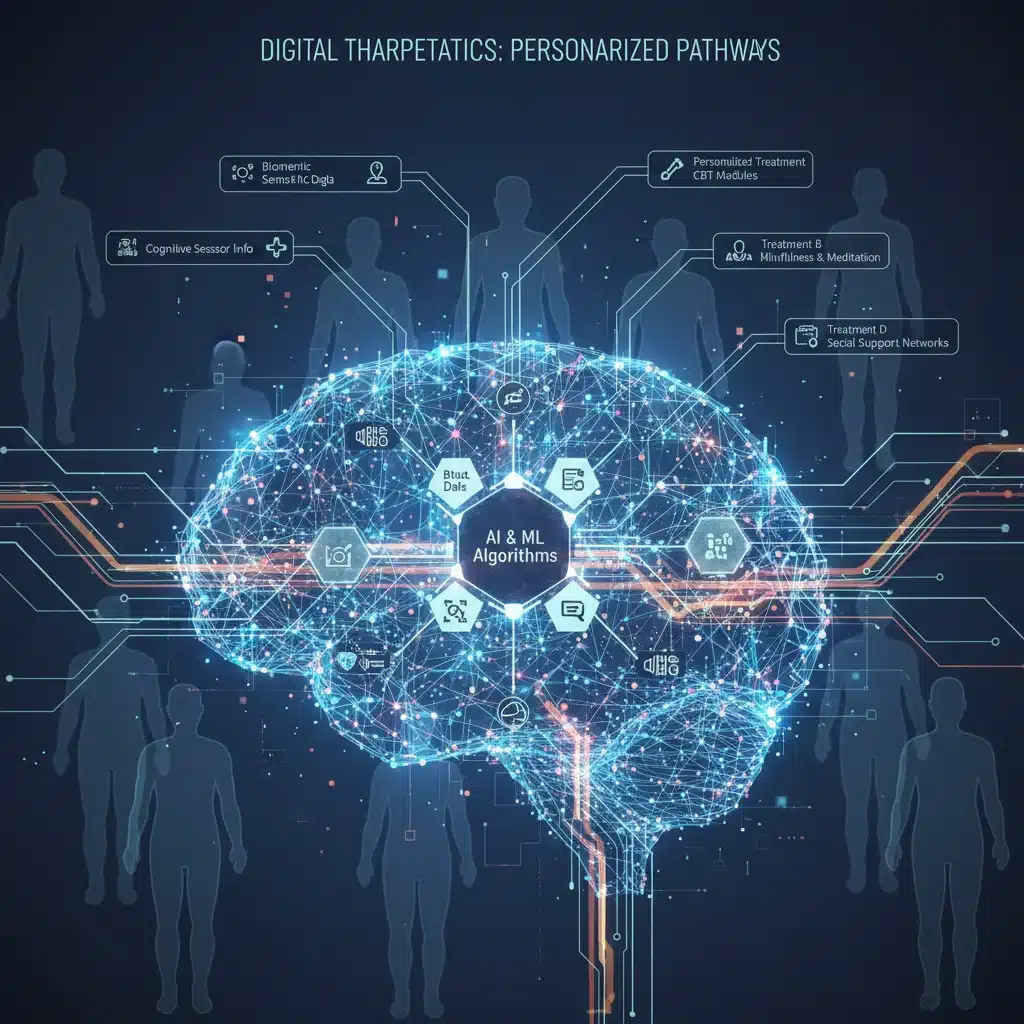
The benefits are manifold: increased accessibility, reduced stigma, personalized treatment pathways, and the potential for real-time data collection that can inform both the user and their healthcare provider. As technology advances, so too does the sophistication of these platforms, incorporating AI, machine learning, and biometric data to create ever more tailored and effective interventions. The goal is not to replace human therapists but to augment their capabilities, extend their reach, and provide continuous support that traditional weekly sessions often cannot.
Criteria for Comparison: What Makes a Top Digital Therapeutic?
To effectively compare the leading digital therapeutics mental health platforms, we’ve established several key criteria:
- Clinical Validation & Efficacy: Is there robust scientific evidence, including randomized controlled trials (RCTs), demonstrating the platform’s effectiveness for anxiety and depression? Is it FDA-cleared or CE-marked where applicable?
- Target Conditions: Does it specifically target anxiety disorders (Generalized Anxiety Disorder, Social Anxiety Disorder, Panic Disorder) and/or depressive disorders (Major Depressive Disorder, Persistent Depressive Disorder)?
- Therapeutic Approach: What psychological principles does it employ (e.g., CBT, DBT, mindfulness, exposure therapy)? How is this delivered interactively?
- User Experience & Engagement: How intuitive and engaging is the interface? Does it offer features that promote adherence and sustained use?
- Personalization & Adaptability: To what extent can the program be tailored to individual user needs, progress, and preferences? Does it incorporate adaptive learning?
- Integration with Care: Can it be integrated with existing healthcare systems? Does it offer clinician dashboards, telehealth capabilities, or human coaching?
- Accessibility & Cost: How readily available is it? What are the typical costs, and is it covered by insurance?
These criteria provide a framework for a comprehensive evaluation, helping us understand not just what each platform does, but how well it does it and for whom.
Comparing 6 Top Digital Therapeutics for Anxiety and Depression in 2026
1. Pear Therapeutics’ reSET-A and reSET-O (Hypothetical Adaptation for Anxiety/Depression Focus)
While Pear Therapeutics’ existing products like reSET and reSET-O are primarily focused on substance use disorder, for the purpose of this 2026 comparison, we will consider a hypothetical, yet highly plausible, expansion into general anxiety and depression. Given their established methodology and FDA-cleared status for other indications, a future Pear product for anxiety/depression would likely follow a similar rigorous path.
- Clinical Validation & Efficacy: Assuming a future Pear product for anxiety/depression, it would undoubtedly be built on extensive clinical trials, aiming for FDA clearance. Their existing products demonstrate a strong commitment to evidence-based outcomes, showing significant improvements in abstinence rates for SUD.
- Target Conditions: Generalized Anxiety Disorder (GAD), Major Depressive Disorder (MDD), potentially Panic Disorder.
- Therapeutic Approach: Expected to utilize a highly structured, interactive CBT framework, similar to their current offerings. This would include modules on cognitive restructuring, behavioral activation, relaxation techniques, and problem-solving skills, delivered through engaging digital exercises.
- User Experience & Engagement: Pear’s platforms are known for their intuitive design and gamified elements to maintain user engagement. A future anxiety/depression DTx would likely incorporate personalized pathways, motivational interviewing techniques, and progress tracking to keep users motivated.
- Personalization & Adaptability: High degree of personalization, potentially leveraging AI to adapt content and difficulty based on user responses and progress. Integration of biometric data for real-time feedback on stress levels could also be a feature.
- Integration with Care: Designed for prescription by clinicians, with provider dashboards for monitoring patient progress and adherence. Seamless integration with telehealth platforms would be a priority.
- Accessibility & Cost: As a prescription-only DTx, insurance coverage would be a key factor. Accessibility would depend on healthcare provider adoption and payer reimbursement models.
2. Woebot Health (Woebot)
Woebot is an AI-powered chatbot that delivers CBT, DBT, and interpersonal psychotherapy (IPT) principles. It’s designed to be an always-available support system, offering therapeutic conversations and exercises.
- Clinical Validation & Efficacy: Woebot has published studies demonstrating its efficacy in reducing symptoms of anxiety and depression, particularly in young adults. While not FDA-cleared as a prescription DTx in the same vein as Pear, its research base is strong.
- Target Conditions: Mild to moderate anxiety and depression.
- Therapeutic Approach: Uses conversational AI to deliver CBT, DBT, and IPT techniques. It guides users through mood tracking, cognitive reframing, gratitude exercises, and mindfulness practices, adapting to user input.
- User Experience & Engagement: Its chatbot interface makes it highly accessible and feels like a natural conversation, which can be less intimidating for some users. Daily check-ins and varied exercises keep engagement high.
- Personalization & Adaptability: The AI learns from user interactions, offering increasingly personalized responses and interventions. It can identify patterns in user’s moods and thoughts over time.
- Integration with Care: Primarily a direct-to-consumer product, but increasingly exploring partnerships with healthcare providers for integration into broader care pathways.
- Accessibility & Cost: Available as a direct-to-consumer subscription app, making it highly accessible. Some versions may be offered through employers or health plans.
3. Big Health (Daylight for Anxiety, Sleepio for Insomnia with Comorbid Anxiety/Depression)
Big Health is known for its digital therapeutics, Daylight for anxiety and Sleepio for insomnia, both of which are evidence-based and often prescribed by healthcare professionals.
- Clinical Validation & Efficacy: Both Daylight and Sleepio boast extensive clinical evidence, including multiple RCTs published in peer-reviewed journals. Sleepio is particularly well-validated for insomnia, which often co-occurs with anxiety and depression. Daylight is proven to reduce GAD symptoms.
- Target Conditions: Daylight targets Generalized Anxiety Disorder (GAD). Sleepio targets chronic insomnia, with significant positive impacts on comorbid anxiety and depression symptoms due to improved sleep.
- Therapeutic Approach: Daylight uses CBT techniques for anxiety, including cognitive restructuring, exposure therapy, and relaxation. Sleepio delivers CBT for insomnia (CBT-I), focusing on sleep restriction, stimulus control, and cognitive therapy for sleep-related worries.
- User Experience & Engagement: Both platforms offer structured, engaging programs with easy-to-understand modules, interactive tools, and progress tracking. They are designed to feel supportive and empowering.
- Personalization & Adaptability: Programs are adaptive, tailoring advice and exercises based on user input and progress. Sleepio, for example, customizes its recommendations based on individual sleep patterns.
- Integration with Care: Often offered through employers, health plans, and healthcare providers. They provide clinician dashboards and can be integrated into broader patient management systems.
- Accessibility & Cost: Highly accessible through employer benefits and health plans. Some direct-to-consumer options may exist, with costs varying by plan.
4. Limbix (SparkRx)
SparkRx is a prescription digital therapeutic for adolescents with depression. It’s a relatively newer entrant but focuses on a critical demographic often underserved by traditional mental health services.
- Clinical Validation & Efficacy: SparkRx has received FDA clearance as a prescription-only digital therapeutic for adolescents with depression. Its efficacy is supported by clinical trials demonstrating a reduction in depressive symptoms.
- Target Conditions: Major Depressive Disorder (MDD) in adolescents (ages 13-22).
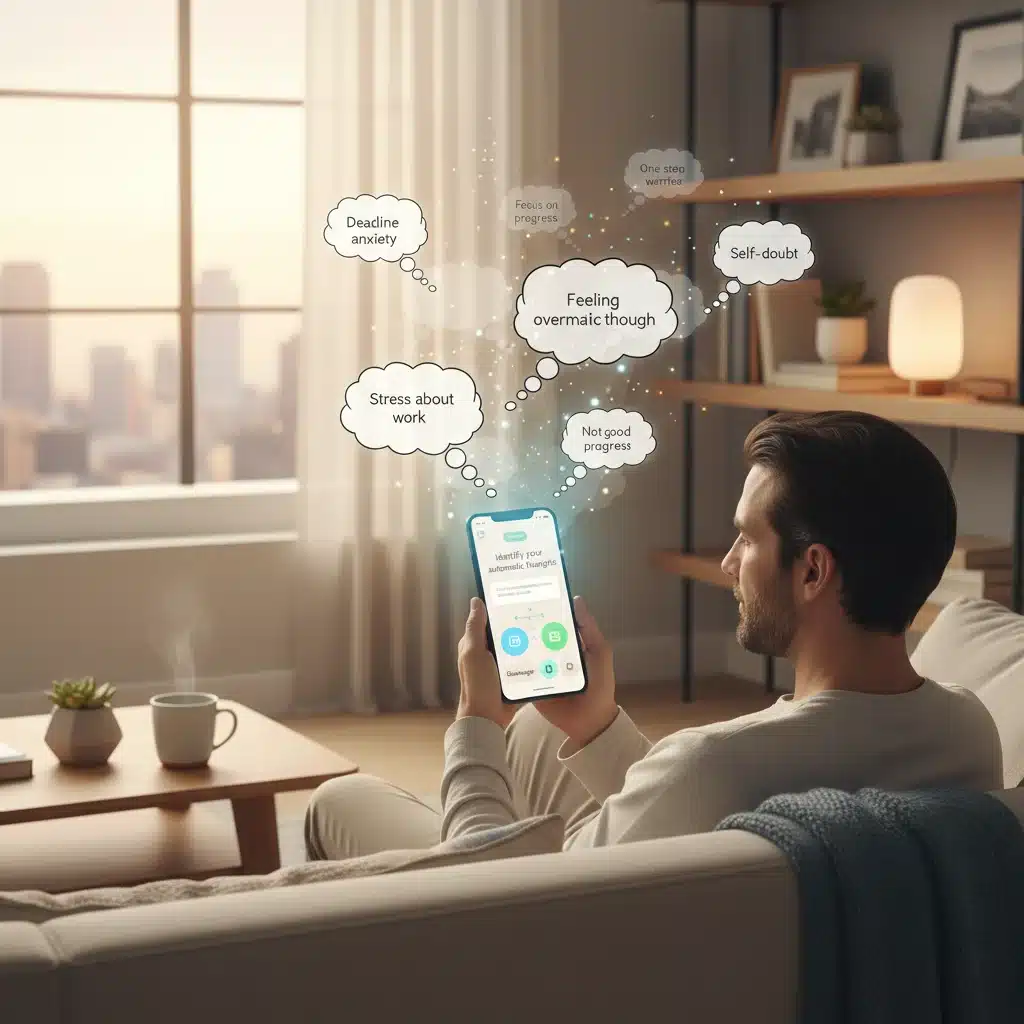
- Therapeutic Approach: Based on principles of behavioral activation (BA), which encourages users to engage in positive activities to improve mood. It also incorporates elements of CBT and mindfulness.
- User Experience & Engagement: Designed with adolescents in mind, featuring engaging activities, interactive lessons, and opportunities for self-reflection. It aims to make therapy approachable and relevant to a younger audience.
- Personalization & Adaptability: Offers personalized activity recommendations and allows users to track their mood and activity levels, adapting content based on their progress and preferences.
- Integration with Care: As a prescription DTx, it is designed to be used under the supervision of a clinician. It includes a clinician dashboard for monitoring patient engagement and progress.
- Accessibility & Cost: Accessible via prescription, with coverage dependent on insurance plans. Its focus on adolescents addresses a significant gap in accessible care for this age group.
5. Click Therapeutics (Hypothetical for Anxiety/Depression)
Similar to Pear, Click Therapeutics has a strong portfolio of prescription digital therapeutics, particularly in chronic pain and migraine. A future expansion into anxiety and depression would leverage their robust development and clinical validation framework.
- Clinical Validation & Efficacy: If Click Therapeutics were to launch a DTx for anxiety/depression, it would undoubtedly undergo rigorous clinical trials aiming for regulatory clearance (e.g., FDA). Their track record in other areas suggests a high standard for evidence.
- Target Conditions: Likely to target specific anxiety disorders (e.g., Social Anxiety Disorder, Panic Disorder) and/or Major Depressive Disorder.
- Therapeutic Approach: Expected to employ a blend of CBT, mindfulness, and potentially novel therapeutic mechanisms delivered through highly interactive and engaging digital modules. Their expertise in neuroscience-based interventions could lead to unique approaches.
- User Experience & Engagement: Click’s platforms are known for their sophisticated design and ability to maintain user engagement over time. A DTx for mental health would likely feature adaptive learning pathways, gamification, and personalized feedback.
- Personalization & Adaptability: High degree of personalization driven by AI and machine learning, continuously adjusting the intervention based on user data, progress, and behavioral patterns.
- Integration with Care: As a prescription DTx, it would be fully integrated into clinical workflows, providing clinicians with detailed insights into patient engagement and outcomes.
- Accessibility & Cost: Accessibility would be through healthcare providers and insurance coverage, similar to other prescription DTx.
6. Happify Health (Hypothetical Prescription DTx for Depression/Anxiety)
Happify Health currently offers a widely used consumer app focused on building emotional resilience and well-being. Their deep experience in positive psychology and CBT-based interventions makes them a strong candidate for developing a prescription-grade digital therapeutic for anxiety and depression.
- Clinical Validation & Efficacy: While their current app has published studies on effectiveness, a prescription DTx version would require rigorous clinical trials and regulatory approval (e.g., FDA clearance) to demonstrate efficacy for specific mental health diagnoses.
- Target Conditions: Likely to target mild to moderate Major Depressive Disorder (MDD) and Generalized Anxiety Disorder (GAD).
- Therapeutic Approach: Would build upon their existing foundation of positive psychology, CBT, and mindfulness-based interventions. Focus on building skills for emotional regulation, cognitive restructuring, and behavioral activation through interactive games, activities, and guided meditations.
- User Experience & Engagement: Happify’s consumer app is highly engaging, utilizing gamification and a visually appealing interface. A DTx would retain these strengths while adding clinical rigor and structured progression.
- Personalization & Adaptability: Their current platform already offers personalized ‘tracks’ based on user goals. A DTx would likely enhance this with more sophisticated adaptive algorithms, tailoring interventions based on clinical assessment and ongoing progress.
- Integration with Care: A prescription DTx from Happify would integrate with clinician platforms, allowing healthcare providers to monitor patient progress, adjust treatment plans, and provide complementary support.
- Accessibility & Cost: As a hypothetical prescription DTx, accessibility would be through healthcare providers and insurance channels. Their existing consumer app offers a glimpse into a potentially very accessible and user-friendly platform.
The Future of Digital Therapeutics in Mental Health by 2026
By 2026, the role of digital therapeutics mental health solutions is expected to expand significantly. Several key trends will shape their evolution:
- Increased Integration with Hybrid Care Models: DTx will not operate in isolation but will become integral components of hybrid care models, combining digital interventions with traditional therapy, medication management, and telehealth services. This blended approach offers flexibility and continuous support.
- Advanced Personalization through AI and Biometrics: The use of artificial intelligence and machine learning will become even more sophisticated, enabling DTx to offer hyper-personalized interventions. Integration with wearable devices and biometric data will allow for real-time monitoring and adaptive adjustments to treatment plans, making interventions more precise and timely.
- Broader Regulatory Acceptance and Reimbursement: As more clinical evidence accumulates, regulatory bodies worldwide are likely to streamline approval processes. This will, in turn, lead to greater acceptance by insurance providers and healthcare systems, making these tools more accessible and affordable for a wider population.
- Focus on Prevention and Early Intervention: Beyond treating existing conditions, DTx will increasingly be used for prevention and early intervention, identifying individuals at risk and providing proactive support to mitigate the development of severe anxiety and depression.
- Specialized DTx for Comorbidities: We will see a rise in specialized DTx designed to address comorbidities, such as anxiety co-occurring with chronic pain, or depression with cardiovascular disease, offering integrated solutions for complex patient needs.
- Ethical AI and Data Privacy: With increased data collection comes a heightened focus on ethical AI and robust data privacy measures. DTx providers will need to ensure transparency, security, and user control over their health data to build trust.
Challenges and Opportunities
Despite the immense promise, the widespread adoption of digital therapeutics mental health faces challenges. These include ensuring equitable access across socioeconomic divides, overcoming technological barriers for less tech-savvy populations, and maintaining the human element in mental healthcare. Moreover, the integration into existing clinical workflows requires careful planning and training for healthcare providers.
However, the opportunities far outweigh the challenges. DTx can bridge gaps in care, reduce wait times, empower individuals with self-management tools, and provide data-driven insights that can refine treatment approaches. For healthcare systems, they offer a scalable solution to address the growing demand for mental health services, potentially leading to better patient outcomes and more efficient resource allocation.
Conclusion
The landscape of mental health treatment is undergoing a profound evolution, with digital therapeutics mental health solutions at its forefront. By 2026, the platforms discussed – and others yet to emerge – will play an even more critical role in providing accessible, effective, and personalized care for anxiety and depression. From clinically validated prescription apps to AI-powered conversational agents, these technologies are not just supplements to traditional therapy; they are becoming essential components of a modern, comprehensive mental healthcare ecosystem.
As we move forward, continued research, regulatory support, and thoughtful integration into clinical practice will be paramount to realizing the full potential of these innovative tools. The future of mental well-being is increasingly digital, offering a beacon of hope for millions seeking support and healing.