Precision Medicine in Action: Tailoring Treatments for Genetic Conditions by 2026 in the US

Precision Medicine in Action: Tailoring Treatments for Genetic Conditions by 2026 in the US
The landscape of healthcare is undergoing a profound transformation, driven by scientific advancements that allow for an unprecedented understanding of human biology. At the forefront of this revolution is Precision Medicine Genetic Conditions, a paradigm shift that promises to redefine how we diagnose, treat, and prevent diseases, particularly those rooted in our genetic code. By 2026, the United States is poised to witness significant strides in the application of precision medicine, offering highly individualized and effective therapies for a myriad of genetic conditions. This article will explore the current state, future prospects, challenges, and ethical considerations surrounding this groundbreaking approach, providing a comprehensive overview of its impact on patient care.
For decades, medical treatments have largely followed a ‘one-size-fits-all’ approach, where therapies are designed for the ‘average’ patient. While effective for many, this method often overlooks the unique genetic, environmental, and lifestyle factors that contribute to an individual’s disease presentation and response to treatment. Precision Medicine Genetic Conditions seeks to rectify this by leveraging an individual’s genetic makeup, lifestyle, and environment to tailor therapeutic interventions. This personalized strategy holds immense promise, especially for conditions caused by specific genetic mutations, offering hope where conventional treatments have fallen short.
The Foundation of Precision Medicine: Genomics and Beyond
At its core, precision medicine is deeply intertwined with genomics – the study of an organism’s complete set of DNA. Advances in DNA sequencing technologies have made it possible to map an individual’s genome rapidly and affordably, providing a detailed blueprint of their genetic predispositions and anomalies. This genetic information is then used to identify specific mutations or biomarkers that are driving a disease, allowing for the selection of therapies that precisely target these underlying mechanisms.
Beyond genomics, precision medicine also incorporates other ‘omics’ data, such as proteomics (the study of proteins), metabolomics (the study of metabolites), and transcriptomics (the study of RNA molecules). Integrating these diverse data sets provides a holistic view of an individual’s biological state, enabling clinicians to make more informed decisions regarding treatment strategies. The sheer volume and complexity of this data necessitate advanced computational tools, including artificial intelligence and machine learning, to identify patterns and predict treatment responses.
The journey towards widespread adoption of Precision Medicine Genetic Conditions began with breakthroughs in oncology, where targeted therapies have dramatically improved outcomes for patients with specific cancer mutations. This success has paved the way for applying similar principles to rare and common genetic disorders, offering a new frontier in medical treatment. The ability to identify the exact genetic defect causing a condition opens doors to gene-editing technologies, RNA-based therapies, and small molecule drugs designed to correct or compensate for these genetic errors.
Current Landscape of Precision Medicine for Genetic Conditions in the US
The United States has been a global leader in advancing precision medicine. Several initiatives, such as the National Institutes of Health’s All of Us Research Program, aim to gather health data from one million or more diverse individuals to accelerate research and enable individualized healthcare. These large-scale data collection efforts are crucial for understanding the interplay between genes, environment, and health outcomes, which is fundamental to the continued growth of Precision Medicine Genetic Conditions.
Currently, precision medicine approaches are being successfully applied to a growing number of genetic conditions. For example:
- Cystic Fibrosis: Modulator drugs like Ivacaftor and Lumacaftor specifically target the defective CFTR protein caused by certain mutations, improving lung function and overall quality of life for patients.
- Spinal Muscular Atrophy (SMA): Gene therapies like Zolgensma deliver a functional copy of the SMN1 gene, and antisense oligonucleotide therapies like Nusinersen modify RNA splicing to produce more functional SMN protein, significantly altering the disease course.
- Huntington’s Disease: While a cure remains elusive, research into gene-silencing therapies aims to reduce the production of the toxic huntingtin protein, offering potential disease-modifying treatments.
- Rare Genetic Disorders: For many ultra-rare conditions, genomic sequencing can diagnose the underlying cause, guiding supportive care and, in some cases, identifying existing drugs that may have an off-label benefit.
These examples illustrate the power of Precision Medicine Genetic Conditions to move beyond symptomatic treatment to address the root cause of disease. The focus is shifting from managing symptoms to correcting the underlying genetic defect or its downstream effects, offering the potential for long-term remission or even a cure.
Anticipated Advancements by 2026: A Glimpse into the Future
By 2026, the progress in Precision Medicine Genetic Conditions is expected to accelerate significantly, driven by ongoing research, technological innovations, and increasing investment. Several key areas are anticipated to see substantial advancements:
Expanded Gene Therapy Applications
Gene therapy, which involves introducing genetic material into a person’s cells to replace faulty genes or to make beneficial proteins, is a rapidly evolving field. By 2026, we can expect to see an expansion of approved gene therapies for a wider range of genetic conditions, including certain forms of muscular dystrophy, hemophilia, and inherited retinal diseases. Research into more efficient and safer viral and non-viral delivery systems will enhance the applicability and reduce the risks associated with these treatments.
CRISPR and Gene Editing Technologies
CRISPR-Cas9 and other gene-editing tools represent a revolutionary approach to precision medicine. These technologies allow for precise modifications to the DNA sequence, offering the potential to correct disease-causing mutations directly within the patient’s cells. While still largely in clinical trials, significant progress is expected by 2026, with the potential for ‘in vivo’ (inside the body) gene editing becoming a reality for a select number of genetic disorders. Ethical considerations surrounding germline editing will continue to be debated, but somatic cell editing applications are likely to advance rapidly.
AI-Driven Drug Discovery and Repurposing
Artificial intelligence and machine learning algorithms are becoming indispensable tools in drug discovery. By analyzing vast amounts of genomic, proteomic, and clinical data, AI can identify novel drug targets, predict drug efficacy and toxicity, and even repurpose existing drugs for new indications. This will significantly shorten the drug development pipeline for Precision Medicine Genetic Conditions, bringing new therapies to patients faster. We anticipate more AI-discovered or AI-optimized drugs entering clinical trials and even reaching approval by 2026.
Advanced Diagnostics and Biomarker Discovery
The ability to accurately diagnose genetic conditions at an early stage is paramount for effective precision medicine. By 2026, advancements in liquid biopsies, non-invasive prenatal testing, and comprehensive genomic profiling will provide more precise and earlier diagnoses. Furthermore, the discovery of new biomarkers will allow for better patient stratification, enabling clinicians to identify which patients are most likely to respond to a particular precision therapy, thus optimizing treatment outcomes and reducing unnecessary exposure to ineffective drugs.
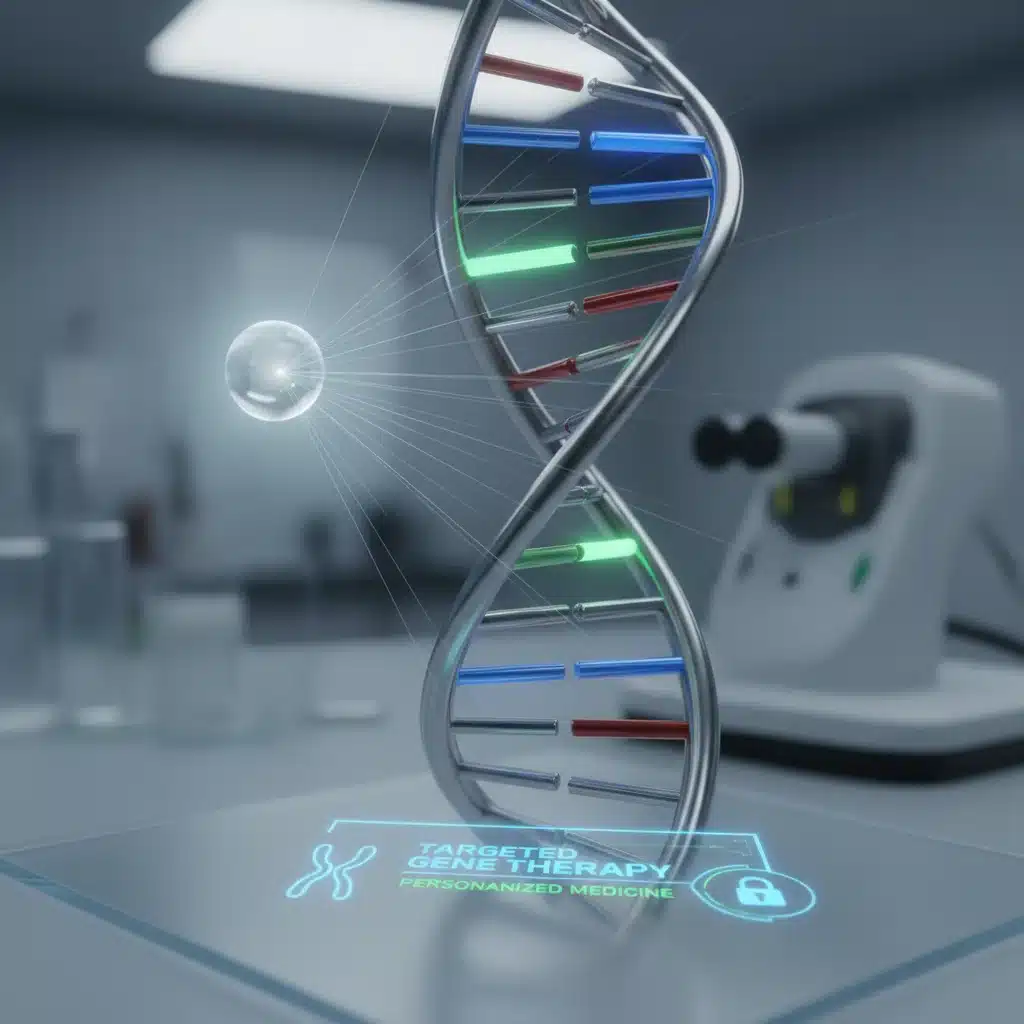
The integration of advanced imaging techniques with genetic data will also enhance diagnostic capabilities, providing a more complete picture of disease progression and response to treatment. This multi-modal approach will be crucial for monitoring the effectiveness of highly targeted therapies.
Personalized Prevention Strategies
Beyond treatment, Precision Medicine Genetic Conditions will increasingly focus on personalized prevention. For individuals with known genetic predispositions to certain conditions, tailored lifestyle recommendations, targeted screenings, and prophylactic interventions can be implemented. Genetic counseling will play an even more critical role in helping individuals understand their risks and make informed decisions about their health and family planning.
Challenges and Roadblocks to Widespread Adoption
Despite the immense promise, several significant challenges must be addressed for Precision Medicine Genetic Conditions to achieve its full potential by 2026 and beyond:
Cost and Accessibility
Precision therapies, especially gene therapies, often come with exorbitant price tags, making them inaccessible to many patients. The economic models for developing and reimbursing these treatments need to evolve to ensure equitable access. Healthcare systems must find sustainable ways to incorporate these high-cost therapies without bankrupting patients or the system itself. This includes discussions around value-based pricing and innovative payment models.
Data Management and Interoperability
The vast amounts of genomic and clinical data generated by precision medicine require robust infrastructure for storage, analysis, and secure sharing. Interoperability between different healthcare systems, electronic health records, and research databases remains a significant hurdle. Standardized data formats and privacy-preserving technologies are essential to harness the full power of this data for research and clinical care.
Regulatory Frameworks and Approval Processes
The rapid pace of innovation in Precision Medicine Genetic Conditions often outpaces existing regulatory frameworks. Regulatory bodies like the FDA must adapt to evaluate novel gene therapies and diagnostic tools efficiently while ensuring their safety and efficacy. Streamlined approval pathways that account for the unique characteristics of these therapies are crucial for bringing them to patients in a timely manner.
Ethical and Societal Implications
Precision medicine raises complex ethical questions, particularly concerning genetic privacy, discrimination, and the potential for exacerbating health disparities. Ensuring equitable access to these advanced therapies, protecting sensitive genetic information, and addressing societal concerns about genetic selection or enhancement will require careful consideration and public engagement. Clear ethical guidelines and robust legal frameworks are necessary to navigate these challenges.
Education and Workforce Development
The successful implementation of Precision Medicine Genetic Conditions requires a healthcare workforce equipped with the necessary knowledge and skills. Clinicians, genetic counselors, pathologists, and researchers need specialized training in genomics, bioinformatics, and the interpretation of complex genetic data. Integrating precision medicine into medical education curricula and providing ongoing professional development will be vital.
The Role of Collaboration and Policy
Achieving the ambitious goals for Precision Medicine Genetic Conditions by 2026 will necessitate unprecedented collaboration among various stakeholders. Academic institutions, pharmaceutical companies, biotechnology firms, government agencies, and patient advocacy groups must work together to accelerate research, develop new therapies, and ensure broad access.
Government policies play a critical role in fostering this environment. Funding for basic and translational research, incentives for drug development in rare diseases, and policies that promote data sharing while protecting patient privacy are essential. The regulatory landscape must be agile enough to accommodate rapid scientific advancements without compromising patient safety.
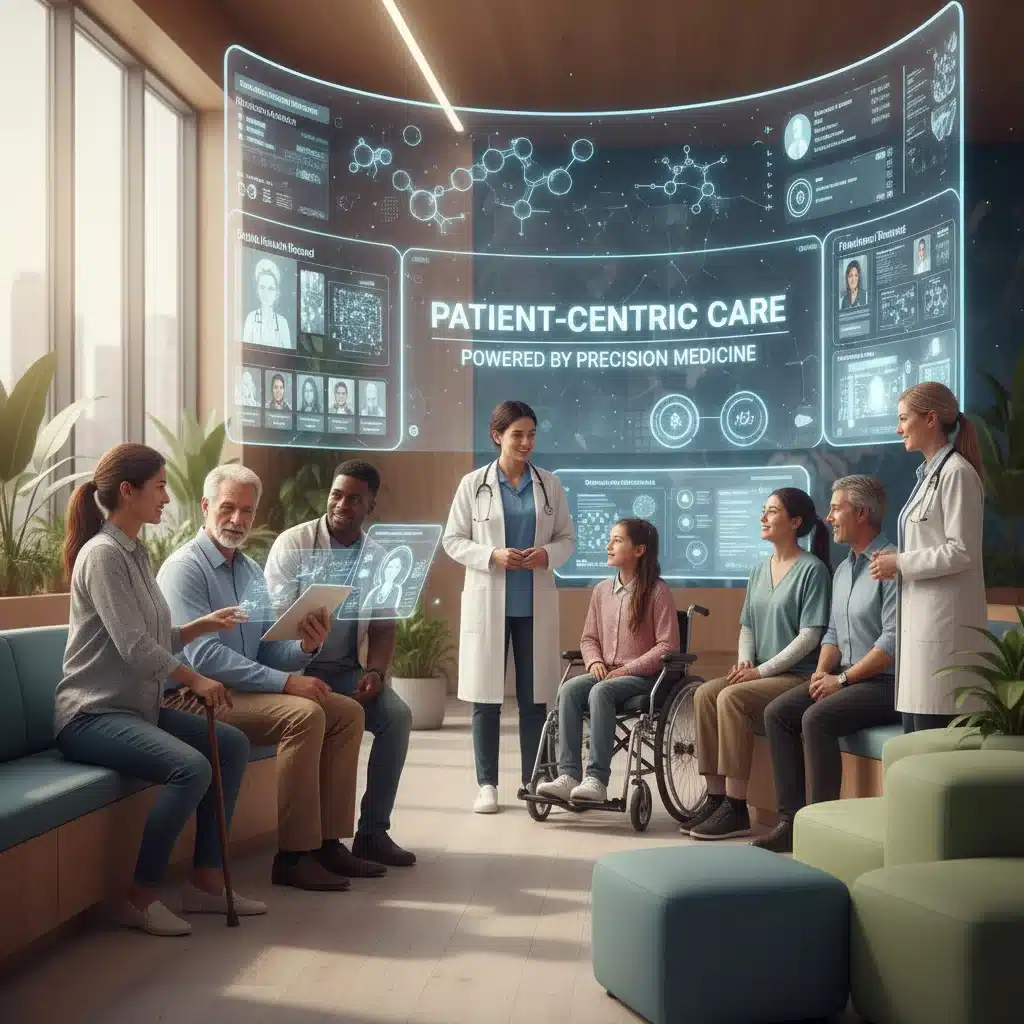
Furthermore, patient engagement is paramount. Empowering patients with information about their genetic conditions and treatment options, and involving them in research and policy discussions, will ensure that precision medicine solutions truly meet their needs and preferences. Advocacy groups will continue to play a vital role in raising awareness, funding research, and lobbying for policies that benefit patients with genetic conditions.
Conclusion: A Future of Tailored Hope
By 2026, Precision Medicine Genetic Conditions will have moved from a promising concept to a tangible reality for an increasing number of patients in the US. The ability to tailor treatments based on an individual’s unique genetic blueprint offers a profound shift in healthcare, moving us closer to a future where diseases are not just managed but truly understood and effectively treated at their source. While significant challenges remain in terms of cost, accessibility, data management, and ethical considerations, the relentless pace of scientific discovery and collaborative efforts across the healthcare ecosystem are paving the way for a new era of personalized hope.
The journey towards fully realizing the potential of precision medicine is ongoing, but the progress anticipated by 2026 will undoubtedly lay a stronger foundation for a healthcare system that is more predictive, preventive, personalized, and participatory. For individuals living with genetic conditions, this means not just better treatments, but a renewed sense of hope for a healthier, more fulfilling life.