Microbiome Revolution: 3 Latest Dietary Findings for Gut Health in 2025
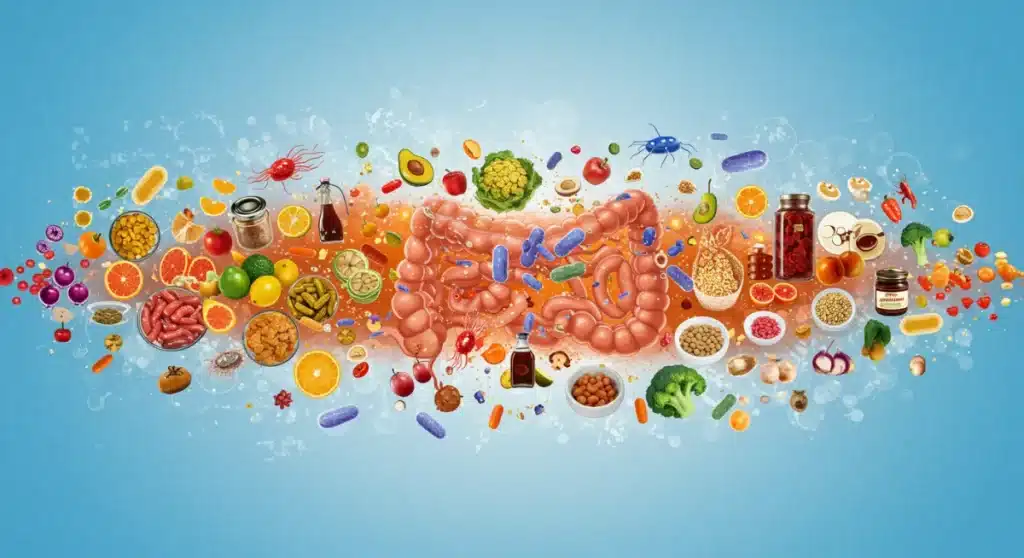
The microbiome revolution continues to redefine health, with 2025 unveiling three pivotal dietary science findings that offer practical solutions for optimizing gut health and overall well-being.
The intricate world within our gut, often referred to as the microbiome, is continuously revealing its profound impact on our overall health. In 2025, new research is shedding light on transformative dietary strategies. Understanding the gut health dietary findings emerging this year is crucial for anyone looking to optimize their well-being through practical, science-backed solutions.
The Dynamic Interplay of Fiber and Gut Diversity
For years, fiber has been lauded as a cornerstone of a healthy diet, primarily for its role in digestive regularity. However, recent findings in 2025 have significantly deepened our understanding of how various types of dietary fiber specifically interact with the gut microbiota, moving beyond mere bulk to intricate metabolic signaling. This advanced comprehension reveals that not all fibers are created equal in their ability to foster a diverse and resilient gut ecosystem.
Scientific studies now meticulously categorize fibers not just by solubility, but by their specific fermentation profiles and the unique short-chain fatty acids (SCFAs) they produce. These SCFAs, particularly butyrate, acetate, and propionate, are no longer just byproducts; they are recognized as critical signaling molecules that influence everything from immune function to brain health. The emphasis has shifted from simply consuming ‘more fiber’ to strategically incorporating a ‘diversity of fermentable fibers’ to support a wide array of beneficial microbes.
Targeting Prebiotics for Precision Microbiome Modulation
- Resistant Starch: Found in cool potatoes, green bananas, and legumes, this fiber type is a potent producer of butyrate, essential for gut barrier integrity.
- Inulin and FOS: Abundant in onions, garlic, and chicory root, these promote the growth of Bifidobacteria, crucial for immune modulation.
- Pectin: From apples and citrus fruits, pectin supports a balanced microbial community and aids in detoxification processes.
This nuanced approach to fiber intake means that personalized dietary recommendations are becoming more sophisticated. Rather than a blanket recommendation, individuals can now aim to consume a broader spectrum of plant-based foods, ensuring their gut microbes receive a varied diet themselves. This diversity in fiber intake directly correlates with increased microbial diversity, a key indicator of a healthy and robust gut.
The latest research underscores that a diet rich in diverse fibers acts as a foundational strategy for cultivating a resilient gut microbiome, capable of adapting to various stressors and producing a wider range of beneficial metabolites. This understanding empowers individuals to make more informed dietary choices, moving towards a truly personalized approach to gut health.
The Emerging Role of Postbiotics: Beyond Probiotics
While probiotics (live beneficial bacteria) and prebiotics (food for these bacteria) have dominated the gut health conversation for years, 2025 marks a pivotal shift with extensive research highlighting the critical importance of postbiotics. Postbiotics are essentially the beneficial compounds produced by probiotic bacteria during fermentation, or the inactive microbial cells and their components. They represent a new frontier in gut health interventions, offering a stable and often more targeted approach.
These bioactive compounds include SCFAs, enzymes, peptides, and bacterial cell wall components, all of which exert profound health benefits without requiring the introduction of live microorganisms. This makes postbiotics particularly appealing for individuals with compromised immune systems or those who might not tolerate live probiotics well. The stability of postbiotics also simplifies their incorporation into various food products and supplements, enhancing their accessibility.
Practical Applications of Postbiotics in Diet
- Fermented Foods: Many traditional fermented foods, like sauerkraut, kimchi, and sourdough bread, naturally contain a rich array of postbiotics alongside live cultures.
- Specialized Supplements: The market is seeing an increase in postbiotic-specific supplements, often containing purified bacterial metabolites.
- Functional Ingredients: Food manufacturers are beginning to fortify products with postbiotic compounds, enhancing their health benefits.
The scientific community is increasingly recognizing that many of the health benefits attributed to probiotics might, in fact, be mediated by the postbiotics they produce. Studies in 2025 are demonstrating their direct impact on anti-inflammatory responses, immune modulation, and even metabolic health. This paradigm shift suggests that future gut health strategies will likely involve a combination of prebiotics, probiotics, and increasingly, targeted postbiotic interventions.
Embracing postbiotics means understanding that the ‘waste products’ of beneficial bacteria are far from waste; they are powerful biological messengers that can directly influence our health for the better. This development opens up new avenues for dietary strategies, allowing for more precise and effective ways to support gut health without solely relying on live bacterial consumption.

The Gut-Brain Axis and Dietary Mood Regulation
One of the most exciting and rapidly evolving areas of microbiome research in 2025 is the profound and intricate connection between the gut and the brain, commonly known as the gut-brain axis. New dietary science findings are unequivocally demonstrating how specific foods and microbial metabolites can directly influence mood, cognitive function, and even mental health conditions. This research moves beyond correlation, identifying causal pathways through which dietary interventions can modulate neurological outcomes.
We now understand that the gut microbiome produces a vast array of neuroactive compounds, including neurotransmitters like serotonin and dopamine, and short-chain fatty acids that can cross the blood-brain barrier. Inflammation in the gut, often triggered by an imbalanced diet, can lead to systemic inflammation and neuroinflammation, contributing to conditions such as anxiety, depression, and even neurodegenerative diseases. Conversely, a diet that fosters a healthy gut can promote emotional resilience and cognitive clarity.
Dietary Strategies for a Healthier Gut-Brain Connection
- Omega-3 Fatty Acids: Found in fatty fish, flaxseeds, and walnuts, these are vital for brain health and reducing gut inflammation.
- Polyphenol-Rich Foods: Berries, dark chocolate, and green tea contain compounds that feed beneficial gut bacteria and have neuroprotective effects.
- Fermented Foods: Regular consumption of fermented foods like yogurt, kefir, and kimchi can introduce beneficial microbes and their mood-enhancing metabolites.
The implications of these findings are transformative for personalized nutrition and mental health care. Dietary interventions are no longer just about physical health but are being recognized as powerful tools for psychological well-being. This involves not only consuming beneficial foods but also avoiding those that disrupt the gut barrier and promote inflammation, such as highly processed foods, excessive sugars, and unhealthy fats.
Understanding the gut-brain axis empowers individuals to take a proactive role in managing their mental health through diet. By nourishing a diverse and balanced gut microbiome, we are essentially nurturing our brain, leading to improved mood, reduced stress, and enhanced cognitive performance. This holistic view of health integrates nutrition and psychology in a powerful new way.
Personalized Nutrition: Tailoring Diets to Your Unique Microbiome
As our understanding of the gut microbiome deepens, the concept of a one-size-fits-all diet is becoming increasingly obsolete. In 2025, personalized nutrition, guided by individual microbiome profiles, is emerging as a cornerstone of optimal health. Advanced sequencing technologies and AI-driven analysis are allowing scientists and clinicians to understand the unique composition and functional potential of each person’s gut ecosystem, leading to highly customized dietary recommendations.
This tailored approach recognizes that genetic predispositions, lifestyle factors, and existing microbial communities all influence how an individual responds to different foods. For instance, some individuals may thrive on a high-fiber diet, while others might experience discomfort due to specific microbial imbalances. Personalized nutrition aims to identify these nuances, recommending foods that specifically promote the growth of beneficial bacteria and suppress pathogenic ones for that particular individual.
Leveraging Technology for Personalized Gut Health
- Microbiome Testing Kits: Home-based kits provide insights into microbial diversity and specific bacterial abundances, informing dietary choices.
- AI-Driven Dietary Apps: These platforms analyze microbiome data and dietary intake to suggest personalized meal plans and food recommendations.
- Nutrigenomics: Understanding how an individual’s genes interact with nutrients can further refine personalized dietary advice for gut health.
The promise of personalized nutrition extends beyond general well-being to targeted interventions for chronic diseases. By understanding which microbial pathways are dysregulated in conditions like inflammatory bowel disease or metabolic syndrome, diets can be designed to restore balance and mitigate symptoms. This precision approach minimizes trial-and-error, leading to more effective and sustainable health outcomes.
The future of dietary science is undoubtedly personalized. By harnessing the power of advanced diagnostics and data analysis, we can move towards a paradigm where diet is a truly bespoke prescription, designed to optimize each individual’s unique gut microbiome for peak health and resilience. This represents a significant leap forward in preventative and therapeutic nutrition.
The Importance of Probiotic Strain Specificity
While the general benefits of probiotics for gut health are widely accepted, 2025 research is emphasizing the crucial importance of probiotic strain specificity. It’s no longer sufficient to simply consume ‘probiotics’; the focus has shifted to understanding which specific strains, or combinations of strains, are most effective for particular health outcomes. Different bacterial strains possess unique metabolic capabilities and interact with the host in distinct ways, leading to varied physiological effects.
For example, a strain effective for alleviating symptoms of irritable bowel syndrome (IBS) might be entirely different from one that boosts immune function or aids in weight management. This specificity is driven by the genetic makeup of each strain, which dictates the enzymes it produces, the metabolites it secretes, and its ability to colonize and interact with the gut environment. Understanding these differences allows for much more targeted and effective probiotic interventions.
Key Considerations for Probiotic Selection
- Targeted Conditions: Research specific strains proven effective for your particular health concern (e.g., Lactobacillus rhamnosus GG for diarrhea, Bifidobacterium longum 1714 for stress).
- Dosage and Viability: Ensure the product provides a sufficient number of live colony-forming units (CFUs) at the time of consumption and has good shelf stability.
- Clinical Evidence: Prioritize strains that have been studied in well-designed human clinical trials, not just anecdotal evidence.
The market is responding to this scientific evolution with an increasing array of single-strain or targeted multi-strain probiotic supplements. Consumers are becoming more educated about reading labels and seeking out products that cite specific strains and their proven benefits, rather than generic ‘probiotic blends.’ This shift towards specificity empowers individuals to make more informed choices, moving away from broad-spectrum approaches to highly tailored microbial support.
The takeaway is clear: when considering probiotic supplementation, quality and specificity matter immensely. Consulting with healthcare professionals who are knowledgeable about the latest research on specific probiotic strains can help guide individuals toward the most effective choices for their unique health needs, maximizing the potential benefits for gut health.
Environmental Factors: Beyond Diet for Gut Health
While diet remains a primary driver of gut health, 2025 research is further illuminating the significant impact of various environmental factors that extend beyond our plate. These external influences, often overlooked, play a crucial role in shaping the diversity and function of our microbiome. Understanding this broader ecosystem of influence is vital for a truly holistic approach to gut health and overall well-being.
Factors such as exposure to environmental toxins, antibiotic use, stress levels, sleep patterns, and even physical activity are now recognized as powerful modulators of the gut microbiome. For instance, chronic stress can alter gut motility and permeability, while certain chemicals in our environment can disrupt microbial balance. Conversely, regular exercise and adequate sleep have been shown to positively influence microbial diversity and function.
Non-Dietary Influences on the Microbiome
- Stress Management: Techniques like mindfulness, meditation, and yoga can mitigate the negative impact of stress on gut microbiota.
- Quality Sleep: Consistent and sufficient sleep cycles are linked to a healthier, more diverse gut microbiome.
- Reduced Toxin Exposure: Minimizing exposure to pesticides, plastics, and other environmental pollutants can protect microbial balance.
- Physical Activity: Regular exercise promotes microbial diversity and the production of beneficial SCFAs.
The implications of these findings are profound, suggesting that optimizing gut health requires a multi-faceted approach that integrates dietary strategies with lifestyle modifications. It’s not just about what we eat, but also how we live, how we manage stress, and how we interact with our environment. This holistic perspective offers a more comprehensive framework for cultivating a resilient and thriving gut ecosystem.
By acknowledging and addressing these non-dietary factors, individuals can create a more supportive environment for their gut microbes, fostering not just digestive health but also broader systemic benefits. This integrated approach to well-being is a hallmark of the evolving understanding of the microbiome’s central role in our health.
| Key Finding | Brief Description |
|---|---|
| Fiber Diversity & SCFAs | Beyond just ‘more fiber,’ 2025 emphasizes diverse fermentable fibers to produce specific short-chain fatty acids vital for gut health. |
| Rise of Postbiotics | Beneficial compounds produced by bacteria are now recognized as stable, targeted interventions for immune and metabolic health, expanding beyond live probiotics. |
| Gut-Brain Axis & Mood | Direct links between specific dietary components, microbial metabolites, and their profound impact on mood, cognition, and mental well-being are being elucidated. |
| Personalized Microbiome Diets | Tailoring dietary advice based on individual microbiome profiles and genetic data for optimized and targeted health outcomes. |
Frequently Asked Questions About Gut Health in 2025
Diverse fiber intake feeds a wider range of beneficial gut bacteria, leading to increased microbial diversity. This promotes the production of various short-chain fatty acids (SCFAs), crucial for gut barrier integrity, immune function, and overall metabolic health, as highlighted by 2025 research.
Probiotics are live beneficial bacteria, while postbiotics are the beneficial compounds produced by these bacteria. Postbiotics are often more stable and can directly exert health benefits like anti-inflammatory effects and immune modulation, offering an alternative for those who may not tolerate live cultures.
Absolutely. 2025 findings show specific dietary components and microbial metabolites directly influence brain function and mood. A gut-healthy diet can reduce neuroinflammation, promote neurotransmitter production, and enhance emotional resilience, demonstrating a direct link between gut health and mental well-being.
Personalized nutrition involves tailoring dietary recommendations based on an individual’s unique microbiome profile, genetics, and lifestyle. This approach uses advanced testing and AI to suggest foods that specifically foster beneficial microbes and address imbalances, leading to more effective and customized health outcomes.
Beyond diet, environmental factors like stress, sleep quality, physical activity, and exposure to toxins profoundly impact the microbiome. Managing stress, ensuring adequate sleep, regular exercise, and minimizing environmental pollutants are crucial for maintaining a diverse and healthy gut ecosystem.
Conclusion
The year 2025 stands as a landmark in our understanding of the human microbiome, revealing profound connections between diet, gut health, and overall well-being. The latest dietary science findings emphasize a shift towards more nuanced and personalized approaches, from the strategic consumption of diverse fibers and the recognition of postbiotics to the undeniable link between gut and brain health. These insights offer practical, actionable solutions, empowering individuals to cultivate a thriving microbiome not just through what they eat, but also through a holistic integration of lifestyle factors. As research continues to evolve, the future of health is increasingly rooted in the intricate world within us.