The Future of Organ Transplants: How 3D Bioprinting is Evolving by Mid-2026 for US Patients
The landscape of modern medicine is continuously reshaped by groundbreaking innovations, and few areas hold as much promise and transformative potential as the field of organ transplantation. For decades, the primary challenge in organ transplantation has been the severe scarcity of donor organs, leading to agonizingly long waiting lists and countless lives lost. However, a revolutionary technology, 3D Bioprinting Organs, is rapidly emerging as a beacon of hope, promising to fundamentally alter this paradigm. By mid-2026, the United States is poised to witness significant advancements in how 3D bioprinting impacts organ availability and patient outcomes.
Imagine a future where a failing organ can be replaced not by a scarce donor organ, but by a custom-made, biologically compatible organ printed layer by layer using a patient’s own cells. This is the audacious vision that 3D bioprinting aims to achieve. This article will delve deep into the mechanics, current status, challenges, and the exciting future of 3D Bioprinting Organs, specifically focusing on its projected evolution and impact on US patients by the middle of the next decade. We will explore how this cutting-edge technology is moving from the realm of science fiction to a tangible reality, offering a lifeline to millions.
Understanding 3D Bioprinting Organs: The Core Technology
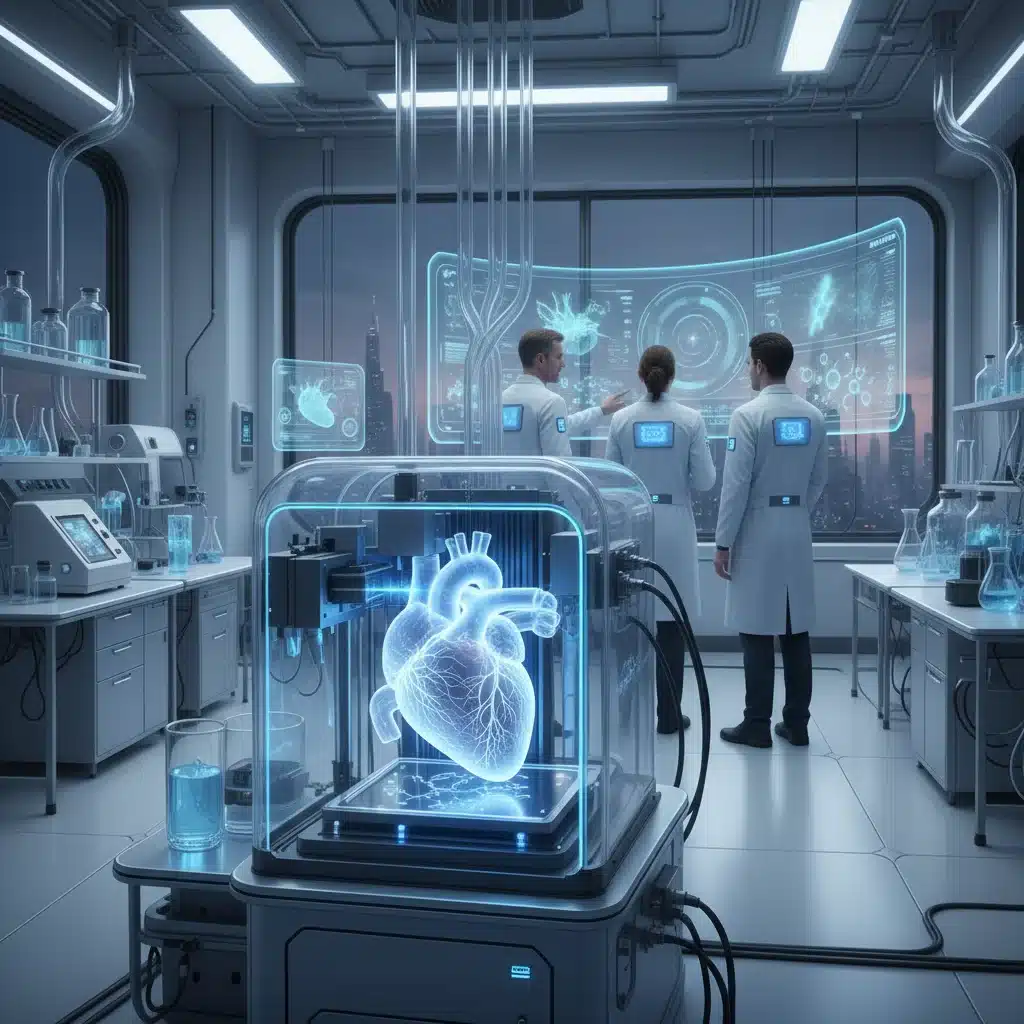
At its heart, 3D Bioprinting Organs is an additive manufacturing process that uses ‘bio-inks’ – biocompatible materials combined with living cells – to create three-dimensional functional tissues and organs. Unlike traditional 3D printing, which uses plastics or metals, bioprinting works with biological materials, necessitating extreme precision and sterile environments. The process typically involves several key steps:
- Cell Sourcing: Cells are typically harvested from the patient themselves (autologous cells) to minimize immune rejection. These could be stem cells or differentiated cells relevant to the organ being printed.
- Bio-ink Preparation: The harvested cells are then mixed with a hydrogel or other biocompatible scaffold material to create the ‘bio-ink’. This bio-ink provides structural support and a nurturing environment for the cells to grow and differentiate.
- Design and Modeling: High-resolution imaging techniques, such as MRI or CT scans, are used to create a precise digital blueprint of the organ to be printed. This ensures the printed organ matches the patient’s specific anatomy.
- Printing Process: Specialized bioprinters deposit the bio-ink layer by layer, following the digital model. Different printing techniques exist, including extrusion-based, inkjet-based, and laser-assisted bioprinting, each suited for different cell types and tissue complexities.
- Maturation and Vascularization: After printing, the nascent organ construct is placed in a bioreactor, a device that mimics the body’s physiological conditions, allowing the cells to mature, organize, and develop into functional tissue. A critical challenge here is vascularization – creating a network of blood vessels to supply nutrients and oxygen to the entire organ, which is essential for larger, more complex structures.
The ability to create intricate structures with precise cellular arrangements is what sets 3D Bioprinting Organs apart. Researchers are constantly refining these techniques, pushing the boundaries of what can be printed, from simple tissues like skin and cartilage to more complex organs like kidneys, livers, and even hearts.
The Pressing Need for Organ Alternatives in the US
The statistics surrounding organ transplantation in the United States underscore the urgent need for innovative solutions like 3D Bioprinting Organs. According to the Organ Procurement and Transplantation Network (OPTN), over 100,000 individuals are currently on the national transplant waiting list. Every 9 minutes, another person is added to this list, and tragically, an average of 17 people die each day waiting for an organ. This severe disparity between the demand for organs and the available supply creates a profound public health crisis.
Traditional organ donation, while life-saving, is inherently limited by several factors: the availability of suitable donors, the logistical challenges of organ transport, and the risk of immune rejection, which necessitates lifelong immunosuppressive therapy for recipients. Immunosuppression carries its own set of risks, including increased susceptibility to infections and certain cancers, significantly impacting a patient’s quality of life. 3D Bioprinting Organs offers a potential solution to these critical issues by:
- Alleviating Organ Shortage: Theoretically, bioprinted organs could be produced on demand, eliminating waiting lists.
- Reducing Immune Rejection: By using a patient’s own cells, the risk of immune rejection is drastically reduced or even eliminated, potentially removing the need for harsh immunosuppressants.
- Customization: Organs can be custom-designed to perfectly fit the recipient’s anatomy, improving surgical outcomes and long-term function.
The promise of these benefits drives the intense research and development in this field, making it one of the most exciting frontiers in medical science.
Current State and Milestones in 3D Bioprinting by Mid-2026
While fully functional, transplantable human organs are still some years away, the progress in 3D Bioprinting Organs has been astounding. By mid-2026, several significant milestones are anticipated or will have already been achieved in the US and globally:
Tissue and Simple Organ Constructs
Researchers have already successfully bioprinted simpler tissues like skin, cartilage, and bone, with some of these constructs moving into early-stage clinical trials for therapeutic applications. For example, bioprinted skin grafts are being tested for severe burn victims, offering improved healing and reduced scarring. By mid-2026, we can expect to see more widespread use of bioprinted tissues for non-life-threatening applications, such as reconstructive surgery, drug testing platforms, and disease modeling. These advancements are crucial stepping stones for more complex organs.
Vascularization Breakthroughs
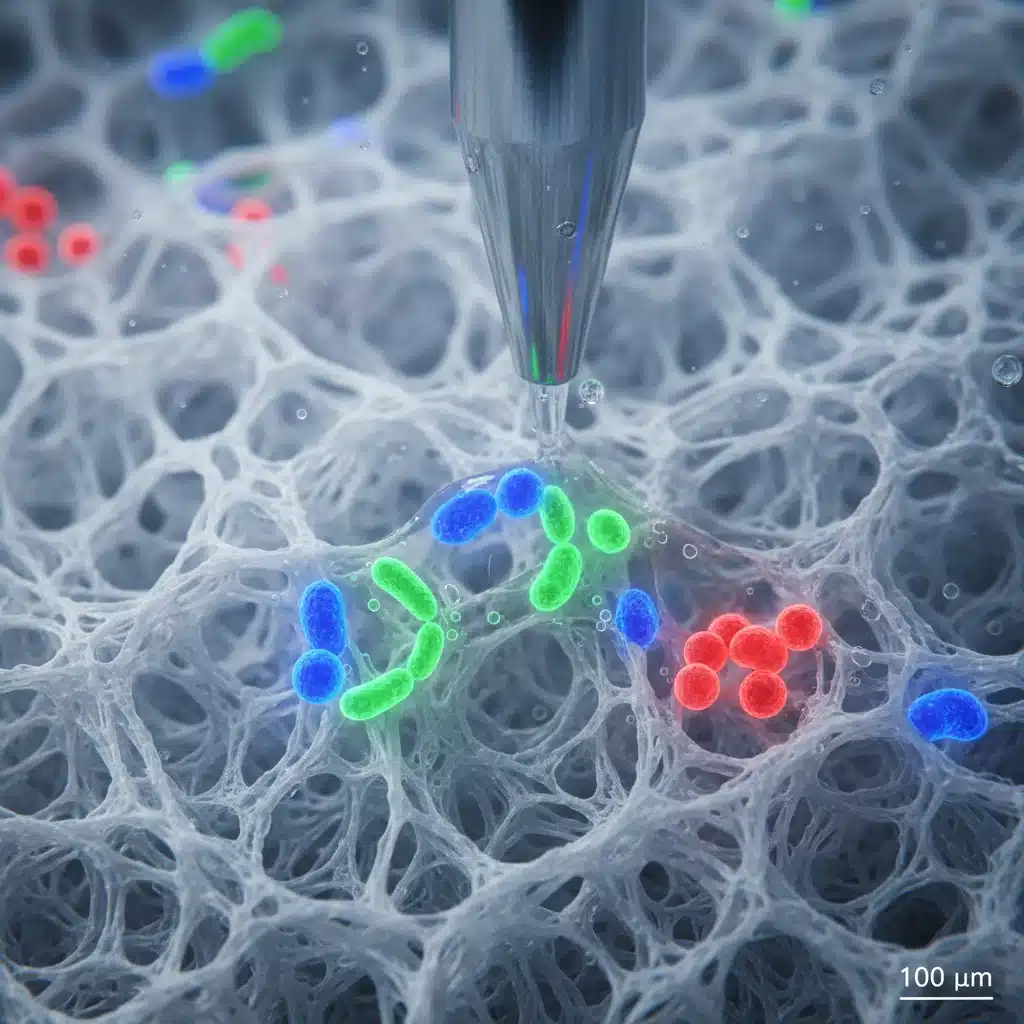
One of the most formidable challenges in 3D Bioprinting Organs is creating a functional vascular network within larger tissue constructs. Without a robust blood supply, cells in the interior of a bioprinted organ will quickly die from lack of oxygen and nutrients. Significant research is focused on this area, with advancements in sacrificial printing techniques (where temporary structures are printed and then dissolved to create channels), biomaterial development, and growth factor delivery. By mid-2026, we anticipate seeing more robust and complex vascular networks successfully integrated into larger, pre-clinical organ models, bringing us closer to viable human organs.
Emergence of Organoids and Organ-on-a-Chip Technologies
While not full organs, bioprinted organoids (miniature, simplified versions of organs grown in vitro) and organ-on-a-chip devices are already transforming drug discovery and toxicology testing. These models offer a more accurate representation of human physiology than traditional cell cultures or animal models. By mid-2026, these technologies will be even more sophisticated and widely adopted in pharmaceutical research, accelerating the development of new treatments and reducing the need for animal testing. This also provides invaluable data and insights that can be translated to full organ bioprinting.
Early-Stage Clinical Trials for Partial Organ Function
For more complex organs, the focus by mid-2026 will likely be on bioprinting partial or assistive organ structures rather than full, standalone replacements. For instance, bioprinted liver patches to assist failing livers, or pancreatic islet cells encapsulated within bioprinted scaffolds for diabetes treatment. These ‘bio-assistive’ devices could significantly improve patient quality of life and potentially bridge the gap until full organ transplantation is feasible. The first human trials for such partial organ functions are expected to be underway or nearing commencement in the US.
Challenges and Hurdles on the Path to Widespread Adoption
Despite the exhilarating progress, the journey of 3D Bioprinting Organs from lab to clinic is fraught with significant challenges:
Technological Complexity
The sheer complexity of replicating the intricate architecture and diverse cellular functions of human organs is immense. Each organ has a unique cellular composition, extracellular matrix, and vascular network that must be precisely recreated. Scaling up production from small tissue samples to full-sized human organs, especially those with multiple cell types and complex vascularization like kidneys or hearts, remains a monumental task.
Biomaterial Development
Developing bio-inks that are both biocompatible, mechanically stable, and capable of supporting cell growth and differentiation is critical. These materials must mimic the natural extracellular matrix, providing the right signals for cells to organize and function correctly. Ongoing research is exploring novel hydrogels, synthetic polymers, and decellularized matrices to overcome these limitations.
Regulatory and Ethical Considerations
The regulatory pathway for approving bioprinted organs for human transplantation is still largely undefined. Agencies like the FDA in the US will need to establish rigorous testing protocols to ensure the safety, efficacy, and long-term viability of these novel treatments. Ethical concerns surrounding the creation of life-like organs, equitable access, and potential misuse also need careful consideration and public discourse. These discussions are already underway and will intensify by mid-2026 as the technology matures.
Cost and Accessibility
Initially, the cost of developing and producing 3D Bioprinting Organs will likely be extremely high, raising questions about accessibility and equitable distribution. Ensuring that this life-saving technology doesn’t exacerbate existing healthcare disparities will be a critical challenge for policymakers and healthcare providers in the US. As with many new technologies, economies of scale and further research may drive down costs over time.
Immunogenicity and Long-Term Viability
While using autologous cells significantly reduces the risk of immune rejection, complete elimination is not guaranteed, especially if scaffold materials or other components elicit an immune response. Furthermore, ensuring the long-term viability and functionality of bioprinted organs within the human body requires extensive pre-clinical and clinical testing.
The Transformative Impact on US Healthcare by Mid-2026 and Beyond
The successful development and integration of 3D Bioprinting Organs into clinical practice will have a profound and multifaceted impact on US healthcare:
Elimination of Organ Waiting Lists
This is arguably the most significant potential impact. By providing an ‘on-demand’ source of compatible organs, 3D bioprinting could virtually eliminate the tragic organ waiting lists, saving countless lives and reducing the immense emotional and financial burden on patients and their families. This would revolutionize the treatment of end-stage organ failure.
Personalized Medicine and Reduced Complications
Bioprinted organs, tailored to individual patient anatomy and derived from their own cells, represent the ultimate in personalized medicine. This approach promises to significantly reduce post-transplant complications, including immune rejection and the side effects associated with immunosuppressive drugs, leading to better long-term outcomes and an improved quality of life for recipients.
Advancements in Drug Discovery and Disease Modeling
Even before full organ transplantation becomes routine, the use of bioprinted tissues and organoids will accelerate pharmaceutical research. Companies can test new drugs on human-specific tissues, leading to more effective and safer medications, and reducing the time and cost associated with drug development. This also opens new avenues for understanding complex diseases in a patient-specific context.
Economic and Societal Benefits
The economic benefits could be substantial, reducing the long-term costs associated with chronic organ failure management, dialysis, and repeated hospitalizations. Furthermore, a healthier population means increased productivity and a reduction in the societal burden of chronic disease. The US healthcare system, currently strained by these issues, stands to gain immensely.
New Medical Specializations and Job Creation
The rise of 3D Bioprinting Organs will undoubtedly create new specializations within medicine, engineering, and biotechnology. We will see the emergence of ‘biofabrication engineers,’ ‘transplant bioprinters,’ and specialized clinical teams trained in the unique aspects of bioprinted organ implantation and post-operative care. This will lead to significant job creation and require a re-evaluation of medical training programs.
The Road Ahead: Collaboration and Investment
The journey to widespread clinical application of 3D Bioprinting Organs is a collaborative effort involving scientists, engineers, clinicians, ethicists, policymakers, and industry leaders. Significant public and private investment will be crucial to fund continued research, develop scalable manufacturing processes, and navigate the complex regulatory landscape. Universities, national research institutes like the NIH, and private biotech companies in the US are all playing vital roles in pushing this technology forward.
International collaboration is also key, as researchers worldwide share findings and work towards common goals. The rapid pace of innovation suggests that by mid-2026, while full organ transplants might still be in early clinical trials, the foundational technologies and partial organ applications will be making a tangible difference in patient lives.
Conclusion
The vision of manufacturing human organs on demand, once a distant dream, is steadily becoming a scientific reality thanks to the incredible advancements in 3D Bioprinting Organs. For US patients grappling with end-stage organ failure, this technology represents a profound shift from a future defined by scarcity and waiting to one filled with hope and personalized therapeutic solutions. By mid-2026, we anticipate not only significant breakthroughs in research and development, particularly in vascularization and complex tissue engineering, but also the initial clinical applications of bioprinted tissues and partial organ constructs. While challenges remain in technology, regulation, and ethics, the relentless pursuit of this innovation promises to redefine organ transplantation, making it more accessible, effective, and ultimately, life-saving for millions. The future of medicine is being printed, one layer at a time.