
The Power of Purpose: 20% of American Businesses Aligning Values with Social Impact in 2026
In an increasingly conscious world, the paradigm of business success is undergoing a profound transformation. No longer is profit the sole metric of achievement; an undeniable shift towards purpose-driven business models is reshaping the corporate landscape. By 2026, a significant milestone is anticipated: a projected 20% of American businesses will actively align their core values with measurable social impact. This isn’t just a trend; it’s a fundamental redefinition of corporate responsibility and a strategic imperative for sustainable business growth. This comprehensive article delves into the burgeoning world of purpose-driven business, exploring its definition, benefits, challenges, and the actionable strategies companies can adopt to thrive in this evolving environment.
What Exactly is a Purpose-Driven Business?
At its heart, a purpose-driven business is an organization that prioritizes a mission beyond profit, integrating social and environmental considerations into its core strategy and operations. It’s about understanding why the business exists, beyond simply what it sells or produces. This ‘why’ becomes the guiding principle, influencing everything from product development and supply chain management to employee engagement and customer communication. It’s a commitment to making a positive difference in the world, not as an afterthought or a separate philanthropic endeavor, but as an intrinsic part of its identity and business model.
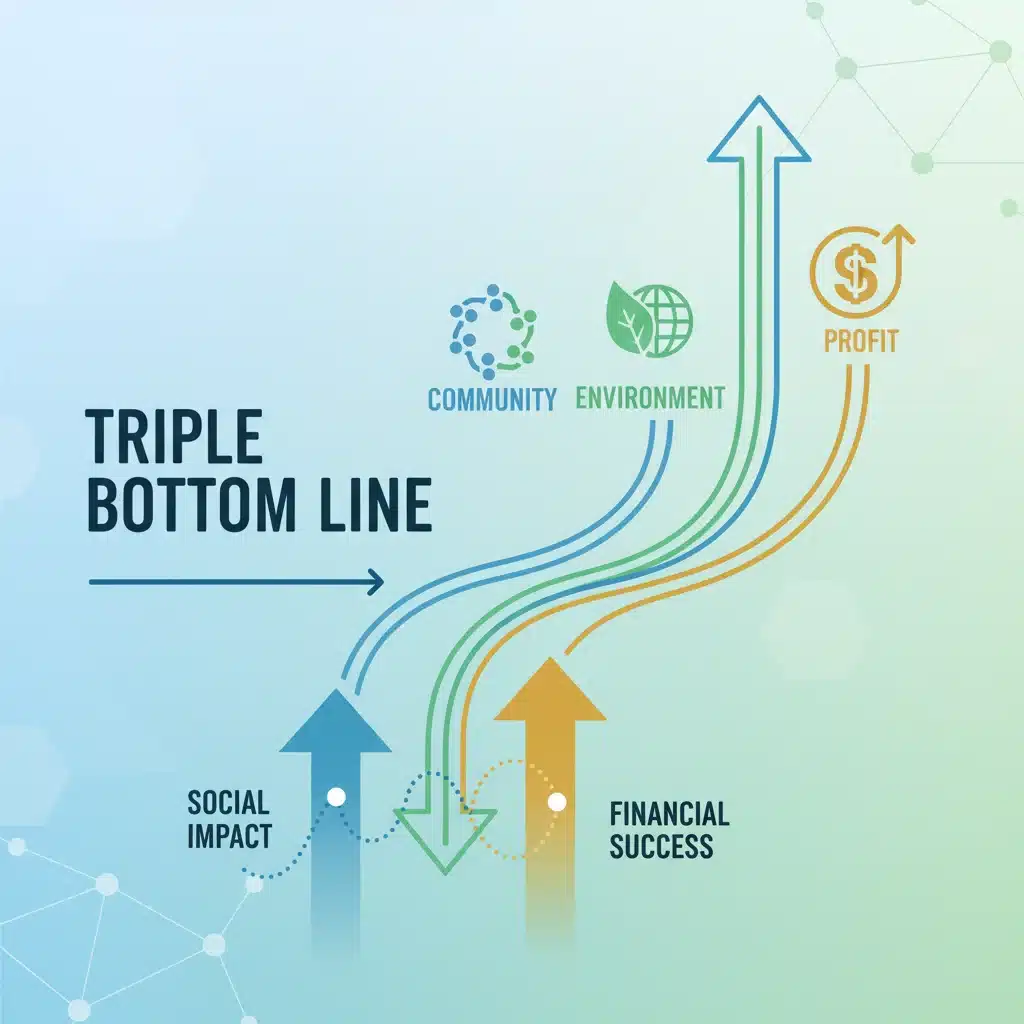
Unlike traditional Corporate Social Responsibility (CSR) initiatives, which often operate as separate departments or programs, the purpose-driven approach embeds social impact into the very DNA of the company. It’s a holistic philosophy that sees societal benefit and financial success not as mutually exclusive, but as interconnected and mutually reinforcing. For a business to be truly purpose-driven, its mission must be authentic, clearly articulated, and consistently demonstrated through its actions and decisions.
The Evolution from CSR to Purpose-Driven Business
The concept of businesses having a social conscience isn’t new. CSR practices have been around for decades, often involving charitable donations, volunteer programs, or efforts to reduce environmental footprints. While valuable, CSR was frequently viewed as an add-on, a way for companies to ‘give back’ after generating profits. The purpose-driven business model takes this a significant step further. It argues that businesses have a responsibility to contribute to societal well-being from the outset, integrating ethical considerations into every aspect of their operations.
This evolution is driven by several factors: increasing consumer demand for ethical products, a desire among employees for meaningful work, investor pressure for sustainable practices, and a growing recognition that businesses are powerful agents of change. The shift reflects a maturation in how society views the role of corporations – from entities solely focused on shareholder value to stakeholders in a broader ecosystem.
The Compelling Benefits of Being a Purpose-Driven Business
Embracing the purpose-driven business model offers a multitude of advantages, extending beyond mere altruism to deliver tangible business results. These benefits are precisely why we’re seeing a significant increase in the number of American businesses adopting this approach, with the 20% projection for 2026 underscoring its growing importance.
Enhanced Brand Reputation and Customer Loyalty
Consumers today are more discerning than ever. They want to buy from companies that share their values and are committed to making a positive impact. A strong sense of purpose resonates deeply with customers, fostering trust and loyalty. Studies consistently show that consumers are willing to pay more for products and services from socially responsible companies. When a business stands for something meaningful, it builds an emotional connection with its audience, transforming transactional relationships into enduring partnerships. This enhanced brand reputation not only attracts new customers but also retains existing ones, creating a powerful competitive advantage in crowded markets.
Attracting and Retaining Top Talent
The modern workforce, particularly millennials and Gen Z, seeks more than just a paycheck. They prioritize meaningful work and want to be part of organizations that contribute positively to society. Purpose-driven businesses are significantly more attractive to top talent, who are often willing to forgo higher salaries for roles that align with their personal values. This leads to higher employee engagement, lower turnover rates, and a more motivated and productive workforce. When employees believe in the company’s mission, they become its most passionate advocates, driving innovation and fostering a positive company culture.
Increased Innovation and Adaptability
A clear purpose acts as a compass, guiding strategic decisions and fostering a culture of innovation. When a business is focused on solving societal problems, it naturally encourages creative thinking and the development of innovative solutions. This forward-thinking mindset also makes purpose-driven organizations more adaptable to change. They are better equipped to anticipate future challenges, respond to evolving market demands, and navigate complex ethical dilemmas, ensuring long-term resilience and sustainability.
Improved Financial Performance and Long-Term Sustainability
While often seen as a moral imperative, purpose-driven strategies also lead to robust financial outcomes. Companies with a strong purpose tend to outperform their peers in terms of growth, profitability, and stock performance. This is due to a combination of factors: increased customer loyalty, higher employee productivity, reduced operational risks, and greater access to capital from socially responsible investors. Furthermore, by addressing environmental and social challenges, these businesses build a more sustainable future for themselves and the planet, mitigating risks and ensuring long-term viability.

Challenges and Considerations for Purpose-Driven Businesses
While the benefits are clear, transitioning to or operating as a purpose-driven business is not without its challenges. Authenticity, measurement, and integration are critical areas that require careful attention.
Avoiding ‘Purpose Washing’ and Ensuring Authenticity
One of the biggest pitfalls for purpose-driven businesses is the risk of ‘purpose washing’ – where companies claim to be purpose-driven without genuinely embedding social impact into their operations. Consumers and employees are savvy; they can quickly detect insincerity. To avoid this, purpose must be authentic, deeply rooted in the company’s values, and consistently demonstrated through actions, not just words. Transparency about efforts, successes, and even failures is crucial for building and maintaining trust.
Measuring and Communicating Impact
Defining and measuring social and environmental impact can be complex. Unlike financial metrics, which are clearly defined, quantifying social good requires careful thought and the adoption of appropriate frameworks. Businesses need to establish clear objectives, track relevant indicators, and communicate their impact effectively to stakeholders. This not only demonstrates accountability but also helps refine strategies and amplify positive change. Frameworks like the B Corp certification, the UN Sustainable Development Goals (SDGs), and various ESG (Environmental, Social, and Governance) reporting standards can provide valuable guidance.
Integrating Purpose Across the Organization
For purpose to be truly effective, it must be integrated across all levels and functions of the organization. This requires strong leadership commitment, clear communication, and employee buy-in. It means aligning HR policies with purpose, embedding ethical considerations into supply chain decisions, and ensuring that marketing messages accurately reflect the company’s impact. Resistance to change or a lack of understanding within the organization can hinder the successful implementation of a purpose-driven strategy.
Strategies for Becoming a Purpose-Driven Business by 2026
For American businesses aiming to join the 20% by 2026, a strategic and deliberate approach is essential. Here are key strategies to consider:
Define Your Authentic Purpose
The first step is to clearly articulate your company’s ‘why.’ This isn’t a marketing slogan; it’s a deeply held belief about the positive change your business wants to see in the world. Engage leadership, employees, and even external stakeholders in this process. Your purpose should be unique to your company, relevant to your industry, and inspiring to your audience. It should answer the question: ‘What enduring positive difference do we want to make?’
Embed Purpose into Your Business Model
Once defined, your purpose must be integrated into every aspect of your business model. This means reviewing your products and services, supply chain, operational processes, and internal culture to ensure they align with your stated purpose. For example, if your purpose is environmental sustainability, this might involve sourcing eco-friendly materials, reducing waste, or investing in renewable energy. It’s about making purposeful decisions at every juncture.
Foster a Culture of Purpose
A purpose-driven business thrives on a culture where every employee understands and believes in the company’s mission. Communicate your purpose clearly and consistently. Empower employees to contribute to social impact initiatives and recognize their efforts. Integrate purpose into hiring, onboarding, and performance management processes. When purpose is woven into the organizational fabric, it fosters a sense of shared meaning and collective responsibility.
Measure, Report, and Be Transparent
Establish clear metrics to track your social and environmental impact. Use established frameworks and tools to measure progress against your purpose-driven goals. Regularly report on your performance, both internally and externally. Transparency builds credibility and trust, allowing stakeholders to see your commitment in action. Be open about challenges and lessons learned, demonstrating a genuine commitment to continuous improvement.
Collaborate for Greater Impact
No single business can solve all societal problems. Collaborate with non-profits, government agencies, other businesses, and community organizations to amplify your impact. Partnerships can provide access to expertise, resources, and broader networks, enabling you to address complex challenges more effectively and achieve greater collective good. Collective action is often more powerful than individual efforts.
The Future of Business: Purpose as a Prerequisite
The projection that 20% of American businesses will be purpose-driven by 2026 is not merely a statistical forecast; it’s an indicator of a fundamental shift in the global economy. This shift suggests that purpose will increasingly become a prerequisite for success, not just a differentiator. Businesses that fail to adapt risk falling behind, losing out on talent, customers, and investment.
Beyond Compliance: Proactive Impact
The move towards purpose-driven business goes beyond simply complying with regulations or avoiding negative press. It’s about proactively seeking opportunities to create positive impact, recognizing that societal well-being and business prosperity are inextricably linked. This proactive stance positions companies as leaders and innovators, rather than followers or reactive entities.
The Role of Leadership
Transforming into a purpose-driven organization requires bold and visionary leadership. Leaders must champion the purpose, model the values, and inspire the entire organization to embrace the mission. Their commitment is crucial in overcoming resistance, allocating resources, and ensuring that purpose remains at the forefront of strategic decision-making. Effective leadership in a purpose-driven context involves not just managing profits, but also nurturing people and protecting the planet.
Investor Expectations and ESG
Investors are increasingly factoring Environmental, Social, and Governance (ESG) criteria into their decisions. They recognize that companies with strong ESG performance are often more resilient, better managed, and less exposed to risks. This growing investor demand for sustainable and responsible companies further propels the adoption of purpose-driven models. Access to capital is becoming increasingly tied to a business’s demonstrated commitment to social and environmental impact.
Case Studies: American Businesses Leading with Purpose
Numerous American businesses are already demonstrating the power of purpose. Companies like Patagonia, known for its unwavering commitment to environmental activism and sustainable practices, or TOMS, which pioneered the ‘one for one’ model, have built strong brands and loyal customer bases by integrating purpose into their core. Even larger corporations are embracing this shift, with many actively working to redefine their mission to include broader societal benefit. These examples serve as powerful inspiration and blueprints for others looking to embark on their purpose-driven journey.
Patagonia, for instance, not only produces high-quality outdoor gear but also champions environmental causes, donates a percentage of its sales to grassroots environmental organizations, and actively encourages customers to repair rather than replace their products. Their purpose is deeply embedded in their product design, marketing, and corporate advocacy. This commitment has not only earned them a dedicated following but also robust financial success.
Another compelling example is Interface, a global modular flooring company that set an audacious goal in the mid-1990s to eliminate any negative impact it had on the environment by 2020. This ‘Mission Zero’ transformed their entire business, leading to innovations in recycling, material science, and manufacturing processes. They proved that a strong environmental purpose could drive significant economic advantages, including cost savings and enhanced brand reputation.
Conclusion: Embracing Purpose for a Sustainable Future
The shift towards purpose-driven business is more than just a passing fad; it’s a fundamental reorientation of capitalism itself. As we approach 2026, the anticipated 20% of American businesses aligning values with social impact represents a significant stride towards a more equitable, sustainable, and prosperous future. For businesses, embracing purpose is no longer an optional add-on but a strategic imperative for long-term success, resilience, and relevance.
By defining an authentic purpose, embedding it throughout the organization, measuring impact, and fostering a culture of shared values, companies can unlock a powerful engine for growth, innovation, and positive change. The journey to becoming a purpose-driven business requires commitment, courage, and a willingness to rethink traditional models, but the rewards – in terms of brand loyalty, talent attraction, financial performance, and societal impact – are immeasurable. The future of business is purpose-driven, and those who lead the way will shape not only their own destinies but also the world around them.