The Shifting Landscape of U.S. Education: 5 Key Trends in Lifelong Learning for Adults in 2026

The Shifting Landscape of U.S. Education: 5 Key Trends in Lifelong Learning for Adults in 2026
The concept of education has undergone a profound transformation over the past few decades, evolving from a finite period of schooling into a continuous, lifelong journey. This evolution is particularly evident in the United States, where the demands of a rapidly changing global economy, technological advancements, and shifting societal norms have reshaped how adults approach learning. As we look towards 2026, several key trends are emerging that will define the landscape of adult lifelong learning, making it more dynamic, accessible, and personalized than ever before. Understanding these Adult Lifelong Learning Trends is crucial for individuals, educators, and policymakers alike to navigate the future successfully.
The traditional model, where a degree earned in early adulthood sufficed for an entire career, is largely obsolete. Today, professionals across all sectors recognize the imperative to continuously update their skills, acquire new knowledge, and adapt to emerging challenges. This isn’t just about career advancement; it’s about staying relevant, fostering personal growth, and contributing meaningfully to an increasingly complex world. From digital literacy to emotional intelligence, the scope of what constitutes essential learning for adults is broadening, pushing institutions and platforms to innovate at an unprecedented pace.
In this comprehensive article, we will delve into five pivotal Adult Lifelong Learning Trends that are poised to significantly impact the U.S. educational ecosystem by 2026. These trends reflect a blend of technological innovation, pedagogical shifts, and a growing recognition of the diverse needs of adult learners. By exploring these developments, we aim to provide a clear picture of what the future holds for adult education and how individuals can best prepare themselves for continuous learning and success.
Trend 1: The Ubiquitous Rise of Digital and Hybrid Learning Models
The COVID-19 pandemic accelerated a shift towards digital learning that was already underway, making online and hybrid models not just a necessity but a preferred mode of education for many adults. By 2026, this trend will have solidified, with digital platforms offering unparalleled flexibility and accessibility. The convenience of learning from anywhere, at any time, resonates deeply with adult learners who often juggle work, family, and other commitments. This doesn’t mean the end of traditional classrooms, but rather a sophisticated integration of online and in-person experiences.
Enhanced Online Course Design and Delivery
Future online courses will move beyond simple video lectures and readings. Expect highly interactive, engaging, and immersive digital environments. This includes the widespread adoption of virtual reality (VR) and augmented reality (AR) for experiential learning, simulating real-world scenarios for fields like healthcare, engineering, and skilled trades. AI-powered tutors and chatbots will provide instant feedback and support, making the learning process more dynamic and less isolating.
The Blended Learning Imperative
Hybrid models, which combine the best aspects of online and in-person instruction, will become standard. For adults, this might mean attending occasional in-person workshops for networking and hands-on practice, complemented by extensive online modules for theoretical knowledge and flexible scheduling. This approach caters to different learning styles and preferences, offering a more holistic educational experience. The focus will be on creating seamless transitions between digital and physical spaces, ensuring that the learning journey remains coherent and effective.
Accessibility and Inclusivity through Digital Means
Digital learning inherently breaks down geographical barriers, making education accessible to a broader demographic, including those in remote areas or with mobility challenges. Furthermore, advancements in accessibility features, such as improved captioning, transcription services, and adaptive technologies, will ensure that digital platforms cater to learners with diverse needs. This inclusivity is a cornerstone of the future of Adult Lifelong Learning Trends.
Trend 2: The Ascendancy of Micro-credentials and Skill-Based Education
In an economy driven by specific competencies, the demand for traditional, lengthy degree programs is being supplemented, and in some cases, challenged, by shorter, targeted educational offerings. Micro-credentials, badges, and certificates focused on specific skills are gaining immense traction. This trend reflects a pragmatic approach to learning, where adults seek to acquire precisely the skills needed for immediate application in their careers.
Addressing the Skills Gap
The rapid pace of technological change often creates a skills gap between what the workforce possesses and what industries require. Micro-credentials are an agile solution to this problem, allowing individuals to quickly upskill or reskill in areas like data analytics, cybersecurity, digital marketing, or artificial intelligence. These programs are typically shorter, more affordable, and directly aligned with industry needs, making them highly attractive to employers and employees alike. They represent a fundamental shift in how adults engage with education, prioritizing immediate utility and career relevance.
Stackable Credentials for Career Progression
The true power of micro-credentials lies in their stackability. Instead of pursuing a single, comprehensive degree, learners can accumulate a series of specialized credentials that, when combined, can lead to a larger qualification or demonstrate a broad range of expertise. This modular approach allows adults to build their educational portfolio incrementally, adapting to evolving career paths and personal interests. This flexibility is a key driver among the Adult Lifelong Learning Trends.
Employer-Led and Industry-Recognized Programs
A significant aspect of this trend is the increasing involvement of employers and industry bodies in developing and recognizing these credentials. This ensures that the skills taught are directly relevant to current market demands, enhancing the employability of those who earn them. Partnerships between educational institutions and corporations will become more common, leading to a more responsive and demand-driven educational ecosystem.
Trend 3: Personalized Learning Pathways and Adaptive Technologies
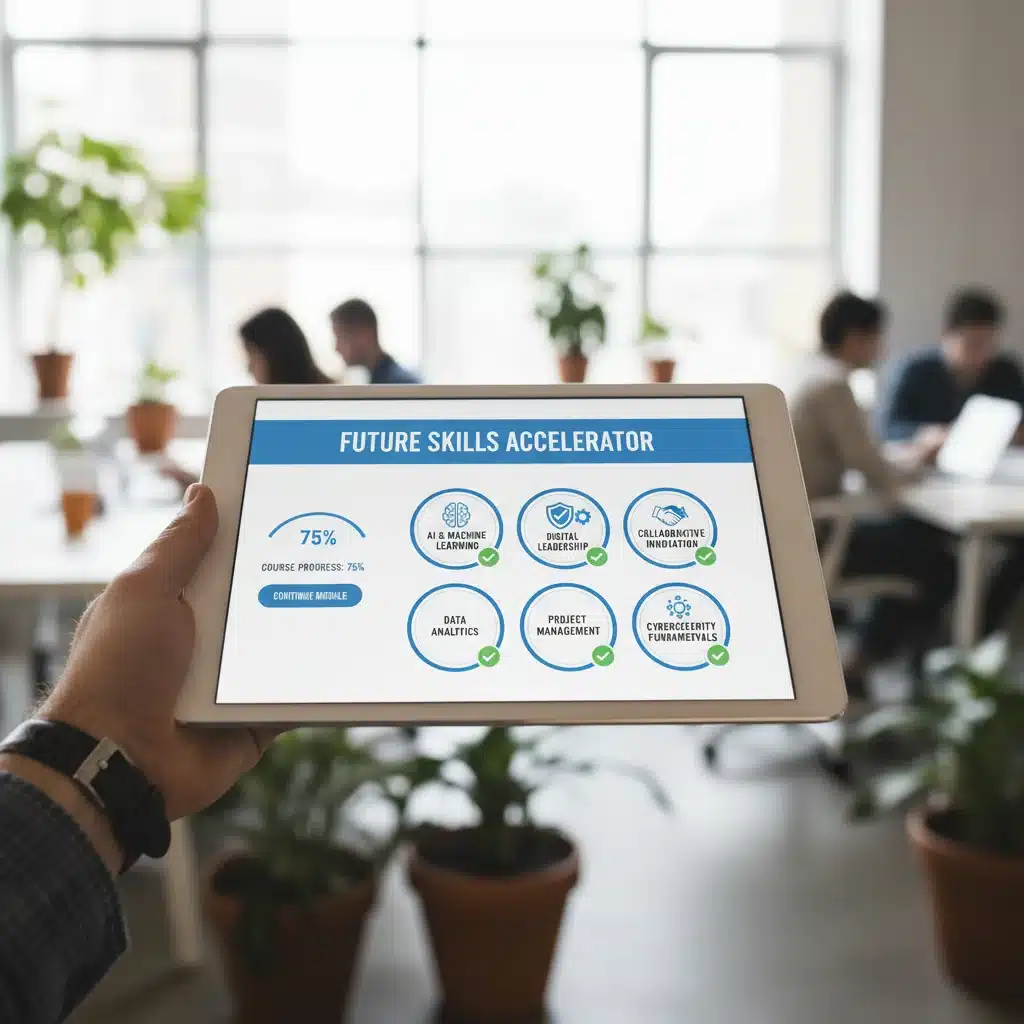
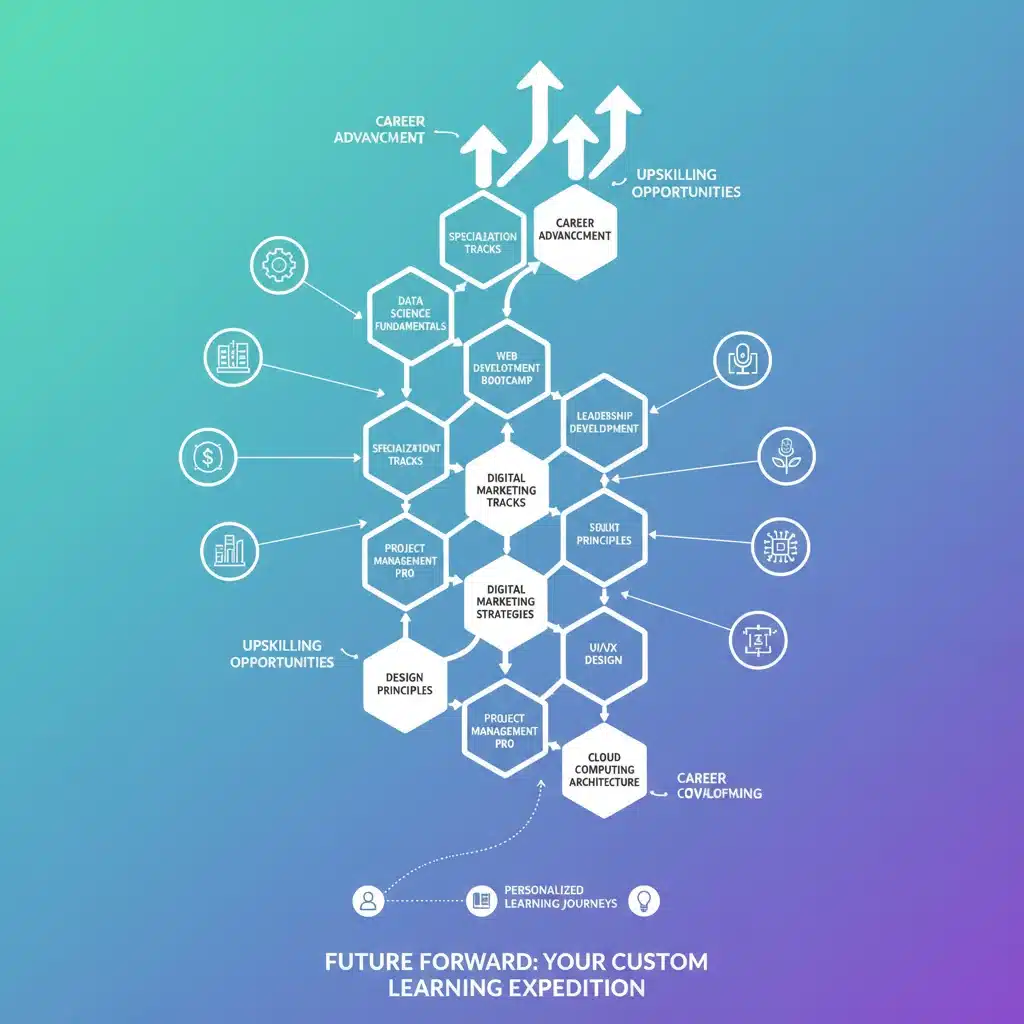
Recognizing that every adult learner comes with a unique background, set of experiences, and learning style, the future of adult education will heavily lean towards personalization. Generic, one-size-fits-all curricula are giving way to tailored learning experiences, largely powered by advanced adaptive technologies.
AI-Driven Learning Platforms
Artificial intelligence will play a crucial role in creating personalized learning pathways. AI algorithms can analyze a learner’s progress, identify areas of strength and weakness, and then recommend customized content, exercises, and resources. This ensures that learners are always challenged appropriately, neither bored by redundant material nor overwhelmed by overly complex concepts. The AI acts as an intelligent tutor, adapting to the individual’s pace and preferences.
Competency-Based Education (CBE)
CBE models, where learners advance based on demonstrated mastery of skills rather than time spent in a classroom, will become more prevalent. This approach is inherently personalized, allowing adults to leverage their prior knowledge and experience to accelerate through material they already understand, focusing instead on new competencies. It respects the diverse entry points and learning speeds of adult students, making education more efficient and effective. This emphasis on individual mastery is a defining characteristic of future Adult Lifelong Learning Trends.
Mentorship and Coaching Integration
While technology provides the infrastructure for personalization, human connection remains vital. Personalized learning pathways will often include access to human mentors, coaches, or subject matter experts who can provide guidance, feedback, and support tailored to the individual’s goals. This blended approach of technology and human interaction offers a richer, more effective learning experience.
Trend 4: Emphasis on Soft Skills and Emotional Intelligence
While technical skills (hard skills) are undoubtedly important, the future workforce will increasingly value soft skills such as critical thinking, creativity, collaboration, communication, and emotional intelligence. These are the skills that robots and AI cannot easily replicate, making them indispensable for navigating complex work environments and fostering innovation.
The Human-Centric Workplace
As automation takes over routine tasks, the roles that remain will require distinctly human capabilities. Problem-solving, ethical reasoning, adaptability, and the ability to work effectively in diverse teams will be paramount. Educational programs for adults will therefore place a greater emphasis on developing these interpersonal and cognitive skills, often through project-based learning, group activities, and real-world simulations.
Emotional Intelligence as a Core Competency
Emotional intelligence (EQ) – the ability to understand and manage one’s own emotions, and to recognize and influence the emotions of others – is becoming a critical skill for leadership and effective teamwork. Training in EQ will be integrated into various adult learning programs, helping individuals to build stronger relationships, resolve conflicts, and navigate organizational dynamics more effectively. This focus on holistic development is a significant aspect of the evolving Adult Lifelong Learning Trends.
Lifelong Learning for Personal Well-being
Beyond career advancement, adult lifelong learning will increasingly encompass areas related to personal well-being, mental health, and civic engagement. Courses on mindfulness, financial literacy, digital citizenship, and community leadership will become more common, reflecting a broader understanding of what it means to be a well-rounded and contributing member of society. This holistic view of education acknowledges the interconnectedness of professional and personal development.
Trend 5: Greater Integration of Learning with Work and Life
The traditional separation between learning, work, and personal life is blurring. By 2026, learning will be seamlessly integrated into daily routines, becoming an ongoing activity rather than a distinct, time-bound pursuit. This ‘learning in the flow of life’ approach will be facilitated by technological advancements and a cultural shift towards continuous development.
Embedded Learning and On-Demand Resources
Learning opportunities will be increasingly embedded within work processes and digital tools. Imagine short, context-specific learning modules popping up within enterprise software, or micro-lessons delivered directly to employees’ devices based on their current tasks or performance gaps. On-demand access to knowledge bases, expert communities, and skill-building resources will empower adults to learn precisely what they need, exactly when they need it. This immediate applicability is a powerful motivator in Adult Lifelong Learning Trends.
Employer-Provided Learning Benefits and Platforms
Companies will invest more heavily in providing comprehensive learning and development platforms for their employees. These platforms will offer curated courses, access to external educational providers, and opportunities for internal mentorship and knowledge sharing. Learning will be seen not just as an employee benefit but as a strategic imperative for organizational growth and competitiveness. This corporate commitment to continuous learning will drive significant innovation in adult education.
The Gig Economy and Self-Directed Learning
The rise of the gig economy and independent contractors further fuels the need for self-directed, continuous learning. Freelancers and entrepreneurs must constantly acquire new skills to remain competitive and expand their service offerings. Educational providers will cater to this demographic with flexible, project-based learning opportunities and resources for personal brand development. This shift towards learner autonomy is a critical aspect of future Adult Lifelong Learning Trends.
Challenges and Opportunities in Adult Lifelong Learning
While these trends paint an optimistic picture of a more dynamic and accessible educational future, several challenges must be addressed. Funding for adult education, digital equity, and ensuring the quality and recognition of diverse credentials are ongoing concerns. However, these challenges also present significant opportunities for innovation and collaboration among educational institutions, technology providers, governments, and employers.
Addressing Digital Divide
The reliance on digital learning models necessitates robust efforts to bridge the digital divide. Ensuring equitable access to reliable internet and necessary hardware for all adult learners, regardless of socioeconomic status or geographical location, is paramount. Programs to provide affordable devices and internet access, alongside digital literacy training, will be crucial to prevent certain populations from being left behind in the evolving landscape of Adult Lifelong Learning Trends.
Quality Assurance and Credential Recognition
As the variety of learning providers and credentials expands, maintaining quality and ensuring consistent recognition across industries becomes more complex. Robust accreditation processes for micro-credentials and alternative learning pathways will be essential to build trust and ensure their value in the job market. Industry standards and collaborations will play a key role in defining and validating these new forms of educational attainment.
Funding Models for Lifelong Learning
Rethinking funding models for adult education is another critical challenge. Traditional student loan systems are often not well-suited for short, modular programs. Innovative financing options, such as employer-sponsored tuition benefits, government subsidies for upskilling, and individual learning accounts, will be necessary to support continuous learning throughout an adult’s career. These financial innovations will be crucial in enabling the widespread adoption of the emerging Adult Lifelong Learning Trends.
Conclusion: Embracing the Future of Adult Lifelong Learning
The U.S. education landscape for adults is undergoing a profound and exciting transformation. By 2026, the convergence of digital innovation, a focus on specific skills, personalized learning experiences, the increasing value of soft skills, and the seamless integration of learning into daily life will redefine what it means to be an educated adult. These five Adult Lifelong Learning Trends are not merely predictions; they are already shaping the present and will undoubtedly dictate the future of professional development and personal enrichment.
For individuals, this means embracing a mindset of continuous learning, proactively seeking out opportunities to acquire new skills and adapt to change. For educational institutions, it necessitates agility, innovation, and a willingness to collaborate with industry to create responsive and relevant programs. For policymakers, it calls for supportive frameworks that ensure equitable access, quality assurance, and sustainable funding for lifelong learning initiatives.
The future of adult education is one of unparalleled opportunity, offering pathways for growth, resilience, and fulfillment in an ever-evolving world. By understanding and actively engaging with these key trends, we can collectively build a more skilled, adaptable, and knowledgeable society, ready to meet the challenges and seize the opportunities that lie ahead.
Further Resources for Adult Lifelong Learning Trends:
- The World Economic Forum’s reports on the Future of Jobs.
- Research from organizations like Educause on higher education technology trends.
- Publications from the Lumina Foundation on the future of learning and work.
- Government initiatives and grants related to workforce development and adult education.