In an increasingly interconnected yet paradoxically isolated world, the quest for genuine local connection has never been more pressing. As we navigate the complexities of modern life, the digital realm continues to offer innovative solutions to age-old human needs. By 2026, the landscape of community building in the United States has been significantly reshaped by the emergence of sophisticated digital community platforms. These aren’t just social networks; they are purpose-built ecosystems designed to foster genuine, hyper-local engagement, transforming how U.S. neighborhoods interact, collaborate, and thrive. This article delves into three cutting-edge platforms that are leading this revolution, examining their unique features, impact, and what they mean for the future of local communities.
The concept of ‘community’ has always been fluid, evolving with technological advancements and societal shifts. From ancient village squares to bustling city centers, physical proximity was once the primary determinant of community. The advent of the internet and social media initially promised to connect us globally, but often at the expense of local ties. However, a new generation of digital community platforms is reversing this trend, leveraging technology to strengthen the very fabric of our neighborhoods. These platforms understand that while global connections are valuable, the most impactful relationships often bloom closest to home. They are designed with a deep understanding of human psychology and local dynamics, offering tools that facilitate everything from sharing resources to organizing local events, and from supporting local businesses to addressing neighborhood-specific challenges. The shift is palpable: from passive consumption of information to active participation in local life, these platforms are empowering residents to become co-creators of their neighborhood’s future.
The year 2026 marks a pivotal moment in this evolution. We’re seeing a maturation of technology that allows for more intuitive, secure, and genuinely useful platforms. Artificial intelligence, advanced mapping, and robust privacy features are no longer luxuries but standard components, enabling these platforms to offer highly personalized and relevant experiences. The goal isn’t just to connect people, but to connect them meaningfully, facilitating interactions that lead to real-world impact and foster a stronger sense of belonging. The platforms we will explore are not merely digital bulletin boards; they are dynamic, adaptive systems that learn from their users and evolve to meet the unique needs of diverse neighborhoods across the U.S. They represent a significant leap forward from earlier attempts at local social networking, which often struggled with user adoption, content moderation, or a lack of tangible value. The success of these new platforms lies in their ability to integrate seamlessly into daily life, becoming indispensable tools for local residents.
The Evolution of Digital Community Platforms: A Brief History
Before diving into the specifics of the 2026 innovators, it’s crucial to understand the journey of digital community platforms. Early attempts at online community building often mimicked traditional social media, focusing on broad connections rather than hyper-local ones. Platforms like Nextdoor, while pioneering in their focus on neighborhoods, sometimes struggled with issues of digital divide, privacy concerns, and the prevalence of divisive content. These early iterations laid the groundwork, revealing both the immense potential and the significant challenges of fostering local online communities. The lessons learned from these experiences have been invaluable, informing the design principles and technological advancements of the current generation of platforms. Developers realized that a ‘one-size-fits-all’ approach wouldn’t work for diverse neighborhoods, and that robust moderation, privacy controls, and a focus on positive, actionable engagement were paramount.
The mid-2010s saw a surge in apps aimed at connecting neighbors for specific tasks, like borrowing tools or organizing carpools. While useful, these often lacked the comprehensive features needed to build a holistic sense of community. The missing piece was a platform that could encompass the multifaceted nature of neighborhood life – from social interactions to civic engagement, from economic exchange to emergency preparedness. The platforms emerging in 2026 have successfully integrated these diverse functionalities, creating truly comprehensive ecosystems. They recognize that a thriving neighborhood is a complex interplay of social, economic, and civic elements, and that a successful digital platform must support all of these dimensions. This integrated approach is a key differentiator, moving beyond simple communication tools to become essential infrastructure for local life. The focus has shifted from simply connecting individuals to enabling collective action and strengthening the overall resilience of the community.
Furthermore, the pandemic era, while challenging, inadvertently accelerated the adoption of digital tools for local support and connection. Many communities turned to improvised online groups to coordinate aid, share information, and maintain social ties during lockdowns. This period highlighted the critical need for reliable, secure, and user-friendly digital community platforms that could adapt to rapidly changing circumstances. The platforms launching or gaining significant traction in 2026 have benefited from this accelerated learning curve, incorporating features that address resilience, crisis communication, and mutual aid. They are built not just for everyday convenience but also for moments of collective need, proving their value far beyond mere social interaction. This adaptability and comprehensive utility are what set them apart and make them indispensable for modern neighborhoods.
Platform 1: ‘ConnectHub Local’ – The Hyper-Local Social Fabric Weaver
Leading the charge in redefining local interaction is ‘ConnectHub Local’, a platform that has rapidly become a household name in U.S. neighborhoods. Launched in late 2024, its growth by 2026 is attributed to its intuitive interface and its sophisticated AI-driven matching algorithms. ConnectHub Local goes beyond simple geographic proximity, using anonymized data to connect neighbors based on shared interests, hobbies, family stages, and even professional backgrounds. Imagine moving to a new city and instantly being connected with parents of toddlers in your exact neighborhood, or finding fellow avid gardeners within a few blocks. This personalized approach to connection is a game-changer for digital community platforms.
Key features of ConnectHub Local include:
- Interest-Based Micro-Groups: Users can join or create groups for anything from ‘Morning Joggers of Elm Street’ to ‘Local Book Club for Sci-Fi Enthusiasts’. These micro-groups foster deeper, more meaningful connections than broad neighborhood forums.
- Event Co-Creation & Discovery: Not just a listing service, ConnectHub Local allows neighbors to collaboratively plan and host events, from block parties to skill-sharing workshops. Its integrated calendar and RSVP system simplify organization.
- Skill & Resource Exchange: A dedicated module facilitates the sharing of tools, skills (e.g., tech support, gardening advice), and even local produce, promoting a circular economy within the neighborhood. This reduces waste and builds interdependence.
- Hyper-Local News & Alerts: Curated news feeds provide updates on local government initiatives, school events, and emergency alerts, ensuring residents are always informed about their immediate surroundings.
- Enhanced Privacy Controls: Users have granular control over what information they share and with whom, building trust and encouraging participation. ConnectHub Local has invested heavily in data security and ethical AI practices.
The impact of ConnectHub Local has been profound. Anecdotal evidence and early studies show a significant increase in local event attendance, a rise in volunteerism, and a stronger sense of belonging among users. By focusing on quality connections over sheer quantity, ConnectHub Local is successfully weaving a tighter social fabric in neighborhoods across the U.S. It addresses the common complaint that traditional social media often leaves people feeling more isolated, by intentionally designing for real-world interactions. The platform’s success is a testament to the idea that technology, when thoughtfully applied, can indeed bring people closer together. It has become a model for other digital community platforms aiming to achieve similar levels of engagement and positive social impact.
Platform 2: ‘CivicLink Pro’ – Empowering Local Civic Engagement
While ConnectHub Local focuses on social ties, ‘CivicLink Pro’ has emerged as the premier platform for empowering local civic engagement. Recognizing the often-fragmented nature of local governance and community advocacy, CivicLink Pro provides a centralized hub where residents can easily connect with local officials, participate in policy discussions, and organize for collective action. This platform is a game-changer for democratic participation at the neighborhood level, making civic duties more accessible and transparent.
Core functionalities of CivicLink Pro include:
- Direct Communication with Local Government: A secure messaging system allows residents to submit questions, concerns, and suggestions directly to their city council members, planning commissions, and other local authorities. Officials can also host live Q&A sessions.
- Policy Discussion Forums: Dedicated forums for proposed local ordinances, zoning changes, and community development projects allow residents to engage in informed discussions, share perspectives, and influence decision-making. These are moderated to ensure constructive dialogue.
- Petition & Advocacy Tools: Users can easily create, sign, and share local petitions, mobilizing neighborhood support for specific causes or against proposed changes. The platform provides analytics on petition reach and impact.
- Volunteer & Project Coordination: CivicLink Pro helps organize neighborhood clean-ups, park revitalization projects, and other community service initiatives, matching volunteers with opportunities and facilitating project management.
- Transparency Dashboards: Provides real-time updates on local government meetings, budget allocations, and project progress, increasing accountability and keeping residents informed about how their taxes are being used and decisions are being made.
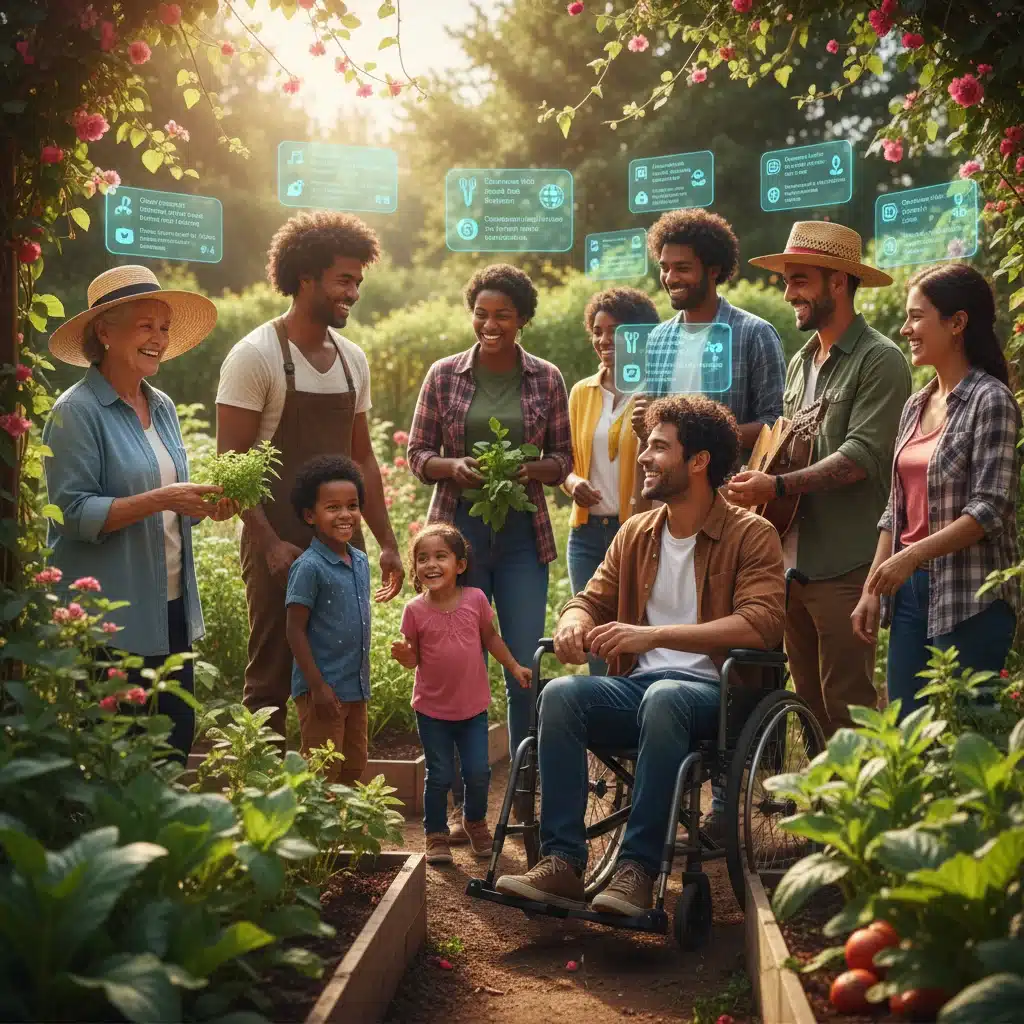
CivicLink Pro addresses a critical gap in many communities: the disconnect between residents and their local government. By streamlining communication and providing tools for organized action, it has significantly boosted civic participation rates. Neighborhoods using CivicLink Pro report faster resolution of local issues, more inclusive policy-making processes, and a greater sense of collective efficacy. This platform demonstrates the immense potential of digital community platforms to strengthen democratic processes at the grassroots level, transforming passive citizens into active participants. Its success highlights a growing demand for transparency and direct engagement, moving beyond traditional town hall meetings to a more dynamic, ongoing dialogue between residents and their elected representatives. It’s not just about complaining; it’s about collaboratively building a better neighborhood.
Platform 3: ‘EcoLocal Exchange’ – Sustainable Neighborhood Commerce & Resource Sharing
The third major innovation in 2026 is ‘EcoLocal Exchange’, a platform dedicated to fostering sustainable neighborhood commerce and resource sharing. Recognizing the environmental and economic benefits of local circular economies, EcoLocal Exchange provides a robust marketplace and sharing network that prioritizes local businesses, reduces waste, and strengthens economic resilience within communities. This platform is a testament to how digital community platforms can drive both economic growth and environmental stewardship.
EcoLocal Exchange’s standout features include:
- Local Business Directory & Marketplace: A curated directory of local businesses, artisans, and service providers. Residents can buy and sell goods directly within their neighborhood, supporting local economies and reducing carbon footprints from shipping.
- Sharing Economy Hub: Facilitates the borrowing, lending, and gifting of items like tools, household appliances, and garden equipment. This reduces consumerism and promotes resource efficiency.
- Food & Produce Swap: Connects local gardeners and small-scale farmers with neighbors interested in fresh, locally grown produce, reducing food waste and promoting healthy eating.
- Skill-Sharing & Bartering Network: Allows residents to offer and request services based on skill exchange rather than monetary transactions, fostering a sense of mutual aid and community interdependence.
- Sustainable Living Resources: Provides information and tips on local recycling programs, composting initiatives, energy-saving strategies, and other sustainable practices, empowering residents to make eco-conscious choices.
EcoLocal Exchange has had a transformative effect on the economic and environmental health of participating neighborhoods. Local businesses report increased sales and customer loyalty, while residents benefit from access to unique local products and services. The platform’s emphasis on sharing and bartering has significantly reduced waste and fostered a more resilient local economy, less dependent on external supply chains. It exemplifies how digital community platforms can be powerful tools for promoting sustainable living and building stronger, more self-sufficient neighborhoods. The platform not only facilitates transactions but also educates users on the broader impact of their choices, fostering a collective commitment to environmental responsibility. This holistic approach makes it more than just a marketplace; it’s a movement towards a more sustainable future.
The Synergistic Power of Digital Community Platforms
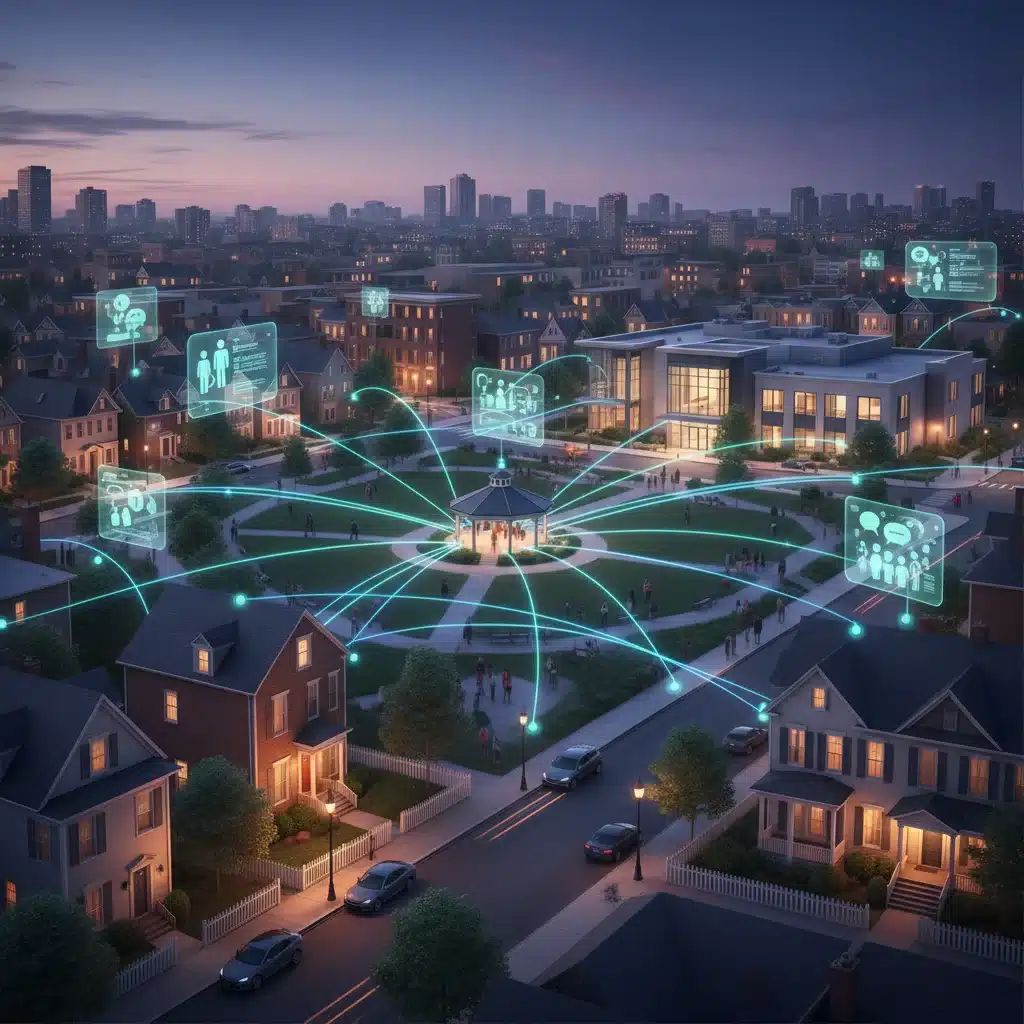
What makes these three platforms particularly impactful in 2026 is not just their individual strengths, but their potential for synergy. While each specializes in a distinct aspect of community life – social connection, civic engagement, and sustainable commerce – they often interact and complement each other. For instance, a community garden organized through ConnectHub Local might use CivicLink Pro to advocate for public land access and then utilize EcoLocal Exchange to share its harvest. This interconnectedness creates a robust digital ecosystem that mirrors the organic complexity of real-world neighborhoods.
The rise of these advanced digital community platforms also presents new opportunities for local governments and non-profit organizations. By integrating with or leveraging the data (with appropriate privacy safeguards) from these platforms, public and civic entities can gain deeper insights into community needs, streamline service delivery, and foster more effective public-private partnerships. Imagine a city planning department using anonymized data from CivicLink Pro to identify areas with high demand for new parks, or a local food bank coordinating donations through EcoLocal Exchange. The possibilities for data-driven community improvement are vast and largely untapped.
However, the success of these platforms is not without its challenges. Ensuring equitable access across the digital divide remains paramount. Efforts are continuously being made to provide internet access and digital literacy training to all residents, regardless of socioeconomic status. Furthermore, maintaining privacy and data security in an age of increasing cyber threats is a constant battle. The platforms discussed here have invested heavily in these areas, understanding that trust is the bedrock of any successful community, digital or otherwise. Content moderation also remains a critical aspect, ensuring that these spaces remain welcoming, inclusive, and free from misinformation or harmful content. The platforms employ a combination of AI-driven moderation and human oversight to maintain a positive and constructive environment.
The Future Landscape of Neighborhood Connection
Looking ahead, the evolution of digital community platforms is set to continue at a rapid pace. We can anticipate even greater integration with smart home technologies, augmented reality (AR) experiences that blend digital information with physical spaces, and more sophisticated AI that can anticipate community needs and proactively suggest solutions. Imagine walking through your neighborhood and receiving AR overlays on your smart glasses pointing out local events from ConnectHub Local, proposed development plans from CivicLink Pro, or available produce from EcoLocal Exchange.
The ultimate goal of these platforms is not to replace face-to-face interaction but to enhance and facilitate it. They are tools that bridge gaps, lower barriers to entry for participation, and provide infrastructure for stronger, more resilient local communities. As technology becomes increasingly woven into the fabric of our daily lives, these platforms offer a hopeful vision for the future of urban and suburban living – one where technology serves to deepen human connection and empower local action, rather than diminish it.
The success of ConnectHub Local, CivicLink Pro, and EcoLocal Exchange in 2026 demonstrates a clear path forward for community building in the digital age. They are proving that with thoughtful design, robust technology, and a deep understanding of human needs, digital community platforms can indeed foster a more connected, engaged, and sustainable future for U.S. neighborhoods. The digital revolution is not just about global reach; it’s increasingly about strengthening our roots right where we live. These platforms are not just connecting individuals; they are re-establishing the very essence of what it means to belong to a vibrant, thriving neighborhood.
As we move further into the 21st century, the role of these platforms will only grow. They are becoming essential infrastructure for modern living, much like roads, utilities, and schools. Their ability to adapt to new challenges, integrate emerging technologies, and continuously meet the evolving needs of diverse communities will determine their long-term success. The future of community building is undoubtedly digital, but it is also profoundly human, focusing on the core values of connection, collaboration, and mutual support. The platforms of 2026 are setting the standard for this exciting new era.
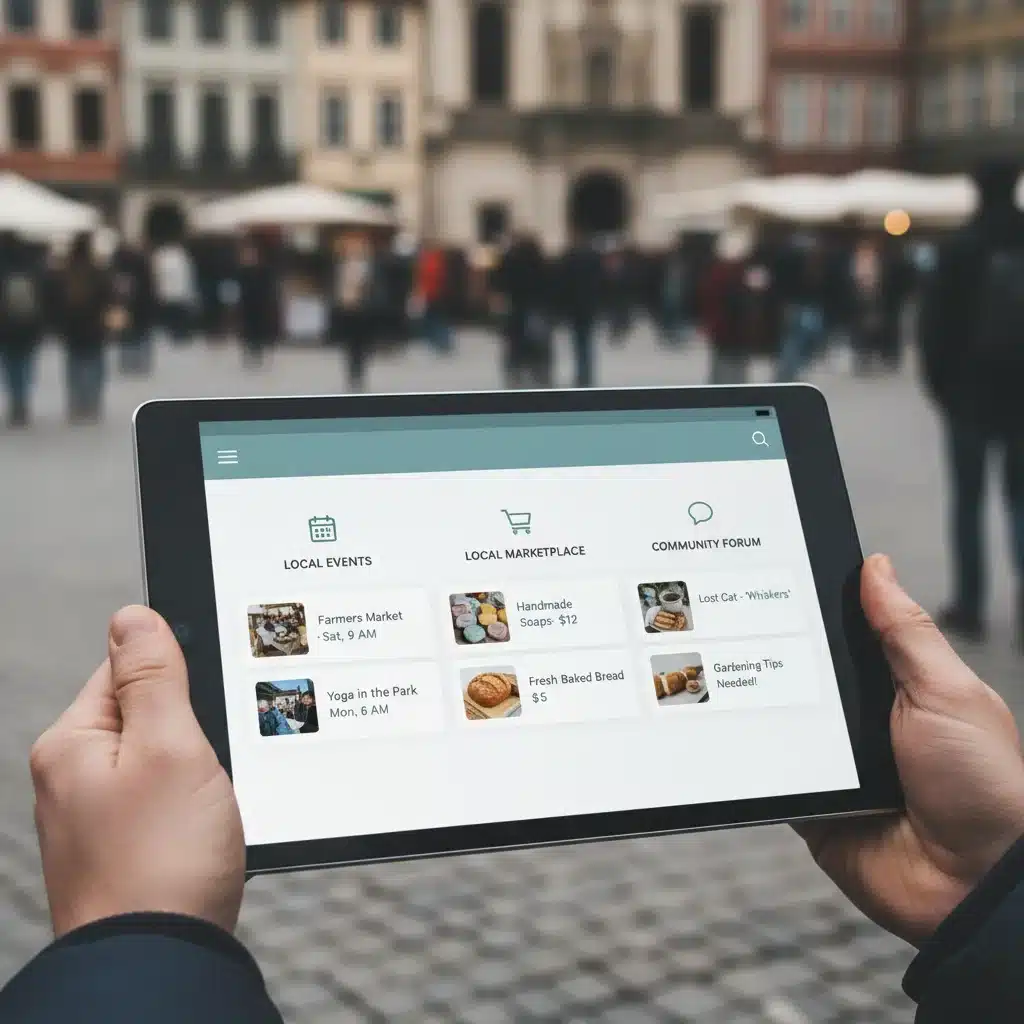
The transformation we are witnessing is not merely technological; it is a societal shift. People are actively seeking ways to re-engage with their local environments, to feel a sense of ownership and belonging that can sometimes be lost in the vastness of modern cities. These digital community platforms provide the means to achieve that. They democratize access to information, amplify local voices, and facilitate collective action in ways that were previously unimaginable. The impact extends beyond individual interactions, fostering a stronger collective identity and a shared sense of responsibility for the well-being of the neighborhood. This is the true promise of these innovations: to build not just networks, but genuine communities.
Conclusion: A Connected Future for U.S. Neighborhoods
The year 2026 stands as a landmark for community building in the U.S., largely thanks to innovative digital community platforms like ConnectHub Local, CivicLink Pro, and EcoLocal Exchange. These platforms are not just tools; they are catalysts for stronger social ties, more effective civic participation, and more sustainable local economies. By harnessing the power of technology, they are helping to rebuild and reimagine the very fabric of our neighborhoods, proving that the digital age can indeed foster deeper, more meaningful local connections. The future of U.S. neighborhoods is looking increasingly connected, engaged, and vibrant, driven by these groundbreaking digital innovations.