CRISPR Gene Editing: 5 Breakthroughs Reshaping Disease Treatment in 2026 for US Patients
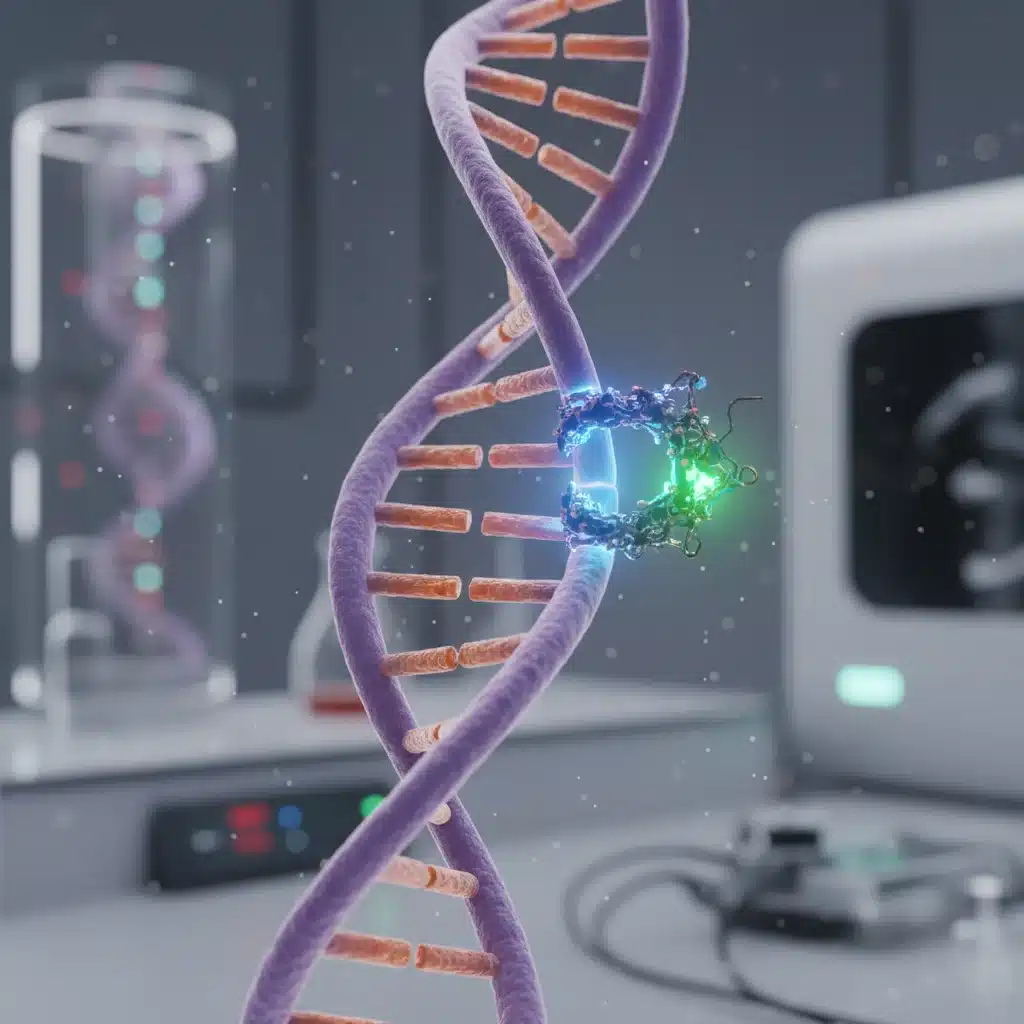
The landscape of modern medicine is undergoing a profound transformation, and at the forefront of this revolution is CRISPR gene editing. What was once the realm of science fiction is now a tangible reality, offering unprecedented precision in modifying DNA to combat a myriad of diseases. For US patients, the promise of CRISPR gene editing is not just a distant dream; it’s a rapidly approaching reality, with significant breakthroughs expected to reshape disease treatment by 2026. This article delves into five pivotal advancements in CRISPR technology that are poised to redefine healthcare, offering new hope and innovative solutions for conditions previously deemed incurable.
CRISPR, an acronym for Clustered Regularly Interspaced Short Palindromic Repeats, is a powerful gene-editing tool that allows scientists to make precise changes to DNA. Its ability to ‘cut and paste’ genetic material with remarkable accuracy has opened doors to therapeutic strategies that were unimaginable just a decade ago. From inherited genetic disorders to complex diseases like cancer and autoimmune conditions, CRISPR gene editing is proving to be a versatile and potent weapon in the medical arsenal. As we look towards 2026, the pace of innovation is accelerating, bringing these life-changing therapies closer to the clinic.
The journey of CRISPR from a bacterial defense mechanism to a therapeutic powerhouse is a testament to human ingenuity. Its simplicity and efficiency have made it a cornerstone of genetic research, leading to a surge in clinical trials and promising results. Understanding these breakthroughs is crucial for patients, healthcare providers, and anyone interested in the future of medicine. The implications extend beyond individual treatments, potentially altering public health strategies and ethical considerations surrounding genetic modification. This comprehensive overview will highlight the most impactful developments, offering insights into how these advancements in CRISPR gene editing will directly benefit US patients in the coming years.
1. Revolutionizing Sickle Cell Disease and Beta-Thalassemia Treatment
One of the most celebrated and immediate impacts of CRISPR gene editing is in the treatment of inherited blood disorders, specifically sickle cell disease and beta-thalassemia. These debilitating conditions, caused by mutations in the hemoglobin gene, affect millions worldwide, including a significant population in the United States. Current treatments often involve painful and invasive procedures like bone marrow transplants, which are not always feasible or successful. However, CRISPR technology is changing this narrative, offering a potential one-time curative therapy.
The breakthrough involves ex vivo gene editing, where a patient’s own hematopoietic stem cells are harvested, genetically modified using CRISPR to correct the faulty gene or reactivate fetal hemoglobin production, and then reinfused into the patient. This approach bypasses the need for a compatible donor and significantly reduces the risk of graft-versus-host disease. Clinical trials, such as those involving exa-cel (exagamglogene autotemcel), have shown remarkable success, with many patients achieving transfusion independence and significant reductions in painful sickle cell crises. The FDA’s recent approval of exa-cel marks a monumental milestone, making it the first CRISPR-based gene therapy approved for human use in the US.
By 2026, it is anticipated that this form of CRISPR gene editing will become more widely accessible to eligible US patients, moving beyond specialized research centers into more mainstream clinical practice. The long-term efficacy and safety data continue to accumulate, reinforcing confidence in this transformative treatment. The ability to correct the underlying genetic defect offers not just symptom management but a true cure, profoundly improving the quality of life for individuals who have historically faced a lifetime of chronic illness. This advancement is not just a scientific triumph; it represents a new era of personalized medicine where genetic errors can be precisely mended, offering a beacon of hope for countless families.
2. Advancements in In Vivo Gene Editing for Genetic Blindness
While ex vivo editing involves modifying cells outside the body, in vivo gene editing represents an even more direct and potentially scalable approach: delivering CRISPR components directly into the patient’s body to edit cells where they reside. This method holds immense promise for conditions affecting organs that are difficult to access or treat with ex vivo methods. Genetic forms of blindness, such as Leber Congenital Amaurosis (LCA), are at the forefront of this innovation.
LCA, caused by mutations in genes critical for retinal function, leads to severe vision impairment or complete blindness from birth. Traditionally, treatment options have been limited. However, CRISPR gene editing is now being explored to correct these mutations directly within the retinal cells. Clinical trials are underway where CRISPR-Cas9 components are delivered via adeno-associated viruses (AAVs) directly into the eye. The goal is to correct the faulty gene in photoreceptor cells, restoring their function and potentially improving vision.
Early results from these trials have been encouraging, demonstrating safety and preliminary signs of efficacy, including improvements in visual acuity and light perception in some patients. By 2026, we anticipate further maturation of these in vivo CRISPR gene editing therapies, potentially leading to regulatory approvals and wider availability for US patients suffering from specific forms of genetic blindness. The precision of CRISPR allows for highly targeted edits, minimizing off-target effects and maximizing therapeutic benefit. This direct approach could revolutionize ophthalmology, offering a one-time treatment that halts disease progression and even reverses some vision loss, opening up new worlds for those who have lived in darkness.
3. CRISPR-Based Immunotherapies for Cancer Treatment
Cancer remains one of the most formidable challenges in medicine, and while immunotherapies have emerged as powerful tools, their effectiveness can be limited by various factors. CRISPR gene editing is now being leveraged to enhance these immunotherapies, particularly CAR T-cell therapy, making them more potent and broadly applicable. This involves engineering a patient’s own immune cells to better recognize and destroy cancer cells.
In traditional CAR T-cell therapy, T-cells are extracted, genetically modified to express chimeric antigen receptors (CARs) that target cancer cells, and then reinfused. CRISPR takes this a step further by allowing for more sophisticated engineering of these T-cells. For instance, CRISPR can be used to remove genes that inhibit T-cell activity (e.g., PD-1), making them more aggressive against tumors. It can also be used to insert multiple CARs or other therapeutic genes, creating ‘designer’ T-cells with enhanced anti-cancer properties and improved persistence in the body.
Clinical trials are currently exploring CRISPR-edited T-cells for various cancers, including solid tumors, which have historically been resistant to CAR T-cell therapy. The ability to precisely modify multiple genes simultaneously in T-cells is a game-changer, allowing for the creation of universal T-cell therapies that could potentially be used off-the-shelf, reducing manufacturing time and cost. By 2026, we expect to see significant progress in the clinical application of these advanced CRISPR-engineered immunotherapies, offering US cancer patients new treatment avenues, especially for those with relapsed or refractory cancers where conventional therapies have failed. The precision of CRISPR gene editing is unlocking the full potential of the immune system to fight cancer, leading to more durable responses and improved patient outcomes.
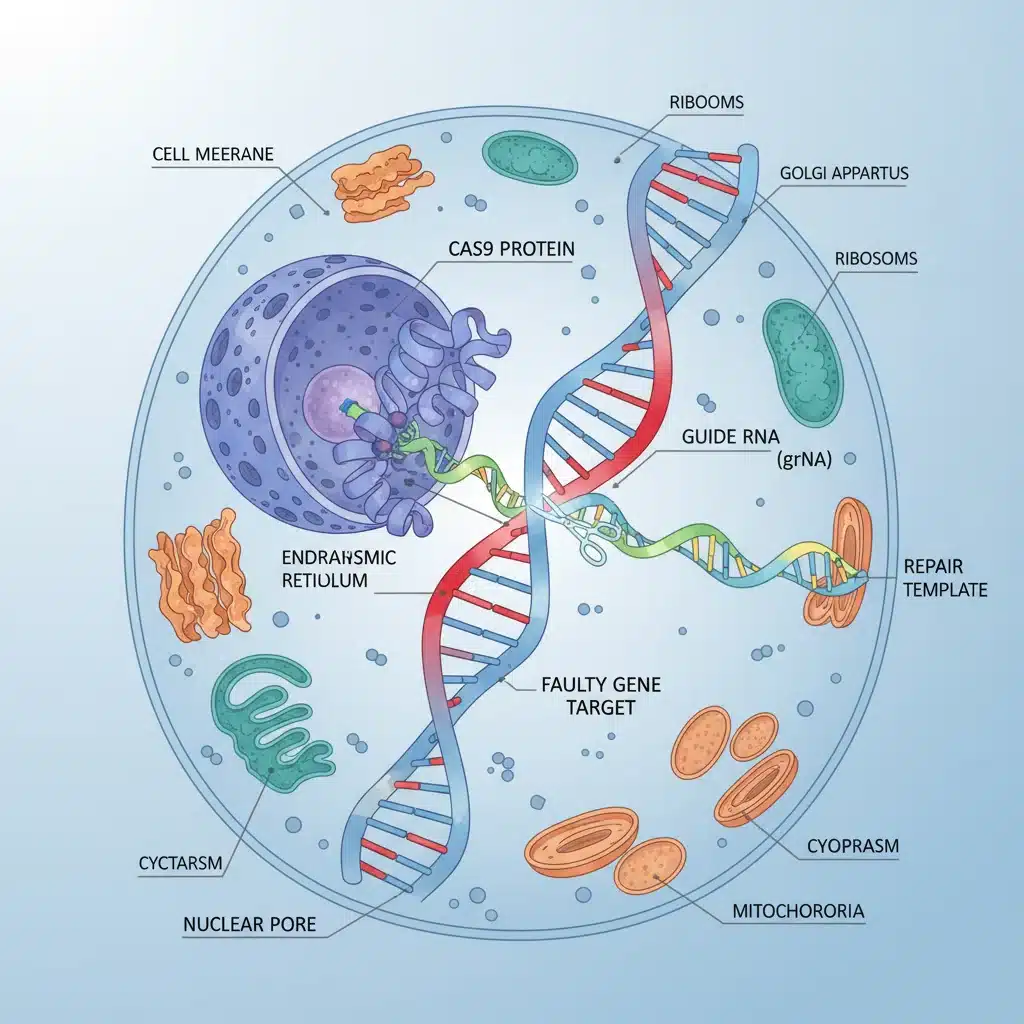
4. Gene Editing for Neurodegenerative Disorders: A New Frontier
Neurodegenerative disorders, such as Huntington’s disease, Alzheimer’s, and Parkinson’s disease, represent another area where CRISPR gene editing holds immense promise. These conditions are characterized by progressive loss of neuronal function, often with devastating consequences and currently limited treatment options. The challenge lies in delivering therapeutic agents across the blood-brain barrier and targeting specific neuronal populations without causing widespread disruption.
CRISPR is being investigated for its potential to directly address the genetic causes of some of these disorders. For example, in Huntington’s disease, which is caused by a dominant mutation, CRISPR could be used to silence or remove the faulty gene. While direct in vivo editing in the brain is complex, researchers are exploring various delivery methods, including advanced viral vectors and nanoparticles, to safely and effectively deliver CRISPR components to affected brain cells.
Significant preclinical research and early-phase clinical trials are underway, focusing on the safety and feasibility of intracranial delivery of CRISPR-based therapies. While widespread clinical application by 2026 might still be in its nascent stages for many neurodegenerative diseases, significant milestones are anticipated. These could include successful phase 1/2 trials demonstrating safety and preliminary efficacy for specific conditions, paving the way for larger studies. The development of more refined delivery systems and highly specific CRISPR variants will be key to unlocking the full potential of CRISPR gene editing in the brain, offering a glimmer of hope for patients and families grappling with these currently untreatable diseases. The ability to intervene at the genetic level could fundamentally alter the progression of these disorders, moving from symptomatic management to disease modification or even prevention.
5. Broadening the Scope: CRISPR for Autoimmune Diseases and Infectious Agents
The versatility of CRISPR gene editing extends beyond inherited disorders and cancer, showing significant potential in tackling autoimmune diseases and even infectious agents. Autoimmune diseases, such as lupus, rheumatoid arthritis, and multiple sclerosis, involve the immune system mistakenly attacking the body’s own tissues. Current treatments often involve broad immunosuppression, which can have significant side effects.
CRISPR offers a more targeted approach. Researchers are exploring ways to use CRISPR to precisely edit immune cells, such as T-cells or B-cells, to ‘retrain’ them to stop attacking healthy tissues. This could involve deleting genes that promote autoimmunity or inserting genes that induce tolerance. For instance, in type 1 diabetes, CRISPR could be used to protect pancreatic beta cells from immune attack or even to engineer new insulin-producing cells.
Furthermore, CRISPR is being investigated as a tool to combat infectious diseases. Its ability to precisely target and cut DNA or RNA makes it a powerful antiviral agent. Researchers are developing CRISPR-based therapies to directly attack viral genomes, such as those of HIV or herpesviruses, within infected cells. The potential for a ‘gene-edited cure’ for persistent viral infections is a revolutionary concept. While still largely in preclinical stages for many of these applications, the rapid pace of CRISPR research suggests that by 2026, we could see initial clinical trials or advanced preclinical data supporting the efficacy of CRISPR gene editing for specific autoimmune conditions or as a novel antiviral strategy for US patients. The ability to precisely modulate immune responses or directly neutralize pathogens at the genetic level represents a paradigm shift in how we approach these complex health challenges.
Ethical Considerations and Accessibility in the US Healthcare System
As CRISPR gene editing advances, so too do the ethical and societal discussions surrounding its application. The power to alter the human genome brings with it profound responsibilities. Questions about germline editing (editing genes in embryos or reproductive cells, which would be heritable), off-target edits, equitable access, and the potential for unintended consequences are at the forefront of these discussions. In the US, regulatory bodies like the FDA are carefully navigating these complexities, ensuring that clinical applications are both safe and ethically sound.
Accessibility and cost are also critical considerations. Early CRISPR therapies, like exa-cel, are expected to be very expensive, raising concerns about who will be able to afford these life-changing treatments. The US healthcare system faces the challenge of integrating these high-cost, high-impact therapies in a way that ensures broad access and affordability. Policy makers, pharmaceutical companies, and insurance providers will need to collaborate to develop innovative reimbursement models and patient assistance programs to prevent these breakthroughs from becoming exclusive to a privileged few. Ensuring that the benefits of CRISPR gene editing are available to all US patients, regardless of socioeconomic status, will be a significant undertaking.
Moreover, public education and engagement are vital. As CRISPR gene editing becomes more prevalent, it’s essential for the public to understand the science, its benefits, and its limitations. Open dialogue and transparent communication will help build trust and address concerns, fostering a supportive environment for responsible scientific advancement. The ethical framework surrounding CRISPR will continue to evolve, requiring ongoing vigilance and adaptation as the technology matures and its applications expand. Balancing innovation with ethical responsibility is paramount to harnessing the full potential of CRISPR gene editing for the betterment of human health.

The Future Landscape of CRISPR Gene Editing in US Medicine
The year 2026 is rapidly approaching, and with it, a new era in medicine driven by CRISPR gene editing. The breakthroughs discussed – from curative therapies for blood disorders to innovative approaches for cancer, blindness, neurodegenerative conditions, and autoimmune diseases – underscore the transformative potential of this technology. While challenges remain, particularly concerning delivery, off-target effects, and equitable access, the pace of scientific discovery and clinical translation is unprecedented.
Beyond these five specific areas, the broader impact of CRISPR gene editing is expected to ripple across numerous medical disciplines. Researchers are actively exploring its use in precision diagnostics, drug discovery, and even in engineering disease-resistant cells. The ability to precisely manipulate genetic material provides a powerful research tool that accelerates our understanding of disease mechanisms, leading to even more targeted and effective therapies in the future. The convergence of artificial intelligence and machine learning with CRISPR technology is also anticipated to further optimize gene-editing strategies, making them even more precise and efficient.
For US patients, this means a future where genetic predispositions might be corrected before disease onset, where chronic conditions could be permanently cured, and where previously untreatable diseases might finally have a viable therapeutic path. The shift from managing symptoms to addressing the root genetic cause of illness represents a fundamental change in medical philosophy. While the journey is still unfolding, the rapid progress in CRISPR gene editing offers a tangible and exciting vision for the future of healthcare, promising healthier, longer, and more fulfilling lives for millions.
Conclusion: A New Dawn for Disease Treatment
In conclusion, the advancements in CRISPR gene editing are not merely incremental improvements; they represent a fundamental paradigm shift in how we approach disease treatment. The five breakthroughs highlighted – in sickle cell disease/beta-thalassemia, genetic blindness, cancer immunotherapies, neurodegenerative disorders, and autoimmune/infectious diseases – are poised to significantly impact the lives of US patients by 2026. These innovations offer not just hope, but concrete, scientifically validated pathways to healing at the genetic level.
The journey of CRISPR gene editing is a testament to the power of scientific inquiry and human perseverance. As researchers continue to refine the technology, address ethical considerations, and work towards broader accessibility, the dream of truly personalized and curative medicine is becoming a reality. The coming years will undoubtedly witness further astonishing developments, solidifying CRISPR’s role as one of the most important medical innovations of our time. For anyone living in the US, the promise of CRISPR gene editing means a future with fewer diseases, more effective treatments, and a renewed sense of optimism for health and well-being. The dawn of gene-edited cures is here, and its light is growing ever brighter.