The New American Dream: 4 Emerging Cultural Values Driving Housing and Lifestyle Choices in 2026
The concept of the "American Dream" has long been etched into the national psyche, traditionally conjuring images of a white picket fence, a two-car garage, and a sprawling suburban home. However, as we stand on the precipice of 2026, this idyllic vision is undergoing a profound transformation. The foundational pillars of what constitutes a desirable life and home are shifting, driven by a confluence of evolving societal norms, technological advancements, and a re-evaluation of personal priorities. This article delves into the heart of this evolution, exploring four critical emerging cultural values that are reshaping housing and lifestyle choices, defining the New American Dream for the coming years.
Understanding these shifts is not merely an academic exercise; it’s essential for individuals making significant life decisions, for urban planners envisioning future communities, and for businesses adapting to changing consumer demands. The future housing trends are intricately linked to these deeper cultural currents. Let’s embark on a journey to uncover the nuances of these transformative values and how they are redefining our homes and our lives.
1. Flexibility and Adaptability: The Rise of Agile Living
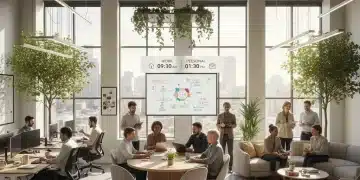
The traditional nine-to-five workday and the expectation of a lifelong career with a single employer are increasingly becoming relics of the past. The gig economy, remote work, and a greater emphasis on work-life balance have ushered in an era where flexibility is not just a perk but a necessity. This cultural value of flexibility profoundly impacts housing and lifestyle choices.
For many, the idea of being tied down to a single location for decades no longer holds the same appeal. This has fueled the demand for housing solutions that offer greater adaptability. Think about the surge in popularity of co-living spaces, where individuals can rent fully furnished rooms with shared amenities, often on shorter-term leases. This model caters to young professionals, digital nomads, and those seeking a sense of community without the long-term commitment of traditional rentals or homeownership.
Beyond co-living, the desire for flexibility is manifesting in other ways. Modular homes, tiny houses, and accessory dwelling units (ADUs) are gaining traction. These options provide homeowners with the ability to expand or contract their living space as their needs change, or even generate rental income. The concept of "house hacking" – buying a multi-unit property and living in one unit while renting out the others – is another testament to this desire for financial and spatial flexibility.
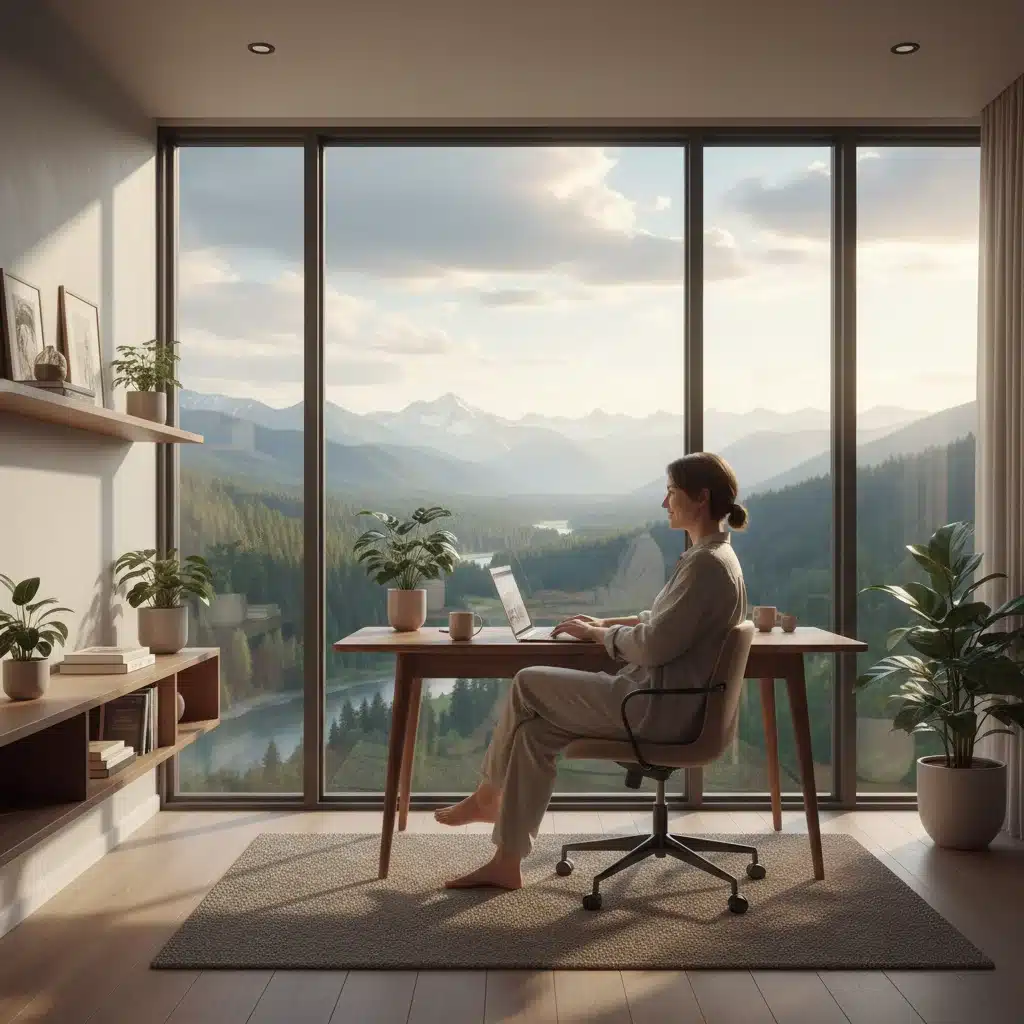
The COVID-19 pandemic significantly accelerated the adoption of remote work, proving that productivity isn’t confined to a physical office. This revelation has liberated many from the constraints of living within commuting distance of their workplace. People are now choosing to live in areas that offer a better quality of life, more affordable housing, or closer proximity to nature, even if it means being hundreds or thousands of miles from their company’s headquarters. This newfound freedom to choose where one lives based on personal preference rather than professional obligation is a cornerstone of the New American Dream.
Furthermore, the design of homes themselves is evolving to embrace flexibility. Multi-functional spaces, convertible rooms, and integrated smart home technology that can adapt to different uses are becoming standard. A living room might seamlessly transform into a home office during the day and a entertainment hub in the evening. This agile approach to living space reflects a broader cultural shift towards a more fluid and less rigid existence, where personal freedom and adaptability are paramount. The future housing trends will undoubtedly feature more of these adaptable and flexible designs, catering to a dynamic populace.
2. Sustainability and Environmental Consciousness: Living with Purpose
As the effects of climate change become increasingly undeniable, environmental consciousness has moved from the fringes to the forefront of cultural values. For many, the New American Dream is intrinsically linked to living sustainably and minimizing their ecological footprint. This value is driving significant changes in both housing construction and daily lifestyle choices.
The demand for eco-friendly homes is skyrocketing. This isn’t just about superficial greenwashing; it’s about genuine commitment to sustainable practices. Buyers are actively seeking homes built with sustainable materials, featuring energy-efficient appliances, solar panels, and advanced insulation. Net-zero homes, which produce as much energy as they consume, are no longer a niche concept but a growing aspiration for many homeowners.
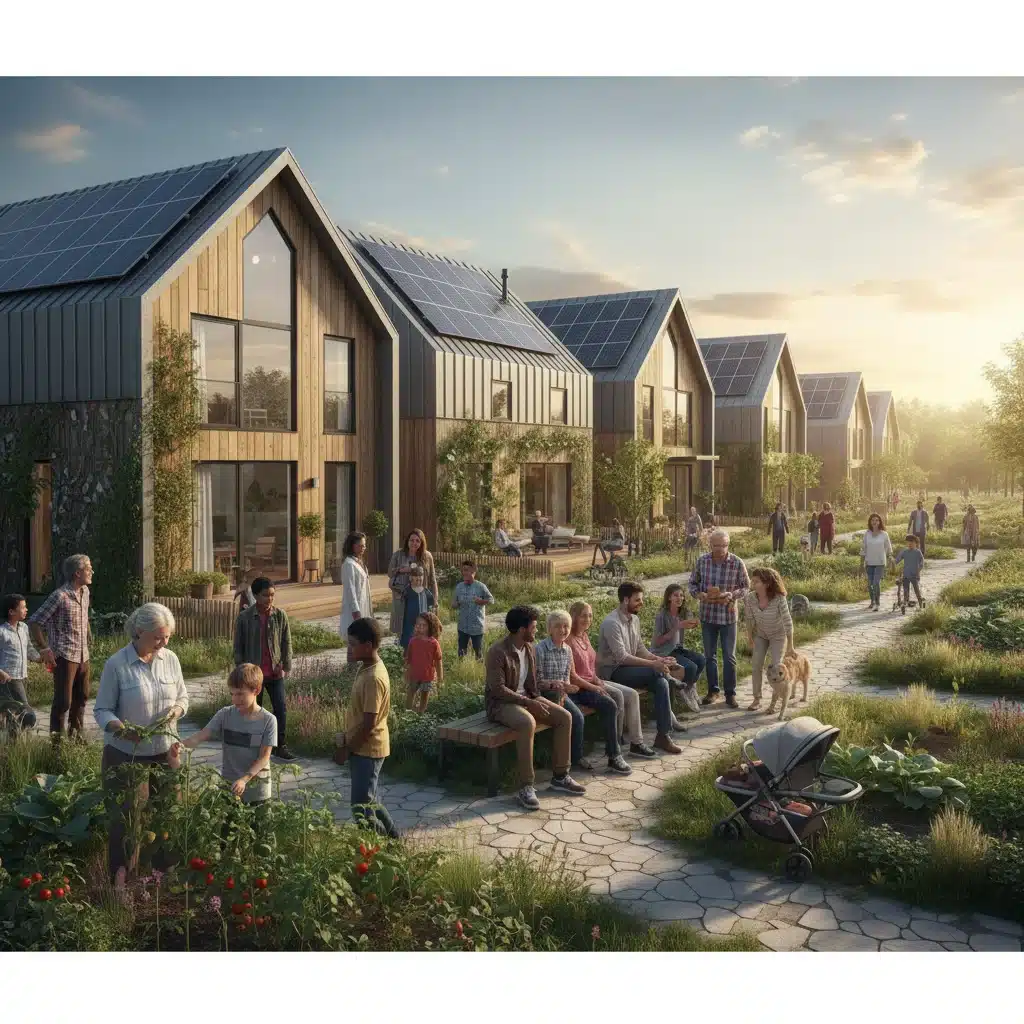
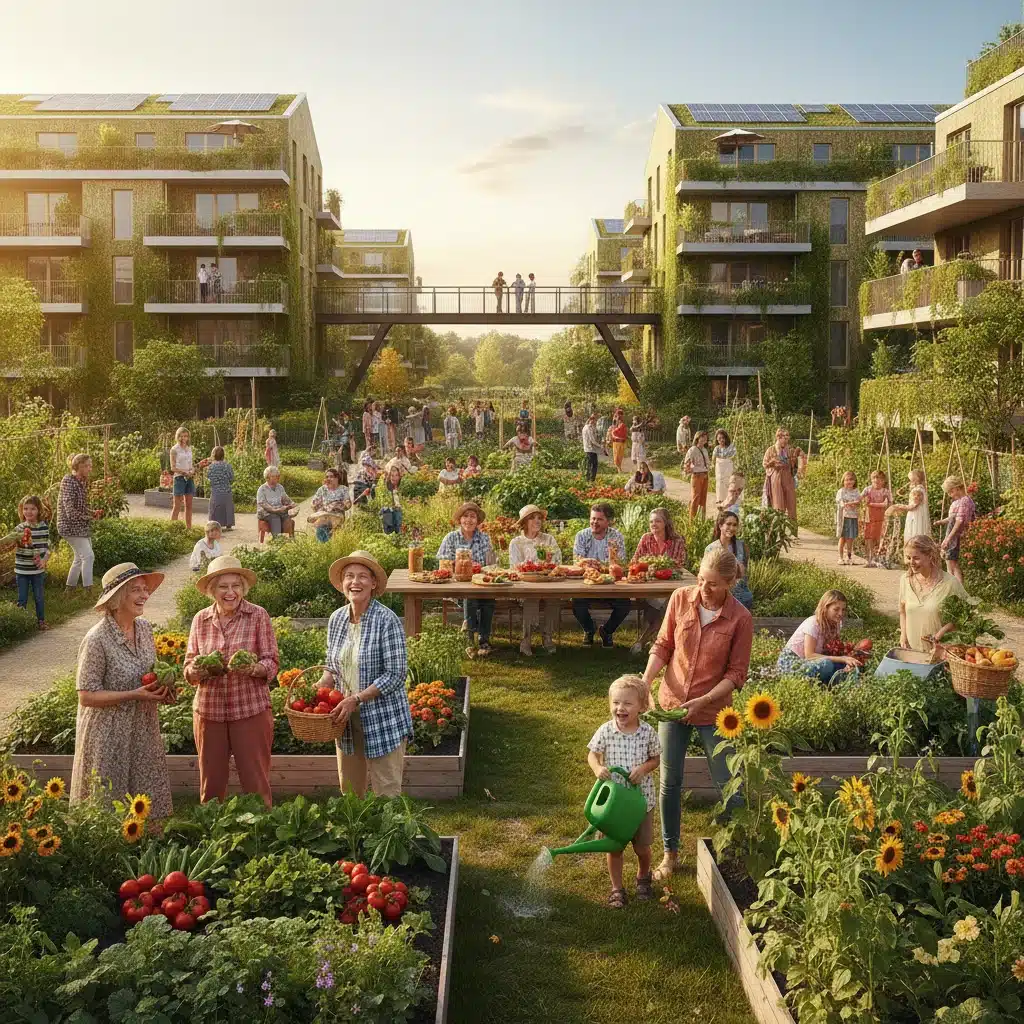
Beyond individual homes, the concept of sustainable communities is gaining traction. These communities are designed with integrated green spaces, shared resources, and infrastructure that supports walking, cycling, and public transportation. They prioritize water conservation, waste reduction, and the cultivation of local food sources. The appeal lies not only in the environmental benefits but also in the potential for lower utility bills and a healthier, more connected lifestyle.
The cultural shift towards sustainability also influences consumer choices regarding home products and services. There’s a growing preference for durable, ethically sourced goods over disposable, mass-produced items. People are investing in smart home systems that optimize energy consumption, and they are more likely to choose service providers who demonstrate a commitment to environmental responsibility. This extends to landscaping choices, with a move towards drought-resistant plants and native species that require less water and maintenance.
Furthermore, the awareness of embodied carbon – the greenhouse gas emissions associated with the entire lifecycle of a building, from material extraction to construction and demolition – is influencing architectural and construction practices. There’s a push towards using recycled and reclaimed materials, as well as designing for deconstruction, allowing buildings to be disassembled and their components reused at the end of their life cycle. This holistic approach to sustainability reflects a deep-seated cultural value that views environmental stewardship as a moral imperative and a key component of a fulfilling life. The future housing trends will heavily emphasize these sustainable innovations, making eco-conscious living more accessible and desirable.
3. Community and Connection: Rebuilding Social Fabric
Despite an increasingly digitized world, or perhaps because of it, there’s a profound yearning for genuine human connection and a strong sense of community. The isolation experienced by many during the pandemic further highlighted the importance of social bonds. This cultural value is driving a renewed interest in living arrangements and neighborhoods that foster interaction and mutual support.
The traditional suburban model, often characterized by isolated single-family homes and car-dependent lifestyles, is being re-evaluated. People are actively seeking communities where they can know their neighbors, participate in shared activities, and feel a sense of belonging. This has led to a resurgence of interest in walkable urban neighborhoods, mixed-use developments, and even purpose-built cohousing communities.
Cohousing, for instance, offers private homes combined with extensive shared spaces like common houses, dining halls, and recreational facilities. Residents actively participate in the design and management of their community, fostering a strong sense of ownership and collective responsibility. These models appeal to individuals and families seeking a more integrated and supportive living environment, where resources and experiences can be shared.
Beyond cohousing, the emphasis on community is influencing urban planning and architectural design. Developers are incorporating more public squares, parks, and communal gathering spaces into new residential projects. The idea is to create environments that naturally encourage interaction and spontaneous encounters, rather than isolating residents. This includes shared amenities like community gardens, fitness centers, and workshops that serve as focal points for social engagement.
Technology also plays a role in fostering community, albeit in a different way. Local online forums, neighborhood apps, and social media groups allow residents to connect, share information, and organize events. While these digital tools can be powerful, the underlying cultural value emphasizes the importance of translating online connections into real-world interactions and a tangible sense of belonging. The New American Dream for many involves being part of a vibrant, supportive community where social capital is valued as highly as financial capital. This focus on community will be a defining characteristic of future housing trends, moving beyond mere proximity to genuine connection.
4. Well-being and Holistic Health: Homes as Sanctuaries
The past few years have brought a heightened awareness of mental and physical health, leading to a cultural shift where well-being is prioritized above almost all else. The home is no longer just a place to sleep and eat; it’s increasingly viewed as a sanctuary, a space that actively contributes to one’s holistic health and overall quality of life. This value is profoundly influencing design choices, amenities, and even location preferences.
Homes are being designed with features that promote physical health, such as dedicated spaces for exercise, access to natural light and fresh air, and materials that minimize exposure to toxins. "Wellness architecture" is a growing field, focusing on creating environments that support health through elements like biophilic design (integrating nature into buildings), advanced air and water filtration systems, and circadian lighting that mimics natural light cycles.
Mental well-being is equally important. This translates into a demand for homes that offer peace, tranquility, and spaces for relaxation and mindfulness. Features like meditation rooms, quiet reading nooks, and private outdoor areas are becoming highly desirable. The emphasis is on creating environments that reduce stress, foster creativity, and provide a refuge from the demands of the outside world. Smart home technology is also being leveraged to enhance well-being, with systems that can adjust lighting, temperature, and even scent to create optimal environments for sleep, focus, or relaxation.
The proximity to nature is another crucial aspect of this well-being trend. People are seeking homes closer to parks, green belts, hiking trails, and bodies of water, recognizing the profound positive impact that nature has on mental and physical health. This desire for natural surroundings is driving some to move away from densely populated urban centers to more suburban or even rural areas, where access to open spaces is more readily available.
Furthermore, the concept of "aging in place" is gaining prominence, reflecting a desire to maintain well-being and independence throughout one’s life. Homes are being designed with universal design principles in mind, incorporating features like single-level living, wider doorways, and grab bars, to ensure they can adapt to residents’ changing needs over time. This proactive approach to health and longevity is a defining characteristic of the New American Dream, where a home is not just an asset, but a vital component of a healthy and fulfilling life. These well-being considerations will be central to future housing trends, making homes truly restorative spaces.
The Evolving Landscape of the American Dream
The traditional pillars of the American Dream – a large house, a nuclear family, and a stable, lifelong career – are giving way to a more nuanced and multifaceted vision. The emerging cultural values of flexibility, sustainability, community, and well-being are not merely fleeting trends; they represent fundamental shifts in how individuals perceive success, happiness, and a fulfilling life. These values are interlinked and often reinforce each other. A sustainable home, for instance, can contribute to both environmental well-being and personal health. A flexible living arrangement can allow for greater community engagement and a better work-life balance.
As we move towards 2026 and beyond, understanding these evolving values is crucial for anyone involved in the housing market – from prospective homeowners and renters to real estate developers, architects, and urban planners. The demand is shifting towards homes and communities that are adaptable, environmentally responsible, socially connected, and conducive to holistic health. Those who recognize and embrace these changes will be best positioned to thrive in the evolving landscape of the New American Dream.
The future of housing is not just about bricks and mortar; it’s about building lives that are richer, more connected, and more aligned with our deepest values. The pursuit of the New American Dream is a journey towards a more conscious and purposeful way of living, where our homes are reflections of our commitment to a better future, for ourselves and for the planet. These future housing trends are not just predictions; they are already taking root and transforming our understanding of what it means to truly live well.
From the bustling urban centers reimagining their residential offerings to the serene exurbs attracting those seeking more space and nature, the influence of these four cultural values is undeniable. Developers are increasingly incorporating shared workspaces, communal gardens, and fitness centers into their blueprints, recognizing that modern residents seek more than just four walls and a roof. They are looking for an ecosystem that supports their entire lifestyle.
Consider the financial implications as well. While traditional homeownership remains a goal for many, the path to achieving it is diversifying. Flexible living options and smaller, more efficient homes can offer a more attainable entry point into the housing market, especially for younger generations burdened by student debt and rising costs of living. This financial flexibility, in turn, allows for greater freedom in other areas of life, further reinforcing the value of adaptability.
The emphasis on well-being also has significant economic ramifications. A home that promotes health can reduce healthcare costs, improve productivity, and enhance overall life satisfaction. This makes such properties not just desirable but a wise investment in one’s future. Similarly, sustainable homes often come with lower operating costs due to energy efficiency, offering long-term financial benefits alongside their environmental advantages.
Ultimately, the New American Dream is about empowerment – the power to choose a lifestyle that aligns with one’s personal values, rather than conforming to a pre-defined societal template. It’s about building a life that is intentional, resilient, and deeply satisfying. As we navigate the complexities of the 21st century, these four emerging cultural values will continue to shape our housing and lifestyle choices, guiding us towards a future where our homes are truly extensions of our aspirations and our commitment to a better world.
The shift is profound, moving from a focus on accumulation to a focus on well-being, from isolation to connection, from consumption to conservation. The future housing trends will reflect this deeply personal and societal evolution. It’s an exciting time to witness and participate in the redefinition of such a foundational concept, as the American Dream adapts to the realities and aspirations of a new era. The homes we build and choose in 2026 will be a testament to these evolving values, embodying a richer, more meaningful way of living.