Future of Community Building: 6 Innovative Approaches for 2026
The world has undergone a profound transformation in recent years, reshaping the very fabric of human connection. The post-pandemic era, with its accelerated digital adoption and renewed appreciation for local ties, has presented both challenges and unprecedented opportunities for community building future. As we look towards 2026 and beyond, understanding these shifts and adapting our strategies is paramount for fostering resilient, engaged, and thriving communities.
Gone are the days when community building was solely about physical gatherings. Today, it’s a multifaceted endeavor that blends the best of digital innovation with the enduring power of human connection. The core need for belonging remains, but the avenues through which that need is met are constantly evolving. This article delves into six innovative approaches that are set to define the community building future, offering actionable insights for organizations, leaders, and individuals seeking to cultivate impactful connections.
The Evolving Landscape of Connection: Why Traditional Models Are Not Enough
Before diving into the innovative approaches, it’s crucial to acknowledge the seismic shifts that have necessitated this evolution. The pandemic forced a rapid pivot to digital platforms, revealing both their limitations and their immense potential. While Zoom fatigue became a real phenomenon, it also highlighted the accessibility and reach that digital tools offer. Simultaneously, a yearning for authentic, in-person interactions grew stronger, underscoring the irreplaceable value of physical presence.
Furthermore, societal trends like increased remote work, urbanization, and a growing emphasis on purpose-driven engagement have all contributed to a demand for more flexible, inclusive, and meaningful community structures. The traditional ‘one-size-fits-all’ approach to community building is no longer effective. Communities must be dynamic, adaptable, and capable of meeting diverse needs across various touchpoints. The community building future demands a more nuanced and integrated strategy.
1. Hyper-Personalized Engagement and Micro-Communities
One of the most significant shifts in the community building future is the move towards hyper-personalization. In an age of information overload, generic approaches fall flat. People are seeking communities that resonate deeply with their specific interests, values, and life stages. This has led to the rise of micro-communities: smaller, more focused groups centered around niche topics, shared hobbies, or particular challenges.
The Power of Niche
Instead of trying to be everything to everyone, successful communities in 2026 will excel at serving a highly defined audience. Think beyond broad categories like ‘entrepreneurs’ to ‘solo female founders in sustainable tech’ or ‘parents of neurodivergent children interested in outdoor education.’ These micro-communities foster stronger bonds because members feel truly seen and understood. The shared context creates an immediate sense of belonging and psychological safety, encouraging deeper participation.
Leveraging Data for Personalization
Data analytics will play a crucial role in enabling this personalization. Community managers will use insights from member behavior, preferences, and feedback to tailor experiences, content, and events. This doesn’t mean intrusive tracking, but rather intelligent use of anonymized data to understand what truly adds value to different segments of the community. For example, knowing that a subset of your community is passionate about environmental sustainability allows you to curate specific discussions, workshops, or volunteer opportunities for them.
Tools and Platforms
Platforms like Discord, specialized forums, and even private social media groups are already demonstrating the power of micro-communities. The future will see more sophisticated tools that allow for easier creation, management, and scaling of these niche groups, while still providing overarching community infrastructure. The key is to balance the intimacy of a small group with the resources and reach of a larger network, defining the community building future.
2. The Rise of Immersive Digital and Hybrid Experiences
While the initial rush to digital was a necessity, the community building future embraces digital tools as integral, not just as a fallback. The focus is shifting from simply replicating in-person events online to creating genuinely immersive and engaging digital and hybrid experiences that leverage the unique strengths of each medium.
Beyond Video Calls: Virtual Reality and Metaverse Spaces
Expect to see a significant uptick in the use of virtual reality (VR) and metaverse-like platforms for community interactions. These environments offer a sense of presence and immersion that traditional video calls cannot match. Imagine attending a community workshop in a virtual classroom, collaborating on a project in a shared digital workspace, or even socializing in a virtual cafe. These spaces can break down geographical barriers in unprecedented ways, making global communities feel genuinely connected.

Seamless Hybrid Models
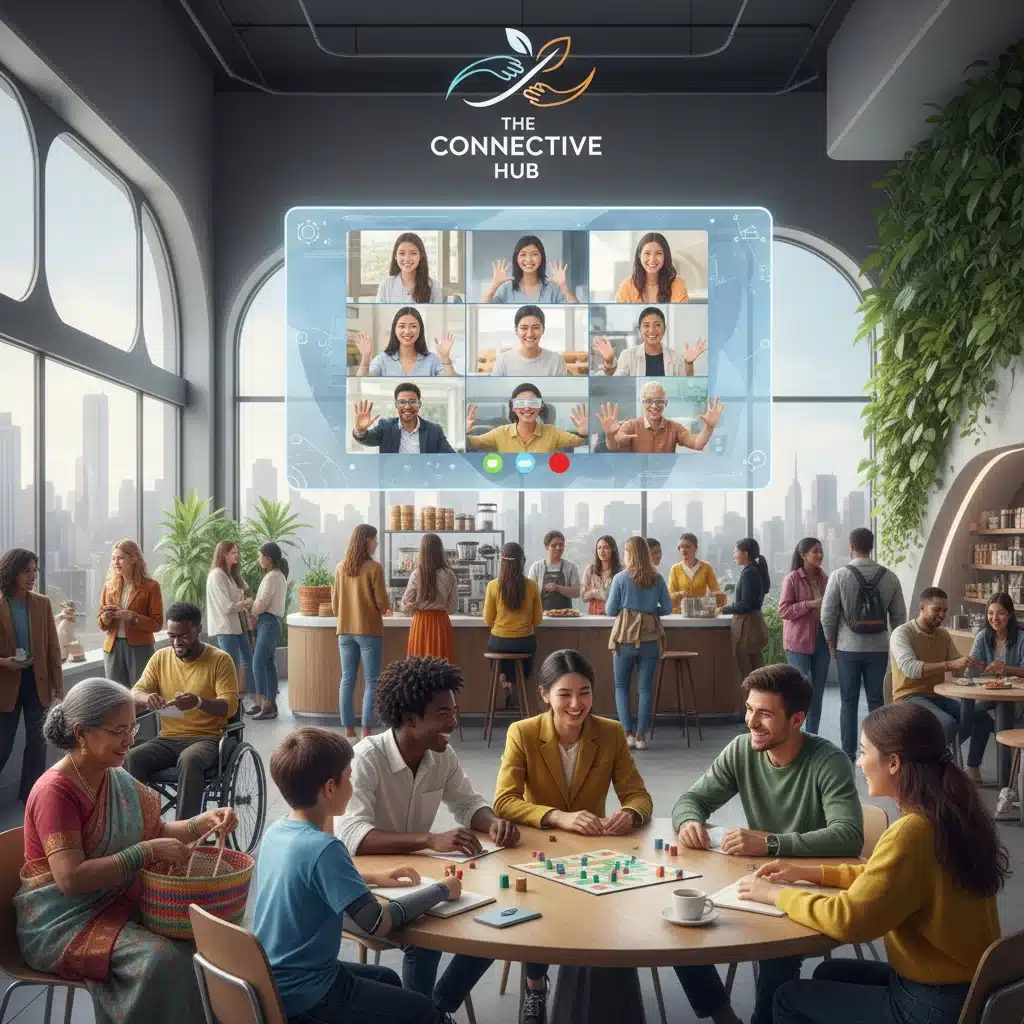
The true innovation lies in perfecting hybrid models that seamlessly integrate in-person and digital participation. This isn’t just about streaming a live event; it’s about designing experiences where remote participants feel equally included and valued. This might involve:
- Interactive Digital Components: Using polling, Q&A tools, and dedicated chat channels that are actively moderated for both in-person and online attendees.
- Dedicated Hybrid Facilitators: Individuals whose sole job is to ensure remote participants are engaged and their voices heard.
- Purpose-Built Spaces: Physical venues designed with integrated technology to support hybrid interactions from the ground up.
The goal is to eliminate the ‘second-class citizen’ feeling often associated with remote participation, ensuring that everyone, regardless of their physical location, can contribute meaningfully to the community building future.
3. Community as a Service (CaaS) and Decentralized Ownership
The traditional model where a single entity ‘owns’ and dictates the terms of a community is becoming less appealing. The community building future will see a move towards more decentralized, member-led, and value-driven structures, often manifesting as ‘Community as a Service’ (CaaS).
CaaS: Beyond Membership Fees
CaaS involves offering community access and benefits as a core value proposition, not just an add-on. This isn’t just about charging membership fees; it’s about providing tangible value that members actively contribute to and benefit from. This could include:
- Access to exclusive content, resources, and networking opportunities.
- Collaborative projects and initiatives where members co-create value.
- Peer-to-peer learning and mentorship programs.
- Opportunities for professional development and skill acquisition.
The focus shifts from consumption to co-creation, making the community itself a valuable service that members are invested in developing and sustaining.
Decentralized Autonomous Organizations (DAOs) and Web3
For more technically inclined or forward-thinking communities, Decentralized Autonomous Organizations (DAOs) powered by blockchain technology offer a radical new model for ownership and governance. In a DAO, community members hold tokens that grant them voting rights on key decisions, from resource allocation to strategic direction. This fosters a high degree of transparency, accountability, and collective ownership.
While still nascent, the principles of DAOs – shared ownership, transparent governance, and member empowerment – will increasingly influence how communities are structured, even if not fully blockchain-based. This democratized approach is central to the community building future.
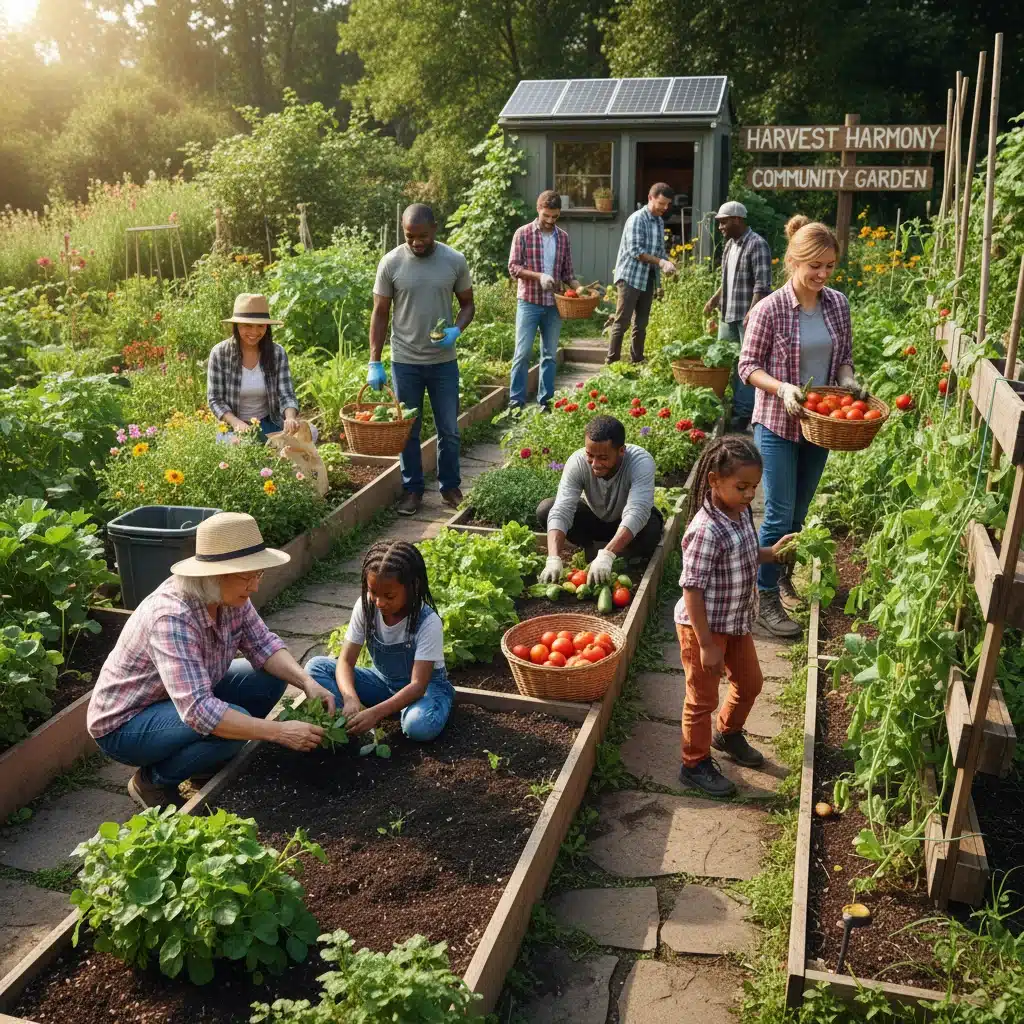
4. Purpose-Driven Communities and Social Impact
In an increasingly interconnected yet often fragmented world, people are seeking more than just casual connections; they want to be part of something bigger than themselves. The community building future is intrinsically linked to purpose and social impact.
Aligning Values and Mission
Communities that clearly articulate a shared purpose or mission will attract and retain more engaged members. This purpose can be anything from advocating for a social cause, collaborating on environmental initiatives, fostering artistic expression, or supporting professional development in a specific field. When members feel their contributions are part of a larger, meaningful endeavor, their commitment deepens.
Facilitating Collective Action
Successful communities in 2026 will not just be spaces for discussion but catalysts for collective action. They will provide frameworks and opportunities for members to work together towards their shared purpose. This could involve:
- Organizing volunteer events or fundraising campaigns.
- Collaborating on open-source projects or research initiatives.
- Advocating for policy changes or community improvements.
- Creating shared resources or educational materials.
The emphasis is on tangible outcomes and measurable impact, reinforcing the value of collective effort within the community building future.
5. AI-Powered Facilitation and Personalization
Artificial intelligence (AI) is no longer a futuristic concept; it’s a powerful tool that will redefine how communities are managed and experienced. In the community building future, AI will augment human facilitators, enabling more efficient and personalized engagement.
Intelligent Matchmaking and Connection
AI algorithms can analyze member profiles, interests, and activity to suggest relevant connections, groups, or events. This intelligent matchmaking can help new members find their place faster and ensure existing members discover opportunities that align with their evolving needs. Imagine an AI suggesting a mentor based on your career goals or recommending a discussion group based on your recent posts.
Content Curation and Delivery
AI can also personalize content delivery, ensuring members receive information that is most relevant to them, reducing information overload. This could involve:
- Summarizing lengthy discussions or documents.
- Highlighting key takeaways from events.
- Suggesting articles, resources, or courses based on individual learning paths.
This targeted approach enhances the value proposition of the community and keeps members engaged without overwhelming them.
Sentiment Analysis and Moderation Support
AI tools can assist in monitoring community sentiment, identifying potential conflicts, or flagging inappropriate content. While human moderation remains essential for nuanced judgment, AI can act as a powerful first line of defense, allowing human moderators to focus on more complex issues and fostering a safer, more positive environment. This blend of human and artificial intelligence is key to the community building future.
6. Emphasis on Well-being, Inclusivity, and Digital Detox
As communities become more digitally integrated, there’s a growing recognition of the importance of member well-being, mental health, and the need for balance. The community building future will prioritize creating spaces that are not only engaging but also healthy and inclusive.
Fostering Psychological Safety
Inclusivity goes beyond diversity in demographics; it’s about creating an environment where everyone feels safe to express themselves, share ideas, and be vulnerable without fear of judgment or harassment. Community guidelines, active moderation, and a culture of empathy are crucial. Training for community leaders on inclusive communication and conflict resolution will become standard practice.
Promoting Digital Well-being
While digital tools are powerful, excessive screen time can lead to burnout. Communities will increasingly incorporate strategies to promote digital well-being, such as:
- Encouraging ‘offline’ challenges or activities.
- Implementing ‘quiet hours’ or designated periods for digital detox.
- Providing resources on managing screen time and digital boundaries.
- Organizing meetups that are specifically about non-digital activities.
The goal is to leverage digital connection without sacrificing mental and emotional health, a critical aspect of the community building future.
Accessibility by Design
True inclusivity means designing communities with accessibility in mind from the outset. This includes:
- Ensuring digital platforms are accessible to individuals with disabilities (e.g., screen reader compatibility, captioning for videos).
- Considering physical accessibility for in-person events.
- Offering diverse communication channels to accommodate different preferences and needs.
By proactively addressing accessibility, communities can ensure they are welcoming to the widest possible range of individuals, strengthening the overall fabric of the community building future.
Conclusion: Navigating the Community Building Future with Intent
The landscape of human connection is dynamic, and the strategies for community building future must evolve in tandem. As we move towards 2026, the communities that thrive will be those that embrace personalization, leverage immersive digital and hybrid experiences, empower their members through decentralized models, are driven by a clear purpose, harness the power of AI responsibly, and prioritize the well-being and inclusivity of every individual.
Building strong communities is not just a trend; it’s a fundamental human need. By adopting these innovative approaches, organizations and individuals can create spaces where people truly belong, collaborate effectively, and make a meaningful impact in a rapidly changing world. The future of community building is bright, interconnected, and deeply human, even as technology plays an ever-increasing role in facilitating those connections. The journey ahead requires intentionality, adaptability, and a relentless focus on the human experience.
Embrace these strategies, experiment with new technologies, and always keep the core human desire for connection at the heart of your efforts. The community building future is not just about tools; it’s about fostering genuine relationships that enrich lives and strengthen society as a whole. Be a part of shaping that future.