US Stem Cell Therapies: Breakthroughs & Approvals in Last 12 Months

Breakthroughs in Regenerative Medicine: What US Patients Need to Know About US Stem Cell Therapies Approved in the Last 12 Months
The landscape of regenerative medicine is constantly evolving, offering new hope for patients grappling with chronic diseases and debilitating conditions. In the United States, the past 12 months have been particularly dynamic, witnessing significant advancements and approvals in US stem cell therapies. These breakthroughs are not just scientific marvels; they represent tangible possibilities for improved quality of life and, in some cases, cures for previously untreatable ailments. Understanding these developments is crucial for patients, caregivers, and healthcare providers alike.
Stem cell therapy, at its core, harnesses the body’s natural ability to heal and regenerate. Stem cells are unique because of their capacity to develop into many different cell types, from muscle cells to brain cells, and their ability to self-renew. This dual capability makes them incredibly powerful tools in repairing damaged tissues and organs. The journey from laboratory research to FDA approval is rigorous, ensuring that new treatments are both safe and effective. The recent wave of approvals underscores a growing confidence in the potential of regenerative medicine to transform healthcare.
For US patients, staying informed about these approved therapies is paramount. It allows them to engage in more informed discussions with their physicians, explore new treatment avenues, and understand the potential benefits and risks involved. This article will delve into the most significant US stem cell therapies that have received approval or significant regulatory milestones in the last year, breaking down what they are, who they benefit, and what the future holds for this exciting field.
Understanding the Regulatory Landscape for US Stem Cell Therapies
Before diving into specific approvals, it’s essential to grasp the regulatory framework governing US stem cell therapies. The U.S. Food and Drug Administration (FDA) plays a critical role in ensuring the safety and efficacy of all medical products, including stem cell-based treatments. The FDA classifies stem cell products as biological products, which are subject to stringent review processes. This includes extensive preclinical testing, multiple phases of clinical trials in human subjects, and a comprehensive evaluation of manufacturing processes to ensure product quality and consistency.
The regulatory pathway for stem cell therapies can be complex. Generally, these therapies fall under the purview of the Center for Biologics Evaluation and Research (CBER) within the FDA. Products considered “minimally manipulated” and intended for “homologous use” (meaning they perform the same basic function in the recipient as in the donor) may be regulated under Section 361 of the Public Health Service (PHS) Act. However, products that are more than minimally manipulated or intended for non-homologous use typically require approval under Section 351 of the PHS Act, which is a more rigorous process akin to drug approval.
In recent years, the FDA has also taken steps to clarify its regulatory approach and crack down on unproven and potentially dangerous stem cell clinics operating outside of established guidelines. This emphasis on legitimate, evidence-based therapies is crucial for patient safety and for fostering public trust in regenerative medicine. The approvals we’ll discuss are a testament to this rigorous process, representing treatments that have successfully navigated these regulatory hurdles.
Key Breakthroughs and Approved US Stem Cell Therapies in the Last 12 Months
The past year has been marked by several noteworthy advancements in US stem cell therapies. These approvals span various medical fields, offering new hope for conditions ranging from hematological disorders to certain types of organ damage. Here, we highlight some of the most impactful developments:
1. Advances in Hematopoietic Stem Cell Transplantation (HSCT)
While HSCT has been a cornerstone of treating blood cancers and other hematological disorders for decades, recent advancements have focused on expanding its applicability and improving outcomes. The past year has seen approvals related to novel conditioning regimens, improved methods for preventing graft-versus-host disease (GVHD), and the use of gene-edited hematopoietic stem cells for genetic disorders. For instance, new gene therapies leveraging stem cells to correct genetic defects in conditions like sickle cell disease and beta-thalassemia have moved closer to or received initial approvals, representing a monumental shift from managing symptoms to addressing the root cause of these diseases.
These therapies often involve collecting a patient’s own stem cells, genetically modifying them to correct the underlying genetic fault, and then reinfusing them. This approach minimizes the risk of immune rejection and offers a potentially curative option. The meticulous process of gene editing and the subsequent re-engraftment of these corrected cells require highly specialized medical teams and facilities, making these treatments complex but incredibly promising.
2. Cellular Therapies for Autoimmune and Inflammatory Conditions
Another area of significant progress is the application of US stem cell therapies in managing autoimmune and severe inflammatory conditions. Mesenchymal Stem Cells (MSCs), known for their immunomodulatory and anti-inflammatory properties, have been a particular focus. While widespread FDA approval for MSCs in many autoimmune diseases is still evolving, the past year has seen accelerated pathways and approvals for specific indications where conventional treatments have failed.
For example, certain MSC-based products have gained traction for treating specific forms of graft-versus-host disease (GVHD) resistant to steroids, offering a vital alternative for patients facing severe complications after transplant. These therapies work by modulating the immune system, reducing inflammation, and promoting tissue repair, thereby helping to restore immune balance. Clinical trials continue to explore their potential in other autoimmune conditions like Crohn’s disease and multiple sclerosis, with promising early results.

3. Cartilage Repair and Orthopedic Applications
Osteoarthritis and cartilage damage affect millions of Americans, leading to chronic pain and reduced mobility. The past year has brought welcome news in the form of approved US stem cell therapies aimed at regenerating damaged cartilage. These treatments often involve taking a patient’s own chondrocytes (cartilage cells) or mesenchymal stem cells, expanding them in a lab, and then implanting them back into the damaged joint.
Recent approvals and expanded indications for such therapies provide patients with new options beyond traditional surgical interventions like joint replacement. These cell-based approaches aim to not just alleviate symptoms but to repair the underlying tissue damage, offering a more durable and biological solution. The focus is on creating a scaffold for new cartilage growth, leading to improved joint function and reduced pain. This represents a significant shift towards truly regenerative solutions in orthopedics.
4. Ocular Regenerative Therapies
The field of ophthalmology has also seen exciting developments. For patients suffering from severe limbal stem cell deficiency, which can lead to blindness, new US stem cell therapies have emerged. Limbal stem cells are crucial for maintaining the corneal surface, and their deficiency can result from injuries or diseases.
Approved therapies involve transplanting healthy limbal stem cells, often harvested from the patient’s other eye or a compatible donor, to restore the ocular surface. These treatments can dramatically improve vision and reduce pain for patients who previously had limited options. The success of these therapies highlights the versatility of stem cells in regenerating specialized tissues and offers profound improvements in quality of life.
5. Emerging Therapies for Neurological Disorders
While still largely in clinical trial phases, the last 12 months have seen accelerated progress and even some conditional approvals or expanded access programs for US stem cell therapies targeting neurological conditions such as spinal cord injury and certain neurodegenerative diseases. These therapies often involve transplanting neural stem cells or other progenitor cells to replace damaged neurons, support existing ones, or modulate inflammation.
For example, some trials have shown promising results in restoring partial function in individuals with chronic spinal cord injuries. While full cures remain elusive, even small gains in neurological function can have a profound impact on a patient’s independence and quality of life. The regulatory bodies are increasingly recognizing the unmet medical needs in these areas and are creating pathways for expedited review and approval for promising treatments.
What These Approvals Mean for US Patients
The approval of new US stem cell therapies carries profound implications for patients across the country. It signals a shift towards more targeted, regenerative approaches to disease management. Here’s what patients should know:
- New Treatment Options: For conditions where existing treatments are inadequate or have severe side effects, these new therapies offer fresh hope. Patients now have more avenues to explore with their healthcare providers.
- Improved Outcomes: Many of these approved therapies aim not just to manage symptoms but to repair or regenerate damaged tissues, potentially leading to more durable and significant improvements in health.
- Safety and Efficacy: FDA approval means these therapies have undergone rigorous testing for safety and effectiveness. This provides a level of assurance that unapproved treatments cannot offer.
- Access and Coverage: While FDA approval is a critical step, access and insurance coverage can still be a challenge. Patients should discuss these aspects with their doctors and insurance providers. As more therapies become approved, coverage is likely to expand.
- Informed Decisions: Patients are empowered to make more informed decisions about their healthcare. Knowing about approved options allows for proactive engagement in treatment planning.
The Future of US Stem Cell Therapies: What’s Next?
The recent wave of approvals is just the beginning. The field of regenerative medicine, and specifically US stem cell therapies, is characterized by rapid innovation. Several trends and areas of research are poised to shape its future:
1. Personalized Regenerative Medicine
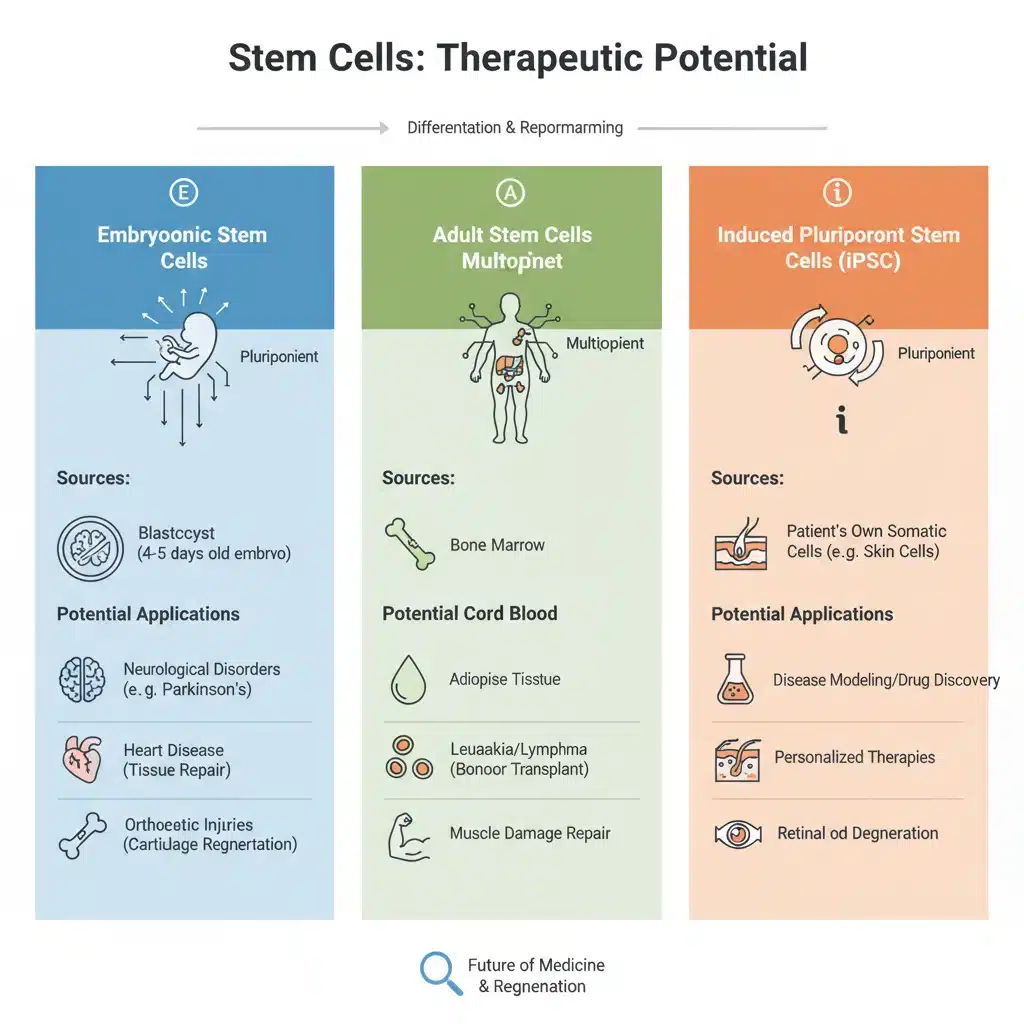
The move towards personalized medicine is gaining momentum. This involves tailoring stem cell therapies to an individual patient’s genetic makeup, disease profile, and specific needs. Techniques like induced pluripotent stem cells (iPSCs), which can be generated from a patient’s own skin cells, hold immense promise for creating patient-specific therapies that circumvent immune rejection and offer highly targeted treatment.
2. Combination Therapies
Future treatments are likely to involve combination approaches, where stem cells are used in conjunction with other therapeutic modalities, such as gene editing, biomaterials, or pharmaceuticals. This synergistic approach could enhance the effectiveness of regenerative therapies and address complex disease mechanisms more comprehensively.
3. Advanced Manufacturing and Delivery Methods
Improving the scalability, consistency, and cost-effectiveness of producing stem cell therapies is a major focus. Advances in bioreactor technology, automation, and quality control will be crucial for making these treatments more widely available. Similarly, novel delivery methods, such as targeted injection techniques or bioengineered scaffolds, will improve the precision and efficacy of stem cell transplantation.
4. Broader Applications
Research continues to expand the potential applications of stem cells to a wider range of conditions, including heart disease, diabetes, liver failure, and even anti-aging strategies. As our understanding of stem cell biology deepens, so too will the possibilities for therapeutic intervention.
5. Ethical and Societal Considerations
As the field progresses, ongoing discussions around the ethical implications of stem cell research and therapy will remain vital. Ensuring equitable access, addressing potential misuse, and maintaining public trust are paramount for the sustainable growth of regenerative medicine. The FDA’s continued vigilance in regulating these therapies will be crucial in navigating these complex issues.
Important Considerations for Patients
While the advancements in US stem cell therapies are exciting, it’s crucial for patients to approach them with a clear understanding and a critical perspective. Here are key considerations:
- Consult with Specialists: Always discuss potential stem cell therapies with your primary care physician and relevant specialists. They can provide guidance based on your specific medical history and condition.
- Verify FDA Approval: Only consider treatments that have received FDA approval or are part of legitimate, FDA-regulated clinical trials. Be wary of clinics offering unproven or unapproved stem cell treatments, especially those making exaggerated claims. The FDA provides resources to help patients identify legitimate clinical trials and approved products.
- Understand the Risks and Benefits: Like any medical treatment, stem cell therapies carry potential risks and side effects. Ensure you have a thorough understanding of these, as well as the expected benefits, before proceeding.
- Insurance Coverage: Investigate insurance coverage early in the process. Approved therapies may still have complex coverage criteria.
- Cost: Stem cell therapies can be expensive. Understand the full financial implications, including out-of-pocket costs, before committing to treatment.
- Long-Term Follow-up: Many of these therapies are relatively new, and long-term data on their efficacy and safety are continually being collected. Be prepared for ongoing follow-up with your medical team.
Conclusion: A New Era in Regenerative Medicine
The past 12 months have undeniably marked a transformative period for US stem cell therapies. From groundbreaking gene-edited treatments for blood disorders to innovative approaches for cartilage repair and ocular conditions, the momentum in regenerative medicine is palpable. These FDA-approved breakthroughs offer tangible hope and new treatment paradigms for countless patients across the United States.
As we look to the future, the promise of personalized therapies, combination approaches, and expanded applications continues to grow. For patients, staying informed, engaging in open dialogue with healthcare providers, and prioritizing FDA-approved treatments are essential steps in navigating this exciting and rapidly evolving landscape. The journey of regenerative medicine is far from over, but the recent advancements in US stem cell therapies firmly establish a new era of possibilities for healing and recovery.
This article serves as a general overview and should not replace professional medical advice. Always consult with a qualified healthcare provider for diagnosis and treatment recommendations regarding your specific health condition.