Understanding the Microbiome: 7 Dietary Changes Recommended by US Nutritionists in 2026 to Boost Gut Health and Immunity
In the ever-evolving landscape of health and wellness, few areas have garnered as much scientific attention and public interest as the human microbiome. This intricate ecosystem of trillions of microorganisms residing primarily in our gut plays a pivotal role not just in digestion, but also in immune function, mental health, and even chronic disease prevention. As we look towards 2026, leading US nutritionists are emphasizing specific microbiome dietary changes that can profoundly impact our gut health and, by extension, our overall immunity and well-being.
The concept of the microbiome might seem complex, but its fundamental principle is simple: a diverse and balanced community of gut microbes is a healthy one. When this balance is disrupted – a state known as dysbiosis – it can lead to a cascade of health issues, from digestive discomfort to increased susceptibility to infections and inflammatory conditions. Fortunately, the power to influence our microbiome lies largely in our daily food choices. This comprehensive guide will delve into seven crucial dietary recommendations for optimizing your microbiome, informed by the latest research and expert consensus.
The Gut-Immune Connection: Why Your Microbiome Matters More Than Ever
Before we dive into the specific microbiome dietary changes, it’s essential to understand the profound link between your gut and your immune system. Approximately 70-80% of your immune cells reside in your gut-associated lymphoid tissue (GALT). Your gut microbes act as a critical communication hub, training immune cells, producing beneficial compounds like short-chain fatty acids (SCFAs), and forming a protective barrier against pathogens.
When your microbiome is thriving, it helps maintain the integrity of your gut lining, preventing harmful substances from entering your bloodstream – a condition often referred to as ‘leaky gut’ when compromised. A robust gut flora also contributes to the production of various vitamins, aids in detoxification, and even influences neurotransmitter production, impacting mood and cognitive function. Therefore, investing in your microbiome through strategic dietary choices is a direct investment in your long-term health and resilience.
1. Prioritize a Diverse Array of Fiber-Rich Plant Foods
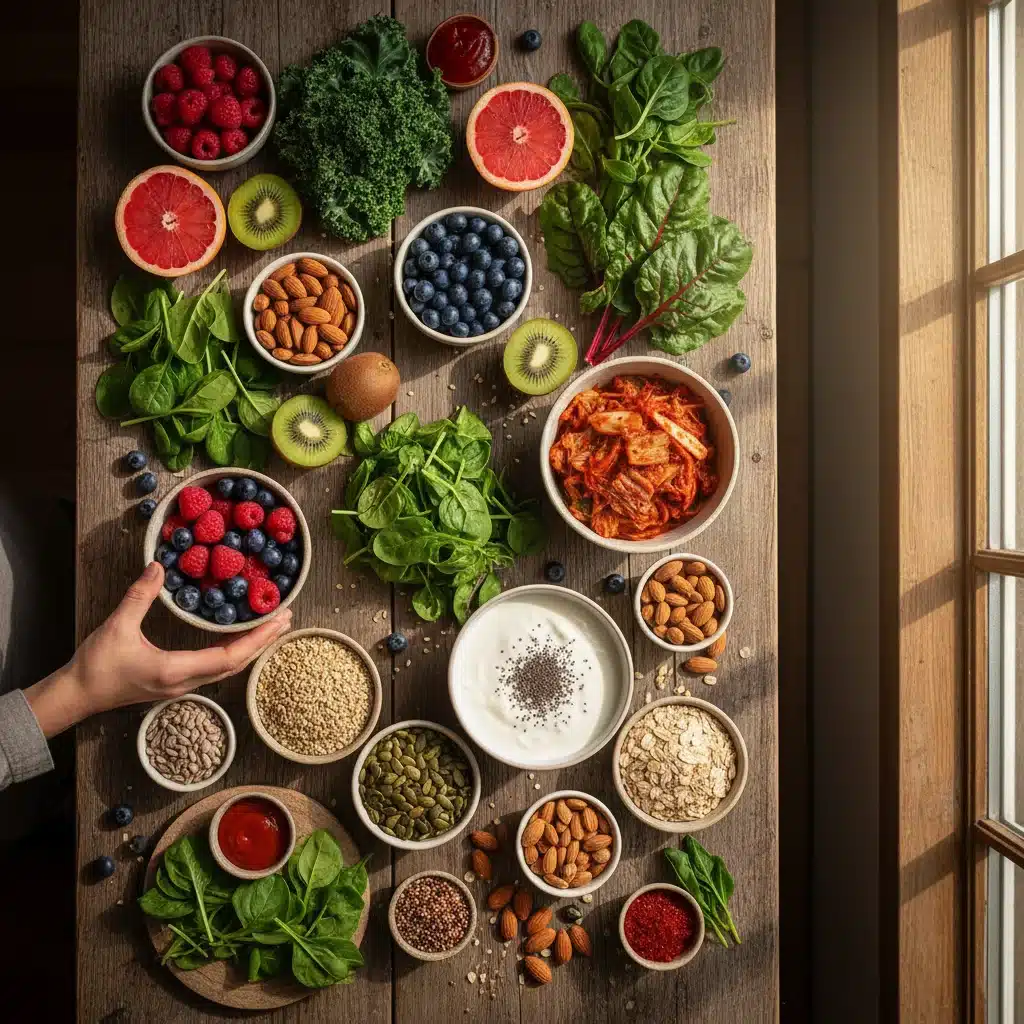
If there’s one golden rule for a healthy microbiome, it’s diversity. Your gut microbes thrive on fiber, and different types of fiber feed different strains of bacteria. Think of your gut as a garden; the more variety of plants you grow, the more diverse and resilient the ecosystem becomes. US nutritionists in 2026 are advocating for a significant increase in the variety and quantity of plant-based foods in our diets.
This means moving beyond just eating a few types of fruits and vegetables. Aim for a wide spectrum of colors, textures, and plant families. Incorporate:
- Legumes: Lentils, chickpeas, black beans, kidney beans are powerhouses of soluble and insoluble fiber.
- Whole Grains: Oats, barley, quinoa, farro, brown rice – these provide complex carbohydrates and fiber that ferment in the gut.
- Fruits: Berries, apples, pears, bananas, citrus fruits, and stone fruits offer various types of fiber, including pectin, which is excellent for gut health.
- Vegetables: Leafy greens (spinach, kale), cruciferous vegetables (broccoli, cauliflower, Brussels sprouts), root vegetables (carrots, sweet potatoes), and alliums (onions, garlic, leeks) are packed with fermentable fibers and prebiotics.
- Nuts and Seeds: Almonds, walnuts, chia seeds, flax seeds, pumpkin seeds – these add fiber, healthy fats, and micronutrients.
The goal is to consume at least 30 different plant foods per week. This might sound daunting, but it includes herbs, spices, nuts, seeds, and grains, not just main fruits and vegetables. Small changes, like adding a sprinkle of seeds to your yogurt or trying a new vegetable each week, can significantly boost your microbiome dietary changes efforts.
2. Embrace Fermented Foods for Probiotic Power
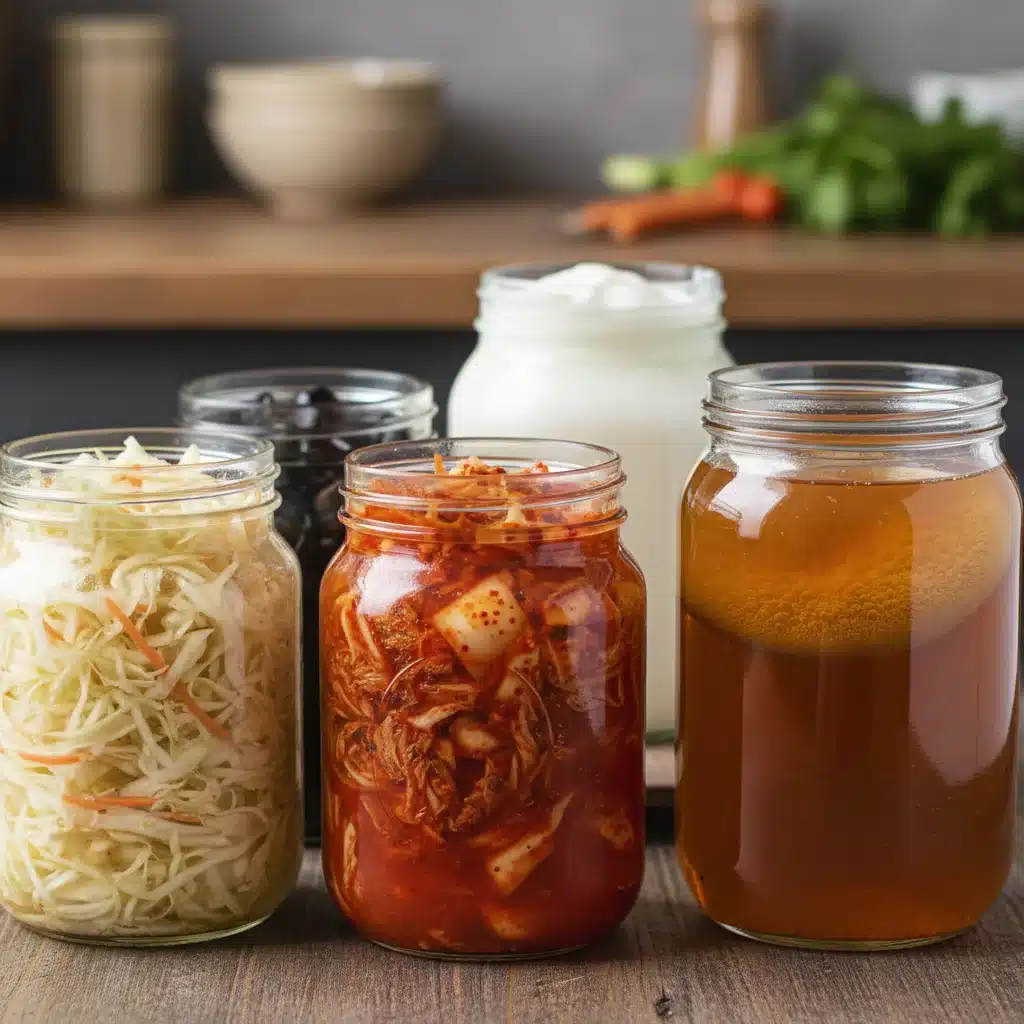
Fermented foods are perhaps the most direct way to introduce beneficial live bacteria into your gut. These foods have been a staple in human diets for millennia, and their resurgence in popularity is well-deserved. US nutritionists are increasingly recommending their regular inclusion as a cornerstone of microbiome dietary changes.
Key fermented foods to consider:
- Yogurt and Kefir: Opt for plain, unsweetened varieties with live and active cultures. These dairy (or non-dairy) products are rich in probiotics like Lactobacillus and Bifidobacterium.
- Sauerkraut and Kimchi: Fermented cabbage dishes are excellent sources of probiotics and often contain other beneficial compounds. Ensure they are unpasteurized to retain live cultures.
- Kombucha: This fermented tea offers a unique blend of bacteria and yeasts. Look for low-sugar options.
- Tempeh and Miso: Fermented soy products that contribute beneficial microbes and are also good sources of plant-based protein.
Regular consumption of fermented foods can help replenish and diversify your gut flora, potentially improving digestion, nutrient absorption, and immune response. Start with small portions and gradually increase as your body adjusts.
3. Incorporate Prebiotic-Rich Foods to Feed Your Good Bacteria
While probiotics introduce beneficial bacteria, prebiotics are the non-digestible fibers that act as food for these good bacteria already residing in your gut. Think of them as the fertilizer for your internal garden. Without prebiotics, probiotics might not thrive. This is a critical component of effective microbiome dietary changes.
Excellent sources of prebiotics include:
- Garlic and Onions: These alliums contain inulin and fructooligosaccharides (FOS).
- Leeks and Asparagus: More sources of inulin and FOS.
- Bananas: Especially slightly green bananas, which contain resistant starch.
- Oats: Rich in beta-glucan, a soluble fiber with prebiotic effects.
- Apples: Pectin in apples acts as a prebiotic.
- Chicory Root: A concentrated source of inulin, often found in supplements and some processed foods (check labels).
By consistently consuming prebiotic-rich foods, you ensure that the beneficial bacteria in your gut have the fuel they need to multiply and perform their vital functions, contributing to a robust and healthy microbiome.
4. Reduce Processed Foods, Added Sugars, and Artificial Sweeteners
Just as some foods nurture your microbiome, others can actively harm it. Processed foods, high in refined sugars, unhealthy fats, and artificial additives, are notorious for disrupting gut balance. They tend to feed less beneficial bacteria and can reduce overall microbial diversity, leading to inflammation and dysbiosis.
Added sugars, in particular, can promote the growth of yeast and other undesirable microbes, while artificial sweeteners, once thought to be harmless, are now understood to negatively impact the gut microbiome and glucose metabolism in some individuals. US nutritionists strongly advise minimizing these items as part of your microbiome dietary changes strategy.
Focus on whole, unprocessed foods. Cook more at home, read food labels diligently, and choose natural sweetness from fruits over refined sugars. This shift alone can have a profound positive effect on your gut ecosystem.
5. Opt for Healthy Fats, Especially Omega-3 Fatty Acids
The type of fats you consume can also significantly influence your gut microbiome and gut barrier function. While trans fats and excessive saturated fats can promote inflammation and negatively alter gut bacteria, healthy fats, particularly omega-3 fatty acids, are celebrated for their anti-inflammatory properties and their ability to support a healthy gut lining.
Sources of beneficial fats:
- Omega-3s: Fatty fish (salmon, mackerel, sardines), flaxseeds, chia seeds, walnuts.
- Monounsaturated Fats: Avocados, olive oil, nuts.
These fats not only help reduce systemic inflammation but can also positively influence the composition of your gut bacteria, fostering a more diverse and balanced microbiome. Integrating these fats into your daily diet is a strategic move for your microbiome dietary changes.

6. Stay Hydrated with Water (and Herbal Teas)
Often overlooked, adequate hydration is fundamental for optimal gut health. Water plays a crucial role in maintaining the integrity of the mucosal lining of the gut, which acts as a protective barrier. It also helps in the movement of food through the digestive tract and supports the environment where beneficial microbes can thrive.
Dehydration can lead to constipation and a less hospitable environment for your gut bacteria. US nutritionists emphasize plain water as the best choice, but herbal teas (like ginger, peppermint, or chamomile) can also contribute to hydration and offer additional digestive benefits. Sugary drinks, on the other hand, should be avoided as they can negatively impact the microbiome.
Aim for at least 8 glasses of water daily, adjusting based on activity level and climate. This simple, yet powerful, microbiome dietary changes recommendation supports every other aspect of gut health.
7. Consider Personalized Nutrition and Professional Guidance
While the general recommendations above apply to most individuals, the human microbiome is incredibly unique, influenced by genetics, lifestyle, environment, and diet history. What works perfectly for one person might not be ideal for another. This is where personalized nutrition, guided by professionals, becomes invaluable in 2026.
US nutritionists are increasingly utilizing advanced tools, such as gut microbiome testing, to understand an individual’s specific microbial composition. This allows for highly tailored microbiome dietary changes, focusing on specific prebiotic fibers, probiotic strains, and dietary patterns that are most likely to benefit that person’s unique gut ecosystem. If you’ve tried general approaches without significant success, or if you have specific health concerns, consulting with a registered dietitian or nutritionist specializing in gut health can provide targeted strategies and support.
They can help you navigate potential intolerances, identify specific nutrient deficiencies, and create a sustainable eating plan that promotes long-term gut health and immune resilience. This personalized approach represents the cutting edge of dietary interventions for the microbiome.
Implementing Your Microbiome Dietary Changes: A Practical Approach
Embarking on these microbiome dietary changes doesn’t mean overhauling your entire diet overnight. Sustainable change happens gradually. Here are some practical tips for integration:
- Start Small: Introduce one new fermented food or a new type of fiber-rich vegetable each week.
- Batch Cook: Prepare large batches of whole grains, legumes, or roasted vegetables to easily add to meals throughout the week.
- Spice It Up: Don’t forget herbs and spices! Many have prebiotic properties and add flavor without added sugar.
- Snack Smart: Opt for fruits, nuts, seeds, or plain yogurt instead of processed snacks.
- Listen to Your Body: Pay attention to how different foods make you feel. Your body often provides clues about what it thrives on.
- Be Consistent: The microbiome responds to consistent dietary patterns, not just occasional healthy choices.
Remember, cultivating a healthy microbiome is a journey, not a destination. There will be days when you stray from your ideal diet, and that’s perfectly fine. The key is to return to these beneficial practices consistently.
Beyond Diet: Lifestyle Factors for Microbiome Health
While diet is paramount, it’s worth noting that other lifestyle factors also play a significant role in shaping your microbiome and overall health:
- Stress Management: Chronic stress can negatively impact gut motility and barrier function, leading to dysbiosis. Practices like meditation, yoga, or spending time in nature can be beneficial.
- Adequate Sleep: Poor sleep can disrupt the gut-brain axis and impact microbial balance. Aim for 7-9 hours of quality sleep per night.
- Regular Exercise: Physical activity has been shown to increase microbial diversity and promote the growth of beneficial bacteria.
- Minimize Antibiotic Use: While sometimes necessary, antibiotics can decimate gut bacteria. Discuss alternatives with your doctor when appropriate, and always replenish with probiotics after a course of antibiotics.
- Exposure to Nature: Spending time outdoors and exposure to natural environments can introduce a wider variety of beneficial microbes.
Combining these lifestyle factors with the recommended microbiome dietary changes creates a holistic approach to nurturing your gut health and strengthening your immune system.
Conclusion: Your Path to a Healthier Microbiome in 2026
The science of the microbiome continues to unveil its vast influence on human health. As we move into 2026, the message from US nutritionists is clear: prioritizing your gut health through intentional dietary choices is one of the most powerful steps you can take for your overall well-being and immune resilience. By focusing on a diverse array of fiber-rich plant foods, embracing fermented and prebiotic-rich options, minimizing processed ingredients, opting for healthy fats, and staying hydrated, you are actively cultivating a thriving internal ecosystem.
These seven microbiome dietary changes are not just trends; they are scientifically backed strategies for long-term health. Remember to start small, be consistent, and consider personalized guidance if you need a more tailored approach. Your gut is your second brain and a cornerstone of your immune system – nourish it wisely, and it will reward you with vitality and robust health for years to come.