mRNA Vaccine Technology: 2026 US Health Preparedness & Recent Updates
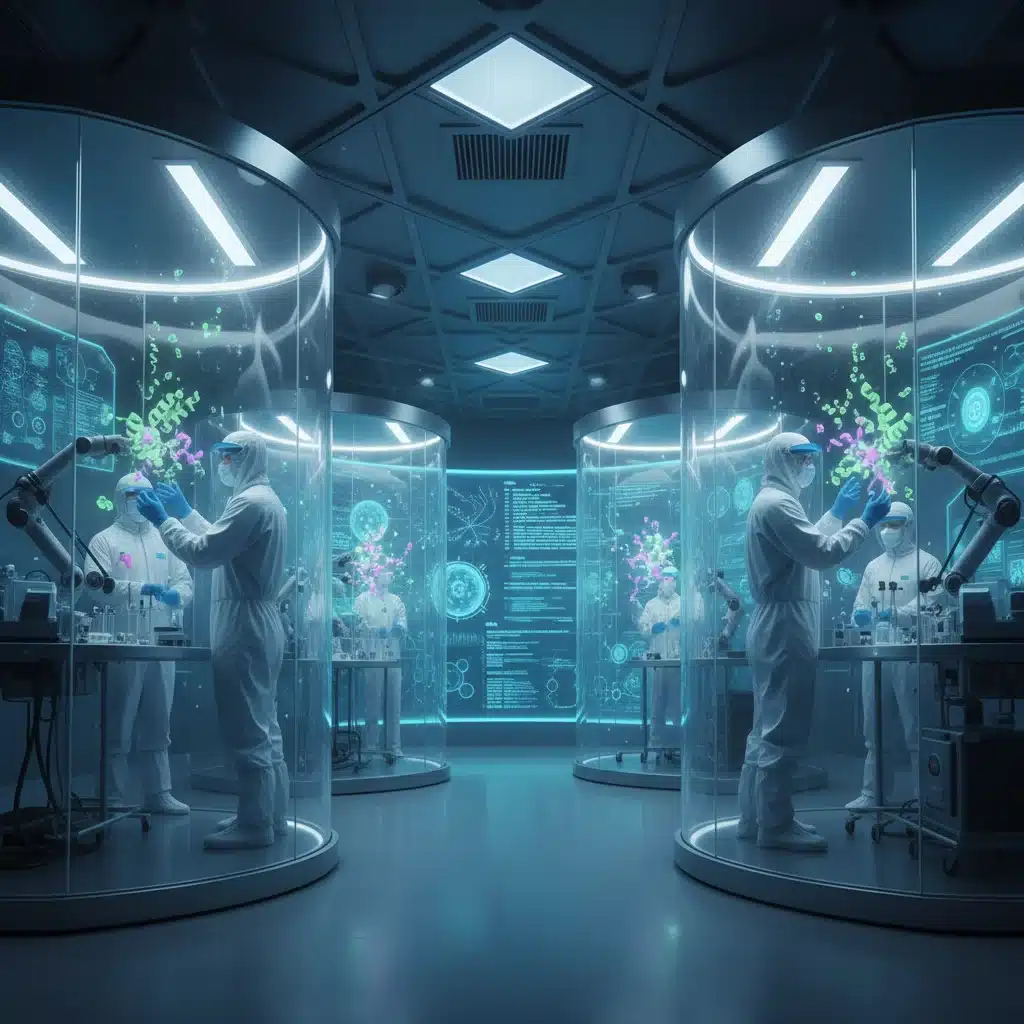
The landscape of public health is constantly evolving, and at the forefront of this transformation is mRNA vaccine technology. For US citizens looking ahead to 2026, understanding the latest developments in this field is not just a matter of scientific curiosity, but a crucial component of personal and national health preparedness. The rapid advancements in mRNA technology have reshaped our approach to infectious diseases and hold immense promise for a future where we can respond to health threats with unprecedented speed and efficacy. This comprehensive guide delves into the recent updates, practical solutions, and what these innovations mean for your health and the broader public health infrastructure.
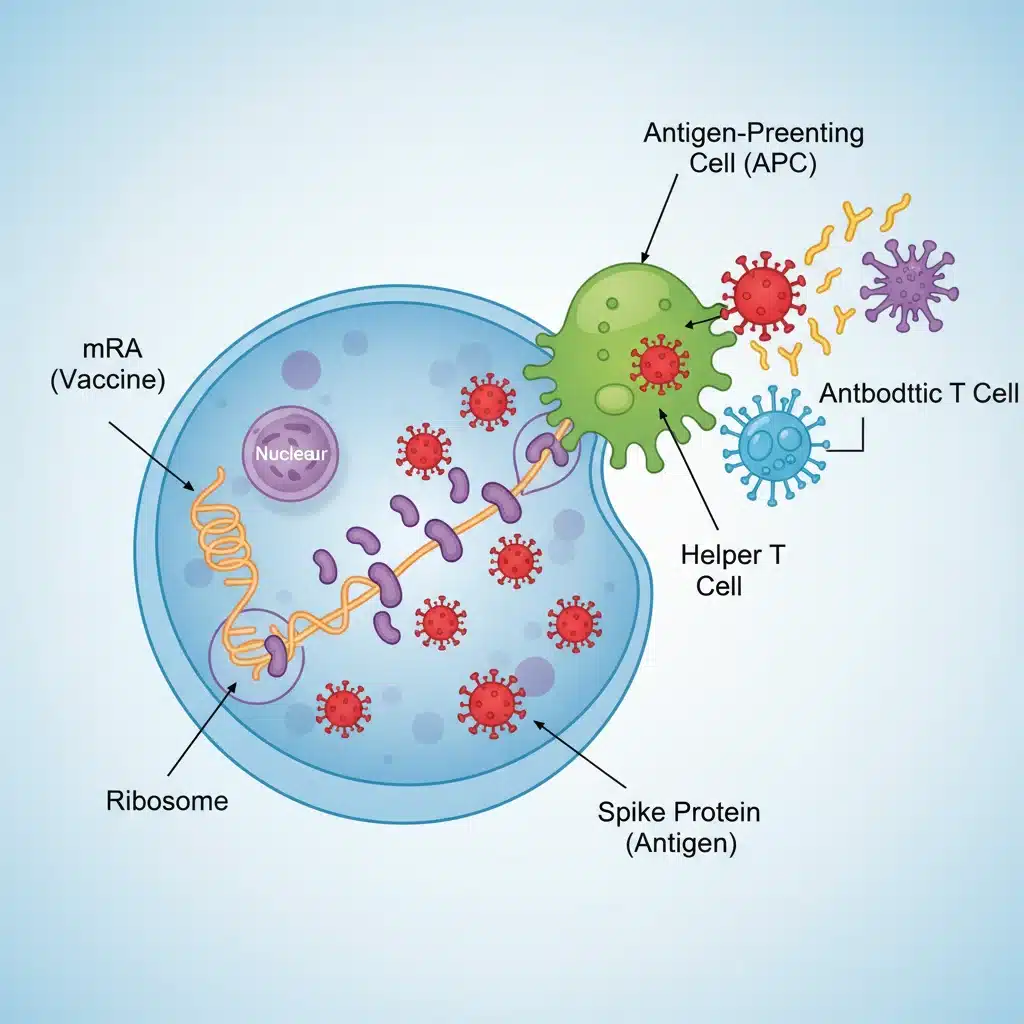
mRNA, or messenger ribonucleic acid, vaccines represent a paradigm shift from traditional vaccine development. Instead of introducing a weakened or inactivated pathogen, or even parts of a pathogen, mRNA vaccines deliver genetic instructions to our cells. These instructions teach our cells to produce a harmless piece of a virus, typically a spike protein, which then triggers an immune response. This process is highly efficient, allowing for faster development and production, which proved critical during recent global health crises. As we approach 2026, the applications of mRNA technology are expanding far beyond their initial use, promising a new era of preventative medicine.
The journey of mRNA vaccine technology from a nascent concept to a global health staple has been nothing short of remarkable. Early research faced significant hurdles, primarily related to the instability of mRNA molecules and challenges in delivering them effectively into human cells without degradation. However, decades of dedicated scientific effort, particularly in lipid nanoparticle (LNP) delivery systems and mRNA modification techniques, paved the way for the breakthroughs we’ve witnessed. These innovations made mRNA stable enough to be stored and transported, and capable of efficiently entering cells to initiate protein production. The success stories of these vaccines in combating infectious diseases have propelled further investment and research, leading to a vibrant ecosystem of innovation that continues to push the boundaries of what’s possible.
Understanding the fundamental science behind mRNA vaccine technology is key to appreciating its potential. When an mRNA vaccine is administered, the LNPs encapsulate the mRNA, protecting it from degradation and facilitating its entry into cells. Once inside, the cell’s ribosomes ‘read’ the mRNA sequence and produce the target protein, for example, the spike protein of a virus. This protein is then displayed on the cell surface, or released, prompting the immune system to recognize it as foreign. The immune system then mounts a response, producing antibodies and T-cells that can neutralize the actual virus if encountered in the future. This elegant mechanism allows the body to develop immunity without ever being exposed to the live pathogen, making mRNA vaccines exceptionally safe and effective. The precision and specificity of this approach are what make mRNA vaccine updates so exciting for 2026 health preparedness.
Recent Advancements in mRNA Vaccine Technology
The pace of innovation in mRNA vaccine technology is staggering. What started as a focused effort on infectious diseases is now branching out into multiple therapeutic areas. One of the most significant recent advancements is the development of self-amplifying mRNA (saRNA) vaccines. Unlike conventional mRNA vaccines, saRNA vaccines contain additional genetic information that allows the mRNA to replicate itself once inside the cell. This means that a much smaller dose of saRNA can produce a similar or even stronger immune response, potentially leading to lower production costs and broader accessibility. This is a game-changer for vaccine distribution and could significantly impact global health equity by 2026.
Another area of intense research and development is the creation of multiplex or multivalent mRNA vaccines. These vaccines are designed to protect against multiple variants of a pathogen or even multiple different pathogens in a single shot. For instance, researchers are actively working on mRNA vaccines that can simultaneously target different influenza strains, or even combine protection against influenza and COVID-19. This streamlined approach to vaccination could simplify public health campaigns, improve vaccine uptake, and offer more comprehensive protection against seasonal and emerging threats. Imagine a single annual shot that protects you from a range of respiratory viruses – this is the future that multiplex mRNA vaccines promise.
Beyond infectious diseases, mRNA technology is showing incredible promise in oncology. Therapeutic mRNA cancer vaccines are designed to train the immune system to recognize and attack cancer cells. By identifying specific mutations or antigens present on a patient’s tumor, scientists can design personalized mRNA vaccines that instruct the immune system to target these unique markers. Early clinical trials in various cancers, including melanoma and pancreatic cancer, have yielded encouraging results, demonstrating the potential of mRNA to revolutionize cancer treatment. While still in its early stages, the rapid progress in this field suggests that by 2026, mRNA-based cancer therapies could be a more common part of oncological care.
Furthermore, significant strides are being made in improving the stability and delivery of mRNA vaccines. Researchers are exploring novel LNP formulations and alternative delivery methods that could reduce the need for ultra-cold storage, making these vaccines more accessible in resource-limited settings. Advancements in lyophilization (freeze-drying) techniques are also contributing to longer shelf lives and easier transportation. These logistical improvements are critical for ensuring that the benefits of mRNA vaccine technology can reach every corner of the globe, enhancing overall health preparedness.
mRNA Vaccines for 2026 US Health Preparedness: What to Expect
As we look towards 2026, mRNA vaccine technology will play an increasingly central role in US health preparedness strategies. The lessons learned from recent pandemics have underscored the importance of agility and speed in vaccine development and deployment. mRNA platforms excel in this regard, allowing for rapid adaptation to new variants and emerging pathogens. This inherent flexibility means that public health authorities can respond to novel threats much faster than with traditional vaccine technologies, significantly bolstering national security against biological risks.
One of the most anticipated developments is the potential for universal vaccines. Researchers are actively pursuing mRNA vaccines that could offer broad protection against entire families of viruses, such as all influenza strains or all coronaviruses. This would be a monumental achievement, potentially eliminating the need for annual vaccine updates and providing more robust, long-lasting immunity. While a truly universal vaccine may still be a few years away, significant progress is expected by 2026, with candidates entering advanced clinical trials.
The integration of mRNA vaccine technology into routine healthcare is also anticipated to deepen. Beyond seasonal flu shots, we may see mRNA vaccines for other common infectious diseases where current vaccines are less effective or have limitations. This could include vaccines for respiratory syncytial virus (RSV), cytomegalovirus (CMV), and even certain sexually transmitted infections. The expanded portfolio of mRNA vaccines will offer healthcare providers more tools to protect their patients and reduce the burden of preventable diseases on the healthcare system.
Another crucial aspect of 2026 health preparedness will be the continued investment in domestic mRNA manufacturing capabilities. The experience of relying on global supply chains during a crisis highlighted the need for robust in-country production. The US government and private sector are actively working to establish and scale up mRNA vaccine manufacturing facilities within the United States. This will ensure a reliable and rapid supply of vaccines in times of need, reducing dependence on international partners and strengthening national health security.
Practical Solutions and Applications for US Citizens
For the average US citizen, the advancements in mRNA vaccine technology translate into practical benefits and new ways to safeguard their health. The most immediate impact will likely be felt in the realm of infectious disease prevention. Expect to see a wider array of mRNA vaccines available for various pathogens, potentially reducing the frequency and severity of outbreaks. Staying informed about recommended vaccination schedules and discussing these options with your healthcare provider will be more important than ever.
The speed of mRNA vaccine development also means that in the face of new variants or emerging pathogens, a vaccine can be developed, tested, and potentially deployed much faster. This rapid response capability offers a significant layer of protection against unforeseen health crises. Citizens should remain vigilant about public health advisories and be prepared to act quickly if new vaccine recommendations are issued. The ability to quickly produce targeted mRNA vaccine updates is a cornerstone of this preparedness.
Beyond traditional vaccines, the potential for personalized medicine using mRNA technology is on the horizon. While personalized cancer vaccines are still largely experimental, the underlying principles could eventually extend to other areas. Imagine a future where your genetic profile or specific health risks could inform a tailored mRNA therapeutic to prevent or treat a particular condition. This level of precision medicine, while not mainstream by 2026, will be an area of exciting development to watch.
Furthermore, the ongoing research into mRNA-based therapies for autoimmune diseases and genetic disorders offers a glimmer of hope for conditions that currently have limited treatment options. By delivering mRNA that instructs cells to produce missing proteins or to regulate immune responses, scientists aim to address the root causes of these conditions. While these applications are further off, the groundwork being laid now will shape the future of medicine for decades to come, bringing a new dimension to health preparedness beyond just infectious diseases.
Addressing Concerns and Building Trust
As with any rapidly advancing technology, there are legitimate questions and concerns surrounding mRNA vaccine technology. Transparency, clear communication, and robust scientific oversight are paramount to building and maintaining public trust. It’s crucial for US citizens to have access to accurate, evidence-based information to make informed decisions about their health.
One common area of concern revolves around the novelty of the technology. While mRNA vaccines gained prominence recently, the underlying research has been ongoing for decades. The rapid development during the pandemic was a culmination of years of foundational science, not a rushed, untested process. Regulatory bodies like the FDA rigorously evaluate the safety and efficacy of all vaccines, including mRNA vaccines, through extensive clinical trials and ongoing post-market surveillance. These processes are designed to ensure that only safe and effective products are approved for public use.
Another aspect often discussed is the potential for long-term side effects. While all vaccines can have temporary side effects, serious long-term effects from vaccines are extremely rare. The components of mRNA vaccines are quickly degraded and eliminated by the body, meaning the mRNA itself does not persist. The immune response triggered is similar to that of a natural infection, but without the risks associated with the actual pathogen. Continuous monitoring and research provide ongoing data to reassure the public about the long-term safety profile of these vaccines.
Misinformation and disinformation remain significant challenges. It’s essential for individuals to seek information from credible sources such as the Centers for Disease Control and Prevention (CDC), the National Institutes of Health (NIH), the World Health Organization (WHO), and their trusted healthcare providers. Critical thinking and a healthy skepticism towards unverified claims are vital in navigating the complex information landscape surrounding health topics. Public health campaigns and educational initiatives will play a critical role in 2026 preparedness by ensuring accurate information reaches all citizens.
The Economic and Societal Impact
The widespread adoption and continued evolution of mRNA vaccine technology will have profound economic and societal impacts on the United States. From an economic perspective, the ability to rapidly develop and deploy vaccines can mitigate the devastating financial costs associated with pandemics and large-scale disease outbreaks. Reduced healthcare burdens, fewer lost workdays, and stabilized economic activity all contribute to a more resilient nation. Investing in mRNA research and manufacturing also creates high-skilled jobs and fosters innovation within the biotechnology sector, driving economic growth.
Societally, mRNA vaccines contribute to a healthier, more secure population. By reducing the incidence and severity of infectious diseases, they improve overall quality of life, reduce mortality rates, and alleviate stress on healthcare systems. This allows resources to be directed towards other pressing health challenges and promotes greater societal stability. The promise of mRNA technology in treating cancer and other chronic diseases could further revolutionize healthcare, offering new hope and extending healthy lifespans for millions.
However, equitable access to these advanced technologies remains a critical societal challenge. Ensuring that all US citizens, regardless of socioeconomic status, geographic location, or demographic background, have fair access to mRNA vaccines and therapies is paramount. Public health policies, insurance coverage, and community outreach programs will need to be carefully designed to address potential disparities and ensure that the benefits of these innovations are broadly shared. This focus on equity will be a key component of effective 2026 health preparedness.

Looking Ahead: The Future of mRNA
The journey of mRNA vaccine technology is far from over; in many ways, it’s just beginning. Beyond vaccines, researchers are exploring mRNA for gene editing applications, regenerative medicine, and even as a delivery system for therapeutic antibodies. The versatility of mRNA as a biological instruction set means its potential applications are vast and continuously expanding. By 2026, we might see initial clinical trials for mRNA therapies targeting conditions like cystic fibrosis or even certain neurological disorders.
Continuous investment in fundamental research will be crucial to unlock the full potential of mRNA. This includes funding for basic science to better understand mRNA biology, immunology, and nanotechnology for improved delivery systems. Public-private partnerships will also play a vital role in translating scientific discoveries into practical health solutions that benefit the public. The collaboration seen during the pandemic set a precedent for accelerated development that can be leveraged for future innovations.
For US citizens, staying engaged and informed about these developments will be increasingly important. Participating in public health discussions, supporting scientific research, and advocating for policies that promote equitable access to healthcare innovations are all ways to contribute to a healthier future. The advancements in mRNA vaccine technology are not just for scientists and doctors; they are for everyone, offering a powerful tool in our collective efforts to build a more resilient and healthier society.
In conclusion, mRNA vaccine technology stands as a beacon of scientific progress, offering unprecedented capabilities in disease prevention and treatment. As we prepare for 2026, understanding the recent mRNA vaccine updates is essential for every US citizen. These advancements promise a future of enhanced health preparedness, rapid response to emerging threats, and potentially revolutionary treatments for a wide range of diseases. By embracing innovation, fostering trust through transparency, and ensuring equitable access, the United States can harness the full power of mRNA technology to build a healthier and more secure future for all its citizens.