Blockchain in Business: Unlocking New Efficiencies for US Supply Chains by 2027

Blockchain in Business: Unlocking New Efficiencies for US Supply Chains by 2027
The landscape of global commerce is perpetually evolving, driven by an insatiable demand for speed, accuracy, and accountability. In the United States, businesses are constantly seeking innovative solutions to optimize their operations, particularly within the complex and often opaque realm of supply chains. Enter blockchain technology, a distributed ledger system that promises to revolutionize how goods and services move from origin to destination. By 2027, blockchain is not just a buzzword; it is set to become an indispensable tool for enhancing the efficiency, transparency, and resilience of US supply chains. This article will delve into the transformative potential of blockchain supply chain US applications, exploring how this groundbreaking technology addresses long-standing challenges and paves the way for a more streamlined and trustworthy business environment.
The traditional supply chain, often characterized by fragmented data, manual processes, and a lack of real-time visibility, is ripe for disruption. From raw material sourcing to final product delivery, every step involves multiple intermediaries, each with its own record-keeping system. This siloed approach creates inefficiencies, increases the risk of errors, and makes it incredibly difficult to trace products or verify their authenticity. Consumers and regulators alike are demanding greater transparency, particularly concerning ethical sourcing, sustainability, and product safety. The current infrastructure often falls short, leading to costly recalls, reputational damage, and a general erosion of trust.
Blockchain technology, with its immutable and decentralized ledger, offers a compelling solution. Imagine a system where every transaction, every movement of goods, and every change in ownership is recorded securely and transparently, accessible to all authorized participants in real-time. This is the promise of blockchain in business, particularly for the intricate web of US supply chains. By creating a single, verifiable source of truth, blockchain eliminates the need for intermediaries, reduces paperwork, and accelerates the flow of information. This translates directly into enhanced operational efficiency, reduced costs, and improved decision-making across the entire supply chain.
Understanding the Core Principles of Blockchain for Supply Chains
Before we explore specific applications, it’s crucial to grasp the fundamental principles that make blockchain so powerful for supply chain management. At its heart, blockchain is a distributed, immutable ledger that records transactions in a secure and verifiable manner. Each ‘block’ in the chain contains a timestamped batch of transactions, and once a block is added, it cannot be altered or deleted. This inherent immutability is a game-changer for industries where trust and data integrity are paramount.
Key characteristics that drive its utility for blockchain supply chain US operations include:
- Decentralization: Unlike traditional systems where a central authority controls the data, blockchain distributes the ledger across a network of participants. This eliminates single points of failure and reduces the risk of data manipulation.
- Transparency: All authorized participants can view the same ledger, providing an unprecedented level of transparency regarding product origins, movements, and transformations. This fosters trust and accountability among all stakeholders.
- Immutability: Once a transaction is recorded on the blockchain, it cannot be changed. This ensures the integrity of the data and provides an indisputable audit trail for every asset in the supply chain.
- Security: Cryptographic hashing and consensus mechanisms protect the data from tampering and unauthorized access, making blockchain an exceptionally secure platform for sensitive supply chain information.
- Traceability: Every step of a product’s journey, from its raw materials to its final destination, can be meticulously tracked and verified. This is invaluable for quality control, compliance, and combating counterfeiting.
These principles collectively address many of the chronic pain points in traditional supply chains. The ability to track every item, verify its authenticity, and ensure ethical sourcing becomes not just a possibility, but a standard operating procedure. For US businesses navigating complex regulatory landscapes and consumer demands, blockchain offers a robust framework for achieving these goals.
The Current State of US Supply Chains and the Need for Transformation
The COVID-19 pandemic exposed significant vulnerabilities within global and, by extension, US supply chains. Disruptions in manufacturing, shipping delays, and labor shortages highlighted the urgent need for greater resilience and adaptability. Even before the pandemic, US businesses faced challenges such as:
- Lack of End-to-End Visibility: Many companies struggle to gain a holistic view of their supply chain, leading to blind spots and delayed responses to disruptions.
- Inefficient Data Exchange: Manual data entry, disparate systems, and reliance on paper-based records create bottlenecks and increase the likelihood of errors.
- Counterfeiting and Fraud: The US market is particularly susceptible to counterfeit goods, which not only harm brands but also pose risks to consumer safety.
- Compliance and Regulatory Burdens: Adhering to diverse regulations, especially in industries like food and pharmaceuticals, requires extensive documentation and auditing, often a time-consuming and costly process.
- Sustainability and Ethical Sourcing: Consumers and stakeholders are increasingly demanding transparency regarding the environmental and social impact of products, pushing businesses to verify their sourcing practices.
These challenges underscore why the adoption of blockchain supply chain US solutions is becoming not just an advantage, but a necessity. The technology offers a pathway to transform these weaknesses into strengths, fostering a more robust, transparent, and responsive supply chain ecosystem capable of meeting the demands of the 21st century.
Practical Application 1: Enhanced Traceability and Product Authentication
One of the most immediate and impactful applications of blockchain in US supply chains is its ability to provide unparalleled traceability and product authentication. Imagine a consumer scanning a QR code on a product and instantly accessing a complete, immutable history of that item – from the farm where its ingredients were grown, through every manufacturing stage, to its shipping details and final retail location. This level of transparency is precisely what blockchain enables.
For industries like food and agriculture, this means consumers can verify the origin of their produce, ensuring it meets specific organic or fair-trade standards. In the pharmaceutical sector, it can combat counterfeit drugs by providing an auditable trail for every medication, from production to patient. This not only protects consumers but also safeguards brand reputation and reduces the financial burden of recalls.
Companies are already leveraging blockchain for this purpose. For instance, major food retailers are using blockchain to trace products from farm to fork, drastically reducing the time it takes to identify and isolate contaminated items during a recall from weeks to mere seconds. This rapid response minimizes health risks and financial losses.
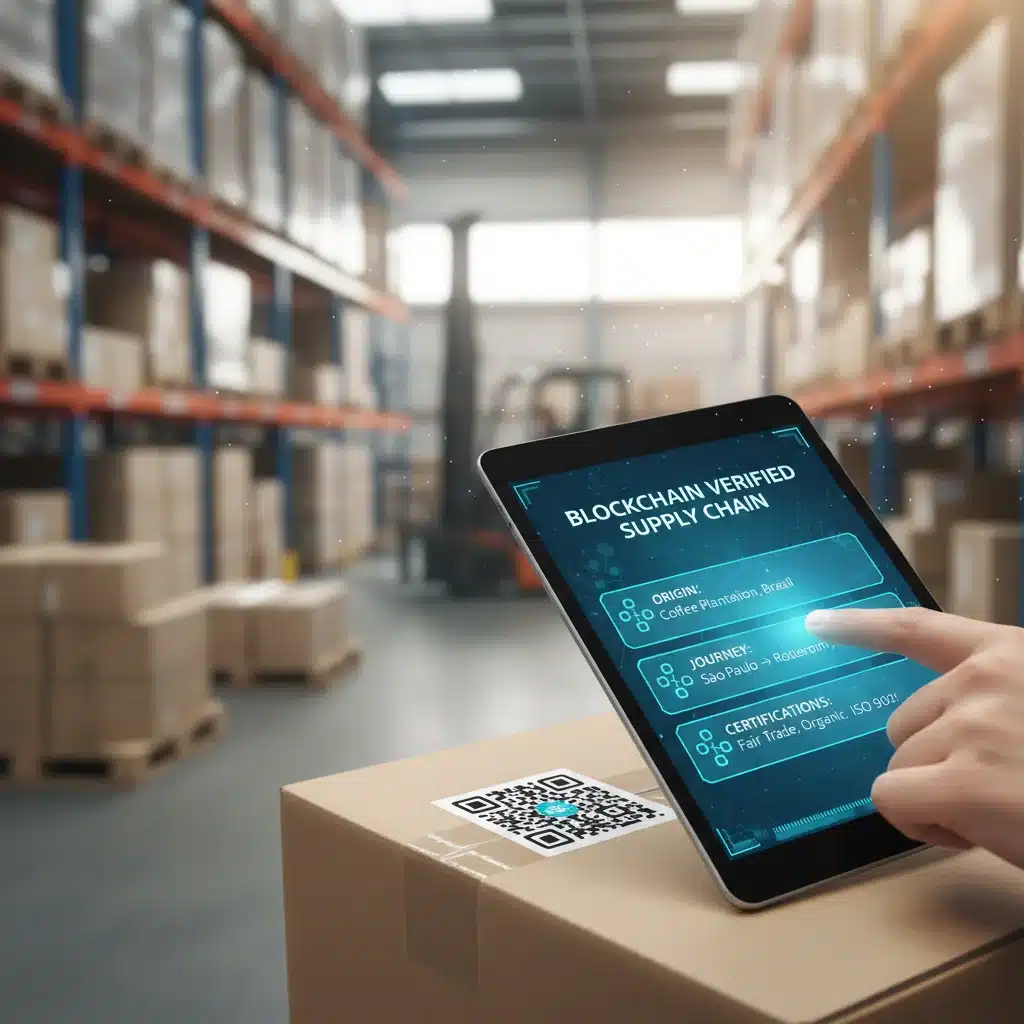
How it Works in Practice:
- Unique Identifiers: Each product, or even each component, is assigned a unique digital identity, often linked to a QR code or RFID tag.
- Event Recording: At each significant point in the supply chain (e.g., harvesting, manufacturing, packaging, shipping, customs clearance), data related to that event is recorded as a transaction on the blockchain. This includes timestamps, locations, responsible parties, and quality control checks.
- Immutable Ledger: Once recorded, this data becomes an immutable part of the product’s history, verifiable by all authorized parties.
- Consumer Access: Consumers can scan a code to access a curated portion of this history, providing them with confidence in the product’s authenticity and provenance.
By 2027, widespread adoption of blockchain for traceability will be a competitive differentiator for US businesses. It will not only meet growing consumer demand for transparency but also enhance regulatory compliance and significantly reduce the economic impact of counterfeiting and product recalls across various sectors.
Practical Application 2: Streamlined Payments and Financial Transactions
The financial aspect of supply chains is often fraught with inefficiencies, delays, and high transaction costs. International payments, in particular, can take days to clear, involve multiple banks, and incur significant fees. Blockchain technology offers a more efficient and secure alternative for managing payments and other financial transactions within the supply chain.
Smart contracts, self-executing contracts with the terms of the agreement directly written into code, are at the heart of this application. These contracts can automatically trigger payments when predefined conditions are met – for example, when goods arrive at a certain location, pass a quality inspection, or clear customs. This eliminates manual processing, reduces the need for intermediaries, and accelerates the flow of funds, benefiting both suppliers and buyers.
For US businesses engaged in global trade, this means faster settlement times, reduced foreign exchange risks, and lower transaction costs. Suppliers, especially small and medium-sized enterprises (SMEs), can gain quicker access to capital, improving their cash flow and operational stability. This fosters stronger, more reliable relationships across the supply chain.
Benefits for US Supply Chain Payments:
- Faster Settlements: Payments can be processed and settled almost instantaneously, rather than taking days.
- Reduced Costs: Eliminates intermediary fees and reduces administrative overhead associated with manual payment processing.
- Enhanced Security: Cryptographic security of blockchain transactions minimizes the risk of fraud and errors.
- Automated Compliance: Smart contracts can be programmed to ensure payments are only released upon verification of compliance with contractual terms, such as delivery or quality standards.
- Improved Cash Flow: Suppliers receive payments more quickly, which is crucial for operational health and growth.
The integration of blockchain-based payment systems and smart contracts will significantly improve financial liquidity and trust within US supply chains by 2027, making cross-border transactions smoother and more predictable.
Practical Application 3: Optimized Inventory Management and Demand Forecasting
Effective inventory management is critical for profitability, yet it remains a significant challenge for many businesses. Overstocking leads to high carrying costs and obsolescence, while understocking results in lost sales and customer dissatisfaction. Traditional inventory systems often suffer from delayed updates and a lack of real-time data, making accurate demand forecasting difficult.
Blockchain can provide a single, shared, and continuously updated record of inventory levels across the entire supply chain. As products move, are sold, or are consumed, these changes are instantly recorded on the distributed ledger. This real-time visibility allows all authorized participants – from manufacturers to distributors to retailers – to have an accurate understanding of available stock at any given moment.
With precise, real-time inventory data, businesses can implement more sophisticated inventory management strategies. This includes just-in-time (JIT) delivery systems, which reduce the need for large inventories, and more accurate demand forecasting models. Predictive analytics, when fed with reliable, blockchain-verified data, can anticipate fluctuations in demand with greater precision, allowing for optimized production schedules and reduced waste.
Impact on US Supply Chain Efficiency:
- Real-time Inventory Visibility: Eliminates discrepancies and provides an accurate, up-to-the-minute view of stock levels across the network.
- Reduced Holding Costs: Enables more efficient inventory levels, minimizing storage expenses and the risk of obsolescence.
- Improved Demand Forecasting: Reliable, shared data enhances the accuracy of predictive models, leading to better production and procurement decisions.
- Automated Replenishment: Smart contracts can trigger automatic reorder processes when inventory falls below a certain threshold, streamlining operations.
- Waste Reduction: Better matching of supply with demand leads to less waste throughout the supply chain, aligning with sustainability goals.
By 2027, the integration of blockchain for inventory management will lead to leaner, more responsive, and more sustainable US supply chains, significantly boosting operational efficiency and reducing costs across various industries.
Challenges and Considerations for Blockchain Adoption in US Supply Chains
While the benefits of blockchain for blockchain supply chain US applications are compelling, its widespread adoption is not without challenges. Businesses must carefully consider several factors:
- Interoperability: One of the biggest hurdles is ensuring that different blockchain platforms and existing legacy systems can seamlessly communicate and exchange data. Standards for interoperability are still evolving.
- Scalability: Public blockchains, while highly secure, can sometimes struggle with transaction speed and volume, which is critical for high-frequency supply chain operations. Private or permissioned blockchains often offer better scalability but may come with trade-offs in decentralization.
- Regulatory Clarity: The regulatory landscape for blockchain technology is still developing in the US and globally. Businesses need clear guidelines regarding data privacy, smart contract enforceability, and digital asset classification.
- Cost of Implementation: Initial investment in blockchain technology, including infrastructure, development, and integration with existing systems, can be substantial.
- Talent Gap: There is a shortage of skilled professionals with expertise in blockchain development, implementation, and management.
- Change Management: Implementing blockchain requires significant organizational change, including new processes, training for employees, and collaboration with supply chain partners.
- Data Privacy: While blockchain offers transparency, ensuring sensitive commercial data remains private while other data is shared requires careful design of permissioned networks and data encryption strategies.
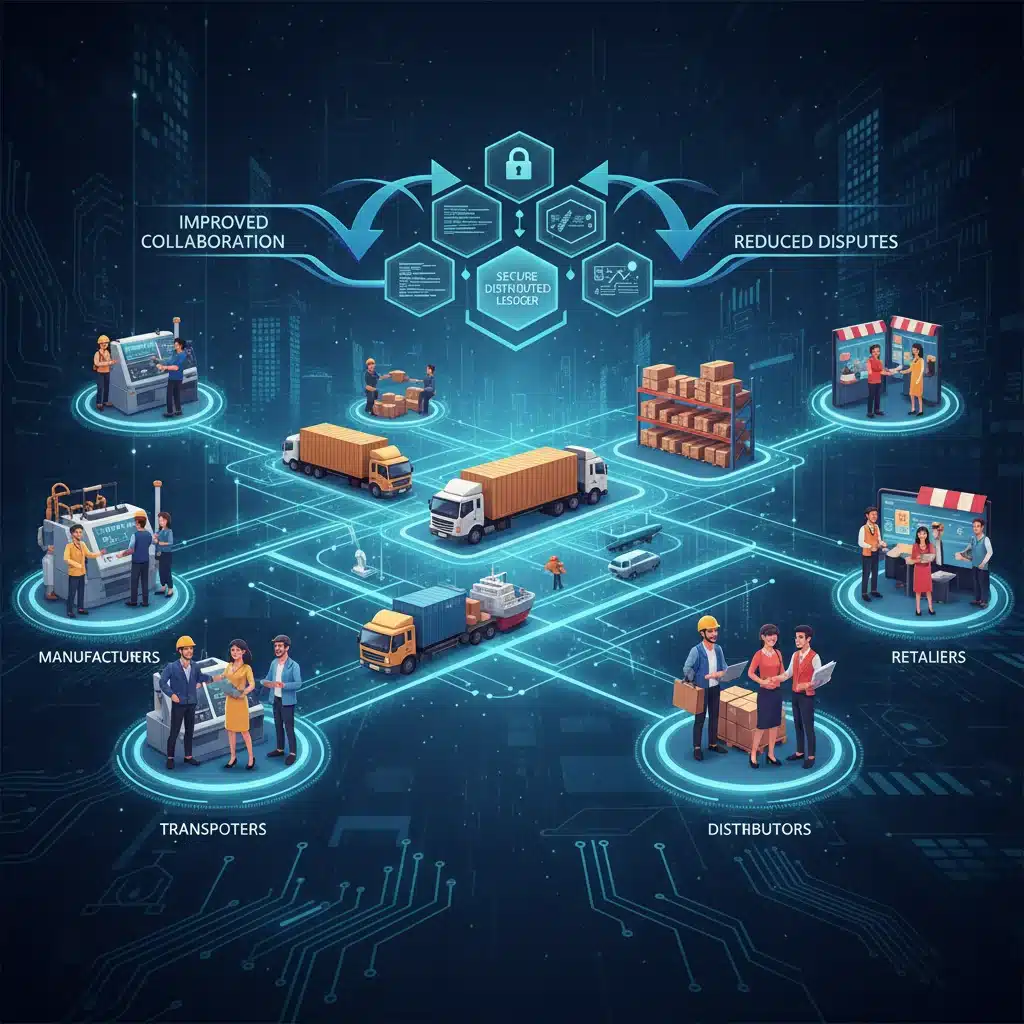
Overcoming the Hurdles:
Addressing these challenges requires a concerted effort from technology providers, businesses, and policymakers. Industry consortia are forming to develop standards, and pilot programs are demonstrating the feasibility and benefits of blockchain in real-world supply chain scenarios. Strategic partnerships, phased implementation, and a focus on solving specific pain points rather than attempting a complete overhaul can make the adoption process more manageable.
Despite these hurdles, the momentum behind blockchain in business, particularly within US supply chains, is undeniable. The long-term benefits in terms of efficiency, cost savings, and competitive advantage are proving too significant to ignore.
The Future of Blockchain in US Supply Chains by 2027 and Beyond
By 2027, we anticipate a significant maturation and broader adoption of blockchain technology across various sectors of US supply chains. The initial pilot projects and proof-of-concepts will have evolved into established operational frameworks, driving tangible improvements in key performance indicators.
We can expect to see:
- Increased Standardization: Industry-specific blockchain consortia will have established more robust standards and protocols, facilitating greater interoperability and easier integration for new participants.
- Hybrid Blockchain Models: A combination of public and private blockchains will become more common, leveraging the security of public networks for certain data elements while maintaining privacy and scalability with permissioned ledgers for sensitive business information.
- AI and IoT Integration: Blockchain will increasingly be integrated with other emerging technologies like Artificial Intelligence (AI) and the Internet of Things (IoT). IoT devices will feed real-time data (e.g., temperature, location) directly onto the blockchain, while AI will analyze this immutable data to provide deeper insights for demand forecasting, risk management, and predictive maintenance.
- Sustainability and ESG Reporting: Blockchain will play a crucial role in enabling transparent and verifiable reporting for environmental, social, and governance (ESG) initiatives. Companies will use it to track carbon footprints, verify ethical labor practices, and prove sustainable sourcing, meeting growing investor and consumer demands.
- Greater Regulatory Support: As the technology matures, regulatory bodies will likely provide clearer frameworks, fostering a more stable environment for innovation and investment in blockchain supply chain solutions.
- Widespread Adoption in Key Sectors: While early adoption focuses on high-value and high-risk goods (e.g., pharmaceuticals, luxury items, food), by 2027, blockchain’s utility will spread to more commoditized goods, driven by cost efficiencies and competitive pressures.
The journey towards a fully digitized and blockchain-enabled US supply chain is complex, but the trajectory is clear. The technology offers a pathway to not just incremental improvements, but fundamental shifts in how businesses operate, collaborate, and build trust. Those who embrace and strategically implement blockchain now will be best positioned to thrive in the increasingly interconnected and demanding global marketplace of tomorrow.
Conclusion: Embracing the Blockchain Revolution for US Supply Chains
The promise of blockchain in business for US supply chains is immense. From enhancing traceability and ensuring product authenticity to streamlining financial transactions and optimizing inventory management, the technology offers a comprehensive solution to many of the industry’s most persistent challenges. By 2027, blockchain will move beyond its nascent stages to become a cornerstone of efficient, transparent, and resilient supply chain operations across the United States.
While challenges related to interoperability, scalability, and regulatory clarity persist, the ongoing advancements and increasing industry collaboration suggest a future where these hurdles are systematically addressed. Businesses that proactively explore and implement blockchain supply chain US solutions will gain a significant competitive advantage, demonstrating a commitment to innovation, integrity, and operational excellence. The era of opaque, inefficient supply chains is drawing to a close, replaced by a new paradigm of shared truth and unparalleled visibility, all powered by the transformative potential of blockchain technology.
The time for US businesses to engage with blockchain is now. Investing in this technology is not merely an upgrade; it is a strategic imperative for future-proofing supply chains, building stronger relationships with partners and consumers, and ultimately, ensuring sustained growth and success in a rapidly changing world.