Decoding Gen Z: 7 Cultural Shifts Impacting American Consumer Behavior by 2026

Understanding the evolving landscape of consumer behavior is paramount for any business aiming for sustained success. As we approach 2026, one demographic stands out as a powerful, yet often misunderstood, force shaping the future of commerce: Generation Z. Born roughly between 1997 and 2012, this cohort of ‘digital natives’ is not just a younger version of millennials; they possess distinct values, expectations, and purchasing habits that are fundamentally reshaping the American marketplace. Ignoring these shifts is not an option; embracing and adapting to them is a strategic imperative. This article, focusing on Gen Z Consumer Behavior, will meticulously explore seven pivotal cultural shifts that are poised to define their interactions with brands and products by 2026, providing a roadmap for businesses to thrive in this new era.
The Digital Native Advantage: Seamless Integration of Online and Offline
One of the most defining characteristics of Gen Z is their inherent digital fluency. Unlike previous generations who adopted technology, Gen Z grew up with it. The internet, smartphones, and social media are not tools but extensions of their daily lives. This seamless integration of online and offline experiences profoundly impacts their consumer journey. For Gen Z, there’s no real distinction between browsing a product on Instagram and physically touching it in a store; it’s all part of a single, fluid experience. By 2026, this expectation for seamlessness will only intensify.
What does this mean for Gen Z Consumer Behavior? Firstly, brands must ensure a consistent and optimized experience across all touchpoints. A clunky website, a non-responsive mobile app, or a disconnected in-store experience will quickly deter this generation. They expect to move effortlessly from discovering a product on TikTok to reading reviews, comparing prices, and making a purchase, all within a few taps. Augmented reality (AR) and virtual reality (VR) will play increasingly significant roles, allowing Gen Z to ‘try on’ clothes virtually, visualize furniture in their homes, or experience products in immersive digital environments before committing to a purchase.
Moreover, the rise of social commerce is inextricably linked to this digital native advantage. Platforms like Instagram Shopping, TikTok Shop, and live stream shopping events are not just novelties; they are becoming primary retail channels for Gen Z. Brands that successfully integrate these platforms into their sales strategy, offering direct purchasing options within the social media environment, will gain a significant competitive edge. The emphasis is on convenience, instant gratification, and a frictionless path to purchase, all facilitated by their innate comfort with digital interfaces.
Authenticity Over Perfection: The Rise of ‘Real’ Brands
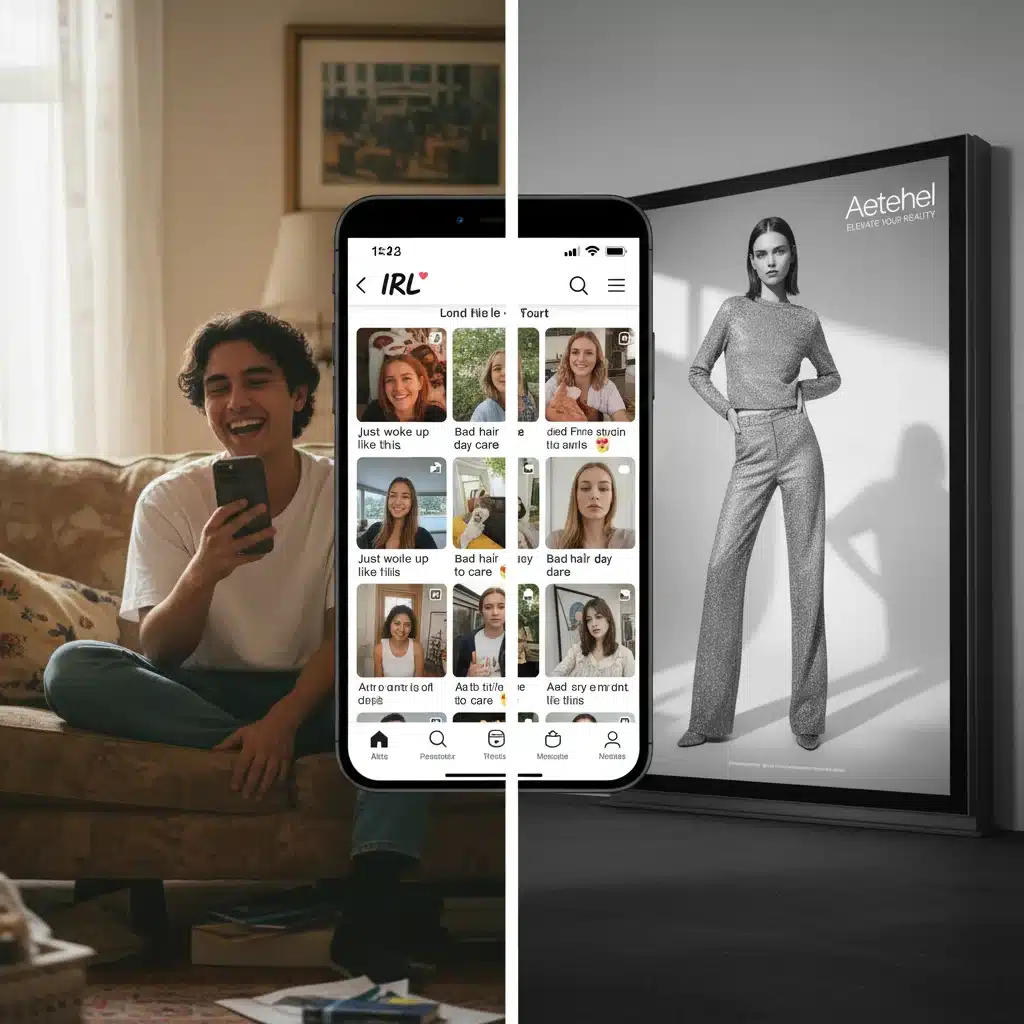
Gone are the days when highly polished, aspirational marketing alone captivated young consumers. Gen Z, having grown up in a world saturated with advertising and influencer culture, possesses a sophisticated BS detector. They crave authenticity, transparency, and relatability from the brands they engage with. This cultural shift profoundly influences their Gen Z Consumer Behavior.
By 2026, brands that embrace imperfection, share behind-the-scenes glimpses, and feature diverse, real people in their campaigns will resonate far more deeply than those clinging to an overly curated image. This means moving away from heavily Photoshopped models and towards content that reflects the true diversity and experiences of their target audience. User-generated content (UGC) is a goldmine for authenticity. Encouraging customers to share their experiences, reviews, and creative uses of products not only builds trust but also provides a continuous stream of relatable marketing material.
Furthermore, transparency extends to a brand’s values and practices. Gen Z wants to know how products are made, where materials are sourced, and what ethical standards a company upholds. Brands that are honest about their challenges, admit mistakes, and actively work towards improvement will earn more respect than those that project an image of infallible perfection. This shift demands a more human approach to branding, where genuine connection and shared values take precedence over slick advertising.
Purpose-Driven Consumption: Values Guiding Purchasing Decisions
More than any previous generation, Gen Z is driven by purpose. Their purchasing decisions are increasingly intertwined with their personal values, particularly concerning social justice, environmental sustainability, and ethical business practices. This isn’t just a trend; it’s a fundamental aspect of Gen Z Consumer Behavior that will only strengthen by 2026.
Brands that demonstrate a genuine commitment to causes beyond profit will attract and retain Gen Z customers. This means more than just making a one-off donation; it requires integrating purpose into the core of their business model. Whether it’s sustainable sourcing, fair labor practices, carbon neutrality, or advocating for social change, Gen Z expects brands to take a stand and act on their stated values. They are quick to call out ‘greenwashing’ or ‘woke-washing’ – performative gestures without genuine commitment.
Companies need to articulate their mission clearly and demonstrate tangible impact. Storytelling around their purpose, showcasing real-world initiatives, and partnering with credible non-profits can build trust and loyalty. Conversely, brands perceived as exploitative, environmentally irresponsible, or socially unjust will face significant backlash and a rapid decline in their appeal to this value-driven generation. Their purchasing power becomes a tool for expressing their beliefs and supporting the kind of world they want to see.
The Experience Economy: Prioritizing Moments Over Material Possessions
While Gen Z certainly buys products, there’s a growing emphasis on experiences. This cultural shift sees them prioritizing unique moments, personal growth, and memorable adventures over the mere accumulation of material goods. This has significant implications for Gen Z Consumer Behavior, especially as they mature and gain more disposable income.
By 2026, brands across various sectors will need to think beyond just selling products and consider how they can offer or facilitate experiences. For retailers, this might mean creating immersive in-store environments, hosting workshops, or curating events that foster community. Travel and hospitality industries are already well-positioned, but they need to tailor offerings to Gen Z’s desire for authentic, personalized, and often sustainable travel experiences.
Even product-focused companies can adapt by emphasizing the experiences their products enable. For example, a sports brand isn’t just selling shoes; it’s selling the experience of adventure, performance, and self-improvement. Technology brands can highlight how their devices facilitate connection, creativity, and exploration. The key is to understand the underlying desires and aspirations that drive Gen Z, and then frame products and services as pathways to fulfilling those experiences. This also ties back to their digital native advantage, where sharing experiences online becomes an integral part of the experience itself.
Financial Prudence and Value-Consciousness: Smart Spending Habits
Despite being digital natives, Gen Z has also come of age during periods of economic uncertainty, including the lingering effects of the 2008 recession and the more recent global pandemic. This has instilled in many a sense of financial prudence and a strong focus on value. Their Gen Z Consumer Behavior often reflects a careful consideration of price, quality, and long-term utility.
This doesn’t necessarily mean they always opt for the cheapest option. Instead, they are highly discerning shoppers who will invest in products they perceive as high-quality, durable, and offering good value for money. They are adept at researching, comparing prices, and seeking out deals. Discount codes, student offers, and loyalty programs are highly effective in appealing to this segment. The rise of resale markets and second-hand shopping also aligns with their value-conscious mindset and sustainability concerns.
By 2026, brands will need to be transparent about their pricing and clearly articulate the value proposition of their products. Overpriced items without clear justification or perceived quality will struggle. Subscription models that offer flexibility and cost savings can also be appealing, provided they offer genuine value. Financial literacy and smart spending are increasingly important to Gen Z, and brands that acknowledge and cater to this will build stronger relationships. This includes offering flexible payment options and clear, upfront information about costs.
The Personalization Imperative: Tailored Experiences and Products
Growing up with highly personalized digital feeds and custom recommendations, Gen Z has come to expect a similar level of personalization from brands. They want to feel seen, understood, and catered to as individuals. This imperative for personalization is a major driver of Gen Z Consumer Behavior.
By 2026, generic, one-size-fits-all marketing approaches will be largely ineffective. Brands must leverage data responsibly to offer tailored product recommendations, personalized content, and customized experiences. This could range from personalized email campaigns based on past purchases to highly segmented social media ads and even customizable products themselves.
The challenge for brands lies in striking a balance between personalization and privacy. Gen Z is acutely aware of data collection and values their privacy. Brands must be transparent about how they collect and use data, and offer clear opt-out options. When done right, personalization can foster a sense of loyalty and connection, making Gen Z feel that a brand truly understands their needs and preferences. This also extends to product customization, where they can often design or modify items to better reflect their unique identity.

Community and Connection: The Power of Shared Identity
Despite their individualistic tendencies, Gen Z places a high value on community and connection. They seek out like-minded individuals and groups, often finding these communities online through social media, gaming platforms, and niche forums. This desire for shared identity and belonging significantly shapes their Gen Z Consumer Behavior.
By 2026, brands that successfully foster a sense of community around their products or values will gain a powerful advantage. This means moving beyond transactional relationships and building platforms or spaces where Gen Z consumers can connect with each other and with the brand. This could involve hosting online forums, creating Discord servers, organizing local meet-ups, or collaborating with micro-influencers who resonate with specific communities.
The concept of ‘fandom’ is particularly strong with Gen Z. Brands can tap into this by creating exclusive content, limited-edition drops, or interactive experiences that make consumers feel like part of an inner circle. When Gen Z feels a sense of belonging and shared identity with a brand or its community, they become incredibly loyal advocates, spreading word-of-mouth and defending the brand against criticism. This shift emphasizes co-creation and collaboration, inviting consumers to be part of the brand’s narrative rather than passively receiving messages.
Navigating the Future: Strategies for Engaging Gen Z
The seven cultural shifts discussed – digital native advantage, authenticity, purpose-driven consumption, experience economy, financial prudence, personalization, and community – paint a clear picture of the evolving Gen Z Consumer Behavior. For businesses looking to thrive in the coming years, adapting to these changes is not merely a suggestion but a necessity. Here are actionable strategies to consider:
- Embrace Omnichannel Excellence: Ensure a seamless and consistent experience across all digital and physical touchpoints. Invest in mobile-first design, social commerce capabilities, and integrated inventory management.
- Prioritize Authenticity and Transparency: Be real, be honest, and be human. Share your brand’s story, values, and even its imperfections. Encourage user-generated content and engage genuinely with feedback.
- Lead with Purpose: Identify your brand’s core values and demonstrate a tangible commitment to social and environmental causes. Communicate your impact clearly and consistently.
- Craft Engaging Experiences: Think beyond products and consider the experiences your brand can offer. Create interactive content, host events, and facilitate memorable moments.
- Offer Value and Flexibility: Be transparent about pricing and clearly articulate the value proposition. Provide flexible payment options and consider loyalty programs that genuinely reward prudent spending.
- Personalize with Purpose: Leverage data to offer tailored recommendations and content, but always prioritize data privacy and transparency. Allow for customization where possible.
- Build and Nurture Communities: Create spaces, both online and offline, where Gen Z consumers can connect with each other and with your brand. Foster a sense of belonging and shared identity.
- Stay Agile and Adaptable: Gen Z is a dynamic generation. Continuously monitor trends, listen to their feedback, and be prepared to pivot your strategies as their preferences evolve.
- Invest in Short-Form Video Content: Platforms like TikTok and Instagram Reels are primary consumption channels. Brands must master short, engaging, and authentic video storytelling.
- Collaborate with Micro-Influencers: Gen Z often trusts peers and niche experts over mega-influencers. Partnering with micro-influencers who genuinely resonate with specific communities can build credible connections.
- Integrate Gaming and Metaverse Elements: As these digital spaces evolve, explore opportunities for brand presence, virtual products, and immersive experiences within gaming and metaverse platforms.
- Focus on Ethical AI Usage: As AI becomes more prevalent in personalization and customer service, Gen Z will expect ethical considerations and transparency in how AI is used.
Conclusion: The Gen Z Imperative
The cultural shifts impacting Gen Z Consumer Behavior are not fleeting fads; they represent a fundamental reorientation of consumer expectations. By 2026, the brands that understand and proactively adapt to these shifts will be the ones that capture the loyalty and spending power of this influential generation. It requires a holistic approach that integrates digital fluency, authenticity, purpose, experience, value, personalization, and community into every facet of the business. Ignoring these powerful forces is to risk obsolescence; embracing them is to unlock unprecedented opportunities for growth and innovation in the American marketplace.
The future of commerce is being written by Gen Z, and businesses that are willing to listen, learn, and evolve alongside them will be the true leaders of tomorrow. The time to decode and respond to these cultural shifts is now, ensuring your brand is not just relevant but essential to the next generation of American consumers.