Robotics in Logistics: How US Warehouses are Achieving 20% Operational Cost Reduction with New Automation
The landscape of logistics and warehousing in the United States is undergoing a profound transformation, driven by an accelerating adoption of advanced automation and robotics. In an era where efficiency, speed, and cost-effectiveness are paramount, US warehouses are increasingly turning to intelligent machines to optimize their operations. This shift is not merely about modernization; it’s a strategic imperative that is yielding tangible benefits, most notably a remarkable 20% operational cost reduction. The integration of robotics logistics automation is no longer a futuristic concept but a present-day reality reshaping the entire supply chain.
The demand for faster delivery, combined with labor shortages and rising operational expenses, has created fertile ground for robotic solutions. From autonomous mobile robots (AMRs) zipping across warehouse floors to sophisticated robotic arms handling intricate picking tasks, these technologies are redefining what’s possible in storage, retrieval, and distribution. This article will delve into the mechanisms behind these impressive cost savings, explore the diverse range of robotic solutions being deployed, and examine the future trajectory of automation in US logistics.
The Imperative for Automation: Why US Warehouses are Embracing Robotics
The US logistics sector faces a unique set of challenges that make the adoption of robotics logistics automation not just attractive, but essential for survival and growth. Understanding these pressures is key to appreciating the rapid pace of robotic integration.
Rising Labor Costs and Shortages
One of the most significant drivers is the escalating cost of labor and persistent shortages of warehouse workers. The e-commerce boom has dramatically increased the volume and complexity of warehouse operations, creating a higher demand for personnel. However, finding and retaining skilled labor for physically demanding or repetitive tasks has become increasingly difficult. Robotics offers a sustainable solution by augmenting the existing workforce, taking on strenuous or monotonous jobs, and allowing human employees to focus on more complex, value-added activities. This reduces the overall reliance on a large human workforce for basic tasks, directly impacting overheads.
Increasing Customer Expectations for Speed and Accuracy
Consumers today expect faster, often same-day or next-day, delivery. This necessitates highly efficient and accurate warehouse operations. Manual processes, prone to human error and limitations in speed, often struggle to keep pace with these demands. Automated systems, particularly those powered by robotics logistics automation, can operate 24/7, process orders with unparalleled speed, and maintain a high degree of accuracy, minimizing costly returns and customer dissatisfaction. The ability to handle peak season volumes without proportional increases in labor costs is a major advantage.
Optimizing Space Utilization
Warehouse space in urban and suburban areas is expensive and finite. Robotics, especially vertical storage and retrieval systems (AS/RS) and certain types of AMRs, can significantly optimize space utilization. By allowing for narrower aisles, higher stacking, and more dynamic storage configurations, robots can effectively increase the storage capacity of an existing facility, delaying or eliminating the need for costly expansions or new constructions. This directly contributes to operational cost savings by maximizing existing assets.
Enhanced Safety and Ergonomics
Warehouse environments can be hazardous, with risks of injuries from lifting heavy objects, operating machinery, or repetitive motions. Robots can take over these dangerous tasks, leading to a safer working environment for human employees. This not only improves worker well-being but also reduces the costs associated with workplace injuries, insurance claims, and lost productivity. A safer workplace often translates to higher employee morale and retention, further contributing to overall efficiency.
Key Robotic Technologies Driving Cost Reduction in Logistics
The 20% operational cost reduction observed in US warehouses isn’t attributed to a single technology but rather a synergistic deployment of various robotic and automation solutions. Each technology addresses specific pain points within the logistics workflow.
Autonomous Mobile Robots (AMRs) and Automated Guided Vehicles (AGVs)
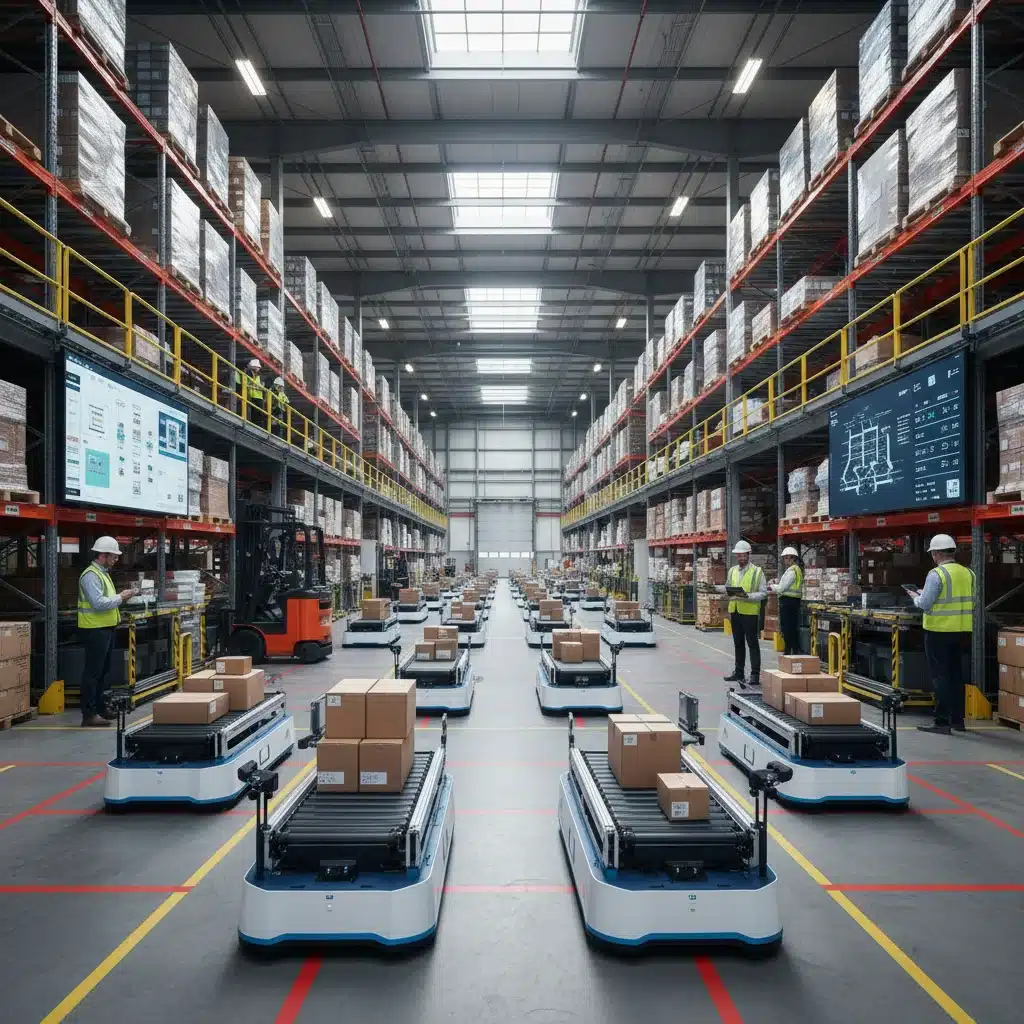
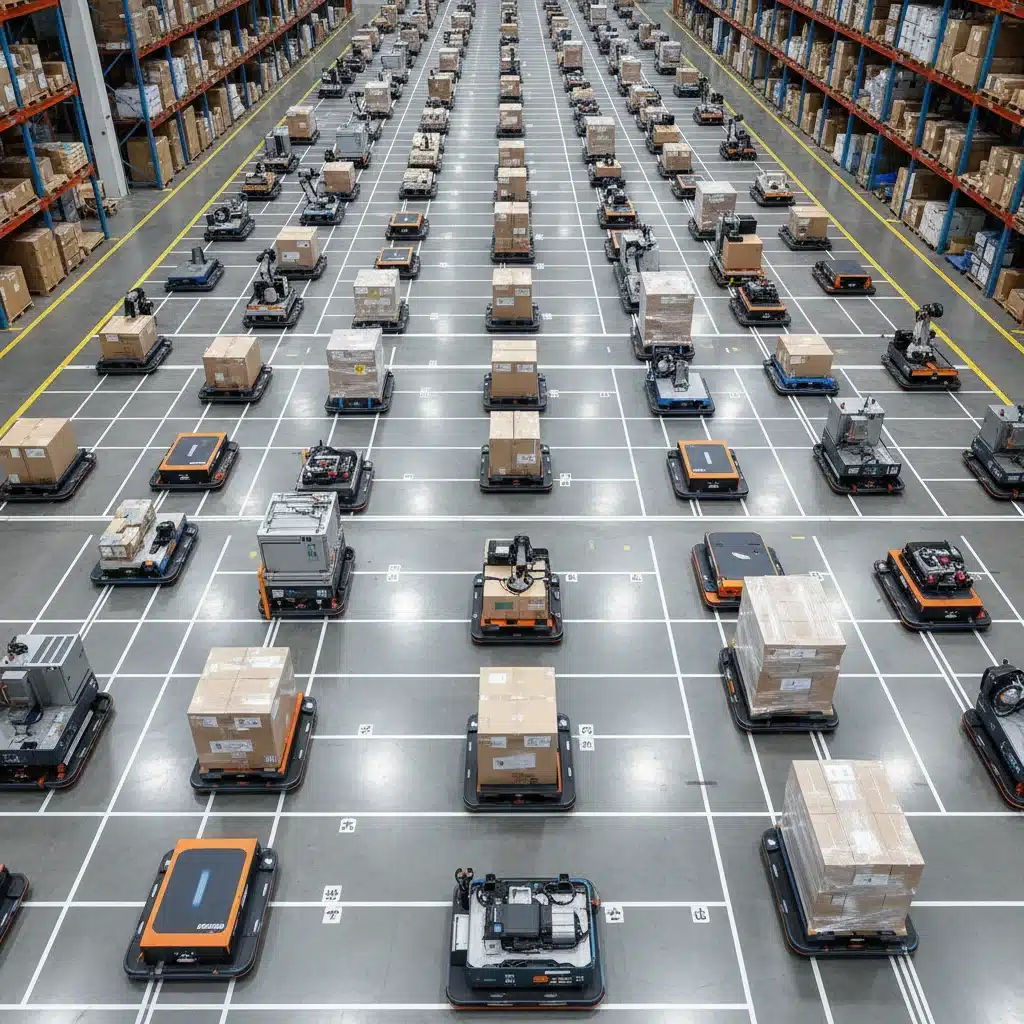
AMRs and AGVs are perhaps the most visible forms of robotics in logistics automation. AGVs follow fixed paths, often marked by wires, sensors, or magnetic strips, and are excellent for repetitive, point-to-point transportation of goods. AMRs, on the other hand, are more sophisticated, using sensors, cameras, and onboard intelligence to navigate dynamic environments without fixed paths. They can identify and avoid obstacles, making them highly flexible. Both types of robots significantly reduce the manual effort required for moving goods, from inbound receiving to outbound shipping, slashing labor costs and improving throughput.
- Goods-to-Person (G2P) Systems: These systems use AMRs to bring shelves or racks of items directly to a human picker, eliminating time-consuming travel across the warehouse. This dramatically increases picking efficiency and reduces worker fatigue.
- Pallet Movement: Heavy and bulky items can be transported by AGVs or larger AMRs, reducing the need for forklifts and associated labor, maintenance, and safety risks.
Robotic Arms for Picking and Packing
Robotic arms, equipped with advanced vision systems and grippers, are now capable of performing delicate and precise picking and packing tasks that were once exclusively the domain of human workers. These robots can handle a wide variety of product shapes, sizes, and weights, from individual items (piece picking) to entire cases.
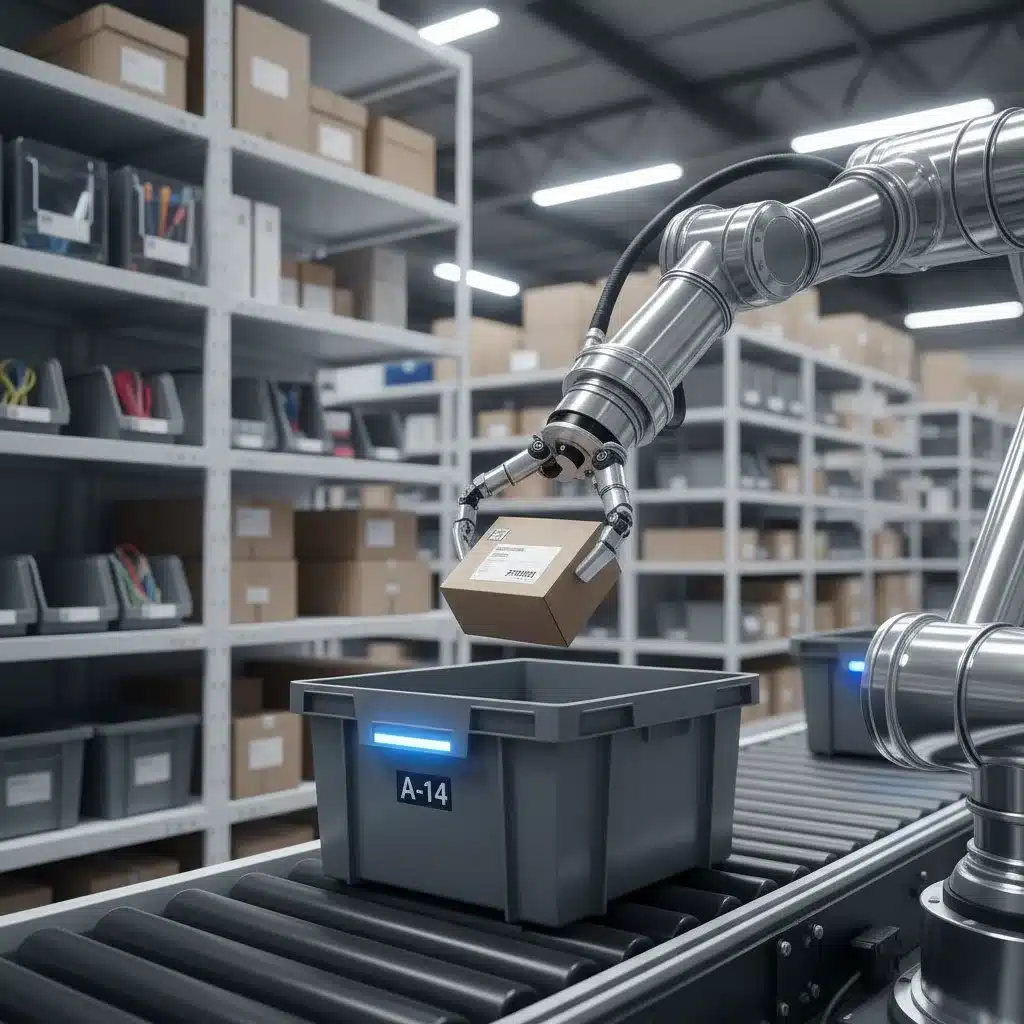
- Piece Picking: With advancements in AI and machine vision, robotic arms can accurately identify and pick individual items, a critical function in e-commerce fulfillment. This reduces labor costs associated with repetitive manual picking.
- Palletizing and Depalletizing: Robots can efficiently stack and unstack items on pallets, a physically demanding task that, when automated, improves speed, consistency, and worker safety.
Automated Storage and Retrieval Systems (AS/RS)
AS/RS are sophisticated systems that automatically place and retrieve items from high-density storage locations. They come in various forms, including crane-based systems, shuttle systems, and vertical lift modules (VLMs). These systems are central to optimizing warehouse space and significantly reducing the time and labor involved in storage and retrieval.
- High-Density Storage: AS/RS can utilize vertical space much more effectively than manual systems, maximizing storage capacity within a given footprint.
- Increased Throughput: By automating the storage and retrieval process, AS/RS can process orders much faster and with greater accuracy than manual methods, directly impacting operational efficiency.
Sortation Systems
Automated sortation systems use conveyors, diverters, and scanning technology to rapidly sort packages by destination, carrier, or other criteria. This eliminates manual sorting, which is labor-intensive, slow, and prone to errors. Modern sortation systems are crucial for high-volume distribution centers, ensuring that packages are routed correctly and efficiently.
The Mechanism of 20% Operational Cost Reduction
Achieving a 20% operational cost reduction through robotics logistics automation is a multifaceted process that impacts several key areas of warehouse expenditure.
Direct Labor Cost Savings
This is arguably the most significant and immediate impact. By automating tasks such as picking, packing, sorting, and transportation, warehouses can reduce the number of human workers required for these roles. While there are initial investment costs for robots, their long-term operational costs (maintenance, electricity) are often significantly lower than wages, benefits, and training for human employees. Furthermore, robots don’t require breaks, vacations, or sick leave, offering continuous productivity.
Increased Throughput and Efficiency
Robots can operate faster and more consistently than humans, leading to a substantial increase in throughput. This means more orders can be processed in less time, without necessarily increasing the physical footprint of the warehouse or the number of shifts. Higher throughput translates directly into higher revenue potential and improved customer satisfaction, while the cost per item processed decreases.
Reduced Errors and Damages
Manual processes are susceptible to human error, leading to mispicks, incorrect shipments, and product damage. These errors result in costly returns, reshipments, and customer service issues. Automated systems, with their precision and consistency, drastically reduce these errors. This not only saves on direct costs associated with rectifying mistakes but also preserves brand reputation and customer loyalty.
Optimized Inventory Management
Advanced robotic systems often integrate with warehouse management systems (WMS) to provide real-time, accurate inventory data. This precision helps in reducing inventory discrepancies, minimizing stockouts, and preventing overstocking. Better inventory management leads to less capital tied up in inventory, reduced carrying costs, and improved cash flow, all contributing to overall cost reduction.
Lower Training and Recruitment Costs
High turnover rates in warehouse jobs often lead to continuous recruitment and training expenses. By automating repetitive tasks, companies can reduce the size of their entry-level workforce, thereby lowering these ongoing costs. The remaining human roles often shift to more supervisory, maintenance, or technical positions, which, while requiring specialized skills, typically have lower turnover.
Energy Efficiency and Reduced Facility Costs
While robots consume electricity, intelligent automation can also lead to energy savings. For instance, AS/RS can operate in darker, colder environments that are less comfortable for humans, potentially reducing lighting and heating/cooling costs. Optimizing space also reduces the need for larger facilities, saving on rent, utilities, and property taxes.
Real-World Impact and Case Studies
Numerous companies across the US are already demonstrating the powerful impact of robotics logistics automation on their bottom lines. From retail giants to third-party logistics (3PL) providers, the success stories are compelling.
E-commerce Fulfillment Centers
Major e-commerce players have been at the forefront of robotic adoption. Their massive order volumes and stringent delivery deadlines make automation an absolute necessity. By deploying hundreds or even thousands of AMRs for goods-to-person picking and advanced sortation systems, these companies have significantly accelerated order fulfillment times while simultaneously reducing labor costs per order. This allows them to scale operations during peak seasons like Black Friday without massive temporary staffing increases, leading to substantial savings.
Third-Party Logistics (3PL) Providers
3PLs, which manage logistics for multiple clients, are leveraging robotics to offer more competitive services. By investing in automation, they can handle diverse product types and fluctuating volumes more efficiently, passing on cost savings to their clients or increasing their own profit margins. The flexibility of modern robotic systems allows 3PLs to quickly reconfigure their operations to meet changing client demands, a critical advantage in a dynamic market.
Manufacturing and Distribution
Beyond e-commerce, manufacturing facilities are integrating robotics for internal logistics, moving components between assembly lines, and finished goods to shipping docks. This ensures a smooth, continuous flow of materials, reducing bottlenecks and improving overall production efficiency. The integration of AGVs and AMRs in these environments has led to reduced material handling costs and faster turnaround times.
Challenges and Considerations in Adopting Robotics
While the benefits of robotics logistics automation are clear, the transition isn’t without its challenges. Companies looking to implement these technologies must carefully consider several factors.
Initial Investment Costs
Robotic systems represent a significant capital expenditure. The upfront cost of purchasing robots, integrating them with existing infrastructure, and updating software can be substantial. Companies need to conduct thorough ROI analyses to ensure that the projected cost savings justify the initial investment. Financing options and leasing models are becoming more common to mitigate this barrier.Integration Complexity
Integrating new robotic systems with legacy warehouse management systems (WMS), enterprise resource planning (ERP) software, and existing physical infrastructure can be complex. Seamless data flow and operational synchronization are crucial for maximizing efficiency. This often requires specialized IT expertise and careful project management.
Workforce Retraining and Reskilling
The introduction of robots changes the nature of work for human employees. While some jobs may be eliminated, new roles in robot maintenance, programming, and supervision emerge. Companies must invest in retraining and upskilling their workforce to adapt to these new demands. This is not just about technical skills but also about managing organizational change and addressing employee concerns about job security.
Maintenance and Support
Robotic systems require regular maintenance and technical support to ensure continuous operation. This can involve in-house teams or reliance on external vendors. Downtime due to technical issues can negate efficiency gains, making robust maintenance protocols and readily available support crucial.
Scalability and Flexibility
Choosing the right robotic solution requires foresight into future business needs. The system should be scalable to accommodate growth and flexible enough to adapt to changes in product lines, order profiles, or market demands. A modular approach to automation can offer greater adaptability.
The Future of Robotics in US Logistics
The trajectory of robotics logistics automation in US warehouses points towards even greater sophistication and widespread adoption. Several trends are shaping this future:
Enhanced AI and Machine Learning
Future robots will be even smarter, powered by more advanced AI and machine learning algorithms. This will enable them to learn from their environment, optimize their paths in real-time, anticipate maintenance needs, and handle increasingly complex and unstructured tasks. AI will also improve forecasting and inventory optimization, further reducing costs.
Human-Robot Collaboration (Cobots)
The emphasis will increasingly be on collaborative robots (cobots) that work alongside humans, rather than replacing them entirely. Cobots are designed to be safe to operate in shared workspaces, augmenting human capabilities and improving overall productivity. This collaborative model addresses concerns about job displacement while harnessing the strengths of both humans and machines.
Miniaturization and Specialization
We can expect to see smaller, more agile, and highly specialized robots designed for niche tasks. This includes micro-fulfillment centers in urban areas, where compact robots can efficiently handle high-volume, quick-turnaround orders for local delivery. Specialized robots for specific product handling (e.g., delicate items, oddly shaped goods) will also become more prevalent.
Cloud Robotics and Swarm Intelligence
Robots will increasingly be connected to the cloud, allowing for centralized control, data analysis, and software updates. Swarm intelligence, where multiple robots coordinate their actions autonomously to achieve a common goal, will lead to even more dynamic and efficient warehouse operations, particularly in large-scale facilities.
Sustainability and Green Logistics
Automation can contribute to more sustainable logistics. Optimized routes, reduced energy consumption in facilities, and minimized waste through better inventory management are all environmental benefits. Future robotic systems will likely be designed with energy efficiency and sustainable materials in mind.
Conclusion: A New Era of Efficiency in US Warehouses
The evidence is clear: robotics logistics automation is not just an incremental improvement but a transformative force driving significant operational cost reductions in US warehouses. The ability to achieve up to 20% savings is a powerful incentive for companies grappling with labor challenges, rising costs, and escalating customer demands. By strategically deploying AMRs, robotic arms, AS/RS, and advanced sortation systems, businesses are not only cutting expenses but also enhancing efficiency, accuracy, and safety across their supply chains.
The journey towards full automation is ongoing, and it presents both challenges and immense opportunities. Companies that embrace these technologies, invest in their workforce’s evolution, and plan for scalable, flexible solutions will be best positioned to thrive in the competitive logistics landscape of tomorrow. The future of US warehousing is undoubtedly robotic, intelligent, and remarkably efficient.